title: Japanese Konjac Sponge Facial Cleansing: Full Guide h1: "Japanese Konjac Sponge Facial Cleansing: Full Guide" description: "Discover how to use a Japanese konjac sponge for facial cleansing. Learn proper hydration, gentle cleansing steps, drying tips, and sensitive skin care." meta_description: Discover how to use a Japanese konjac sponge for facial cleansing. Learn proper hydration, gentle cleansing steps, drying tips, and sensitive skin care. category: "how-japan-works" slug: "japanese-konjac-sponge-facial-cleansing" publish: true published_at: "2026-11-17" hero_image: "/images/stock/woman-washing-face-splashing-water-cleansing.jpg" hero_image_alt: "Woman gently washing her face with water and a soft botanical cleansing tool"
Japanese Konjac Sponge Facial Cleansing: Full Guide
Japanese facial cleansing rituals emphasize protecting the skin moisture barrier through minimal friction and soft, cushioned textures. Among traditional Japanese bathing and skincare accessories, the konjac sponge holds a unique position as a natural cleansing tool created from edible plant fibers. Originally crafted in Japan to wash delicate infant skin, konjac sponges have become a popular global option for those seeking gentle physical exfoliation without abrasive particles.
A Japanese konjac sponge is crafted from natural glucomannan plant root fibers that swell into a soft, jelly-like cushion when fully saturated with warm water. Unlike synthetic nylon puffs or stiff bristles, a soaked konjac sponge retains an exterior layer of water that minimizes direct mechanical friction against delicate facial skin. It can be used alone with warm water or paired with foaming cleansers to lift excess sebum and dead surface cells while respecting the natural epidermal barrier.

Traditional Japanese facial cleansing prioritizes soft water cushions and gentle motions over harsh physical scrubbing.
What is a Japanese konjac sponge?
The konjac sponge is derived from the root tuber of Amorphophallus konjac, which is a species of flowering plant in the family Araceae [1] native to warm regions of Asia. In Japan, konjac (known locally as konnyaku) has been cultivated and consumed as a traditional food staple for over a millennium. Centuries ago, Japanese farmers and caregivers discovered that dried, porous konjac cakes softened into an exceptionally gentle texture when wet, making them ideal for bathing newborn babies without causing skin abrasions.
The key structural component of konjac is glucomannan. In biological and nutritional science, glucomannan is a water-soluble polysaccharide [2] composed of long chains of glucose and mannose units. Because of its intense water-binding capability, glucomannan absorbs many times its weight in liquid, converting the dry, rigid vegetable fiber into a soft, supple, bouncy mesh.
When thoroughly saturated, the sponge creates a protective barrier of liquid over its porous surface. When swept across the face, this liquid film glides smoothly over the stratum corneum, which is the outermost layer of the epidermis [4] responsible for environmental protection and moisture retention. As a result, the sponge gently sweeps away loose debris without scratching or disrupting lipid bilayers.
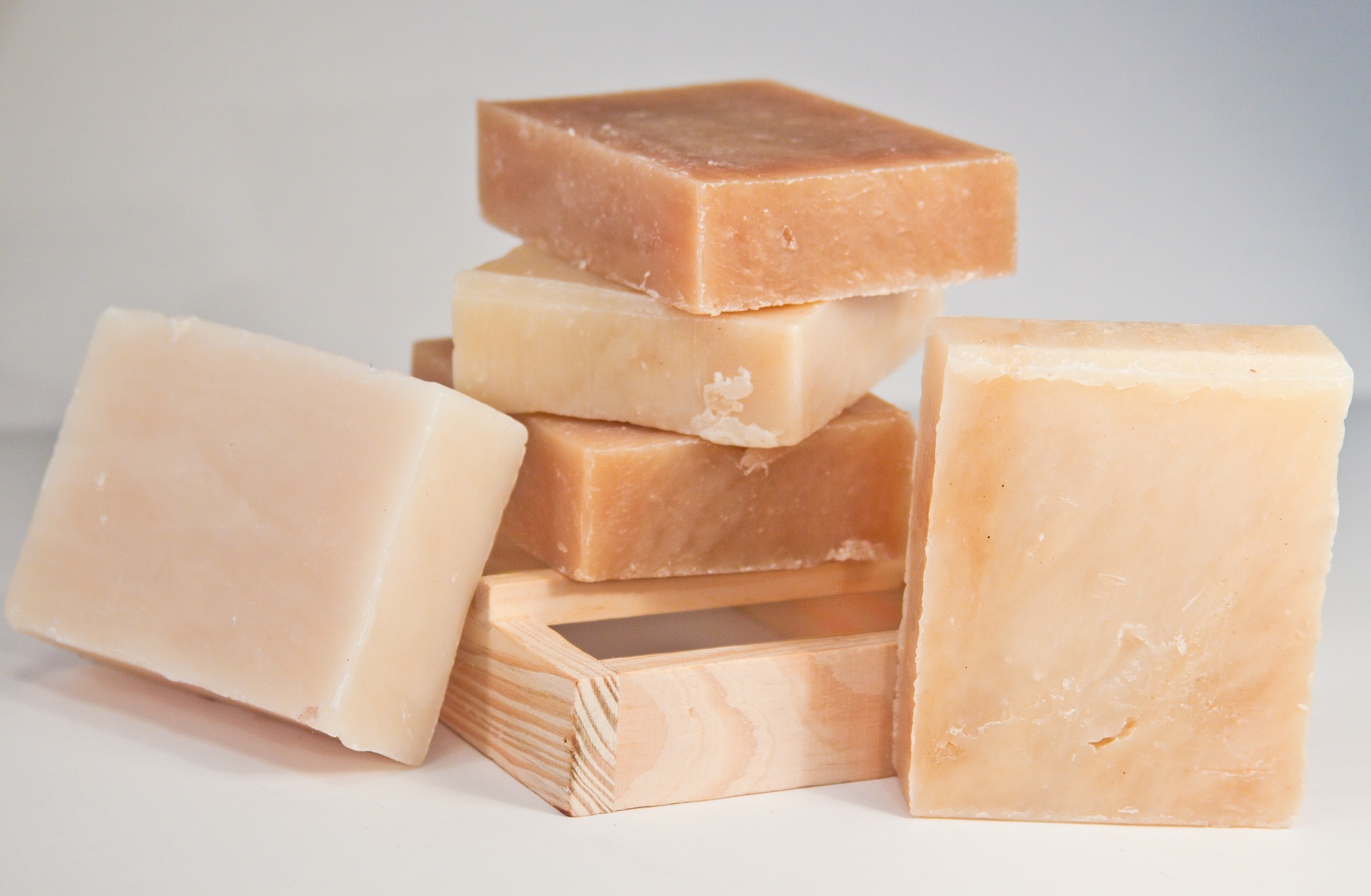
Konjac sponges are formed purely from plant-derived glucomannan fibers without synthetic plastics.
How to use a Japanese konjac sponge for facial cleansing
Using a konjac sponge correctly requires proper hydration before each application. Using a dry or half-soaked sponge can cause uneven friction and irritation. Follow these four practical steps to maintain a comfortable, skin-friendly routine:
1. Thorough hydration in lukewarm water
Place the hard, dried konjac sponge into a basin of lukewarm water for 3 to 5 minutes. As the sponge absorbs moisture, it will expand significantly, turning from a firm disk into a soft, squishy, bouncy hemisphere. Gently press the sponge between your open palms to confirm that no hard, dry core remains inside.
2. Pair with cleanser or use plain water
Japanese konjac sponges can be used either with your preferred facial cleanser or with water alone:
- Morning routine (water alone): If your skin feels dry or sensitive in the morning, gently sweep the water-soaked sponge across your face to remove sweat and overnight sebum without stripping natural lipids.
- Evening routine (with cleanser): Dispense a pea-sized amount of foaming cleanser or rub a bar soap directly onto the wet sponge. Squeeze the sponge gently between your hands several times to generate a dense, micro-fine foam.
3. Glide across the face in light circular motions
Place the soft sponge against your face and glide it across your cheeks, forehead, chin, and nose using feather-light circular motions. The American Academy of Dermatology reminds skincare users that using a washcloth, mesh sponge, or anything other than your fingertips can irritate your skin [3] if used with heavy downward pressure. Never scrub, drag, or scrape the sponge against dry or inflamed areas. Let the sponge's water cushion do the work.
4. Rinse and press flat to expel excess water
After cleansing, thoroughly rinse the sponge under clean running water until all soap residue is washed out. To remove excess moisture, press the sponge firmly between your flat palms. Do not twist, wring, or bend the sponge, as torsional force can tear the delicate botanical fiber matrix and shorten its lifespan.

Always hydrate the sponge completely until soft and bouncy before touching your face.
Japanese konjac sponge vs other facial cleansing tools
Skincare enthusiasts often debate whether a konjac sponge, a silicone brush, a cotton washcloth, or plain fingertips offer the ideal cleansing balance. The right choice depends on your skin condition, sensitivity level, and personal routine goals.
Scroll horizontally to view full table →
| Cleansing Tool | Primary Material | Friction Level | Recommended Frequency | Ideal Skin Types |
|---|---|---|---|---|
| Japanese Konjac Sponge | 100% Glucomannan root fiber | Minimal (soft water cushion) | 2 to 4 times weekly (or daily if well tolerated) | Sensitive, normal, combination, or easily irritated skin |
| Silicone Cleansing Brush | Synthetic medical-grade silicone | Low to moderate | 2 to 3 times weekly | Oily skin, congested T-zones, and resilient skin types |
| Cotton Washcloth / Muslin | Woven cotton or bamboo yarn | Moderate to high | 1 to 2 times weekly | Removal of thick cleansing balms and clay masks |
| Fingertips Only | Natural skin contact | Lowest available | Daily (morning and evening) | Compromised skin barriers, active eczema, or rosacea |