title: Japanese Lip Tint and Blush Guide: Shades, Formulas & Placement description: "Master Japanese lip tints and blushes. Compare gel-film tints, powder vs cream blushes, Yebe/Burobe personal color shades, and gradient techniques." meta_description: Master Japanese lip tints and blushes. Compare gel-film tints, powder vs cream blushes, Yebe/Burobe personal color shades, and gradient techniques. published_at: "2026-11-16" updated_at: "2026-11-16" fact_checked_at: "2026-11-16" author: "Miho Tanaka" fact_checker: "Miho Tanaka" category: "how-japan-works" tags:
- japanese lip tint
- japanese blush
- personal color
- j-beauty makeup
- kesshoku-kan thumbnail: "/images/stock/woman-closed-eyes-glowing-skin-warm-light.jpg" thumbnail_alt: "Serene woman with warm natural flush on cheeks and soft luminous lips in soft light"
Japanese Lip Tint and Blush Guide: Shades, Formulas & Placement
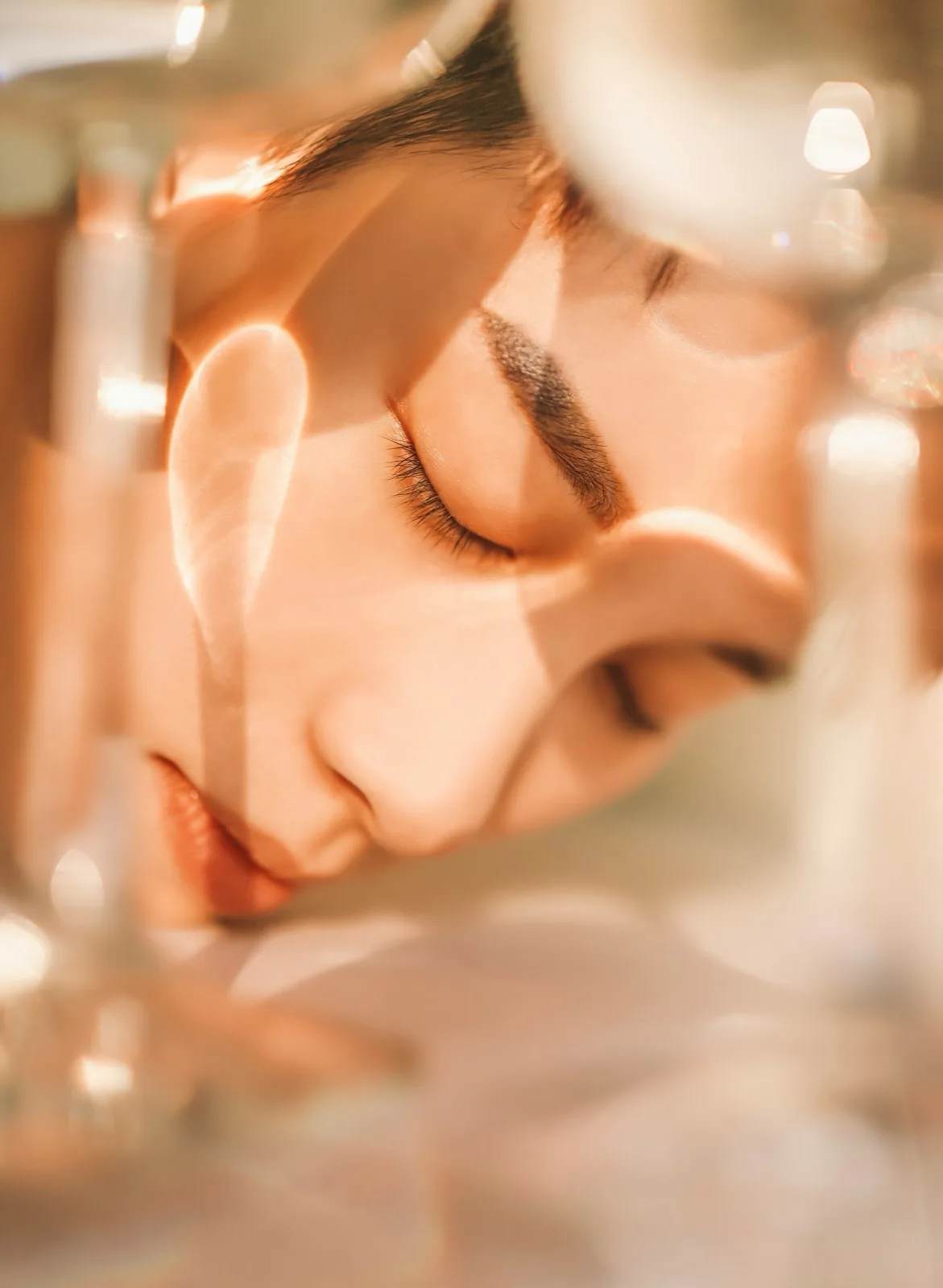
In Japanese cosmetics, lip and cheek makeup is engineered around vitality and healthy blood flow (*kesshoku-kan*) rather than high-contrast structural contouring:
- Gel-Film Lip Tints: Modern Japanese lip tints use oil-evaporating gel technology that deposits an inner stain while forming a high-shine, non-sticky protective shield that resists transfer onto mugs or masks.
- Blush Formulations: Powder blushes provide soft-focus pore blurring, while melting cream and cushion blushes impart skin-like dewiness (*tsuya*).
- Personal Color Harmony: Japanese cosmetic counters categorize shades by Yebe (Yellow Base / Warm) and Burobe (Blue Base / Cool) to ensure lips and cheeks harmonize seamlessly with natural skin undertones.
In Western beauty routines, cheeks are frequently sculpted with cool contour and warm bronzer, while lips are framed with precise, opaque liners. In Japan, however, cheek and lip colors play an entirely different emotional and aesthetic role.
The defining concept is kesshoku-kan—a Japanese beauty term translating to "the appearance of healthy blood circulation." Rather than presenting sharp boundaries, Japanese blushes and lip tints are designed to look as though natural warmth is blooming outward through translucent skin.
From the viral international sensation of Japanese gel-film lip tints (such as Kate Lip Monster and Opera Lip Tint) to delicate cheek palettes engineered for specific personal color seasons, Japanese color cosmetics combine advanced pigment chemistry with effortless everyday usability.
Below is a complete guide to understanding Japanese lip tint mechanics, comparing blush textures, selecting shades via Japanese personal color theory, and mastering authentic gradient application techniques.
The Science of Japanese Lip Tints: Why They Do Not Dry Out Lips
Many international consumers avoid lip tints because traditional water tints stain unevenly on chapped patches, while Western liquid lipsticks dehydrate the lips into a parched, matte finish. Japanese cosmetic chemists revolutionized this space by creating hybrid oil tints and gel-film lipstick technologies.
1. Dyes vs. Pigments (Senryo vs. Ganryo)
Standard lipsticks rely primarily on ganryo (insoluble mineral pigments, such as iron oxides and titanium dioxide). These sit physically on top of the lips and easily transfer onto cups, utensils, or clothing.
Japanese lip tints incorporate a balanced blend of pigments and senryo (soluble organic cosmetic dyes). The dye molecules gently penetrate the outermost dead stratum corneum cells of the vermilion border, staining the lip tissue with translucent color that resists mechanical friction and water exposure.
2. The Viral "Gel-Film" Barrier Technology
In recent years, Japanese brands engineered a breakthrough formulation known as the gel-film lip mechanism (celebrated globally in products like the Kate Lip Monster series):
- Evaporation & Separation: When applied, volatile carrier oils temporarily thin the product for smooth gliding. As the formula interacts with lip moisture and body warmth (around 37°C), volatile solvents evaporate.
- Dual Layer Formation: The formula separates into two distinct layers: an inner layer of pigmented dye that clings tightly to the lip surface, and an outer layer of high-refraction, transparent moisturizing oil gel.
- The Result: The clear gel seals the color beneath an airtight protective barrier. You achieve the lustrous, juicy sheen of a gloss, yet the color refuses to transfer onto glass rims or masks, and lips remain hydrated for hours without cracking.
Blush Formulations: Powder vs. Cream vs. Multi-Use Tint Sticks
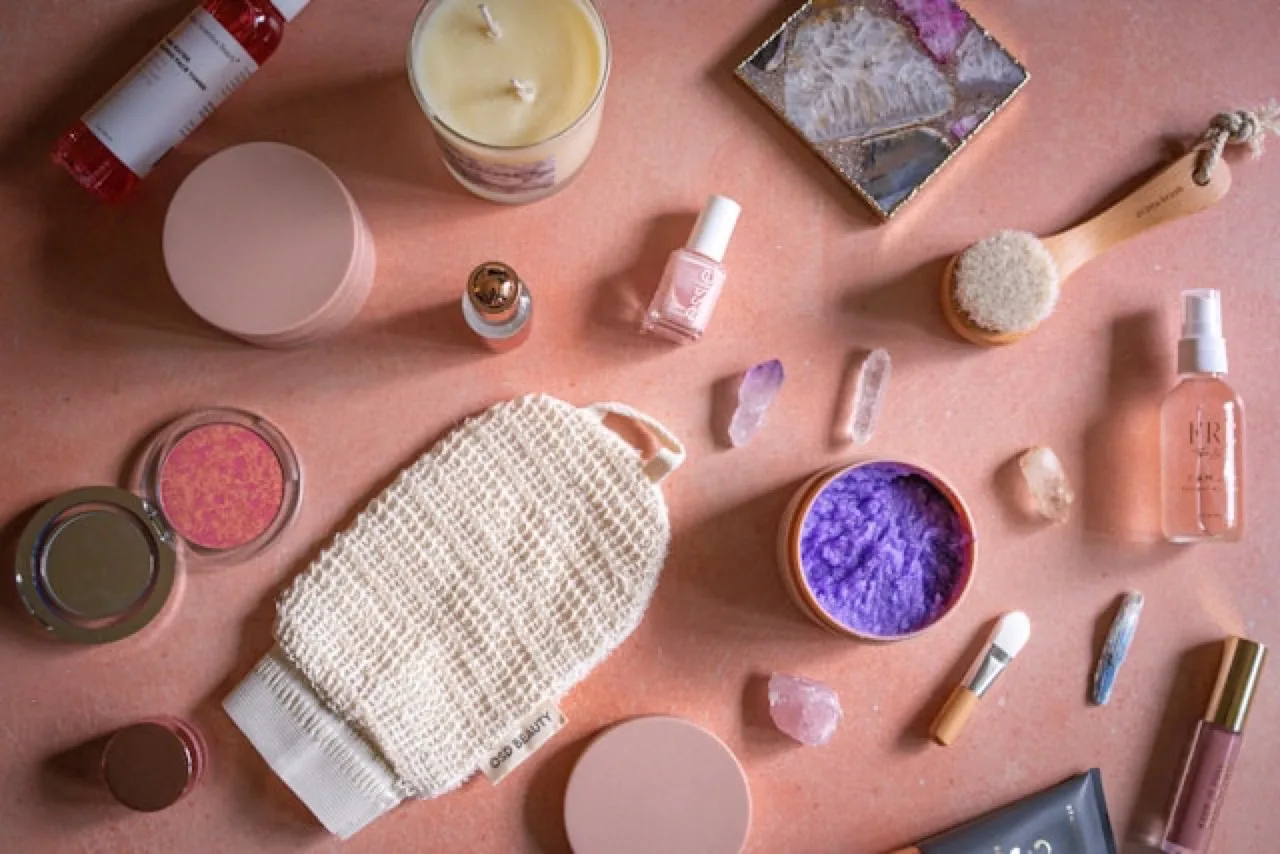
Choosing the right blush formula in Japan depends on your skin type, base makeup finish, and personal routine preferences:
1. Baked & Micro-Milled Powder Blushes
Japanese powder blushes are formulated with spherical silica beads and amino-acid-coated mica. Unlike chalky, highly pigmented Western powders that deposit heavy color blocks, Japanese powder blushes offer buildable, sheer washes:
- Pore-Blurring Effect: The spherical powders scatter light across the apple of the cheek, visually diffusing texture, enlarged pores, and fine lines.
- Best For: Oily, combination, or normal skin, and anyone wearing semi-matte or powdered base makeup.
2. Melting Cream & Cushion Blushes
Cream blushes in Japan (such as Canmake Cream Cheek) use botanical oils, squalane, and low-melting-point waxes that liquefy upon fingertip contact:
- Translucent Inner Glow: Cream blushes melt seamlessly into liquid foundations, BB creams, or bare moisturized skin, creating a dewy finish (tsuya) that looks like real flushed skin rather than surface powder.
- Best For: Dry skin, mature complexions, or minimal "no-foundation" makeup days.
3. Multi-Use Lip-and-Cheek Tint Sticks
Formulated in portable twist-up sticks, these hybrid balms contain moisturizing plant oils (like jojoba, camellia, and shea butter). Swept across both cheeks and lips, they provide instant color harmony in under thirty seconds, making them staples for travel and midday office touch-ups.
Japanese Personal Color Theory: Yebe (Warm) vs. Burobe (Cool)
In Japanese beauty culture, Personal Color Diagnosis (Pasonaru Karaa) is a universally recognized standard. Drugstores and beauty counters explicitly label lip and blush shades into two main categories: Yebe (Yellow Base / Warm Undertone) and Burobe (Blue Base / Cool Undertone).
Scroll horizontally to view full table
| Personal Color Type | Natural Complexion Characteristics | Flattering Lip Tint Shades | Flattering Blush Shades | Representative Shade Names |
|---|---|---|---|---|
| Yebe Spring (*Yebe Haru*) | Bright, warm golden ivory skin; light brown eyes; warm honey or chestnut hair. | Coral pink, juicy peach, apricot, warm poppy red, bright salmon. | Milky peach, soft coral, warm pastel pink. | "Coral Peach", "Apricot Tea", "Spring Nectar" |
| Yebe Autumn (*Yebe Aki*) | Deep warm golden or olive undertones; dark amber/brown eyes; rich warm hair. | Terracotta, pumpkin orange, warm fig, cinnamon brown, brick red. | Muted terracotta, almond beige, dusty warm bronze-peach. | "Cinnamon Fig", "Baked Terracotta", "Maple Brown" |
| Burobe Summer (*Burobe Natsu*) | Soft cool pink undertones; translucent fair skin; soft black or ash hair. | Dusty rose, mauve pink, sheer berry, baby pink, soft raspberry. | Lavender-pink, baby rose, lilac pastel (adds sheer clarity). | "Mauve Blossom", "Lilac Pink", "Misty Rose" |
| Burobe Winter (*Burobe Fuyu*) | High-contrast cool skin; deep dark eyes; sharp black or dark ash-toned hair. | Cherry red, deep plum, cool wine berry, clear ruby, dark fuchsia. | Clear rose, cool magenta-pink, icy sheer berry. | "Ruby Wine", "Midnight Cherry", "Icy Plum" |