title: Japanese Kumano Makeup Brushes: Artisan Fude Guide slug: japanese-makeup-brushes-kumano-fude-artisan category: how-japan-works published_at: '2026-11-23' updated_at: '2026-11-23' meta_description: Explore Kumano makeup brushes (Kumano fude). Learn how Japanese artisan techniques, uncut bristle tips, and K-mark standards create flawless beauty tools. keywords:
- japanese makeup brushes kumano fude artisan
- kumano fude makeup brushes
- japanese artisan cosmetic brushes
- uncut bristle makeup brush
- kumano brush k mark authentication lead_image: /images/stock/essential-makeup-brushes-and-sheer-application.webp lead_image_alt: Essential Kumano makeup brushes collection for sheer and natural cosmetic application thumbnail: /images/stock/essential-makeup-brushes-and-sheer-application.webp thumbnail_alt: Essential Kumano makeup brushes collection for sheer and natural cosmetic application author: Editorial Team publish: true
Japanese Kumano Makeup Brushes: Artisan Fude Guide
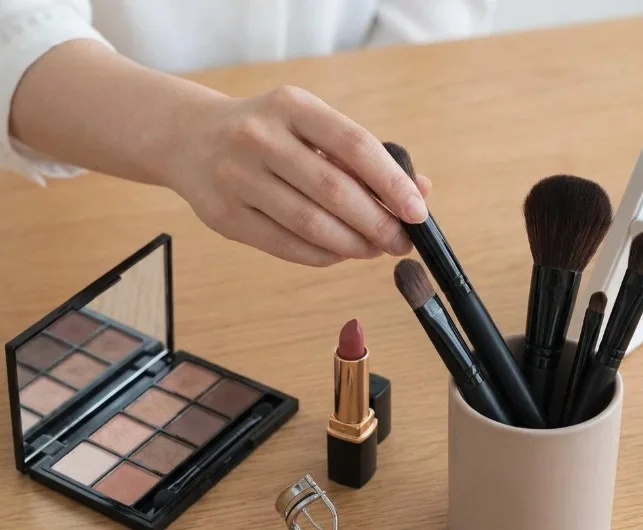
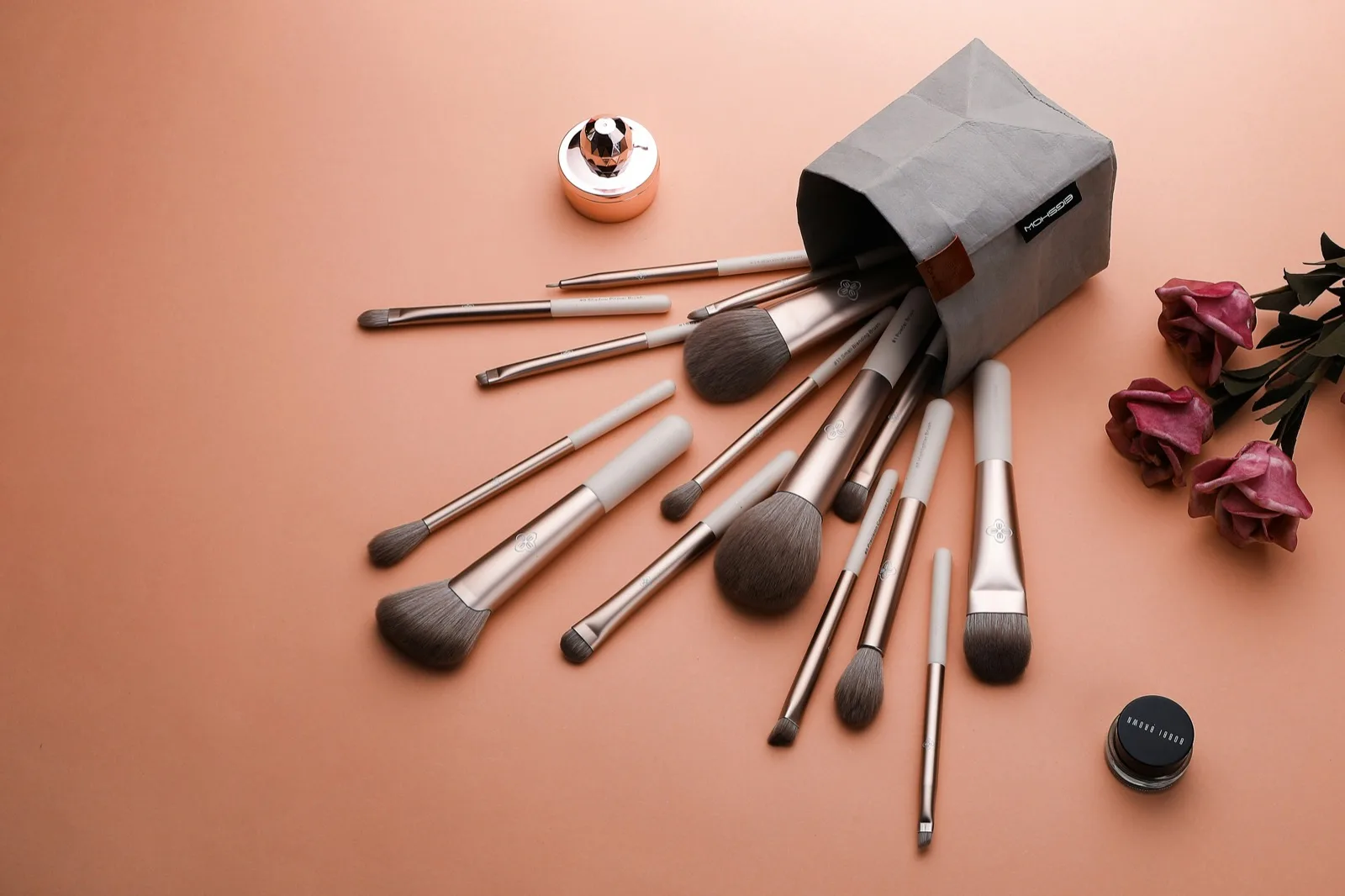
In Japanese aesthetic culture, cosmetic tools are revered as an extension of the artisan's hand. Nestled in the mountains of Hiroshima Prefecture, the town of Kumano produces the vast majority of Japan's traditional calligraphy and modern cosmetic brushes. Revered by global luxury beauty houses and professional makeup artists worldwide, Kumano fude combine centuries of heritage with delicate, skin-friendly performance.
Quick answer: Kumano fude are handcrafted makeup brushes originating from Kumano, Hiroshima, where over a century of calligraphy brush heritage is applied to cosmetic tools. Unlike mass-manufactured brushes that machine-trim hair ends, authentic Kumano artisans preserve the natural, uncut tips of every bristle. This technique produces exceptional softness, prevents skin irritation, and ensures uniform powder dispersion. Look for the official K-mark seal to verify genuine cooperative standards.
The Heritage and Craftsmanship Behind Kumano Fude
The history of brushmaking in Kumano dates back to the late Edo period, when local villagers acquired calligraphy brushmaking skills from masters in Nara and Wakayama. Over generations, this regional craft transformed Kumano into Japan's brushmaking capital.
Kumano received national recognition when calligraphy brushes earned designation as an official traditional craft by the Ministry of International Trade and Industry in 1975[2]. While the calligraphy heritage laid the technical groundwork, the late 20th century saw artisans adapt their specialized hand-assembly methods to beauty tools. Interestingly, cosmetic brushes fall outside the narrow statutory scope of the traditional craft designation due to modern variations in handles, ferrules, and hair selection[2].
To maintain strict regional quality and protect against international counterfeits, the cooperative registered the unified K-mark certification system in February 2006 (trademark registration no. 4962731) to authenticate authentic Kumano production[3]. Today, a core requirement established by the regional cooperative stipulates that the vital working tip (hokubi) must be assembled within Kumano town[1].
Why Natural, Uncut Bristles Make a Difference
The defining characteristic of an authentic Kumano brush lies in the bundle forming process. Conventional commercial brushes are cut across the top with steel blades to form domes, angled edges, or flat heads. Cutting bristles creates blunt, jagged edges that scratch sensitive facial skin and cause makeup powders to cling unevenly.
In contrast, Kumano brushmakers preserve the natural, tapered tip (inochige, or life-hair) of each strand. Artisans tap and align individual hairs inside wooden mold cylinders (koma) entirely by hand:
- Zero Blade Trimming: The shape of the brush head is shaped purely through manual sorting and alignment, keeping natural micro-tips intact.
- Microscopic Softness: Natural tips glide across the stratum corneum without disrupting delicate barrier lipids or causing mechanical micro-tears.
- Superior Powder Pickup: Intact cuticle scales pick up loose or pressed pigments evenly and release them smoothly onto the skin.
Bristle Types and How to Choose for Your Skin Type
Selecting the right brush depends on your targeted makeup formula (powder, liquid, or cream) and your skin's baseline sensitivity.
| Bristle Material | Key Characteristics | Ideal Application | Skin Compatibility |
|---|---|---|---|
| Grey Squirrel (Saikoho) | Ultra-delicate, airy touch with minimal resistance | Finishing powder, sheer highlighter | Dry, fragile, sensitive skin |
| Goat Hair (Hakutotsuho) | Resilient, soft elasticity with rich powder pickup | Powder foundation, blush, bronzer | Normal, combination, oily skin |
| Kolinsky / Weasel | Firm snap, moisture-repellent, high elasticity | Concealer, cream shadow, liquid liner | All skin types, detailed areas |
| Advanced Synthetic (PBT) | Uniform fiber density, washable, oil-resistant | Liquid foundation, skincare creams | Blemish-prone, sensitive skin |