title: Japanese Blotting Paper: Gold Leaf Roots of Aburatorigami slug: japanese-oil-blotting-paper-gold-leaf-aburatorigami category: how-japan-works published_at: '2026-11-23' updated_at: '2026-11-23' meta_description: Discover Japanese aburatorigami blotting paper. Learn how Kanazawa gold-leaf beating creates absorbent sebum control sheets without powder. keywords:
- japanese oil blotting paper gold leaf aburatorigami
- aburatorigami kyoto
- kanazawa gold leaf beaten paper
- japanese sebum blotting sheets
- yojiya blotting paper history lead_image: /images/stock/woman-touching-up-makeup-cafe-terrace.webp lead_image_alt: Woman touching up her makeup gracefully outdoors using traditional oil blotting methods thumbnail: /images/stock/woman-touching-up-makeup-cafe-terrace.webp thumbnail_alt: Woman touching up her makeup gracefully outdoors using traditional oil blotting methods author: Editorial Team publish: true
Japanese Blotting Paper: Gold Leaf Roots of Aburatorigami
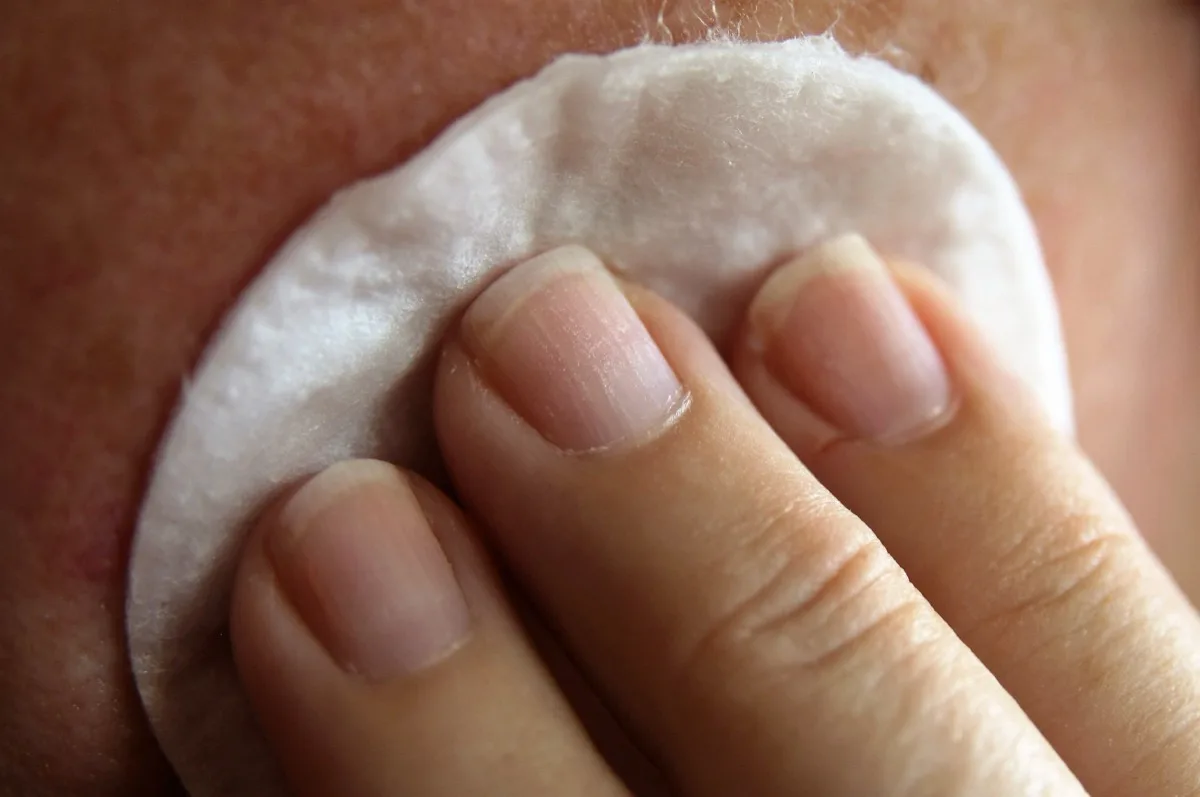
Among the most iconic beauty souvenirs discovered in Kyoto and Kanazawa is aburatorigami—ultra-thin, velvety facial blotting paper designed to lift midday oil without disturbing delicate foundation. While modern drugstores worldwide offer synthetic polypropylene sheets, traditional Japanese blotting papers owe their extraordinary absorption power to a centuries-old artisanal craft: gold leaf beating (hakuuchi).
Quick answer: Traditional Japanese blotting paper (aburatorigami) originated as gold-leaf beating paper (hakuuchi-gami). In Kanazawa, artisans repeatedly hammered gold between sheets of handmade washi paper, compressing plant fibers to microscopic densities. This process creates immense capillary action that selectively absorbs oxidized facial sebum while preserving skin moisture and foundation pigment. Famous Kyoto houses like Yojiya popularized these sheets in the 1920s for stage performers and everyday beauty routines.
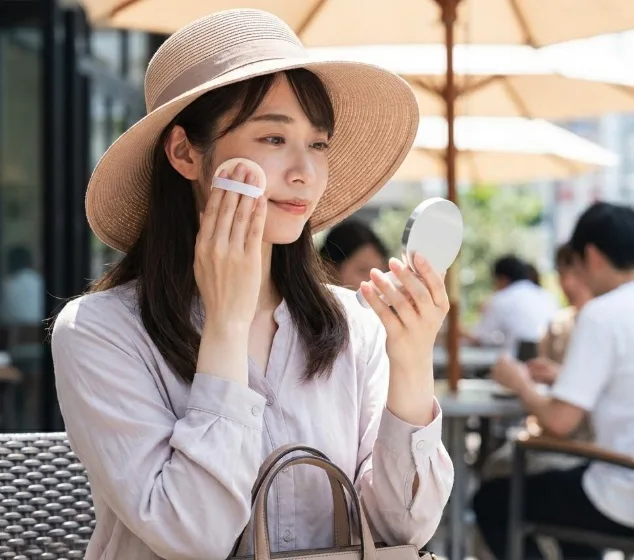
The Metallurgical Origins of Hakuuchi-Gami
The history of authentic Japanese blotting paper is intertwined with the traditional gold leaf industry of Ishikawa Prefecture. Kanazawa accounts for over 98 percent of Japan's domestic gold leaf production, inheriting centuries of specialized metallurgy and beaten paper craftsmanship[2].
To produce authentic gold leaf, artisans beat gold alloy sandwiched between handmade washi paper until approximately two grams of gold expands into a tatami-sized sheet just 1/10,000 of a millimeter thick[1]. Normal paper would instantly shred under such tremendous repetitive mechanical impact. To withstand the punishment, master craftsmen developed the critical preparatory stage soaking sheets in fermented persimmon tannin, straw ash lye, and egg white to prevent fiber tearing under intense mechanical hammering[1].
After weeks of pounding thousands of times, the discarded interleaving paper (hakuuchi-gami or furuya-gami) underwent a remarkable structural transformation:
- Micro-Fiber Compression: The violent pounding crushes long botanical fibers into ultra-dense, microscopic networks.
- Capillary Pore Formation: Millions of tiny voids form within the paper sheet, creating natural capillary suction.
- Sub-Micron Softness: Hammering polishes the sheet surface until it feels like soft silk against fragile facial skin.
Geiko, kabuki actors, and stage performers in nearby Kyoto quickly discovered that these discarded craft papers absorbed sweat and surface sebum far better than ordinary tissues, without stripping oil-based theatrical makeup.
The Kyoto Adaptation: How Yojiya Popularized the Pocket Sheet
While the manufacturing technology developed within the gold workshops of Kanazawa, the commercial beauty format originated in the cultural capital of Kyoto.
Kyoto cosmetic house Yojiya devised pocket-sized aburatorigami in the 1920s after consulting with local film industry actors and geiko who needed instant shine removal without disturbing heavy stage makeup[3]. The brand bound pocketable booklets embossed with the iconic hand-mirror logo, turning what was once an insider theater trick into a nationwide beauty phenomenon.
Today, Japanese blotting sheets are produced either through traditional batch hammering methods or modern high-pressure calendering machines that replicate the high-density fiber alignment of ancient beaten papers.
Comparing Blotting Materials: Traditional Washi vs. Modern Sheets
Understanding how different blotting materials interact with skin sebum and moisture helps prevent accidental over-drying during midday touchups.
| Material Type | Manufacturing Mechanism | Sebum Selectivity | Impact on Base Makeup |
|---|---|---|---|
| Traditional Beaten Washi | Handmade hemp/mulberry beaten under mechanical hammers | Extremely high; lifts liquefied lipids without stripping water | Preserves powdery foundation and sunscreen film |
| Calendered Wood Pulp | High-speed roller compression of virgin cellulose | Moderate to high absorption speed | Minimal transfer if gently pressed |
| Powdered Blotting Paper | Cellulose coated with fine silica or rice starch | Absorbs oil and deposits a matte powdery layer | Can look cakey if reapplied over heavy makeup |
| Synthetic Film (Polypropylene) | Porous micro-plastic film with oil-attracting additives | Instant, heavy lipid binding | Can strip protective surface moisture if rubbed |