title: Japanese Refill Packaging & Sustainability: Eco Design description: "Discover how Japanese refill packaging drives sustainability in J-Beauty. Learn pouch-to-bottle tech, plastic reduction, hygiene safety, and eco habits." meta_description: Discover how Japanese refill packaging drives sustainability in J-Beauty. Learn pouch-to-bottle tech, plastic reduction, hygiene safety, and eco habits. published_at: "2026-11-17" updated_at: "2026-11-17" fact_checked_at: "2026-11-17" author: "Miho Tanaka" category: "how-japan-works" slug: "japanese-refill-packaging-and-sustainability" thumbnail: "/images/stock/japanese-beauty-brands-global-minimalist-bottle.webp" thumbnail_alt: "Minimalist Japanese cosmetic pump bottle designed for reusable multi-year refill pouch cycles" affiliate: false ja_equivalent: null publish: true
Japanese Refill Packaging & Sustainability: Eco Design
Walk into any Japanese drugstore (doraggu sutoa), and you will immediately notice something remarkable: nearly every bestselling shampoo, cleansing oil, toner, and facial emulsion occupies two distinct shelf slots. Side by side sit the original rigid pump bottle and a slim, flexible refill pouch (tsumekae-yo).
While refill stations remain a niche novelty in many Western department stores, refill culture in Japan is an everyday standard spanning over three decades. Driven by cultural values and sophisticated polymer engineering, Japanese refill packaging drastically curtails single-use plastic waste while keeping high-performance skincare affordable.
Refill packaging is pervasive in Japanese beauty because of the cultural ethos of *mottainai* (avoiding waste), high domestic recycling standards, and consumer demand for cost savings. Rather than repurchasing heavy plastic or glass bottles, consumers buy lightweight stand-up pouches (*tsumekae*) that cut plastic weight by up to 80% to 85%. Japanese manufacturers engineer spout tips that guide liquid into bottles without spills or air bubbles, while maintaining strict hygienic safety through airtight multi-laminate barrier films.

Durable Japanese pump dispensers are engineered for dozens of refills, combining clean aesthetics with environmental responsibility.
The Cultural Philosophy: Mottainai and Eco Consciousness
In Japanese culture, avoiding unnecessary waste is deeply rooted in mottainai, a Japanese phrase conveying a sense of regret over waste[1] or missed potential. This traditional sentiment views material goods with respect and gratitude, discouraging the casual disposal of objects that remain functional.
In modern consumer society, this philosophy aligns with the principles of sustainability—the ability to continue the same over a long period of time[2] without depleting finite ecological resources.
When applied to cosmetic design, packaging and labeling is the science, art and technology of enclosing or protecting products for distribution[3]. Throwing away a sturdy, precision-engineered pump bottle after thirty days of use contradicts Japanese notions of conservation. By purchasing a refill pouch, consumers honor the life cycle of the container while enjoying a 15% to 20% discount on their favorite formulas.
Engineering the Perfect Refill Pouch (Tsumekae)
Transferring a runny watery lotion or a viscous cleansing oil into a narrow-necked bottle without dripping seems simple, but it represents decades of chemical and mechanical packaging innovation:
1. Laser-Scored Tear Notches
Unlike early pouches that required kitchen scissors, modern Japanese refill pouches feature micro-laser scoring. Users can snap the tab off cleanly by hand without tearing jagged edges or splashing product.
2. Rigid Channeled Spouts (Raku-Paka)
Japanese packaging giants (such as Toppan and Dai Nippon Printing) engineered pour spouts with interior air channels. As liquid flows downward into the bottle, displaced air escapes simultaneously through a dedicated vent, preventing product gurgling and messy back-splashes.
3. Multi-Layer Film Barrier Technology
Skincare refill bags are composed of thin, co-extruded multi-layer laminates (combining polyethylene, polyamide, and aluminum vapor-deposited coatings). These micro-thin films block ultraviolet light, oxygen, and moisture vapor just as effectively as heavy amber glass, ensuring active ingredients (like vitamin C derivatives or ceramides) remain stable before decanting.
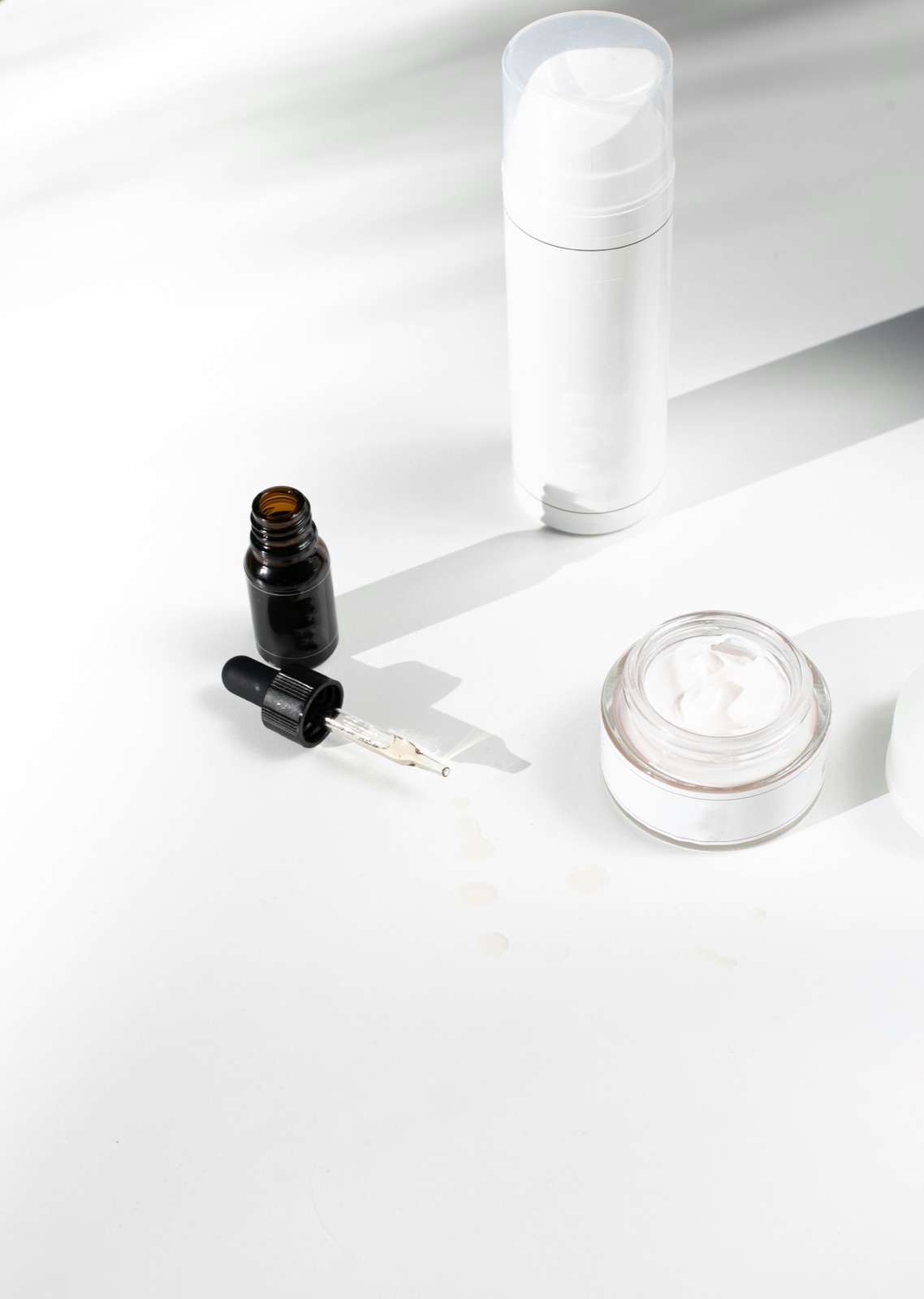
Drugstore aisles present side-by-side choices between initial dispenser bottles and compact, low-waste refill pouches.
Environmental Impact: Radical Plastic Reduction
Plastic recycling is the processing of plastic waste into other products[4], but source reduction—preventing waste creation at the outset—is far more effective:
- Up to 85% Less Plastic: A standard 200ml lotion pump bottle typically uses 40 to 60 grams of rigid polyethylene terephthalate (PET). In contrast, an equivalent flexible refill pouch uses merely 7 to 10 grams of plastic film.
- Compact Shipping and Lower Carbon Footprint: Flat refill pouches take up less than one-fifth of the warehouse and cargo space required for empty rigid bottles. This dramatic volume reduction slashes transport fuel consumption and freight emissions.
- High Domestic Adoption: According to the Japan Soap and Detergent Association (JSDA), refill pouches account for over 80% of consumer sales in daily hygiene and hair care categories across Japan.
Hygiene and Contamination Safety: How to Refill Properly
A common concern among foreign consumers is whether refilling cosmetic bottles invites bacterial contamination. Japanese cosmetic chemists formulate products with robust, broad-spectrum preservative systems, but following proper hygiene protocol is essential:
The "Dry Refill" Rule
Never rinse an empty lotion or cleansing oil bottle with tap water before refilling it. Tap water introduces minerals and microbial spores. Because water does not mix with oil, droplets left inside a cleansing oil bottle can cause the entire formula to cloud and degrade.
- Correct Technique: Use every drop of the previous batch until the dispenser is empty. Pour the fresh refill pouch directly into the dry, unwashed bottle, and twist the pump cap tightly shut immediately.
Pump Longevity and Replacement
Japanese cosmetic pumps are manufactured to high industrial tolerances, typically lasting through 5 to 10 consecutive refill cycles. However, if the spring mechanism becomes stiff, or if crusty dried residue forms around the dispenser nozzle, purchase a fresh complete unit.
Eco-conscious packaging harmonizes cosmetic preservation with responsible material sourcing.
Comparison Table: Rigid Single-Use vs Japanese Refill Pouches
Scroll horizontally to view full table
| Factor | Standard Single-Use Rigid Bottle | Japanese Flexible Refill Pouch |
|---|---|---|
| Plastic Material Weight | 40g – 60g per 200ml container | 7g – 10g per 200ml pouch (80%+ reduction) |
| Transport Efficiency | Bulky, rigid volume consumes cargo space | Ultra-flat, lightweight, minimal shipping footprint |
| Consumer Purchase Price | Includes container manufacturing cost | Discounted by 15% to 25% compared to full bottles |
| Disposal Footprint | Fills municipal recycling bins quickly | Folds down to a flat strip, minimizing trash volume |
| Oxygen / UV Protection | High (opaque plastic or colored glass) | Equivalent protection via multi-laminate vapor films |