title: Japanese Seasonal Skincare: Switching Routines by Climate slug: japanese-seasonal-skincare-switching-humid-dry category: how-japan-works meta_description: Master Japanese seasonal skincare methods. Learn how to switch formulas between humid summers and dry winters to protect your delicate epidermal barrier. date: 2026-11-23 author: Seibun Lab Editorial Team publish: true
Japanese Seasonal Skincare: Switching Routines by Climate
Quick answer
Japanese seasonal skincare, rooted in the cultural awareness of four distinct seasons (shiki), approaches daily routines like a seasonal wardrobe rather than a static regimen. In humid summers, routines prioritize breathable watery lotions, oil-free hydration, sebum-clarifying cleansers, and photostable sunscreens. In dry winters, formulas pivot toward ceramide-rich emulsions, lipid-sealing barrier creams, and gentle non-foaming washes. Adjusting textures gradually during transitional months safeguards stratum corneum moisture from abrupt indoor-outdoor climatic shocks.
Japan experiences dramatic climatic swings throughout the year. Summers are marked by sub-tropical monsoons, oppressive humidity exceeding 80 percent, and relentless ultraviolet radiation. Conversely, winters bring freezing Siberian winds, indoor central heating, and ambient indoor relative humidity dipping below 30 percent.
Rather than sticking rigidly to a single routine year-round, Japanese beauty philosophy embraces seasonal adaptability (kisetsukan). Just as Japanese households switch from airy linen clothes to insulated wool coats, their skincare routines transition from lightweight watery essences to rich lipid-replenishing balms. Understanding how atmospheric humidity dictates epidermal hydration allows you to tailor your Japanese skincare steps to your local climate without overwhelming your moisture barrier.
The Four Seasons in Japan: Dramatic Shifts in Humidity and Temperature
The archipelago's geography creates four distinct atmospheric phases that directly alter cutaneous homeostasis:
- Spring (Haru - March to May): Rising temperatures coincide with volatile atmospheric pressure, pollen dispersion (cedar and cypress), and sharp windblown pollutants. The stratum corneum frequently becomes reactive or sensitized.
- Summer and Rainy Season (Tsuyu to Natsu - June to August): Atmospheric humidity regularly exceeds 75 to 85 percent. High ambient heat triggers copious perspiration and accelerated sebum output, while prolonged indoor air conditioning dehydrates superficial layers.
- Autumn (Aki - September to November): Temperatures drop rapidly by nearly 10 degrees Celsius over a brief eight-week window. Ambient humidity falls sharply, exposing sun-stressed skin to rapid dehydration.
- Winter (Fuyu - December to February): Crisp, icy winds drop indoor relative humidity below 30 percent. Transepidermal water loss climbs, leading to flaking, irritation, and compromised lipid lamellae.
Biological Response: How Environmental Shifts Impact Stratum Corneum Architecture
Healthy epidermal hydration relies upon three coordinated moisture factors spanning the skin surface, intracellular compartments, and intercellular spaces.[2] These three functional pillars respond dynamically to atmospheric conditions:
- The Sebaceous Surface Film: A fine emulsion of sebum and perspiration coats the epidermis. In summer heat, sebum fluidity surges, predisposing pores to lipid peroxidation. In freezing winters, sebum output slows dramatically, leaving the skin surface exposed to ambient evaporation.
- Natural Moisturizing Factors (NMF): Microscopic amino acids, PCA, and urea stored inside corneocyte cells bind atmospheric water molecules. When external humidity drops below 50 percent, NMF molecules struggle to retain water from dry ambient air.
- Intercellular Lipids (Ceramides): Arranged in organized lamellar bilayers between skin cells, ceramides and fatty acids lock moisture within the stratum corneum. In cold weather, these lipid structures become rigid and fragile, increasing susceptibility to microscopic cracking.
As ambient relative humidity plummets during autumn and winter transitions, epidermal transepidermal water loss accelerates noticeably.[1] Without timely formula adjustments, even oily skin types can experience profound dehydration.
Summer Care (Tsuyu to Late Summer): High Humidity, Sebum, and UV Defense
During sweltering summer months, heavy occlusive creams can feel suffocating and trap perspiration, potentially fostering micro-comedones or heat rashes.
Core Summer Strategy
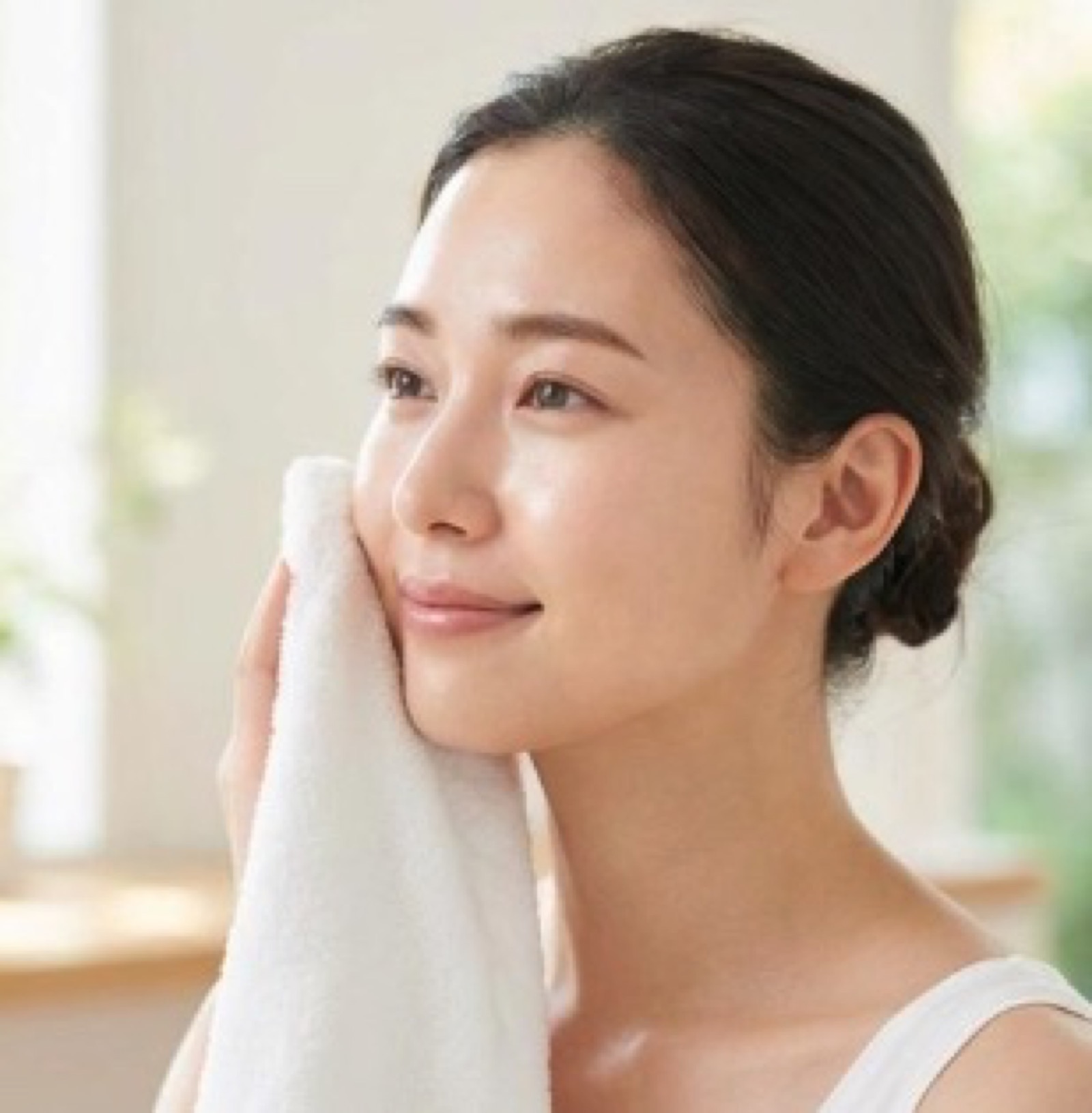
- High-Spread Watery Lotions (Kesho-sui): Opt for light, aqueous conditioning toners infused with dipotassium glycyrrhizate, green tea polyphenols, or hyaluronic acid. These quench epidermal thirst without leaving a tacky film.
- Gel-Based Emulsions: Replace heavy creams with refreshing water creams or oil-free milk gels that deliver moisture while allowing sweat to evaporate naturally.
- Meticulous Sunscreen Layering: High humidity and sweat break down conventional sunscreen films. Japanese water-resistant UV milk or lightweight gel formulas provide durable daily protection against intense photoaging.
- Gentle Sebum Clearing: Incorporate mild amino-acid cleansers or occasional enzyme powders to dissolve oxidized sebum plugs without stripping fundamental barrier lipids.
Autumn and Winter Transition: Combating Plunging Humidity and Barrier Compromise
When autumn arrives, the combination of outdoor drafts and indoor radiators leaches moisture from the epidermis. Residual summer UV damage leaves the outermost layers rough, hindering uniform product absorption.
Core Winter Strategy
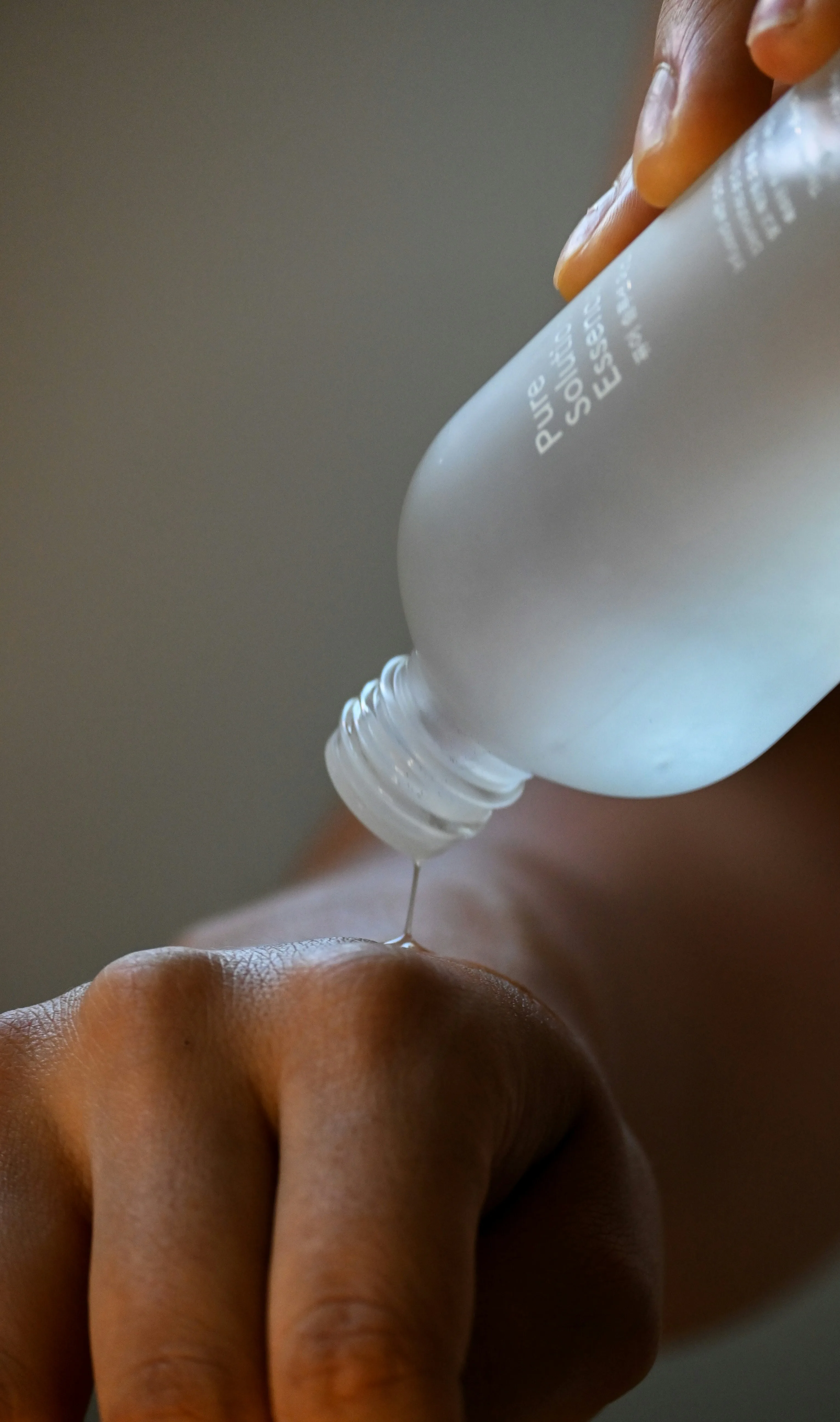
- Viscous Conditioning Toners: Transition to rich, essence-like lotions enriched with fermented rice filtrate, seaweed polysaccharide extracts, or amino acid blends that build a pliable hydration cushion.
- Ceramide-Loaded Milks (Nyueki): Reintroduce physiologic ceramides (Ceramide NP, AP, EOP) and cholesterol to support disrupted intercellular lipid lamellae.
- Occlusive Night Balms: Top daytime hydration with a thin veil of squalane oil, shea butter, or petrolatum-based moisture ointment to physically seal in water while sleeping.
- Frictionless Cleansing: Swap foaming face washes for nourishing cleansing oils or milk cleansers that melt away grime while preserving surface sebum.
Standard dermatological recommendations encourage selecting comforting moisturizers tailored to current tactile tolerance and applying them consistently twice daily.[3]
The Japanese Wardrobe Philosophy: Gradual Texture Swapping (Lotion to Cream)
A cornerstone of Japanese beauty methodology is avoiding sudden routine overhauls. Abruptly switching every step can shock vulnerable skin, triggering irritation or breakouts.
Instead, Japanese skincare experts advocate the Wardrobe Swap Method:
- Step 1: Adjust the Emulsion First: Begin by changing your daytime moisturizer. Transition from a light gel to a medium lotion, observing skin comfort for one week.
- Step 2: Upgrade Your Toner Viscosity: Once your moisturizer is adjusted, swap a watery toner for a slightly richer essence lotion.
- Step 3: Introduce a Targeted Lipid Seal: When indoor heating is turned on, introduce a drop of facial squalane or a pea-sized amount of lipid cream onto delicate areas such as cheeks and smile lines.
Climate Transition Matrix: Summer Monsoons vs. Winter Dryness
The following table summarizes how to switch key skincare steps between contrasting climatic extremes:
Scroll horizontally to view full table
| Routine Step | Humid Summer (RH > 75%) | Transitional Autumn / Spring | Dry Winter (RH < 35%) |
|---|---|---|---|
| Morning Cleanser | Gentle foaming wash or amino-acid gel | Lukewarm water rinse or mild foaming milk | Hydrating cleansing milk or water-only wash |
| Conditioning Toner | Light watery lotion (refreshing / astringent) | Layered balanced toner (2 to 3 thin coats) | Rich essence lotion (thick humectant base) |
| Targeted Serum | Vitamin C derivative or niacinamide essence | Centella soothing or fermented botanical fluid | Biomimetic ceramide or barrier peptide serum |
| Moisture Seal | Oil-free emulsion or quick-absorbing water gel | Classic balancing milk (nyueki) | Lipid-rich barrier cream or squalane veil |
| UV Protection | Sweat-resistant UV milk or waterproof gel | Hydrating daily sunscreen fluid | Moisturizing essence sunscreen with ceramides |