title: Japanese Serum Foundation: Skincare-Makeup Hybrid Guide slug: japanese-serum-foundation-skincare-makeup-hybrid category: how-japan-works published_at: 2026-11-22 updated_at: 2026-11-22 author: Seibun Lab Editorial Team hero_image: /images/stock/clear-glowing-transparent-skin-texture.webp hero_image_alt: Close-up of transparent glowing skin texture showcasing Japanese serum foundation finish meta_description: Discover why Japanese serum foundations earn global acclaim. Explore skincare-infused formulas, micro-encapsulation tech, and tips for choosing your shade. tags: ["serum foundation", "skincare makeup hybrid", "shiseido", "j-beauty base", "how-japan-works"] summary: "Explore the innovation behind Japanese serum foundations. Learn how micro-encapsulation technology merges active skincare with weightless base coverage." publish: true
Japanese Serum Foundation: Skincare-Makeup Hybrid Guide
The "Serum-First" Innovation: Japanese serum foundations use advanced micro-emulsion chemistry where skincare actives (such as fermented extracts, niacinamide, and squalane) envelop color pigments in microscopic capsules. Upon application, active skincare touches the stratum corneum first, followed by a breathable color veil.
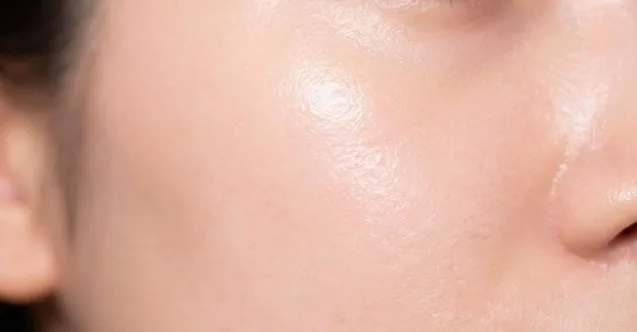
Skin Finish: Unlike heavy full-coverage Western foundations or dewy K-beauty cushions, Japanese serum foundations deliver a weightless "raw skin gloss" (*nama-hada*) that moves naturally with facial expressions without creasing.
Selection Criteria: Choose formulas based on your primary skin concern—barrier hydration, redness neutralizing, or fine-line smoothing—and check for non-comedogenic certifications if acne-prone.
The Evolution of Japanese Serum Foundations
Historically, liquid foundations relied on heavy mineral pigments held in place by volatile silicones and film-forming polymers. While these older formulations offered full coverage, they often formed an occlusive barrier that accentuated dry patches, flaked on dehydrated cheeks, and felt suffocating over long workdays.
Japanese cosmetic research approached the challenge through the lens of preventative skincare:
Traditional Liquid Foundation vs. Japanese Serum Foundation:

[ Traditional Foundation ]
Volatile Silicones + Suspended Dry Pigments + Minor Emollients
-> Sits on skin surface as a separate cosmetic mask; can dry out skin by evening.

[ Japanese Hybrid Serum Foundation ]
Active Serum Vehicle (70-80% of formula) + Micro-Encapsulated Pigment Droplets
-> Active skincare hydrates the barrier continuously while sheer pigments unify tone.
By engineering foundations where active skincare ingredients form the primary continuous phase, Japanese laboratories created bases that actually improve skin hydration metrics while worn.
Technical Innovation: How Japanese Formulation Science Works
What sets Japanese serum foundations apart from international tinted serums is the structural architecture of the emulsion.
1. The Micro-Encapsulation Barrier
In cutting-edge formulations like SHISEIDO's Revitalessence Skin Glow, the laboratory features a formulation where skincare serum envelops foundation color pigments[1]. When the fluid is smoothed over facial contours, the outermost serum layer releases into the stratum corneum first, providing immediate hydration and barrier nourishment. Only then do the micro-fine color pigments settle evenly on the surface, preventing direct pigment contact with dry crevices.
2. Barrier-Supporting Bio-Actives
Rather than relying on superficial humectants alone, premier Japanese hybrid bases are formulated with niacinamide and fermented kefir extract to support moisture barrier function[1]. Fermented rice and prebiotic extracts feed the epidermal microbiome, while niacinamide calms visible redness throughout the day.
3. Gap-Free Featherweight Coverage
A frequent misconception abroad is that serum foundations behave like sheer skin tints with zero evening power. In reality, modern Japanese chemistry delivers natural yet gap-free coverage in a liquid foundation format[1], using light-scattering optical powders that diffuse periorbital shadows and fine pores without heavy layer buildup.
Japanese Serum Foundation Categories Compared
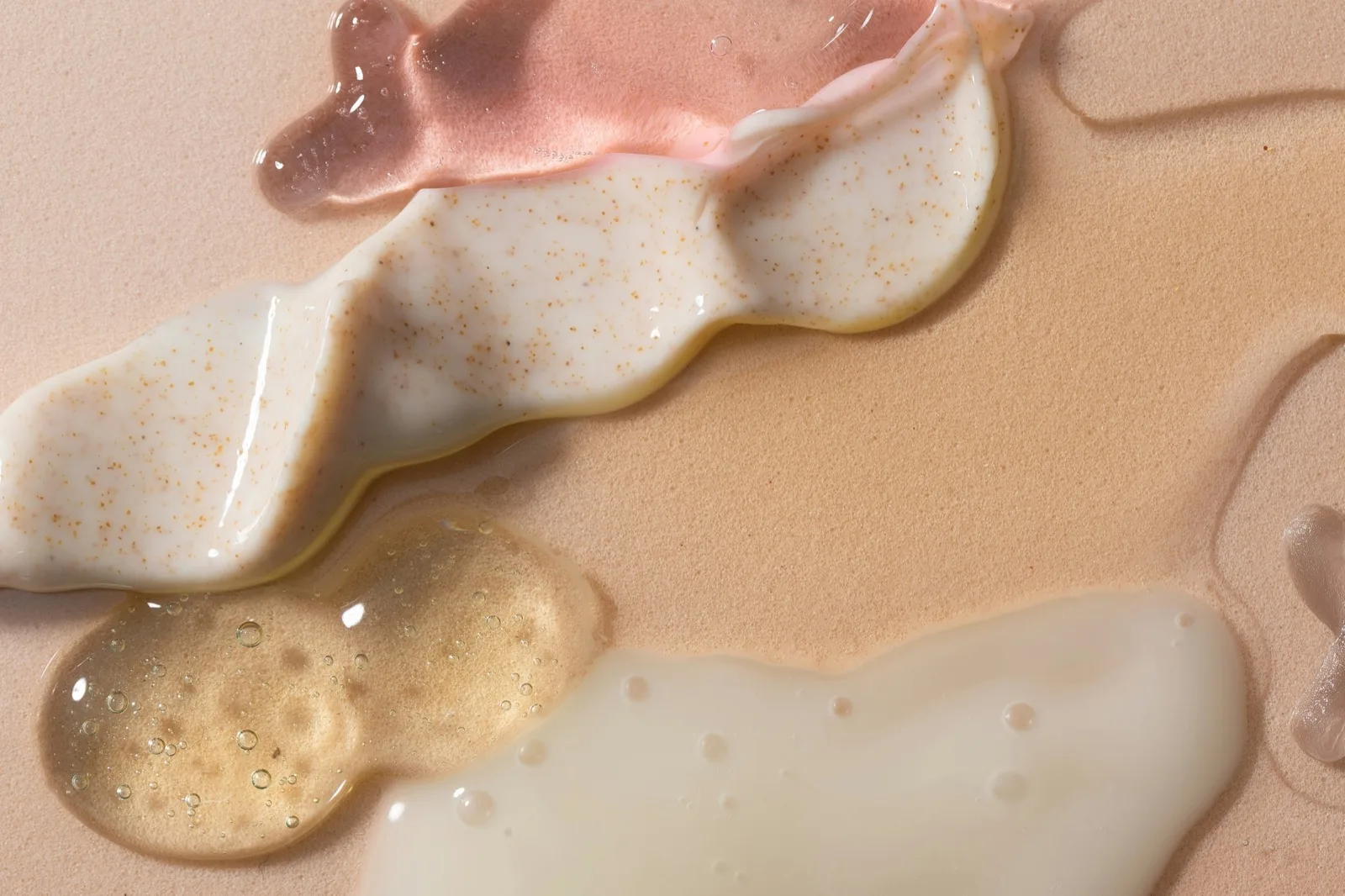
The table below summarizes the four primary classes of Japanese serum foundations available across department stores and drugstores.
Scroll horizontally to view full table
| Hybrid Foundation Type | Primary Active Ingredients | Coverage Level | Ideal Skin Condition | Representative Price (JPY) |
|---|---|---|---|---|
| Prebiotic Glow Serum | Fermented kefir extract, niacinamide | Medium buildable glow | Dehydrated, dull, or mature skin | 7,000 - 8,500 |
| Ceramide Barrier Balm | Human-type ceramides, squalane | Light-to-medium satin | Sensitive, flaking, or reactive skin | 3,500 - 5,500 |
| Botanical Water-Drop Tint | Green tea extract, hyaluronic acid | Sheer watercolor veil | Combination skin in humid weather | 2,000 - 3,200 |
| Medicinal (Quasi-Drug) Base | Tranexamic acid, dipotassium glycyrrhizate | Medium semi-matte | Hyperpigmentation-prone or acne-prone | 4,000 - 6,000 |