title: Japanese Shampoo and Conditioner Guide: How to Choose h1: "Japanese Shampoo and Conditioner Guide: How to Choose" description: "Navigate Japanese shampoos and conditioners with ease. Learn how amino acid cleansers, scalp care formulas, and hair treatments differ for optimal hair health." meta_description: Navigate Japanese shampoos and conditioners with ease. Learn how amino acid cleansers, scalp care formulas, and hair treatments differ for optimal hair health. category: "how-japan-works" slug: "japanese-shampoo-and-conditioner-guide" publish: true published_at: "2026-11-17" hero_image: "/images/stock/lebel-japanese-salon-hair-care-shampoo-treatment-bottles.jpg" hero_image_alt: "Assortment of professional Japanese salon hair care shampoo and conditioning bottles on display"
Japanese Shampoo and Conditioner Guide: How to Choose
Japanese hair care approaches scalp and hair maintenance with the same precision and gentle philosophy found in facial skincare. Rather than viewing shampoo simply as a harsh degreaser, Japanese formulations consider the scalp an extension of facial skin, prioritizing barrier defense and targeted cuticle conditioning. However, navigating the aisles of Japanese drugstores or specialty boutiques can feel overwhelming due to nuanced surfactant classifications and specific labeling terms like rinse, conditioner, and hair pack.
To choose the right Japanese hair care pairing, match the shampoo cleansing base to your scalp condition and the conditioning formula to your hair fiber porosity. Gentle amino acid-based surfactants are recommended for dry, sensitive scalps and chemically lightened hair, whereas clarifying sulfate or olefin blends suit oily, buildup-prone scalps. For conditioning, Japanese routines distinguish between light surface sealants (*rinse*), daily detangling conditioners, and rich lipid-replenishing hair packs. Always focus shampoo on the scalp while reserving conditioning creams strictly for mid-lengths to ends.
Japanese hair care considers the scalp an extension of facial skin, focusing on balanced cleansing and cuticle protection.
Understanding Japanese shampoo cleansing bases (Surfactant types)
Every shampoo functions primarily through surfactants that lift sebum, sweat, and styling residue away from the hair fiber. In technical chemistry, shampoo is a hair care product, typically in the form of a viscous liquid [1] formulated to cleanse the scalp and hair shafts. In Japan, products are categorized into three prominent cleansing families:
1. Amino acid-based cleansers (Amino-san-kei)
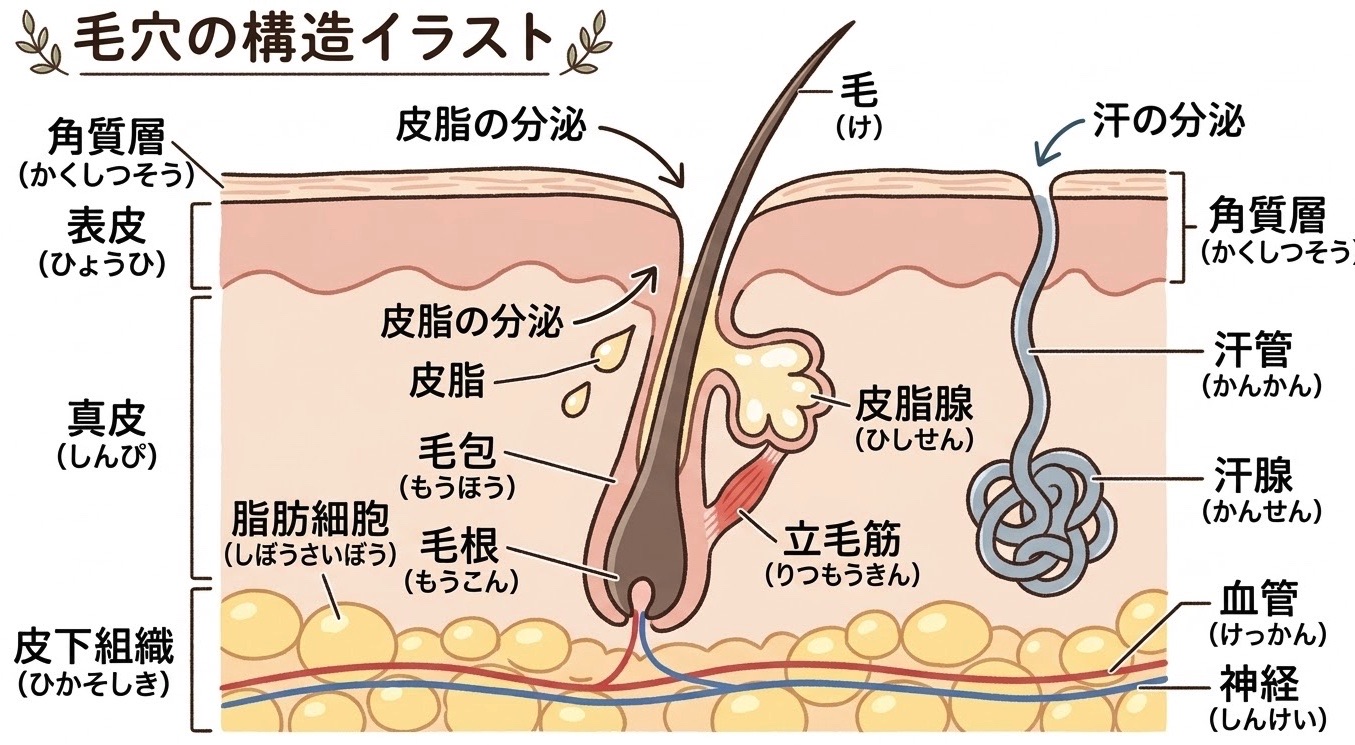
Amino acid cleansers represent the gold standard of Japanese gentle hair care. Formulated with amino acid-derived surfactants (such as sodium cocoyl glutamate, potassium cocoyl glycinate, or sodium lauroyl methylaminopropionate), these shampoos feature a mildly acidic pH that matches human skin. Because their cleansing power is exceptionally mild, they cleanse without stripping the stratum corneum, which is the outermost layer of the epidermis [4] covering the scalp. They are ideal for individuals with dry, flaky scalps, permed hair, or fine strands prone to friction damage.
2. Betaine-based cleansers (Betain-kei)
Often derived from sugar beets or coconut fatty acids (such as cocamidopropyl betaine or lauryl betaine), betaine surfactants are amphoteric agents known for low irritation and fine, stable lather. In Japanese salon formulas, betaine is frequently combined with amino acids to boost foam density while keeping the cleansing experience calm and gentle on skin.
3. Higher alcohol and olefin cleansers (Koukyu-arukooru-kei)
These formulas utilize strong cleansing surfactants such as sodium laureth sulfate or sodium C14-16 olefin sulfonate. While sometimes avoided by dry hair types, they provide necessary clarifying power for active lifestyles, oily scalps, and individuals who regularly apply heavy pomades, hairsprays, or silicones.
Concentrated Japanese hair packs provide deep lipid replenishment for porous, color-processed hair fibers.
Rinse vs conditioner vs hair pack: Decoding Japanese labels
In Western beauty markets, post-shampoo products are generally grouped under the universal term "conditioner." In Japan, however, manufacturers maintain distinct definitions across three separate product tiers:
Each individual hair strand is a protein filament that grows from follicles found in the dermis [2], composed largely of keratin fibers enclosed by overlapping cuticle scales. Japanese post-cleansing categories target specific structural layers of this hair shaft:
- Rinse (Rinsu): The most lightweight category. A traditional Japanese rinse functions primarily to coat the outermost cuticle layer, neutralizing alkaline surface charges after washing, smoothing rough cuticles, and making damp strands easy to comb through. It provides minimal internal nourishment.
- Conditioner (Kondishona): The balanced everyday category. A Japanese conditioner contains both cuticle-smoothing silicones or plant oils and light humectants that deliver moisture just beneath the cuticle layer, softening coarse textures without weighing hair down.
- Hair Pack or Intensive Mask (Toritomento / Heru-pakku): The deepest conditioning category. These concentrated emulsions contain micro-hydrolyzed keratin, ceramides, amino acid blends, and botanical lipids designed to enter porous cortex voids. They reinforce internal moisture balance and protect chemically processed or heat-damaged ends from splitting.
Understanding Japanese label distinctions helps you customize moisture delivery to your specific hair porosity.
Comparison table: Choosing the right Japanese hair care pairing
Finding harmony in your hair care routine involves pairing a shampoo that respects your scalp sebum level with a conditioning step tailored to your strand damage.
Scroll horizontally to view full table →
| Scalp & Hair Profile | Recommended Shampoo Base | Recommended Conditioning Step | Key Ingredients to Look For | Primary Hair Benefit |
|---|---|---|---|---|
| Dry, Sensitive Scalp & Damaged Ends | 100% Amino acid surfactant | Rich hair pack (2 to 3 times weekly) | Sodium cocoyl glutamate, ceramides, camellia oil | Gentle cleansing without barrier dryness or flaking |
| Oily Scalp with Normal Strands | Clarifying olefin or sulfate blend | Lightweight rinse or conditioner | Menthol, green tea extract, light betaines | Thorough sebum removal and bouncy root lift |
| Fine, Flat Hair Lacking Volume | Amino acid + Betaine combination | Weightless rinse (ends only) | Hydrolyzed silk, rice protein, botanical polymers | Clean scalp sensation with airy, non-greasy body |
| Coarse, Frizzy, or Color-Processed Hair | Moisturizing amino acid blend | Intensive conditioner + weekly mask | Argan oil, royal jelly, hydrolyzed keratin | Cuticle smoothing and humidity resistance |