Japanese Skincare for Men: Routine, Shaving & Oil Control
How Japan WorksBy Miho Tanaka
title: Japanese Skincare for Men: Routine, Shaving & Oil Control
h1: "Japanese Skincare for Men: Routine, Shaving & Oil Control"
description: "Master Japanese skincare for men. Learn how hydrating watery lotions, oil control emulsions, razor burn defense, and daily UV care build healthy skin."
meta_description: Master Japanese skincare for men. Learn how hydrating watery lotions, oil control emulsions, razor burn defense, and daily UV care build healthy skin.
category: "how-japan-works"
slug: "japanese-skincare-for-men"
publish: true
published_at: "2026-11-17"
hero_image: "/images/stock/man-applying-face-moisturizer-bathroom.jpg"
hero_image_alt: "Man applying gentle hydrating skincare lotion in front of a modern bathroom mirror"
Japanese Skincare for Men: Routine, Shaving & Oil Control
In Western grooming markets, men's products are often marketed with harsh imagery: astringent alcohol splashes that sting, gritty black charcoal scrubs, and "3-in-1" shower gels designed to wash hair, face, and boots in sixty seconds. The underlying message is that men's skin is tough, indestructible, and undeserving of delicate care.
In Japan, men's skincare (menzu suhinkeya) approaches male skin with a completely different scientific reality. Japanese dermatologists recognize that while male skin is physiologically thicker and oilier than female skin, it is also significantly more dehydrated and subject to chronic mechanical trauma from daily shaving. Rather than stripping the face with aggressive degreasers, the Japanese men's routine focuses on dense foaming cleansers, deep watery hydration (keshosui), barrier replenishment, and clean daily grooming (seiketsukan).
Quick answer: What is the Japanese approach to men's skincare?
Japanese men's skincare prioritizes restoring moisture balance to dehydrated oily skin while shielding the barrier from razor irritation. Instead of stinging alcohol aftershaves, men use a streamlined three-step sequence: dense micro-foam cleansing to lift sebum without friction; alcohol-free watery lotion (*keshosui*) packed with humectants to replenish stratum corneum hydration; and a weightless, non-greasy milk emulsion (*nyueki*) or all-in-one gel to lock in water and soothe shaving zones.
Japanese men's skincare emphasizes calming barrier hydration rather than harsh alcohol-based astringents.
The Biological Reality of Male Skin: Oilier, Thicker, Yet Dehydrated
To care for male skin effectively, one must understand its unique biological characteristics.
Driven by higher systemic testosterone and androgens, male sebaceous glands are larger and more active. Physiologically, sebum lubricates the skin and hair of mammals[1], and men produce up to twice as much surface sebum as women. This abundant lipid layer protects against superficial dryness and delays fine wrinkle formation during early adulthood.
However, clinical measurements reveal a surprising paradox: despite producing abundant surface oil, male facial skin has less than half the stratum corneum moisture content of female skin. Furthermore, male skin exhibits higher trans-epidermal water loss (TEWL).
This physiological condition is known in Japanese dermatology as inkanso (hidden dehydration or dehydrated-oily skin). When men use harsh, alcohol-laden soaps or rough exfoliating scrubs to wash away midday shine, they strip the delicate moisture barrier. The skin responds defensively by pumping out even more reactive sebum, creating a vicious cycle of shiny foreheads, clogged pores, and dehydrated underlying tissue.
The Shaving Challenge: Defending the Barrier Against Daily Friction
The second defining factor in male dermatological care is mechanical hair removal.
Fundamentally, shaving is the removal of hair, by using a razor or any other kind of bladed implement[2] drawn closely across the skin surface. Even with premium multi-blade razors or advanced electric shavers, dragging a sharp blade across the jawline and neck physically scrapes away the stratum corneum.
This outermost layer consists of flattened, terminally differentiated keratinocytes that have lost their nuclei[3] and are held together by ceramides and fatty acids. Daily shaving shears off these protective corneocytes, leaving the underlying tissue exposed to razor burn, micro-cuts, and bacterial inflammation.
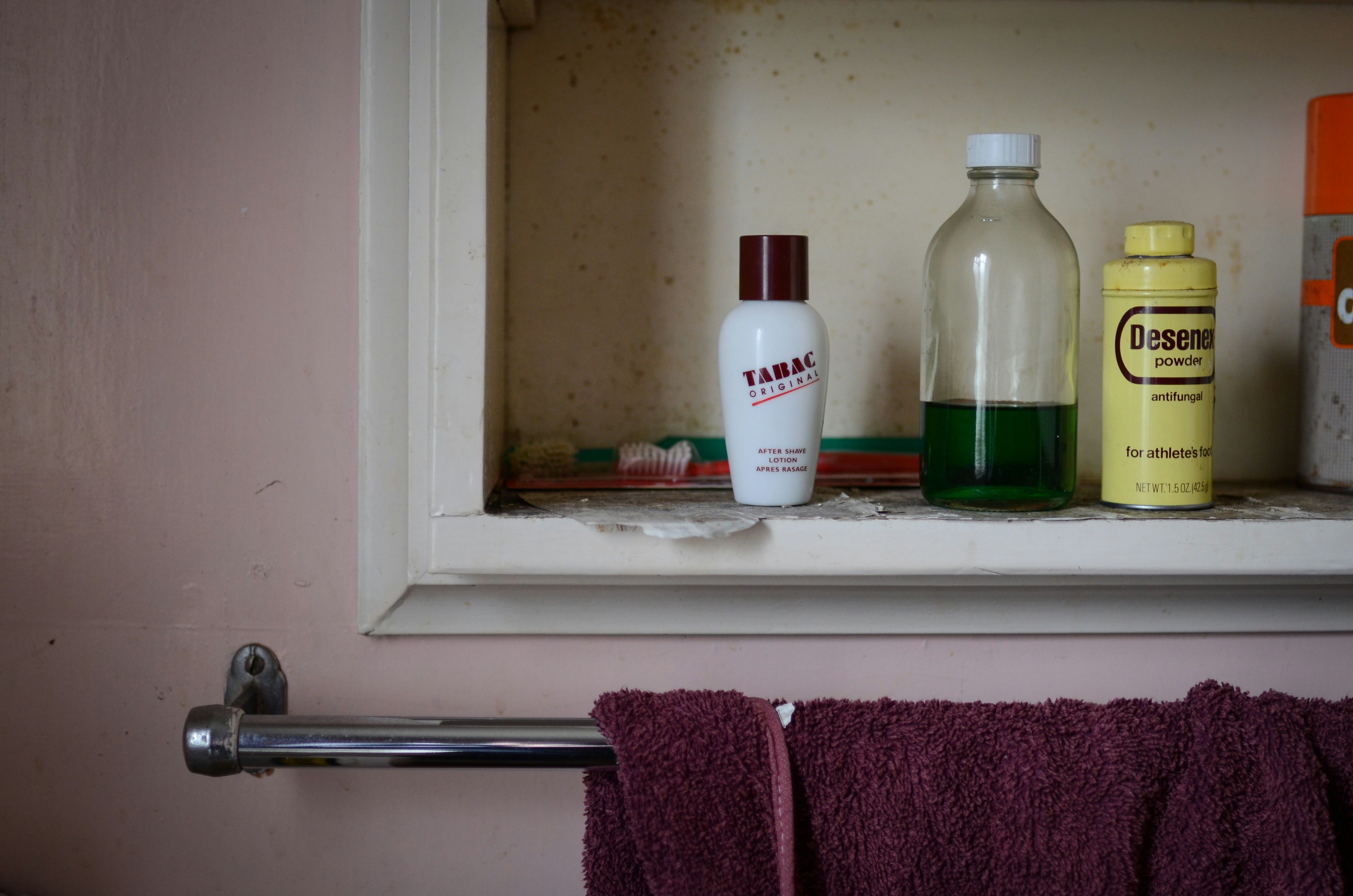
Traditional Western aftershaves rely on high concentrations of denatured alcohol to act as an astringent. While alcohol stings and sterilizes, it severely dehydrates newly scraped skin and delays natural barrier closure. Japanese grooming completely rejects stinging alcohol aftershaves. Instead, post-shave products feature barrier-soothing botanical actives—such as dipotassium glycyrrhizate from licorice root, centella asiatica, and hyaluronic acid—that extinguish micro-inflammation while immediately restoring moisture.
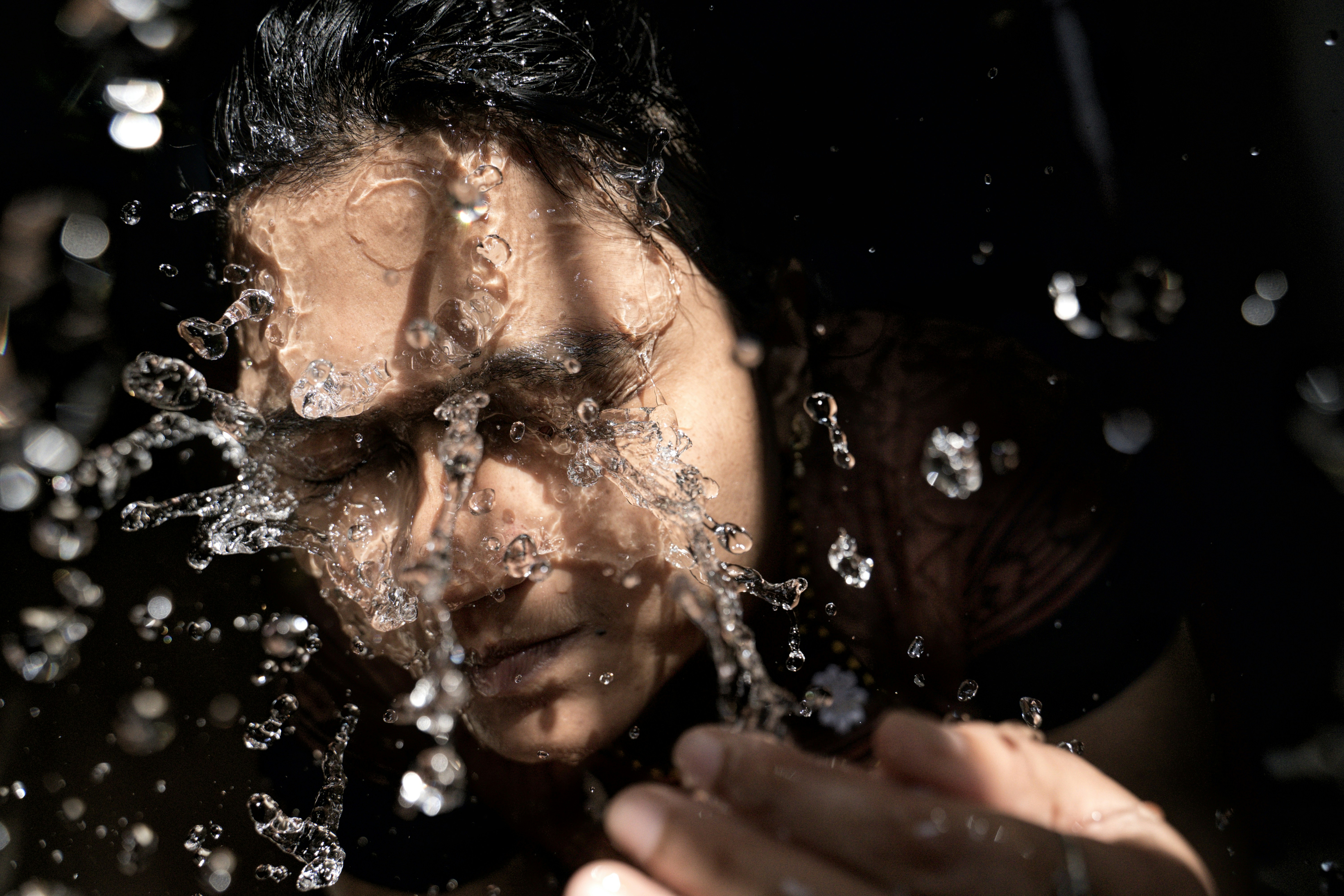
Rinsing with gentle lukewarm water protects sensitized skin from thermal shock and preserves essential barrier lipids.
Comparing Japanese Men's Skincare vs Western Men's Grooming
The differences in formulation philosophy between Japanese and Western men's lines are immediately apparent on pharmacy shelves.
Scroll horizontally to view full table
Attribute
Japanese Men's Skincare (J-Beauty)
Western Conventional Men's Grooming
Primary Mindset
Balancing internal hydration; barrier calming
Aggressive oil stripping; heavy fragrance masking
Cleanser Texture
Dense, bouncy micro-foam whipped with water
Abrasive volcanic ash scrubs, charcoal pastes
Hydration Strategy
Watery lotion (*keshosui*) flooding corneocytes
Thick heavy creams or skipping moisture entirely
Post-Shave Finish
Calming, non-sticky, alcohol-free soothing lotion
Stinging high-alcohol splash or greasy heavy balm
Daily Sun Defense
Weightless gel sunscreens worn daily for *seiketsukan*
Heavy, greasy beach sunscreens used only outdoors
The Essential 3-Step Japanese Men's Routine
Japanese skincare brands (such as Uno, Gatsby, Curel Men, and Bulk Homme) formulate intuitive routines that require under three minutes morning and evening:
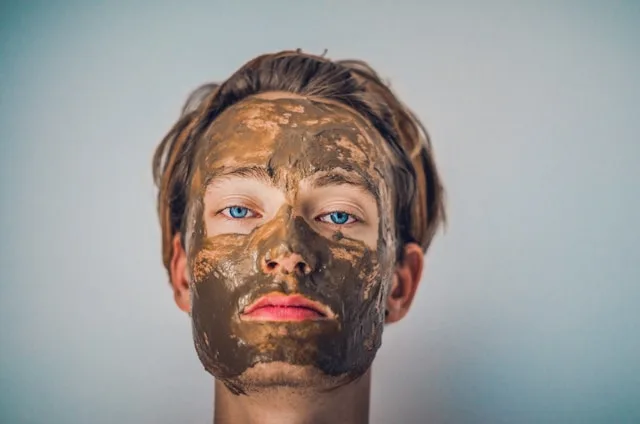
Regular self-inspection helps men spot early shaving irritation and adjust hydration layering accordingly.
Step 1: Low-Friction Foam Cleansing (Awa Sen-gan)
Never scrub bar soap directly across your face. Dispense an inch of cleansing paste into your palms, add a few drops of water, and whip it into a firm, dense foam (or use a foaming net). Place the foam cushion on your face and move your hands without letting your fingers directly touch the skin. The micro-bubbles lift excess sebum and dirt, rinsing clean without stripping.
Step 2: Replenishing Watery Lotion (Keshosui)
Immediately after patting your face dry with a clean towel, pour a nickel-sized puddle of alcohol-free conditioning lotion into your hands. Press the liquid firmly into your cheeks, forehead, and especially the shaved neck and chin areas. This delivers water-soluble humectants—such as glycerin, amino acids, and hyaluronic acid—directly into thirsty corneocytes.
Step 3: Lightweight Lipid Sealing (Nyueki or All-in-One Gel)
Water applied to bare skin evaporates rapidly unless locked in place. In Japanese formulation science, occlusives form a hydrophobic coating on the surface of the skin[4] to keep moisture in place. Apply a light fluid emulsion (nyueki) or an oil-balancing gel. These breathable formulas contain squalane and ceramides to seal in moisture without leaving a greasy shine on your forehead or smartphone screen.
The Modern J-Beauty Standard: Clean Grooming and Daily Sun Defense
In modern Japanese society, skincare among men is inextricably tied to seiketsukan (a clean, trustworthy, and well-groomed personal impression).
Japanese corporate professionals understand that an excessively oily forehead, flaky dry patches around the beard line, and sun-damaged hyperpigmentation detract from a sharp, professional appearance. Consequently, Japanese men have embraced two essential grooming habits:
Daily invisible sunscreen: UV radiation damages cellular DNA and accelerates collagen breakdown. Modern Japanese men apply lightweight, watery-gel sunscreens (such as Biore UV Aqua Rich or Nivea Men UV Protector) that dry instantly with zero white cast and zero greasy stickiness.
Subtle tone-up creams: Formulated specifically for male skin tones, non-greasy men's BB creams and tinted moisture sticks (such as Uno Face Color Creator) neutralize post-acne redness, hide razor nicks, and diffuse enlarged pores invisibly during client meetings or job interviews.
Lightweight grooming balms even out skin tone and neutralize razor redness while maintaining an undetectable natural finish.
Signs to stop and when to see a doctor
While adopting a gentle hydration routine benefits the vast majority of men, persistent shaving trauma or follicular infections require clinical medical intervention.
Discontinue over-the-counter grooming products and seek professional dermatological evaluation if you observe:
Chronic, painful red bumps and pustules concentrated in the beard growth area that flare up after every shave (hallmarks of pseudofolliculitis barbae or bacterial folliculitis)
Throbbing, hot, or expanding cystic nodules that feel warm to the touch (signs of a localized cutaneous abscess)
Severe persistent flaking, intense itching, and greasy redness around the eyebrows, mustache, or nose wings (typical indicators of seborrheic dermatitis)
Sudden, spreading facial hives or contact eczema following the application of a new grooming product
If inflammatory beard bumps or severe razor burn fail to resolve with gentle alcohol-free care, consult a board-certified dermatologist for prescription clinical therapies and medical management.
FAQ
Q1. Why do Japanese men use watery lotion (keshosui) instead of heavy creams?
A. Male skin produces abundant natural oil but lacks internal water; watery lotions replenish hydration without clogging pores.(Details)
Because men have highly active sebaceous glands, applying thick, heavy creams can suffocate pores and lead to an uncomfortably greasy sheen. However, male skin is often severely dehydrated underneath (*inkanso*). Watery lotions (*keshosui*) deliver pure water-soluble humectants like hyaluronic acid and amino acids deep into the stratum corneum without adding unwanted surface grease.
Q2. Is an all-in-one gel good enough for a beginner male skincare routine?
A. Yes; Japanese all-in-one gels combine lotion, emulsion, and serum into a single lightweight step ideal for busy mornings.(Details)
Japanese cosmetic brands like *Uno* and *Hada Labo* excel at engineering multifunctional hydrogels. These formulas suspend micro-droplets of moisturizing lipids inside a water-rich gel mesh. A single dime-sized dollop applied after washing delivers both the hydration of a lotion and the sealing protection of an emulsion in under ten seconds.
Q3. Can oily male skin skip moisturizer in hot, humid weather?
A. No; skipping moisturizer causes surface water to evaporate, triggering the skin to produce even more reactive oil.(Details)
When you cleanse your face and apply nothing, trans-epidermal water loss accelerates rapidly. The skin's sebaceous glands interpret this dehydration as barrier distress and compensate by secreting excess sebum. Using a nickel-sized amount of an oil-free, lightweight fluid emulsion locks in hydration, keeping your complexion matte and balanced throughout the day.
Q4. What ingredients should men look for to soothe razor burn?
A. Look for dipotassium glycyrrhizate, centella asiatica (cica), aloe vera, and ceramides in alcohol-free bases.(Details)
Dipotassium glycyrrhizate (derived from licorice root) is an approved medicated active ingredient in Japan celebrated for calming cutaneous redness without drying. When combined with barrier-replenishing ceramides and soothing botanical extracts, it extinguishes shaving irritation quickly and supports natural tissue renewal.
Q5. Do Japanese men really wear sunscreen every day?
A. Yes; daily sunscreen use has become a standard grooming practice among Japanese men of all ages.(Details)
Driven by an awareness of photoaging, hyperpigmentation, and corporate grooming standards, Japanese men routinely incorporate UV protection into their morning hygiene. Japanese cosmetic companies specifically design men's sunscreens to be invisible, fast-absorbing, and sweat-resistant, leaving a shine-free matte touch that feels like wearing nothing at all.
Summary
Address hidden dehydration: Male skin produces abundant sebum but often lacks essential internal water; hydration-focused lotions rebalance the barrier.
Ditch stinging aftershaves: Alcohol splashes irritate newly scraped skin; switch to soothing, alcohol-free lotions packed with licorice extract and ceramides.
Whip a micro-foam cushion: Dense foaming washes lift dirt and oil without friction, preventing micro-abrasions and redness.
Seal with lightweight emulsions: A non-greasy milk emulsion or all-in-one gel locks in water without leaving a heavy, sticky residue.
Prioritize seiketsukan: Daily broad-spectrum UV protection and clean grooming habits protect skin resilience and project a polished professional impression.
Disclaimer: This article is for general information and education about Japanese cosmetics and their labels. It is not a substitute for professional medical advice, diagnosis, or treatment. Skincare results vary from person to person. Product formulas, availability, prices, and regulations change, and products sold in Japan can differ from versions sold elsewhere, so always check the current label. Do a patch test before introducing a new product, and consult a doctor or dermatologist if you have a skin condition or specific concerns.