title: Japanese Skincare Myths Debunked: Facts Behind J-Beauty description: "Debunk common Japanese skincare myths with cosmetic science. Learn the facts on double cleansing, bihaku brightening, pore steaming, and routine steps." meta_description: Debunk common Japanese skincare myths with cosmetic science. Learn the facts on double cleansing, bihaku brightening, pore steaming, and routine steps. published_at: "2026-11-17" updated_at: "2026-11-17" fact_checked_at: "2026-11-17" author: "Miho Tanaka" category: "how-japan-works" slug: "japanese-skincare-myths-debunked" thumbnail: "/images/stock/dermatologist-vs-chemist-mirror-reflection-care.jpg" thumbnail_alt: "Woman examining her facial skin in a mirror reflecting cosmetic science and skincare myth verification" affiliate: false ja_equivalent: null publish: true
Japanese Skincare Myths Debunked: Facts Behind J-Beauty
As Japanese cosmetics (J-Beauty) gained global popularity over the last decade, social media algorithms frequently distorted its core principles. Viral videos often depict Japanese beauty routines as elaborate 10-step rituals requiring daily double cleansing, aggressive pore opening, or mysterious lightening agents.
In reality, authentic Japanese dermatology and cosmetic formulation prioritize minimalism, physiological barrier defense, and prevention. By examining cosmetic chemistry and skin biology, we can separate marketing hyperbole from genuine Japanese skincare science.
The most common misconceptions about Japanese skincare include the belief that it demands a complicated 10-step routine, that double cleansing is mandatory twice daily, and that *bihaku* products alter genetic skin tones. In truth, genuine J-Beauty emphasizes "subtraction care" (*hikizan biyoh*)—often using only lotion, emulsion, and sunscreen. Double cleansing is recommended only when wearing makeup or waterproof sunscreen, and *bihaku* refers strictly to preventing future UV-induced pigmentation rather than altering native complexion.
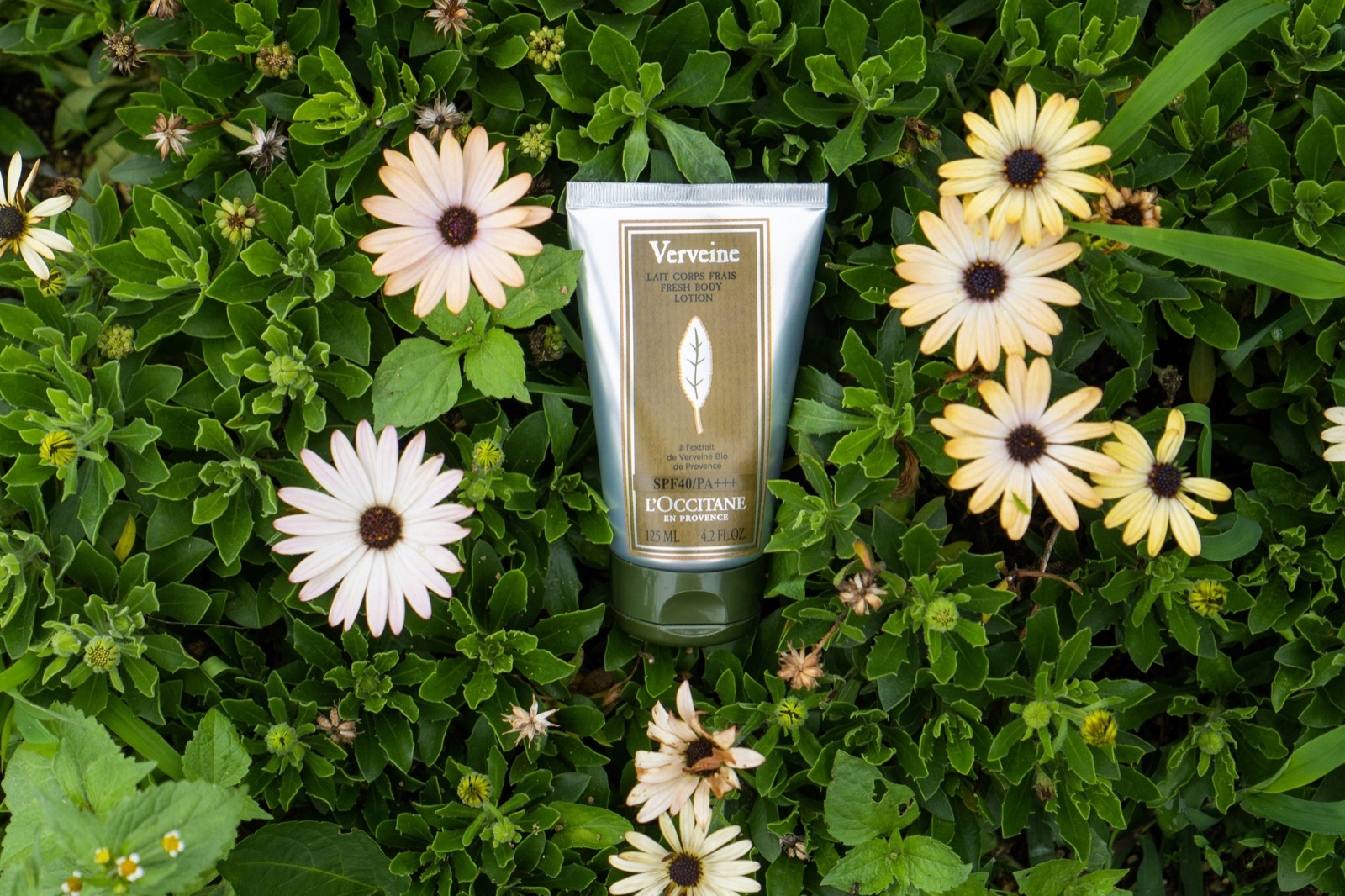
Separating social media skincare myths from dermatological reality protects the natural moisture barrier from unnecessary strain.
Myth 1: "Japanese Skincare Requires an Exhausting 10-Step Daily Routine"
The Misconception
Many international beauty blogs conflate Japanese skincare with multi-step K-Beauty trends, claiming that Japanese women spend an hour every morning and evening layering ten distinct products onto their faces.
The Scientific Reality
Traditional and modern Japanese skincare centers on "subtraction beauty" (hikizan biyoh)—using the fewest functional products necessary to support skin health.
The biological priority is preserving the stratum corneum—the outermost protective shield of flattened, terminally differentiated keratinocytes[1]. Over-layering multiple concentrated essences and serums over-hydrates the intercellular lipid matrix, weakening cellular cohesion and triggering irritation.
For the vast majority of Japanese consumers, a foundational daily routine consists of only three or four steps:
- Gentle cleansing (or water splash in the morning)
- Watery lotion (kesho-sui)
- Balancing milk emulsion (nyueki)
- Daytime sunscreen
Myth 2: "Double Cleansing Is Mandatory Every Single Day"
The Misconception
A widespread assumption holds that everyone practicing Japanese skincare must use a cleansing oil followed by a foaming wash every single night, regardless of lifestyle or skin type.
The Scientific Reality
Double cleansing was originally popularized by Japanese geisha and stage performers in the Edo and Meiji eras to dissolve thick, wax-based white stage paint (kabuki oshiroi).
In modern life:
- When it is needed: Double cleansing is beneficial when wearing full makeup, waterproof mascara, or heavy silicone-based mineral sunscreens.
- When to skip it: On bare-faced days, or when wearing modern Japanese water-washable sunscreens, a single gentle amino-acid foam wash is completely sufficient.
- The risk of over-cleansing: Subjecting dry or sensitive skin to dual surfactant washes daily strips away native ceramides and fatty acids, inducing inner dryness (innaa dorai).
Checking ingredient lists helps identify whether a daily sunscreen is soap-washable or requires oil-cleansing removal.
Myth 3: "Bihaku Products Artificially Change Your Complexion"
The Misconception
Because the Japanese term bihaku literally translates to "beautiful white," foreign shoppers frequently mistake these products for harsh chemical agents designed to alter natural skin pigmentation.
The Scientific Reality
In Japanese quasi-drug (iyaku-bugaihin) regulations, bihaku has a very narrow, legally defined scope: preventing new dark spots and freckles caused by sun exposure.
Biologically, melanin is a family of biomolecules organized as oligomers or polymers[2] that protect cellular DNA from ultraviolet radiation. Japanese bihaku actives do not destroy natural melanin or chemically alter skin cells. Instead, they operate through subtle preventative pathways:
- Tranexamic acid: Calms inflammatory prostaglandin signals that tell melanocytes to overproduce pigment after sun exposure.
- Vitamin C derivatives: Scavenge free radicals and prevent oxidized pigment from darkening.
- Niacinamide: Inhibits the transfer of melanosomes to keratinocytes.
Bihaku formulas restore skin to its natural, even baseline tone; they cannot and do not alter an individual's genetically determined skin color.
Myth 4: "Pores Open with Warm Steam and Close with Cold Water"
The Misconception
Many beauty routines recommend steaming the face to "open pores" before extraction, followed by splashing freezing water or rubbing ice cubes to "snap pores shut."
The Scientific Reality
Facial pores do not contain muscle fibers. A pore is simply the surface opening of a hair follicle connected to a sebaceous gland—a microscopic exocrine gland[3] in the dermis. Because pores lack muscles, they physically cannot dilate or constrict like a camera aperture.
What warm water and steam actually do is soften hardened sebum plugs and keratinized debris, making gentle cleansing more effective. Cold water temporarily reduces surface blood flow and tightens skin tissue slightly through vascular constriction, creating a fleeting sensation of firmness, but it does not alter structural pore dimensions.
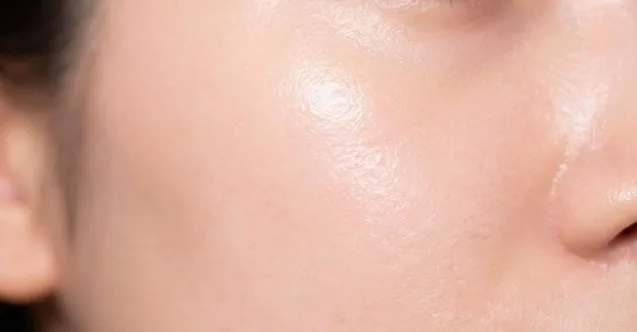
Healthy Japanese skin is characterized by smooth, hydrated clarity rather than unrealistic "pore-less" illusions.
Myth 5: "Japanese Sunscreens Are So Advanced You Never Need to Reapply"
The Misconception
Because Japanese sunscreens are celebrated for their elegant watery textures and friction-proof polymers (Tough Boost), some consumers believe a single morning application provides all-day immunity from UV radiation.
The Scientific Reality
A sunscreen is a photoprotective topical product[4] that absorbs or reflects solar UV radiation. While Japanese UV filters (like Tinosorb S, Uvinul A Plus, and modern film-formers) boast exceptional photostability:
- Physical breakdown: Natural sebum secretion, facial perspiration, unconscious face touching, and clothing friction gradually disrupt the protective chemical lattice across 2 to 3 hours.
- Standard testing parameters: SPF and PA ratings are evaluated under laboratory standards using 2.0 mg of product per square centimeter of skin. Most everyday users apply less than half that amount.
- Reapplication remains essential: For continuous outdoor activity or intense sunlight exposure, reapplying every two hours—using liquid sunscreen, a cushion compact, or a translucent UV powder—remains essential regardless of brand prestige.
Comparison Table: Skincare Myth vs Cosmetic Science
Scroll horizontally to view full table
| Topic | Widespread Social Media Myth | Dermatological Science Reality |
|---|---|---|
| Routine Steps | 10+ steps are mandatory for glowing skin | Minimalist 3-4 steps prevent barrier overload and friction |
| Double Cleansing | Mandatory every single day for everyone | Only necessary when wearing makeup or waterproof sunscreen |
| Bihaku (Brightening) | Artificially alters native skin color | Prevents future UV-induced pigmentation and evens tone |
| Pore Mechanics | Pores open with steam and snap shut with cold water | Pores lack muscles; steam merely softens sebum plugs |
| Sunscreen Durability | High-tech Japanese SPF lasts all day without reapplication | Sebum, sweat, and friction require reapplication every 2 hours outdoors |