Japanese Sleep Routines & Skin Recovery: Night Ritual Guide
How Japan WorksBy Miho Tanaka
slug: japanese-sleep-routine-and-skin-recovery
title: Japanese Sleep Routines & Skin Recovery: Night Ritual Guide
meta_description: Explore Japanese sleep routines for skin recovery: circadian rhythms, the golden time myth, bath temperature rituals, and nighttime skincare layering.
date: "2026-11-17"
category: how-japan-works
tags:
sleep routine
skin recovery
Japanese beauty rituals
ofuro bath
nighttime skincare
Japanese Sleep Routines & Skin Recovery: Night Ritual Guide
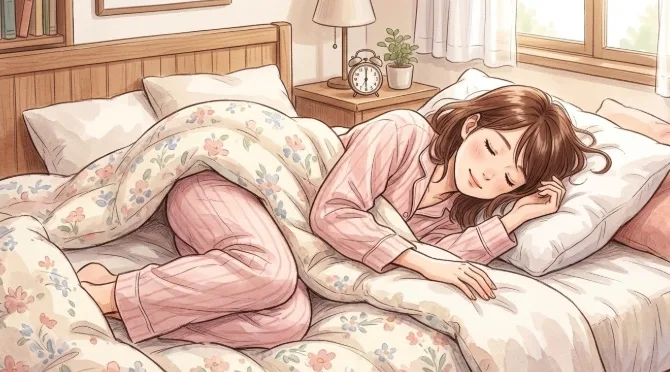
In Japanese beauty culture, nighttime is considered the most critical window for physical restoration and complexion renewal. Known as bihada-suimin (beauty sleep), the relationship between restful slumber and healthy skin is approached not merely as passive rest, but as an intentional multi-step evening ritual designed to synchronize internal circadian rhythms with cutaneous recovery.
While modern lifestyles often compromise rest, Japanese dermatologists and chronobiologists emphasize that skin physiology shifts dramatically after sunset. During sleep, cellular division in the basal epidermis reaches its daily peak, blood flow to facial capillaries increases, and natural barrier lipid production accelerates. Understanding the chronobiology behind Japanese evening habits—from thermal bath timing to nocturnal moisture barrier sealing—offers practical strategies to wake up with calm, radiant skin.
Quick answer: How do Japanese sleep routines support skin recovery?
Japanese sleep philosophy prioritizes sleep architecture and core body temperature regulation over rigid adherence to the outdated 10 PM to 2 AM "golden time" myth. By taking a 40°C warm bath approximately 90 minutes before bed, the body initiates a rapid core temperature decline that prompts restorative slow-wave sleep. During this deep initial phase, human growth hormone peaks, coordinating cellular renewal and reinforcing moisture barrier lipids when supported by nourishing nighttime skincare.
Chronobiology: How skin physiology changes at night
Cutaneous tissue does not maintain a static physiological state throughout the 24-hour day; rather, it follows strict circadian rhythms governed by peripheral clock genes present in keratinocytes, fibroblasts, and melanocytes[1].
Scroll horizontally to see more
Phase
Optimal Timing
Key Action / Ritual
Cutaneous & Physiological Impact
Thermal Preparation
90 min before bed
Warm ofuro soaking (38°C–40°C for 10–15 min)
Dilates peripheral microvessels; initiates gradual core body temperature decline
Barrier Sealing
Within 3–5 min post-bath
Hydrating lotion followed by emulsion or rich night cream
Locks in hydration; buffers against naturally elevated nocturnal transepidermal water loss (TEWL)
Melatonin Onset
30–60 min before bed
Dim amber lighting, digital screen curfew
Facilitates pineal melatonin secretion; calms sympathetic autonomic nerve tone
Gentle lukewarm cleanse followed by daytime UV defense
Clears oxidized nocturnal sebum without stripping intercellular ceramide bilayers
Debunking the 10 PM to 2 AM "Golden Time" myth
For decades, Japanese beauty magazines popularized the notion of the ougon no jikan (golden time)—the belief that skin renewal occurs exclusively between 10:00 PM and 2:00 AM[2]. Contemporary sleep medicine and dermatological research have clarified this mechanism:
Sleep architecture over clock time: The release of human growth hormone (HGH)—the primary endocrine messenger stimulating protein synthesis and tissue renewal—is not locked to specific wall-clock hours. Instead, roughly 70% of daily HGH is secreted during the first cycle of slow-wave (non-REM stage 3) sleep, typically occurring within the first 90 to 120 minutes after falling asleep.
The critical first three hours: Whether you fall asleep at 10:30 PM or midnight, experiencing deep, uninterrupted slumber during the first three hours is what truly dictates hormonal release and subsequent epidermal recovery.
The 90-minute bath ritual: Mastering core temperature
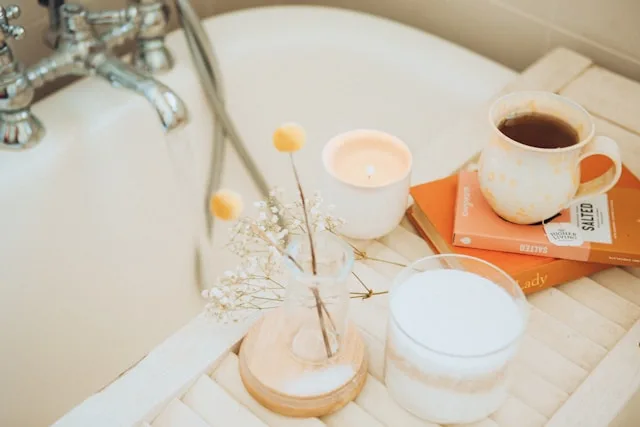
A cornerstone of Japanese evening routines is the nightly soaking bath (ofuro), taken not merely for cleanliness but as a deliberate thermal tool to orchestrate restorative sleep[3].
The physiological rationale lies in the body's thermoregulatory rhythm:
Peripheral Vasodilation: Soaking in water heated to 38°C–40°C (100°F–104°F) for 10 to 15 minutes gently warms the core body temperature by approximately 0.5°C while opening capillary networks in the hands, feet, and face.
Accelerated Heat Dissipation: Once you exit the bath, the dilated peripheral blood vessels rapidly radiate thermal energy to the surrounding air, causing the internal core temperature to plunge downward over the next 60 to 90 minutes.
Melatonin and Sleep Induction: This rapid downward slope in core body temperature acts as an unambiguous physiological trigger to the brain's pineal gland, accelerating melatonin production and producing natural drowsiness.
Timing your warm bath to conclude approximately 90 minutes before your planned bedtime enables you to enter deep slow-wave sleep swiftly, maximizing nocturnal cellular recovery.
While nighttime promotes cellular proliferation, it also presents a significant challenge to skin barrier function: transepidermal water loss (TEWL) rises significantly during sleep[4].
Because the sympathetic nervous system downshifts and skin temperature rises slightly under warm bedcovers, moisture evaporates from the stratum corneum at higher rates than during the daytime. To counteract this nighttime dehydration, Japanese skincare emphasizes structured moisture-locking layers:
Hydration Infusion (Keshosui): Patting generous amounts of humectant-rich lotion (formulated with glycerin, hyaluronic acid, or amino acids) recharges the water reservoir within thirsty superficial keratinocytes.
Lipid Replenishment (Nyueki): Applying a fluid emulsion balances the moisture-oil ratio, distributing ceramides, squalane, or plant lipids across the skin surface.
Occlusive Moisture Barrier (Kurimu / Sleeping Pack): For dry or mature complexions, sealing the surface with a rich cream or leave-on sleeping mask creates a semi-permeable film. This barrier prevents ambient bedroom air (especially from seasonal heating or air conditioning) from pulling moisture out of the epidermis overnight.
Evening habits for optimal complexion recovery
To translate Japanese sleep principles into your lifestyle, consider these foundational nighttime habits:
Maintain consistent sleep timing: Going to sleep and waking at similar times stabilizes your internal circadian clock, ensuring predictable peaks in nocturnal epidermal recovery.
Adopt dim, warm lighting 60 minutes before bed: Switch from harsh overhead fluorescent lights to warm amber lamps (under 2,700 Kelvin) to avoid suppressing nocturnal melatonin secretion.
Keep bedroom temperatures cool: Sleep in a room ventilated between 18°C and 21°C (64°F–70°F). Excessive bedroom heat causes perspiration that disrupts skin pH and disturbs deep sleep cycles.
Hydrate lightly before resting: Sip a small cup of warm, caffeine-free roasted barley tea (mugicha) or chamomile tea to prevent nocturnal systemic dehydration without triggering midnight bathroom awakenings.
Signs to stop and when to see a doctor
While optimizing sleep habits supports general skin health and barrier function, chronic dermatological conditions or sleep disorders require professional medical evaluation. Consult a board-certified physician or sleep specialist if you experience:
Chronic intractable insomnia or non-restorative sleep: Inability to fall or stay asleep lasting longer than three consecutive weeks, severe daytime exhaustion, or signs of obstructive sleep apnea (loud snoring, gasping).
Severe nocturnal cutaneous pruritus (itching): Intense itching that awakens you from sleep, which may indicate atopic dermatitis, scabies, systemic endocrine conditions, or hepatic complications.
Sudden morning facial edema or periorbital swelling: Unexplained puffiness around the eyes or lower extremities that does not resolve within an hour of rising, potentially signaling renal or cardiovascular dysfunction.
Persistent dermatological flares: Active cystic breakouts, severe rosacea flushing, or widespread rashes that fail to stabilize despite consistent sleep hygiene and gentle skincare.
Sleep hygiene complements comprehensive wellness but cannot replace clinical therapies for chronic sleep pathologies or acute inflammatory skin diseases[5].
FAQ: Japanese Sleep Routines & Skin Recovery
Q1. Is the famous Japanese "skin golden time" (10 PM to 2 AM) medically accurate?
A. Not strictly; sleep research confirms that growth hormone release depends on sleep depth rather than the clock hour.(Details)
While the popular myth claimed cellular renewal occurs solely between 10 PM and 2 AM, chronobiologists have demonstrated that human growth hormone (HGH) secretion peaks during the first 90 to 120 minutes of deep slow-wave sleep, regardless of the exact hour you go to bed. Getting uninterrupted, high-quality sleep during your initial sleep cycle is far more critical than forcing yourself to sleep at 10 PM.
Q2. Why does skin often feel drier in the morning than at night?
A. Transepidermal water loss (TEWL) naturally accelerates overnight due to elevated skin temperature and lower sebum production.(Details)
At night, cutaneous blood flow increases and epidermal permeability rises, leading to increased evaporation of water across the stratum corneum. Furthermore, sebaceous gland activity drops during sleep, reducing the natural lipid shield. Applying an occlusive moisturizer or night cream before sleeping creates a protective seal that minimizes overnight dehydration.
Q3. Can a warm shower replace the Japanese deep bath (ofuro) ritual?
A. A shower provides cleansing, but full-body immersion is vastly more effective at inducing core temperature drop.(Details)
Full-body soaking in an *ofuro* provides hydrostatic pressure and uniform thermal warming that warms internal organs efficiently. While a warm shower is beneficial, it dissipates heat too quickly to produce the significant core temperature drop required for deep melatonin onset. If a full bath is impossible, a 15-minute warm foot bath (*ashiyu*) provides a similar thermoregulatory effect.
Q4. Should I sleep with heavy occlusive creams or sleeping masks every night?
A. Adjust occlusive thickness according to your skin type and seasonal bedroom humidity levels.(Details)
Individuals with dry, mature, or barrier-compromised skin benefit from nightly rich creams to buffer against moisture evaporation, especially in dry winter environments or air-conditioned rooms. However, those with oily or blemish-prone complexions should opt for lightweight gel-creams or hydrating emulsions containing ceramides and squalane to avoid follicular occlusion.
Q5. How many hours of sleep are ideal for maintaining healthy skin barrier function?
A. Most clinical studies observe optimal barrier resilience and epidermal recovery at 7 to 8 hours of sleep per night.(Details)
Research published in clinical dermatology journals indicates that individuals sleeping fewer than 6 hours per night exhibit significantly higher transepidermal water loss, slower barrier recovery following tape-stripping challenges, and diminished self-perception of skin health. Aiming for 7 to 8 hours of consistent, uninterrupted sleep provides sufficient cycles for comprehensive cellular renewal.
Summary
Chronobiological Shift: Cutaneous cell division, blood flow, and barrier lipid synthesis naturally accelerate during nocturnal hours.
Beyond the Myth: Growth hormone release is tied to the first 90–120 minutes of deep slow-wave sleep, not rigid wall-clock hours.
The 90-Minute Bath Rule: Taking a 40°C warm ofuro soaking bath 90 minutes before bed initiates a rapid core temperature drop that promotes restorative sleep.
Defending Against Night TEWL: Applying humectant lotions sealed with emulsions or night creams prevents elevated overnight water evaporation.
Consistent Rest Architecture: Prioritizing 7–8 hours of regular, cool, and dim-lit sleep provides the foundational biological environment for healthy skin recovery.
References
Matsui MS, Pelle E, Dong K, Pernodet N. Biological rhythms in the skin. Int J Mol Sci. 2016;17(6):801.
Takahashi Y, Kipnis DM, Daughaday WH. Growth hormone secretion during sleep. J Clin Invest. 1968;47(9):2079-2090.
Haghayegh S, Khoshnevis S, Smolensky MH, Diller KR, Castriotta RJ. Before-bedtime passive body heating by warm shower or bath to improve sleep: A systematic review and meta-analysis. Sleep Med Rev. 2019;46:124-135.
Yosipovitch G, Sackett-Lundeen L, Goon A, Leok G, Haus E. Circadian rhythms of skin characteristics in healthy human subjects. J Invest Dermatol. 2004;122(3):852-853.
Oyetakin-White P, Suggs A, Koo B, et al. Does poor sleep quality affect skin ageing? Clin Exp Dermatol. 2015;40(1):17-22.
Disclaimer: This article is for general information and education about Japanese cosmetics and their labels. It is not a substitute for professional medical advice, diagnosis, or treatment. Skincare results vary from person to person. Product formulas, availability, prices, and regulations change, and products sold in Japan can differ from versions sold elsewhere, so always check the current label. Do a patch test before introducing a new product, and consult a doctor or dermatologist if you have a skin condition or specific concerns.