title: Japanese Stress Relief and Beauty Rituals: Daily Guide h1: "Japanese Stress Relief and Beauty Rituals: Daily Guide" description: "Discover how Japanese stress relief and beauty rituals support skin health. Learn the benefits of evening bath soaking, mindful walking, and calming tea habits." meta_description: Discover how Japanese stress relief and beauty rituals support skin health. Learn the benefits of evening bath soaking, mindful walking, and calming tea habits. category: "how-japan-works" slug: "japanese-stress-relief-and-beauty-rituals" publish: true published_at: "2026-11-17" hero_image: "/images/stock/woman-relaxed-spa-flower-petals-skincare.jpg" hero_image_alt: "Woman enjoying a calm, restorative spa ritual surrounded by floral petals and warm ambient lighting"
Japanese Stress Relief and Beauty Rituals: Daily Guide
In Japanese holistic wellness, skin vitality is viewed as a direct reflection of inner physical harmony and emotional equilibrium. Rather than isolating skincare to topical creams alone, traditional beauty wisdom emphasizes daily lifestyle habits that soothe the nervous system. By integrating calming evening baths, nature-focused outdoor strolls, and mindful tea breaks, Japanese stress relief rituals help protect the epidermal barrier from the damaging physiological fallout of everyday tension.
In Japanese holistic wellness, radiant skin is deeply tied to emotional tranquility and autonomic balance. Everyday rituals—such as evening tub soaking (*ofuro*), mindful neighborhood walking or forest immersion (*shinrin-yoku*), and warm green tea breaks—downregulate physiological stress responses. By moderating chronic cortisol levels and activating parasympathetic recovery, these calming habits support skin barrier recovery, improve peripheral microcirculation, and reduce stress-induced inflammatory flare-ups.
Traditional Japanese beauty philosophies link emotional calmness and mindful daily rituals directly with skin vitality.
The mind-skin connection: How chronic stress affects the epidermal barrier
Modern dermatological research increasingly corroborates what Japanese self-care traditions have observed for generations: psychological stress rapidly alters skin physiology. Under prolonged tension, the hypothalamic-pituitary-adrenal axis releases excess systemic stress hormones, most notably cortisol. In endocrinology, cortisol is a steroid hormone in the glucocorticoid class of hormones [2] that regulates metabolism and immune responses.
When cortisol remains chronically elevated, it impairs epidermal lipid synthesis, degrading essential ceramides and delaying natural skin barrier recovery. This hormone imbalance can stimulate sebaceous glands to overproduce sebum while simultaneously reducing surface hydration, leading to adult blemish flares and rough, irritated texture.
Conversely, intentional relaxation practices engage the parasympathetic nervous system. Biologically, the parasympathetic division is one of the three divisions of the autonomic nervous system [3] responsible for resting, digestion, and systemic renewal. When the parasympathetic branch dominates, peripheral blood vessels dilate gently, enhancing nutrient delivery to superficial capillaries and supporting nocturnal cellular recovery.
Restful evening habits lower stress hormones and encourage vital nocturnal barrier recovery.
Core Japanese stress relief rituals for healthy skin
Japanese lifestyle culture embeds stress relief directly into everyday routines through three primary sensory practices:
1. Evening Ofuro (Warm tub soaking)
Unlike quick standing showers focused solely on hygiene, the Japanese evening bath (ofuro) is a dedicated decompression ritual. Soaking in lukewarm water—typically maintained between 38°C and 40°C (100°F to 104°F) for 10 to 15 minutes—induces hydrostatic pressure that eases muscle stiffness and stimulates peripheral blood flow. This gentle rise in core body temperature followed by a natural post-bath cooling cycle signals the brain to prepare for deep, restorative sleep.
2. Mindful outdoor walking and Shinrin-yoku
The Japanese concept of shinrin-yoku, often translated as forest bathing, is a practice or process of therapeutic relaxation where one spends time in a forest or natural atmosphere [1]. While mountain retreats provide pristine greenery, urban dwellers adapt this principle through mindful morning or lunchtime strolls through neighborhood parks, shrines, or tree-lined residential avenues. Observing shifting seasonal foliage and breathing outdoor air helps lower salivary cortisol and resting pulse rates.
3. Mindful tea breaks (Ocha)
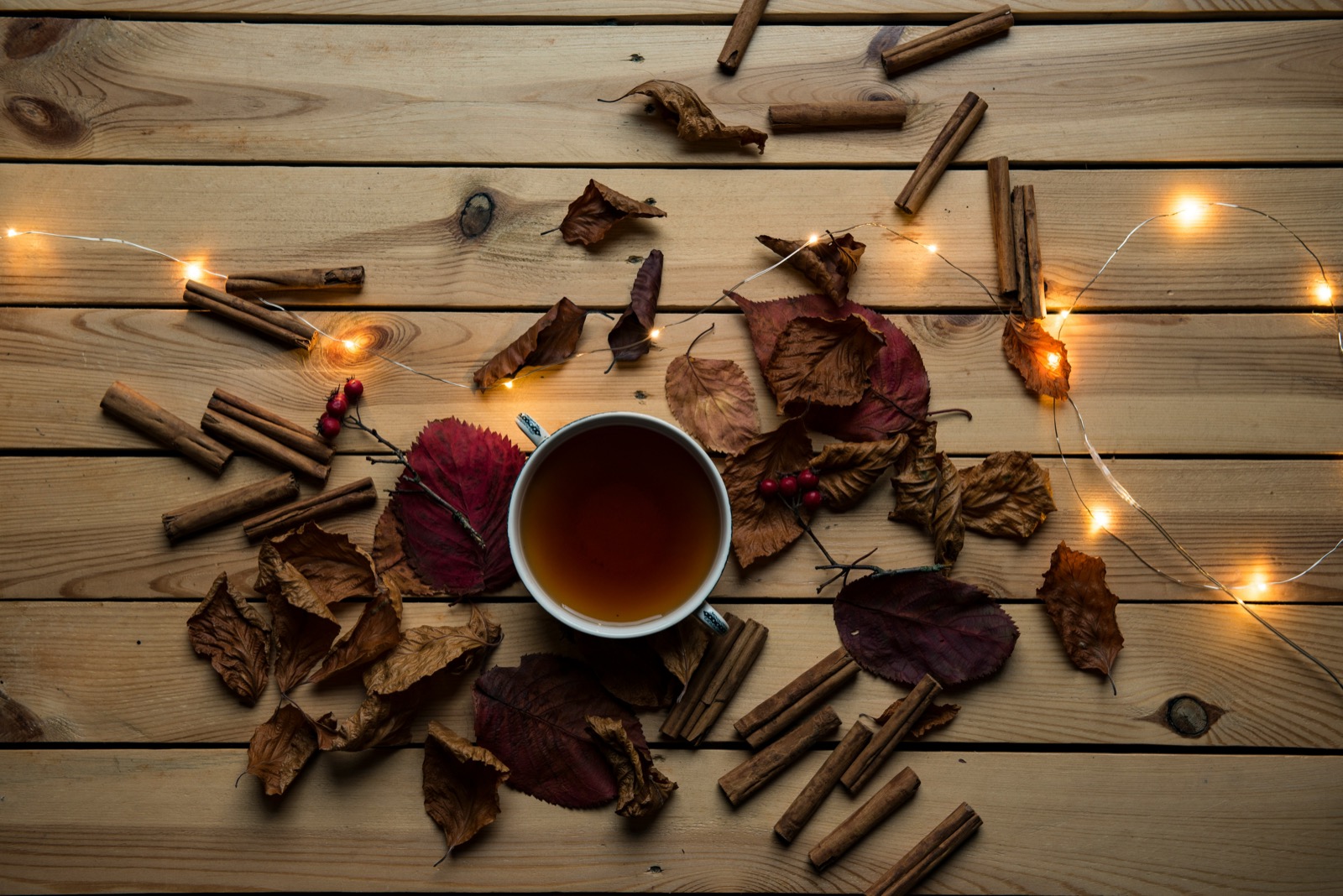
Pausing during busy work afternoons to brew loose-leaf green tea (sencha), roasted tea (hojicha), or barley tea (mugicha) provides a tactile mindfulness break. Japanese green tea contains L-theanine, an amino acid recognized for fostering calm, alert relaxation without causing daytime drowsiness, alongside gentle polyphenols that defend cells against environmental oxidative stress.
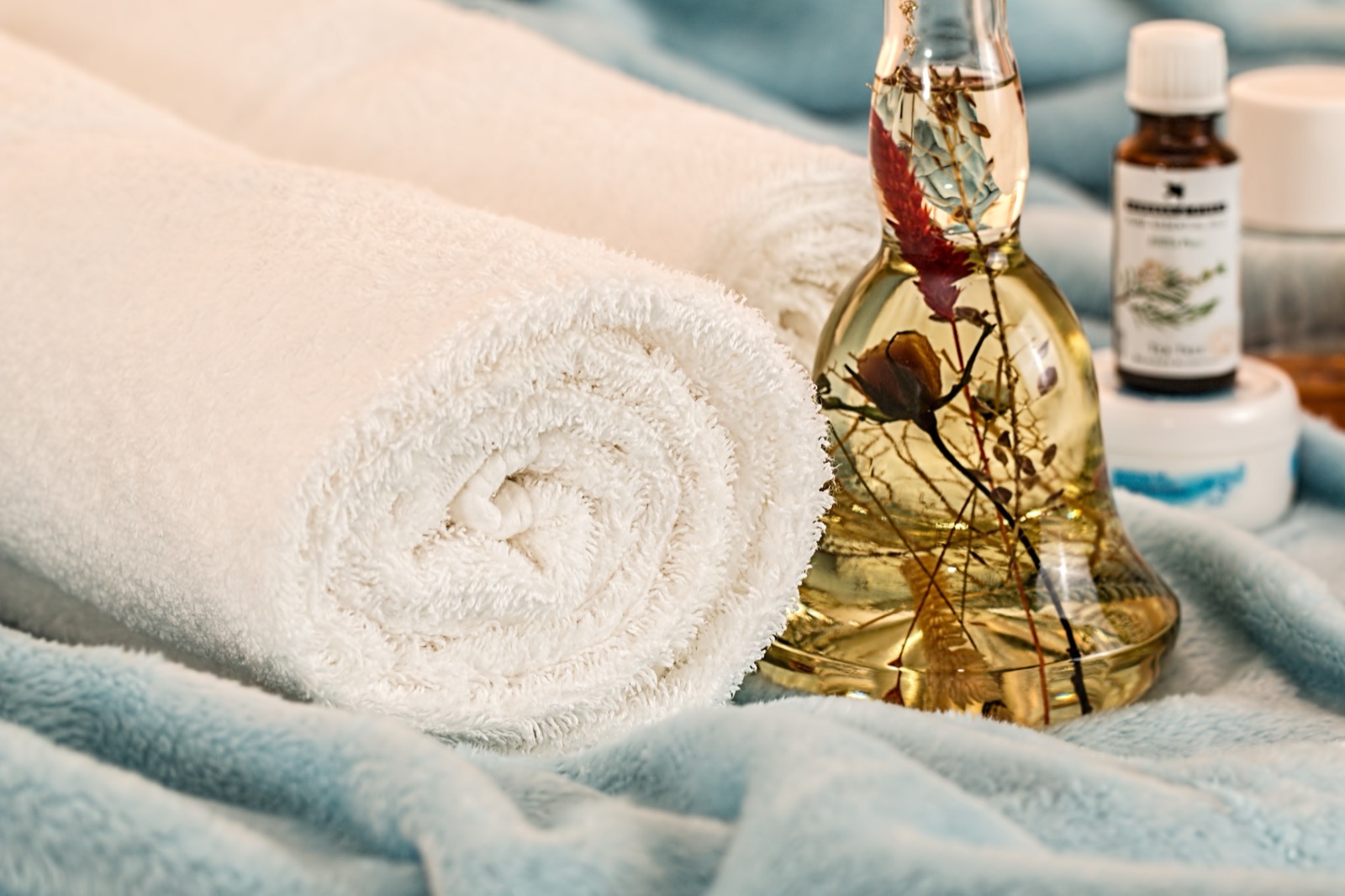
Nature immersion and botanical scents help quiet mental chatter and encourage autonomic equilibrium.
Comparing daily stress relief rituals and their skin benefits
Integrating these gentle practices into your existing schedule does not require expensive spa visits. Simple adjustments to daily habits provide consistent wellness dividends.
Scroll horizontally to view full table →
| Japanese Ritual | Ideal Time of Day | Primary Physiological Benefit | Skin Wellness Impact | Practical Home Application |
|---|---|---|---|---|
| Evening Tub Soak (*Ofuro*) | Night (60-90 min before bed) | Parasympathetic activation and muscle release | Promotes nocturnal microcirculation and cellular rest | Soak at 39°C for 12 minutes with unscented bath minerals |
| Nature Immersion (*Shinrin-yoku*) | Morning or early afternoon | Lowers baseline cortisol and pulse rate | Reduces stress-related barrier sensitivity | Take a 20-minute phone-free walk in a leafy neighborhood park |
| Calming Tea Moment (*Ocha*) | Mid-afternoon pause | L-theanine relaxation and antioxidant intake | Helps buffer cells against daily environmental stressors | Sip warm roasted hojicha or decaffeinated barley tea |
| Mindful Frictionless Cleansing | Evening routine | Sensory mindfulness and tactile soothing | Preserves delicate lipid bilayers and prevents redness | Use rich foam cushions and zero downward finger pressure |