title: Japanese Translucent Loose Powder: Humidity Proof Guide slug: japanese-translucent-loose-powder-humidity-proof category: how-japan-works published_at: 2026-11-22 updated_at: 2026-11-22 author: Seibun Lab Editorial Team hero_image: /images/stock/micro-fine-setting-powder-and-brush-texture.jpg hero_image_alt: Ultra-fine Japanese translucent setting powder texture with soft applicator puff meta_description: Discover how Japanese translucent loose powders withstand humidity. Explore oil-absorbing silica tech, pore-blurring powders, and sweat-resistant tips. tags: ["loose powder", "translucent powder", "humidity proof", "j-beauty base", "how-japan-works"] summary: "Learn the cosmetic science behind humidity-proof Japanese loose powders. Discover porous silica particles, amino-acid coatings, and shine-control techniques." publish: true
Japanese Translucent Loose Powder: Humidity Proof Guide
Hydrophobic Particle Coatings: Rather than using raw talc or chalky starches that soak up water and cake, Japanese powders coat individual mineral particles in hydrophobic silicone derivatives or fluorine resins, allowing sweat to roll off without dissolving the setting film.
Selective Sebum Absorption: High-grade porous spherical silica particles selectively absorb excess sebum while leaving the skin's natural intercellular moisture barrier undisturbed.
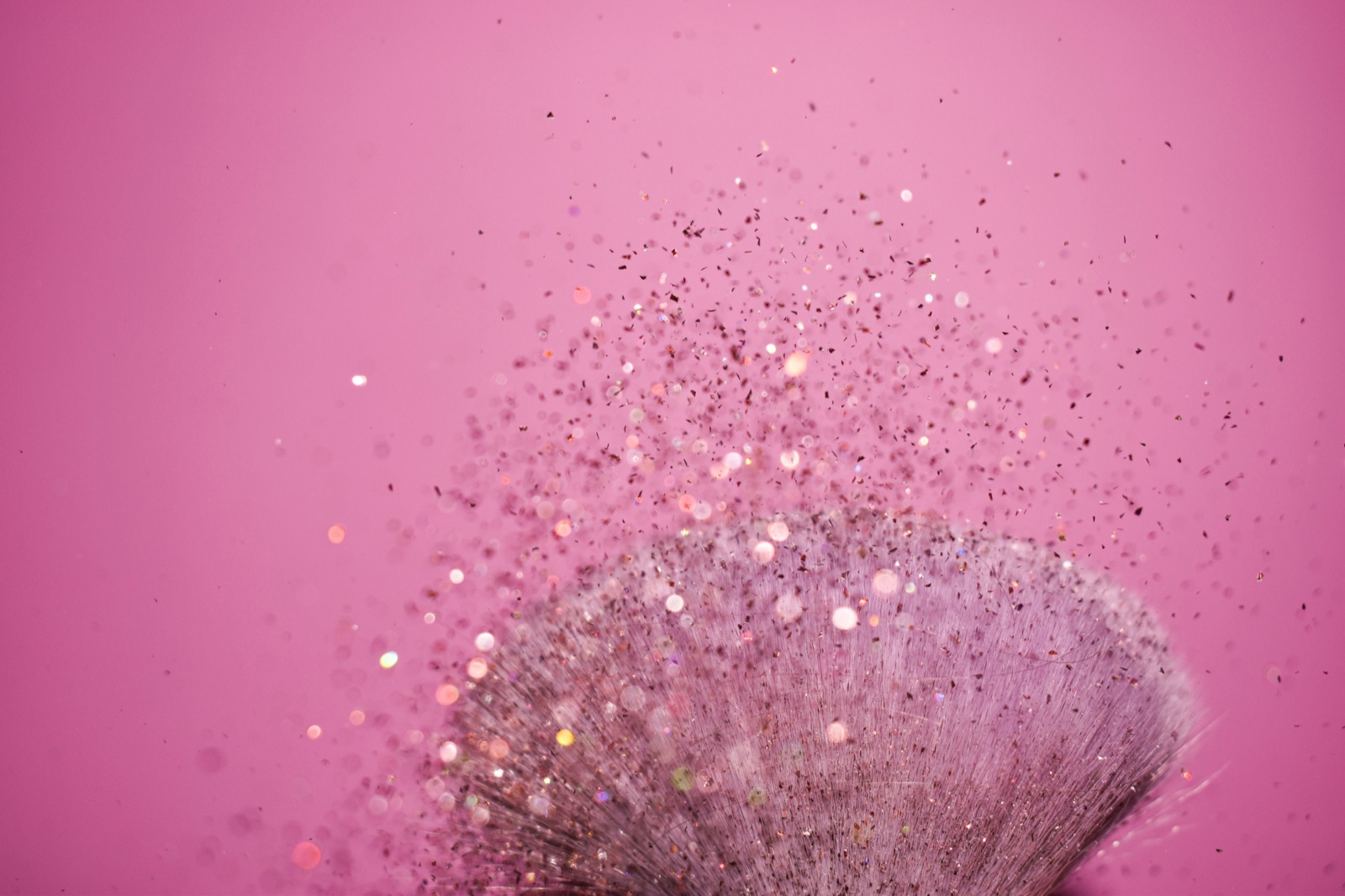
Zero White Cast Translucency: Ultra-fine spherical powders diffuse light across microscopic pores (*soft-focus optical blurring*) instead of masking skin with opaque white pigments.
Why Ordinary Setting Powders Fail in High Humidity
To understand why Japanese loose powders are coveted in humid climates, it helps to analyze why conventional western or European setting powders break down:
Conventional Heavy Powder vs. Japanese Humidity-Proof Powder:

[ Conventional Setting Powder ]
Raw Talc / Cornstarch + Flat Platelet Fillers
-> Absorbs both water and oil indiscriminately.
-> Sweat dissolves powder into a paste; sebum turns color orange/gray (oxidization).

[ Japanese Humidity-Proof Loose Powder ]
Coated Hydrophobic Spherical Silica + Amino Acid Surface Coating
-> Repels atmospheric moisture and sweat; absorbs only excess sebum.
-> Maintains transparent optical refraction without caking or curdling.
When atmospheric moisture is elevated, ordinary hydrophilic powders absorb ambient water vapor before they even encounter your skin's natural oils. Saturated with humidity, the powder loses its oil-binding capacity and curdles into pore openings.
The Chemical Arsenal: 3 Technologies of Japanese Powders
Japanese base makeup manufacturers utilize three distinctive material engineering breakthroughs:
1. Stage-Tested Sweat and Sebum Resistance
Originating in theatrical and stage makeup where performers endure blinding hot stage lights and intense perspiration, Japanese formulation science delivers a finely milled finishing powder that resists sweat and prevents makeup breakdown[1]. The formulation enhances skin adhesion to resist creasing, suppress shine, and maintain a silky smooth finish[1] throughout demanding physical activity.
2. Microscopic Spherical Silica Sponges
Instead of flat, platelet-shaped mica that can slide around on greasy skin, Japanese loose powders use microscopic porous spheres. These spherical particles roll smoothly over epidermal ridges, creating a ball-bearing sensation during application while refines skin texture and covers pores to achieve matte translucency[1]. Inside each microscopic sphere, nano-sized pores trap liquid sebum without expanding or clumping.
3. Amino Acid and Silk Protein Surface Wraps
A common complaint with western oil-control powders is that they over-dry the cheeks, causing tight, crepey discomfort. Japanese chemists solve this through biomimetic surface treatments. By coating each powder particle in lauroyl lysine (an amino acid derivative) or silk fibroin, the powder feels cushiony and moist to the touch, adhering to the stratum corneum without pulling moisture out of deeper skin layers.
Japanese Loose Powder Formulations Compared
The table below breaks down the primary categories of loose setting powders available in Japanese drugstores and beauty counters.
Scroll horizontally to view full table
| Powder Category | Primary Tech / Ingredient | Finish Type | Best Skin Condition | Typical Price Range (JPY) |
|---|---|---|---|---|
| Stage-Performance Matte | Hydrophobic coated silica & zinc laurate | Velvety poreless matte | Oily skin, outdoor events, heavy sweating | 1,300 - 1,800 |
| Amino Acid Silk Glow | Organic silk powder with squalane coating | Soft luminous translucent | Dry to combination skin needing hydration | 4,500 - 6,000 |
| Sebum-Clear Cooling Powder | Menthol derivative & sebum-adsorbing polymer | Crisp cooling semi-matte | Midsummer urban commuting, redness-prone | 1,500 - 2,200 |
| Mineral Drugstore Compact/Loose | Spherical silica & mica without synthetic fragrance | Airy sheer veil | Sensitive, acne-prone, daily wear | 800 - 1,200 |