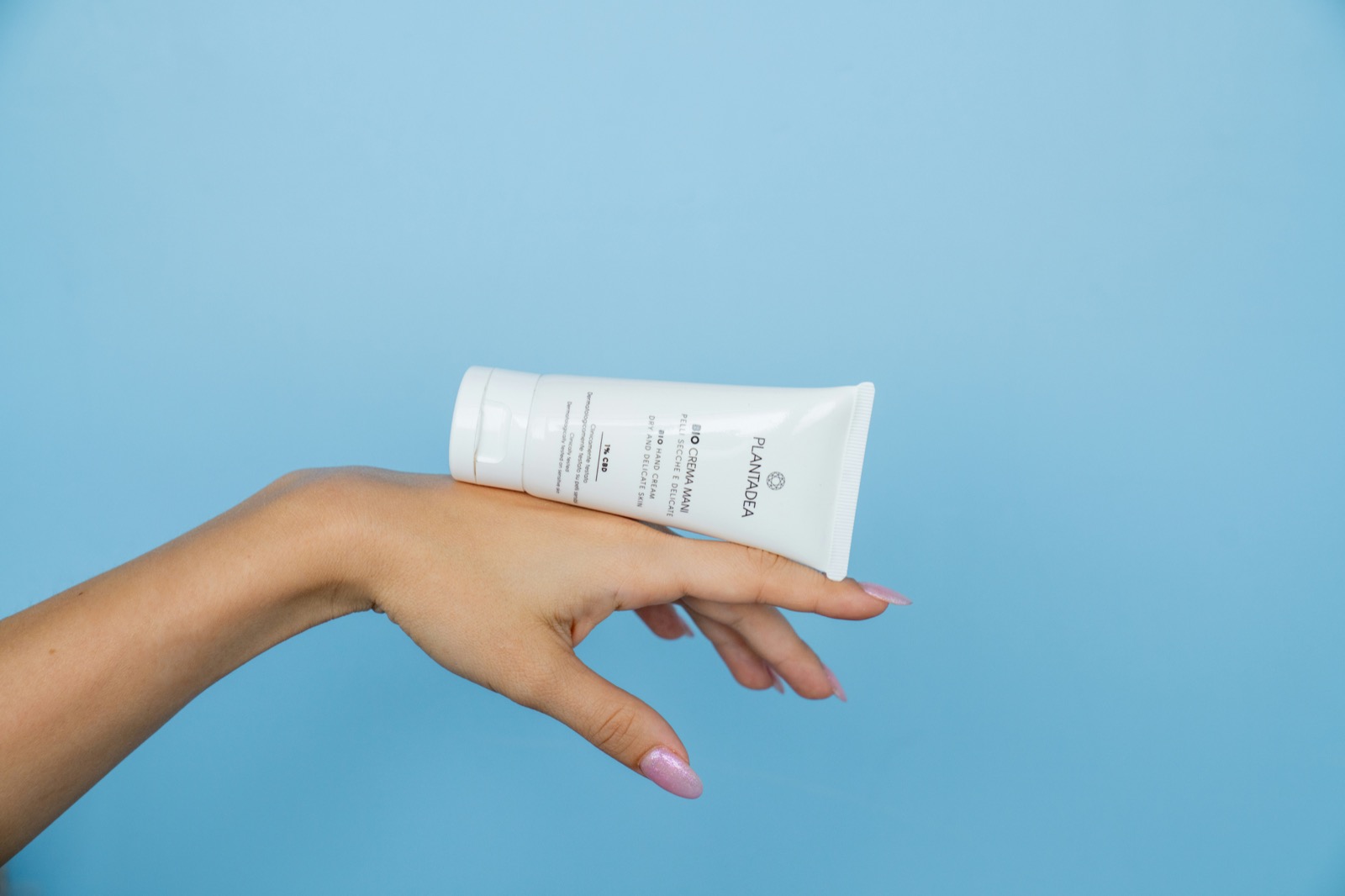
title: Photoaging Prevention: The Japanese Approach to Daily UV Habits description: Discover the Japanese approach to photoaging prevention. Learn how everyday UV habits, parasols, elegant sunscreen textures, and year-round protection support skin longevity. published_at: '2026-11-14' updated_at: '2026-11-14' fact_checked_at: '2026-11-14' author: Miho Tanaka fact_checker: Miho Tanaka thumbnail: /images/stock/legal-personal-import-japanese-skincare-uv-sunscreen-heart.jpg thumbnail_alt: Japanese sunscreen fluid and protective sunlight concept representing daily UV defense category: how-japan-works tags:
- photoaging
- sun protection
- uv habits
- j-beauty
- skin longevity
Photoaging Prevention: The Japanese Approach to Daily UV Habits
In modern Japanese skincare, preventing sun damage is treated not as seasonal recreation prep, but as the foundational pillar of long-term skin health. While Western skincare often historically associated sunscreen with summer holidays, coastal retreats, or outdoor sports, Japanese beauty culture approaches photoprotection with continuous, year-round mindfulness. This distinction explains why Japanese cosmetic laboratories pioneered world-leading sunscreen formulations that feel like lightweight lotions rather than greasy shields.
Photoaging—the structural deterioration of skin matrix proteins caused by chronic ultraviolet exposure—accounts for an estimated 80 percent of visible facial skin changes over decades. By combining advanced water-light sunscreens, physical shade habits, and lifestyle consistency, the Japanese approach reframes UV protection from a burdensome chore into effortless personal care.
Quick answer: The Japanese UV Philosophy
- Continuous Foundation: Ultraviolet radiation affects skin 365 days a year; prevention happens in incidental minutes, not just during beach vacations.
- Multi-Layered Shielding: Pairing high-SPF, high-PA topical filters with physical tools such as parasols (higasa), UV-cut garments, and shaded route planning.
- Sensory Innovation: Water-essence formulas dissolve application resistance, encouraging generous daily compliance without clogging pores or leaving white casts.
- Prejuvenation Focus: Protecting dermal collagen and elastin fibers before visible fine lines or hyperpigmentation emerge.
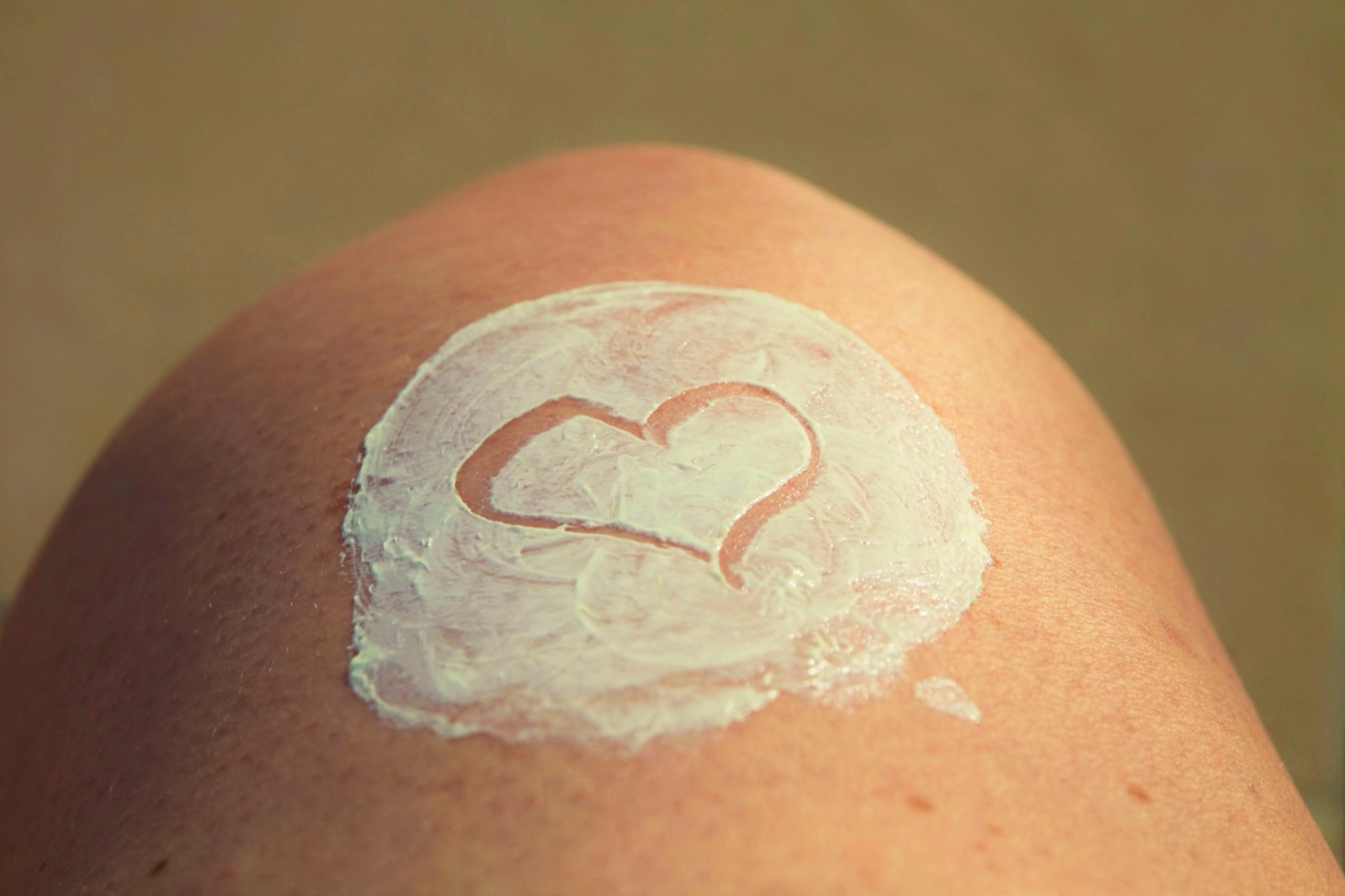
Understanding Photoaging vs Chronological Aging
To understand why Japanese skincare prioritizes daily UV habits, it is necessary to examine how photoaging differs from intrinsic, chronological aging:
- Chronological Aging (Intrinsic): Driven by genetic programming and natural cellular metabolism over time. It typically produces subtle, fine thinning of the dermis, gradual loss of natural moisture factors, and relaxed skin resilience across the entire body evenly.
- Photoaging (Extrinsic): Driven by repeated exposure to ultraviolet A (UVA) and ultraviolet B (UVB) wavelengths. It causes distinct, localized structural alterations—deep furrows, irregular hyperpigmentation, thickened leathery stratum corneum, broken capillaries, and severe degradation of the dermal extracellular matrix.
The Biological Mechanism: UVA vs UVB
Ultraviolet rays degrade skin architecture through distinct mechanisms:
- UVB (280–320 nm): Primarily absorbed in the epidermis. It triggers sunburn reactions, inflammatory cascades, and direct DNA damage within keratinocytes.
- UVA (320–400 nm): Accounts for approximately 95 percent of terrestrial ultraviolet radiation. UVA penetrates deep into the dermis, generating reactive oxygen species (ROS). These free radicals activate matrix metalloproteinases (MMPs)—enzymes that systematically break down collagen fibers and elastotic networks. Because UVA passes effortlessly through clouds and standard window glass, incidental indoor and winter exposure silently compounds photoaging damage year after year.
Leading beauty researchers investigate these cellular pathways to engineer protective formulas that neutralize oxidative stress while defending the basement membrane. For example, Shiseido integrated corporate research emphasizes long-term skin longevity and physiological photoprotection mechanisms [1].
The Cultural Mindset: Sunscreen as Daily Hygiene, Not Vacation Wear
In Japan, applying sun protection in the morning is regarded with the same automatic regularity as brushing one's teeth. Children are taught sun-conscious habits in elementary schools, and morning skincare routines seamlessly end with a protective layer before stepping outdoors.
Why Habitual Protection Matters More Than High-Intensity Exposure
Dermatological consensus highlights that incidental UV exposure—walking five minutes to the train station, sitting beside an office window, driving during a morning commute, or hanging laundry on a balcony—constitutes the vast majority of cumulative lifetime ultraviolet radiation.
While an individual sunburn on vacation creates acute discomfort, it is the low-grade, silent, cumulative UVA degradation occurring day after day that drives long-term loss of skin elasticity and firm bounce. Japanese skincare philosophy addresses this reality through relentless consistency rather than occasional rescue treatments.
Multi-Layered Physical Shielding: Beyond the Lotion Bottle
Topical sunscreen is only one component of the comprehensive Japanese sun defense system. Japanese consumers recognize that sunscreen filters degrade over time due to sebum, sweat, and physical rubbing. To ensure continuous protection without needing heavy reapplication every ninety minutes, multi-layered physical barriers play a prominent role in everyday life:
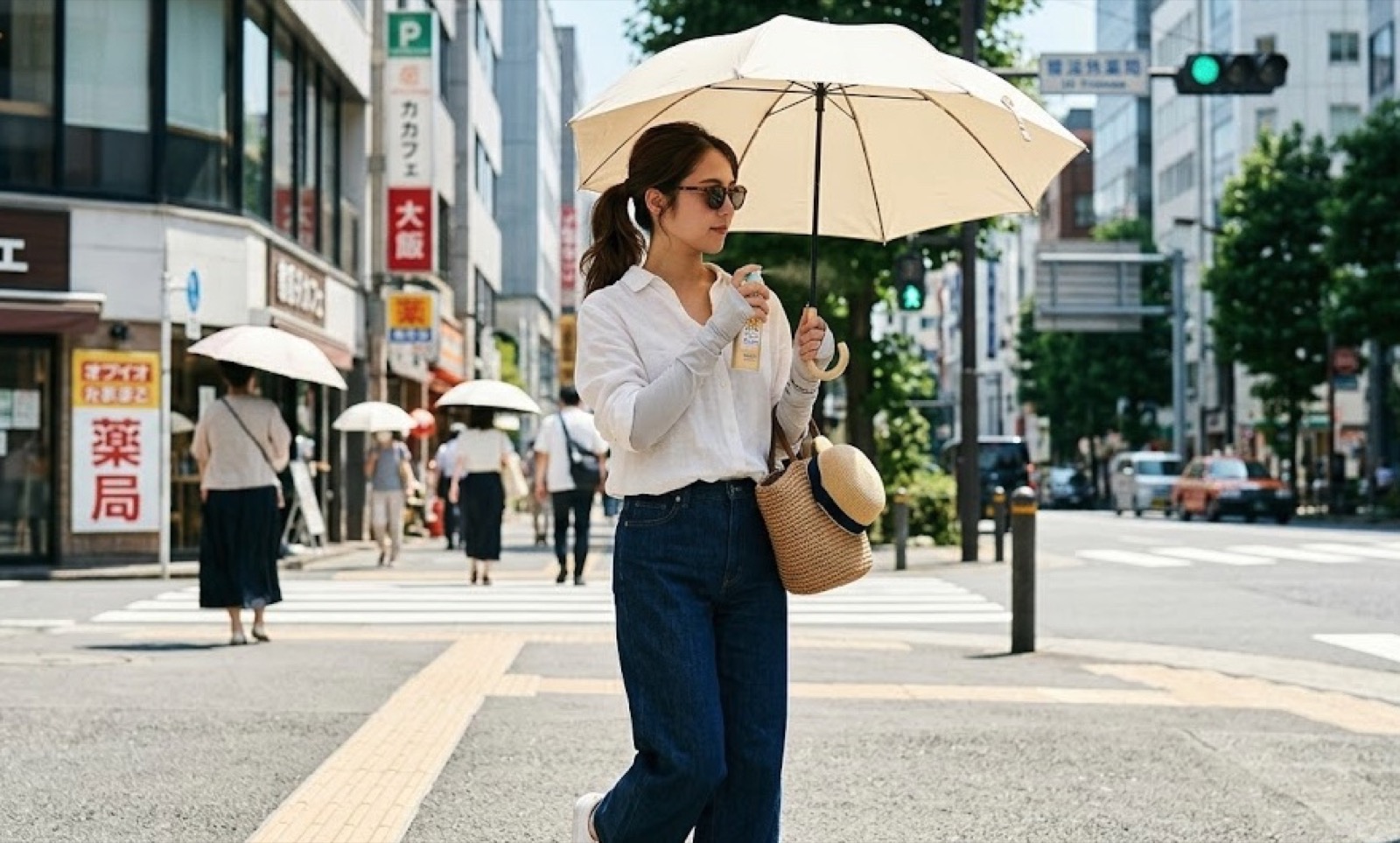
- The UV Parasol (Higasa): Walk through Tokyo, Kyoto, or Osaka between April and October, and you will see countless pedestrians carrying specialized UV umbrellas. Modern Japanese parasols feature black heat-blocking coatings on the underside to absorb ground-reflected glare, providing 99 to 100 percent UV cut while lowering ambient temperature around the face by several degrees.
- UV-Cut Clothing and Accessories: Specially woven fabrics treated with titanium dioxide or zinc oxide particles offer verified UPF (Ultraviolet Protection Factor) ratings. Popular accessories include breathable arm covers for cycling and driving, wide-brim hats designed with neck flaps, and UV-blocking sunglasses to shield delicate ocular tissues.
- Shaded Route Planning: Urban design in Japanese cities often incorporates covered arcades (shotengai) and underground walkways. Mindfully choosing the shaded side of the street is an intuitive, everyday custom among sun-conscious locals.
By reducing total solar irradiation through physical barriers, the workload on topical sunscreen is dramatically reduced, preserving skin hydration and barrier equilibrium.
Formulation Innovation: How Japanese Sunscreens Erased Application Friction
For decades, conventional Western sunscreens carried a reputation for being thick, pasty, greasy, and prone to leaving a chalky white cast. This unpleasant tactile experience led many people to skip sunscreen on working days, reserving it solely for outdoor recreation.
Japanese cosmetic chemists solved this compliance barrier by reimagining sunscreen as an extension of hydrating skincare rather than a topical barrier film. Major Japanese beauty conglomerates like Kao Corporation develop micro-defense formulation science to ensure uniform daily UV coverage [2]. By encapsulating chemical and physical UV filters inside water-phase micro-droplets, Japanese brands created formulas that splash onto the face like a lightweight lotion (keshosui) before vanishing without residue.
Conventional Sun Protection vs Japanese Daily Defense Model
Scroll horizontally to view full table
| Factor | Conventional Vacation Approach | Japanese Daily UV Longevity Model |
|---|---|---|
| Application Timing | Seasonal (summer, beach trips, sunny holidays) | Year-round daily habit (365 days, rain or shine) |
| Texture Experience | Often heavy, oily, occlusive, noticeable scent | Watery gel, serum-like milk, weightless absorption |
| Layering Comfort | Frequently pills under makeup or creates grease | Acts as a smoothing makeup primer (*shitaji*) |
| Physical Protection | Rarely used outside of swimwear or sports hats | Integral use of parasols, UV textiles, and shaded paths |
| Primary Goal | Preventing acute erythema (sunburn) | Preserving dermal matrix, elasticity, and clarity |