title: Wabi-Sabi in Skincare: Japanese Minimalist Beauty Ethics h1: "Wabi-Sabi in Skincare: Japanese Minimalist Beauty Ethics" description: "Learn how wabi-sabi shapes Japanese minimalist beauty. Discover why mindful subtraction, natural skin texture, and simple rituals nurture healthy skin." meta_description: Learn how wabi-sabi shapes Japanese minimalist beauty. Discover why mindful subtraction, natural skin texture, and simple rituals nurture healthy skin. category: "how-japan-works" slug: "wabi-sabi-and-japanese-minimalist-beauty" publish: true published_at: "2026-11-17" hero_image: "/images/stock/minimalist-cosmetic-products-subtraction-concept.webp" hero_image_alt: "Minimalist skincare bottles on a clean surface reflecting Japanese subtraction beauty concepts"
Wabi-Sabi in Skincare: Japanese Minimalist Beauty Ethics
In modern cosmetic marketing, consumers are constantly told that their natural skin is inadequate. Social media feeds and Western beauty aisles promote twelve-step routines, high-potency chemical acids, and blurring filters designed to conceal every trace of pores, fine lines, and natural pigmentation.
In stark contrast to this relentless pursuit of synthetic perfection, Japanese skincare (J-Beauty) is anchored in a deeply reflective cultural tradition: wabi-sabi. Rather than waging war against chronological maturity or suffocating the face in layers of active compounds, this Japanese philosophy teaches us to cultivate skin health through mindful subtraction, gentle touch, and quiet harmony with nature.
In Japanese skincare, *wabi-sabi* represents the appreciation of authentic, natural skin health over artificial perfection. Translating into "subtraction beauty" (*hikizan no bi*), it rejects overwhelming 10-step regimens in favor of a minimalist, barrier-supportive trio: gentle low-friction cleansing, deep watery hydration (*keshosui*), and lightweight lipid protection (*nyueki*). By honoring the natural aging process and supporting the skin's native biology without harsh abrasion, wabi-sabi fosters enduring resilience and quiet radiance.
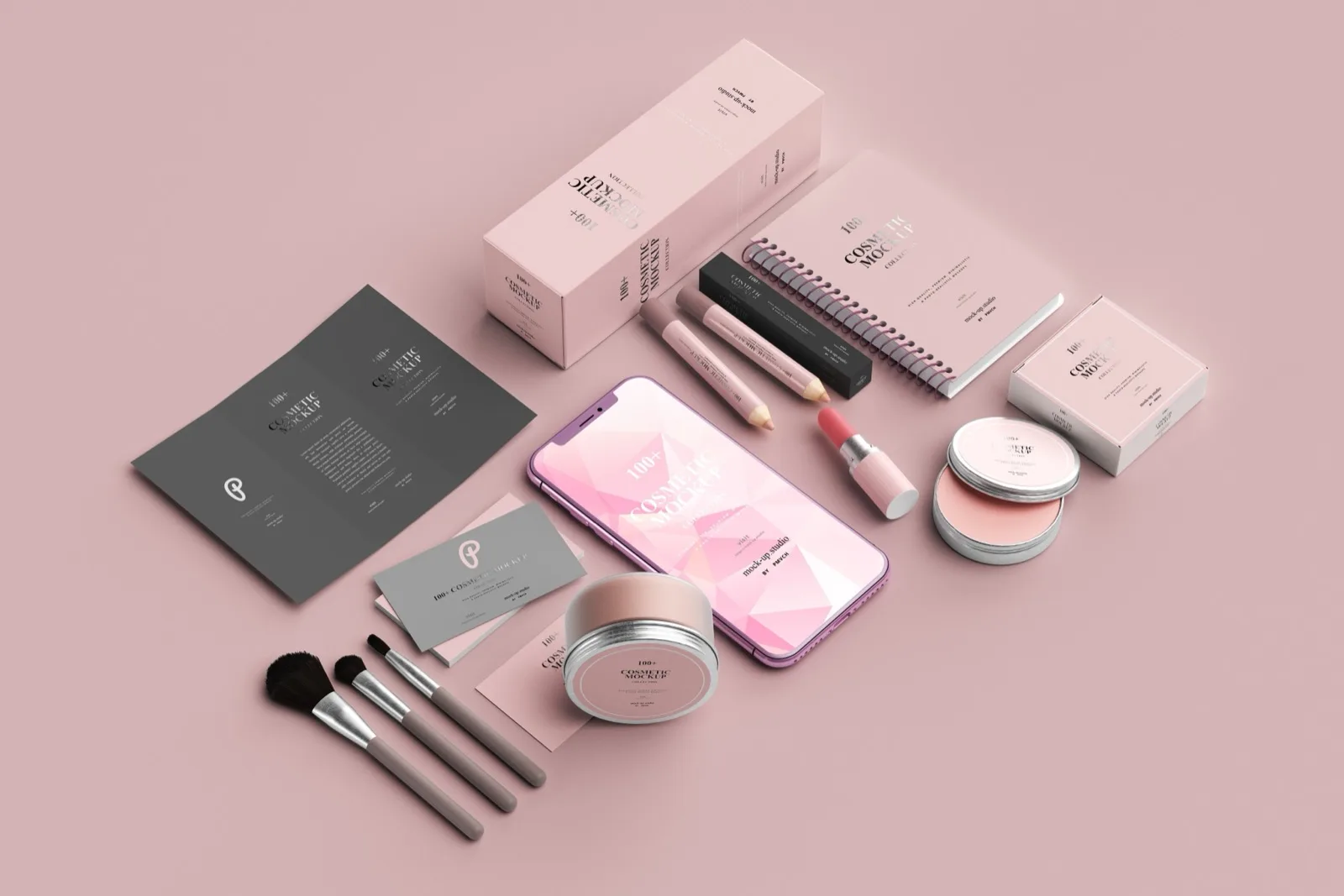
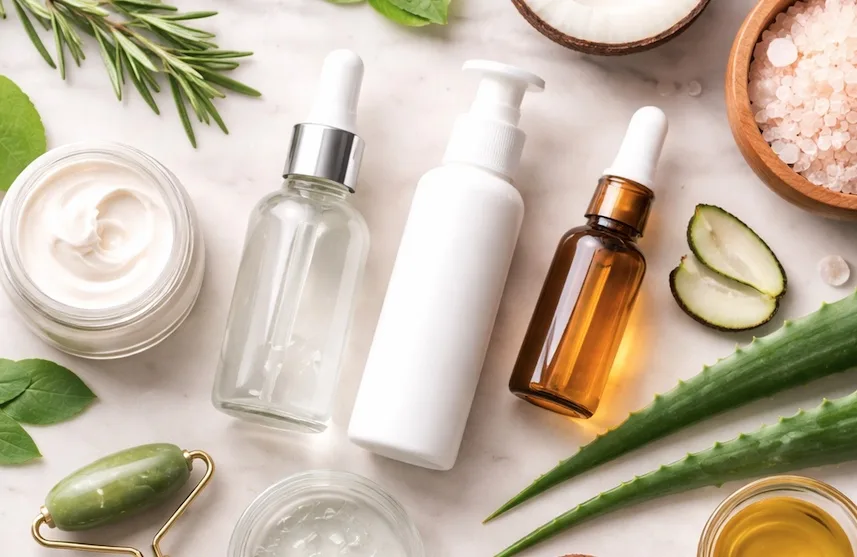
Japanese subtraction beauty focuses on thoughtfully formulated essentials that support native barrier functions rather than cluttering bathroom counters.
The Philosophical Core: Wabi-Sabi and Japanese Aesthetics
To appreciate how Japanese minimalist skincare operates, one must understand its philosophical origins.
Traditional Japanese aesthetics comprise a set of ancient ideals that include wabi[2] (transient and stark beauty) and sabi (the beauty that comes with natural age and wear). Rooted in Zen Buddhism, the worldview of wabi-sabi centers on the acceptance of transience and imperfection[1]. In Japanese tea ceremony architecture, ceramic bowls are celebrated for subtle asymmetries, rough textures, and visible hairline glazes mended with gold lacquer (kintsugi).
When applied to dermatology and daily grooming, wabi-sabi fundamentally reframes the purpose of personal care:
- From fighting age to honoring maturity: Wrinkles and fine expression lines are not viewed as medical defects to be eradicated, but as graceful records of a life richly lived.
- From concealment to transparency: Heavy full-coverage makeup that creates a synthetic mask gives way to sheer, breathable layers that let real skin texture peek through.
- From aggressive intervention to natural harmony: Rather than constantly forcing rapid cellular turnover with harsh exfoliants, routines support the skin's innate circadian rhythms.
Subtraction Beauty: Why More Is Not Better in J-Beauty
In Japan, cosmetic developers and dermatologists frequently reference the concept of hikizan no bi—the aesthetic of subtraction.
While Western beauty routines often layer vitamin C, exfoliating acids, retinoids, and multiple thick creams simultaneously, Japanese experts warn of "skincare overload." The human stratum corneum is exceptionally thin—approximately 10 to 20 micrometers—consisting of flattened, terminally differentiated keratinocytes that have lost their nuclei[3]. This delicate biological shield is not designed to absorb dozens of conflicting chemical emulsifiers, fragrances, and preservatives daily.
When too many active products are applied, the intercellular lipid envelope is compromised, producing chronic low-grade micro-inflammation, barrier sensitivity, and reactive redness. Japanese minimalism advocates using only what the skin genuinely requires to function:
- Remove dirt without stripping: A cushiony oil or foaming wash that lifts environmental debris without dissolving native intercellular ceramides.
- Replenish lost water: A humectant-rich liquid lotion (keshosui) that quenches parched corneocytes.
- Seal with light lipids: A breathable emulsion (nyueki) or squalane drop to lock in hydration.
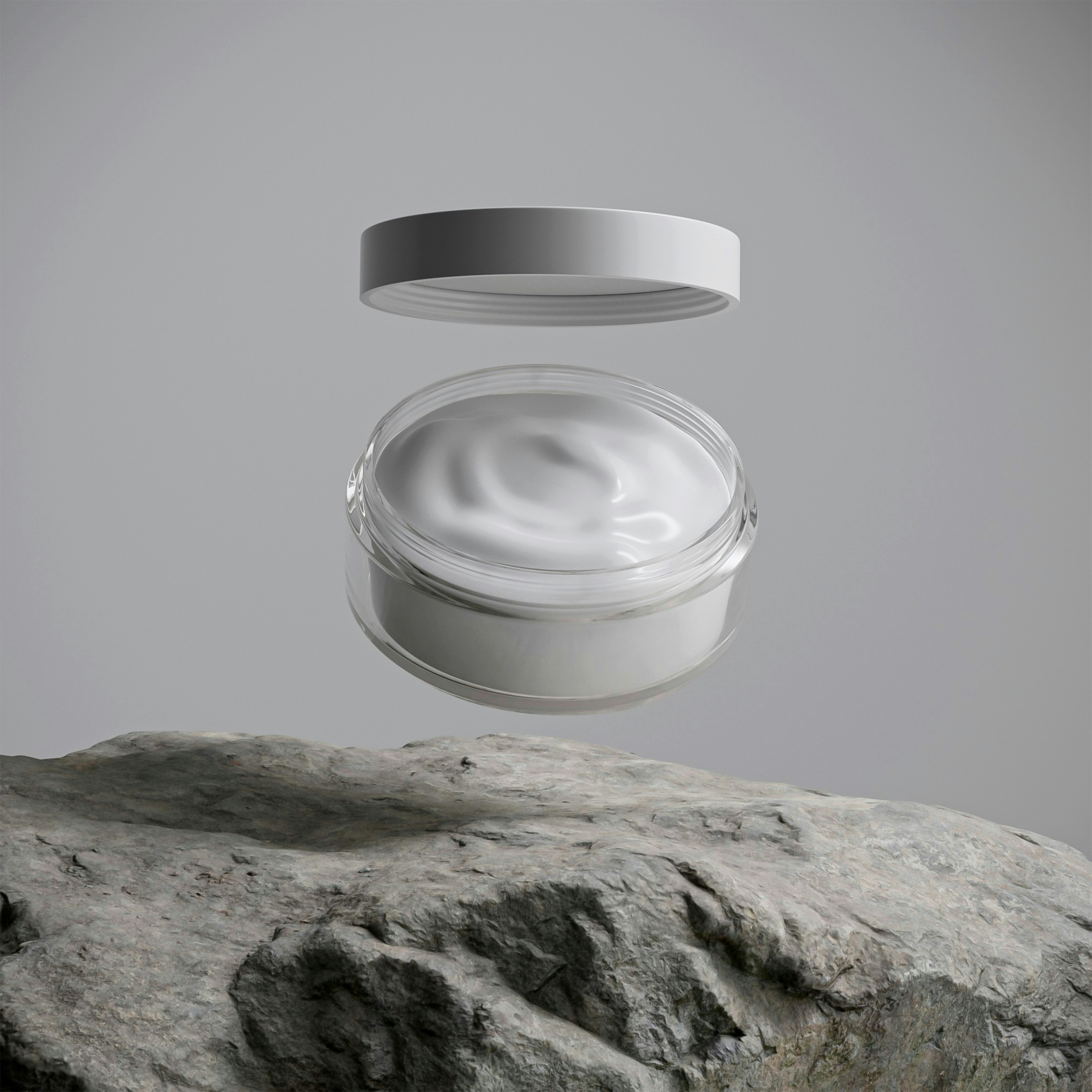
Streamlined packaging and unpretentious formulas mirror the natural stone aesthetics revered in traditional Japanese zen gardens.
Comparing Wabi-Sabi Minimalist Skincare vs Aggressive Anti-Aging
The difference in mindset between traditional Japanese minimalism and aggressive cosmetic intervention touches every aspect of daily care.
Scroll horizontally to view full table
| Attribute | Wabi-Sabi Minimalist J-Beauty | Aggressive Anti-Aging Protocol |
|---|---|---|
| Primary Mindset | Nurturing native barrier resilience; accepting natural texture | Total eradication of signs of aging; forcing rapid resurfacing |
| Ideal Skin Finish | Translucent, comfortable, velvet moisture (*mochi-hada*) | Glassy, poreless, taut, filter-like surface appearance |
| Routine Philosophy | Thoughtful subtraction (*hikizan*): 3 to 4 synergistic steps | Maximalist stacking: 8 to 12 steps with high-percentage actives |
| Ingredient Strategy | Bio-compatible ferments, amino acids, ceramides, tsubaki oil | High-potency synthetic acids, peels, multiple heavy occlusives |
| Application Style | Mindful palm pressing with zero downward dragging | Fast mechanical rubbing, device suction, aggressive wiping |