slug: what-does-mutenka-additive-free-mean-japanese-skincare title: What Does Mutenka Mean? Additive-Free J-Beauty Guide meta_description: What does mutenka mean in Japanese skincare? Learn the history of the 102 designated ingredients, brand voluntary standards, common myths, and label facts. date: "2026-11-17" category: how-japan-works tags:
- mutenka
- additive free
- Japanese skincare regulations
- clean beauty Japan
- sensitive skin
What Does Mutenka Mean? Additive-Free J-Beauty Guide
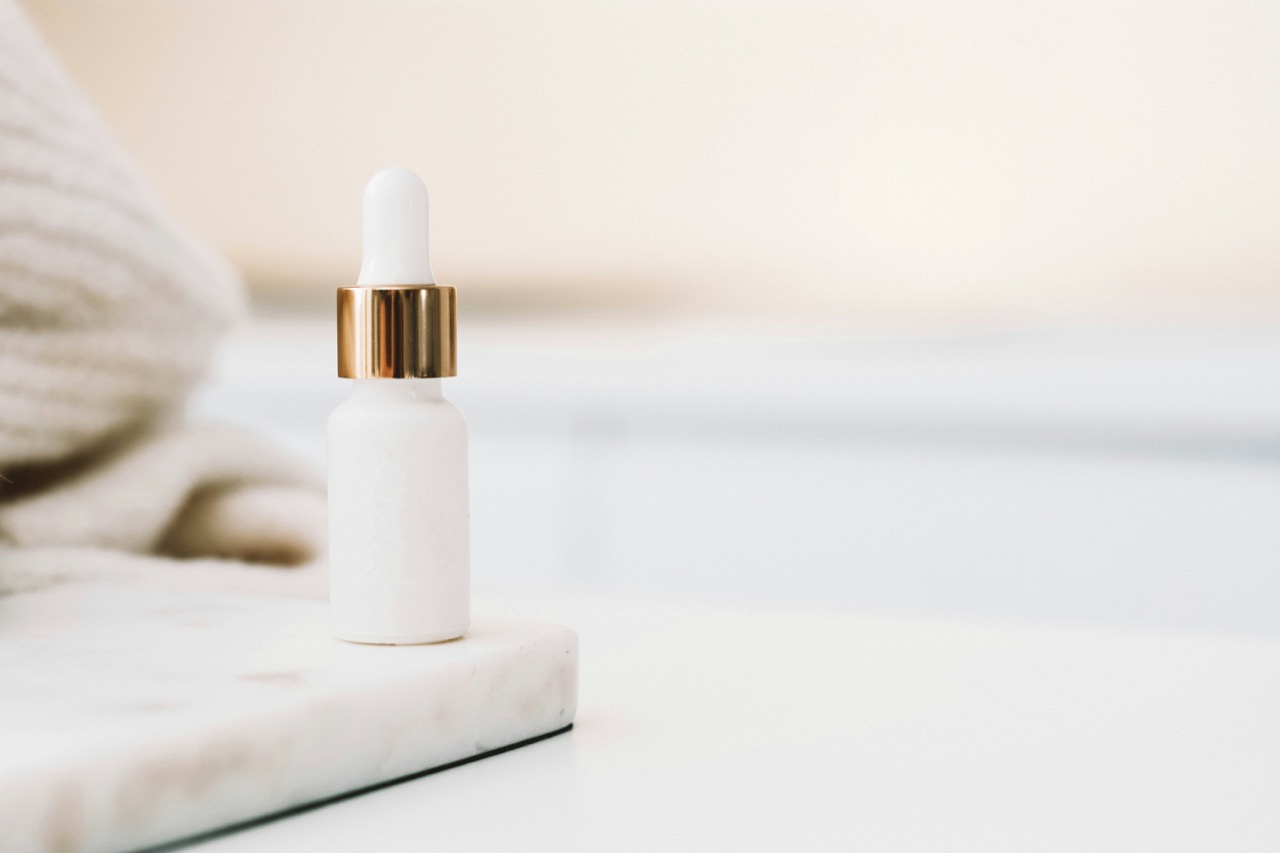
When browsing Japanese drugstores or department stores, one of the most prominent terms you will encounter across facial lotions, cleansers, and sunscreens is mutenka (additive-free). Displayed on minimalist pastel bottles and certified sensitive-skin lines, the label conveys a feeling of purity, gentleness, and safety.
However, international consumers frequently misunderstand what "additive-free" signifies in Japan. Does mutenka mean a product is 100% organic? Does it mean the formula contains zero preservatives? Is it a legally binding government certification, or is it a brand marketing term?
To truly decode Japanese skincare packaging, one must examine the fascinating history of Japanese cosmetic regulation—from the pioneering "102 designated ingredients" established in 1980 to the landmark full-disclosure laws of 2001. Understanding what mutenka actually signifies—and what it leaves out—empowers you to choose skincare that genuinely supports your skin barrier without falling for greenwashing myths.
In Japanese cosmetics, mutenka (literally "without additives") indicates that a formulation deliberately omits specific ingredients known to trigger cutaneous sensitivity. Rooted historically in Japan's 1980 statutory list of 102 potential sensitizers, modern mutenka claims are governed by voluntary brand standards rather than a single governmental certificate. Today, it generally signals the exclusion of synthetic fragrances, artificial dyes, mineral oils, parabens, or drying alcohols to protect delicate moisture barriers.
The historical origins: The 102 designated ingredients of 1980
To comprehend why the term mutenka exists, one must travel back to Japan's cosmetic regulatory landscape in the late 1970s[1].
During this era, Japanese cosmetic manufacturers were not required to disclose all ingredients on product packaging. Consumers had virtually no way of knowing what chemicals were contained inside a bottle. Following a surge in consumer cases of allergic contact dermatitis and cosmetic-induced pigmentation (meselanodermatosis), the Japanese Ministry of Health and Welfare (now the MHLW) intervened in 1980.
The government compiled a statutory list of 102 designated ingredients (plus synthetic fragrances) identified as having potential skin-sensitizing or allergenic properties. Under this law, manufacturers were mandated to print these specific ingredients on the outer box if they were included in the formulation:
- Common preservatives (such as parabens, benzoic acid, and dehydroacetic acid).
- Synthetic coal-tar dyes and colorants.
- Certain emulsifying surfactants and antioxidant stabilizers (like BHT and BHA).
The birth of the "Mutenka" movement
Because consumers quickly learned to scan boxes for these 102 substances, innovative Japanese brands realized there was a powerful market demand for formulas completely free from them. Pioneering companies engineered manufacturing methods to create cosmetics formulated without any of the 102 designated ingredients, proudly advertising them as mutenka (additive-free)[2]. For over two decades, mutenka served as shorthand for "free from the 102 government-designated sensitizers."
The 2001 turning point: Full ingredient disclosure
In April 2001, Japanese cosmetic regulation underwent a monumental modernization aligned with international standards: mandatory full ingredient disclosure (zen-seibun hyoji)[3].
Under the revised Pharmaceutical Affairs Act (now the PMD Act):
- The 102 designated list was formally abolished as a legal labeling threshold.
- Every cosmetic sold in Japan was required to disclose 100% of its ingredients in descending order of concentration on the packaging.
- Responsibility shifted to manufacturers to evaluate the safety of all raw ingredients, while empowering consumers to read complete formulations.
The modern paradox of Mutenka
With the abolition of the 102 designated ingredients list, the statutory definition of mutenka effectively vanished. Under current Japanese law:
- There is no single official government standard for "mutenka."
- The Japanese government does not issue an official "Mutenka Certification" seal.
- Instead, mutenka became a voluntary claim governed by individual brand definitions and voluntary advertising guidelines enforced by the Japan Cosmetic Industry Association (JCIA).
Therefore, when a Japanese bottle states "Mutenka," it does not mean the product is free of all chemicals. Rather, it means the product is free of whatever specific additives that particular brand chose to exclude.
Scroll horizontally to see more
| Mutenka Category | Target Excluded Compounds | Alternative Ingredients Used | Cutaneous & Barrier Benefit |
|---|---|---|---|
| Fragrance-Free (Koryo Mutenka) | Synthetic perfumes, artificial aroma compounds | Unscented neutral bases, natural flower waters | Removes the primary trigger of cosmetic-induced contact dermatitis |
| Colorant-Free (Chakushokuryo Mutenka) | Synthetic coal-tar colorants, artificial dyes | Naturally transparent serums, plant carotenoid tints | Removes unnecessary pigment molecules that offer zero barrier value |
| Paraben-Free (Bofuzai Mutenka) | Methylparaben, propylparaben, ethylparaben | Phenoxyethanol, pentylene glycol, 1,2-hexanediol | Respects consumer preferences; reduces stinging risk in eczema-prone skin |
| Alcohol-Free (Etanoru Mutenka) | Denatured alcohol, ethanol, ethyl alcohol | Hydrating polyols (butylene glycol, glycerin, diglycerin) | Prevents barrier lipid stripping, stinging, and moisture evaporation |
| Mineral Oil-Free (Kobutsuyu Mutenka) | Liquid paraffin, petrolatum, mineral waxes | Plant squalane, jojoba oil, meadowfoam seed oil | Imparts breathable lipid barrier without feeling occlusive or greasy |