title: What Is Inner Beauty in Japan? Diet, Ferments & Sleep h1: "What Is Inner Beauty in Japan? Diet, Ferments & Sleep" description: "Discover Japanese inner beauty. Learn how fermented foods, warm baths, restorative sleep, and mindful diet cultivate natural skin radiance from within." meta_description: Discover Japanese inner beauty. Learn how fermented foods, warm baths, restorative sleep, and mindful diet cultivate natural skin radiance from within. category: "how-japan-works" slug: "what-is-inner-beauty-in-japan" publish: true published_at: "2026-11-17" hero_image: "/images/stock/mindful-skincare-ritual-indoor-greenery-calm.jpg" hero_image_alt: "Tranquil indoor setting with green plants representing Japanese mindful inner beauty and holistic wellness"
What Is Inner Beauty in Japan? Diet, Ferments & Sleep
In global skincare conversations, beauty is frequently presented as an outside-in endeavor measured by multi-step topical serums, chemical exfoliants, and targeted cosmetic corrections. However, in Japanese beauty philosophy (J-Beauty), topical skincare represents only fifty percent of the equation. The foundation of radiant, translucent skin is rooted in a holistic concept known as inner beauty (innaa biyuu).
Under traditional Japanese thinking, the skin is considered a direct mirror of one's internal physiological equilibrium. Physical vitality, gut microbiome health, thermal circulation, and emotional tranquility coalesce to form what Japanese dermatologists and nutritionists refer to as kenbibyaku—the deep harmony of health and beauty.
Japanese inner beauty (*innaa biyuu*) is the philosophy that luminous, resilient skin originates from internal biological harmony rather than topical concealers alone. It revolves around four foundational pillars: a seasonally attuned, nutrient-dense diet (*washoku*); living probiotic nourishment from traditional fermented staples (such as miso and natto); daily warm soaking baths (*yubune*) to promote peripheral blood circulation and autonomic nervous system calm; and deep restorative sleep to support natural nighttime skin cell turnover.
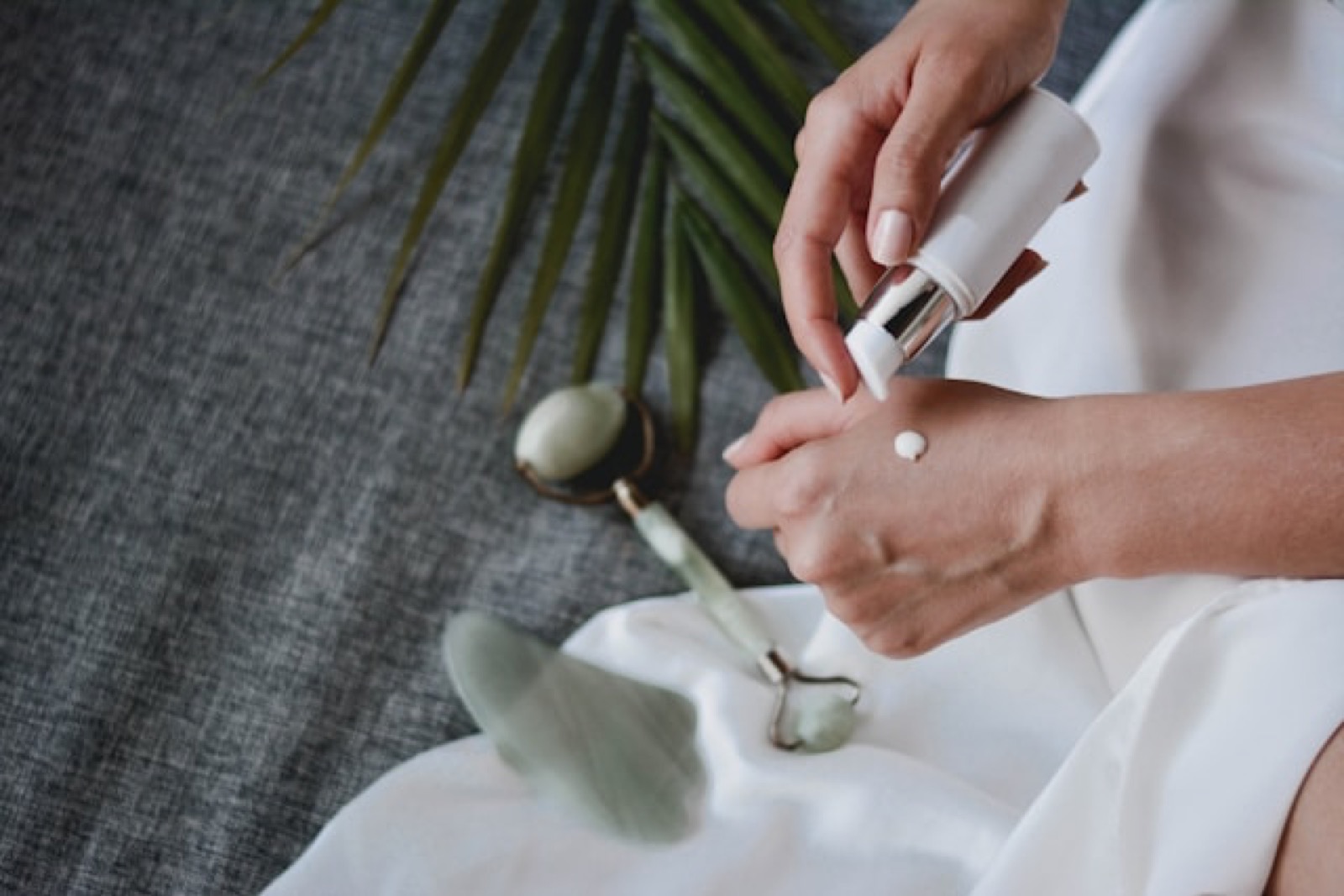
Japanese inner beauty emphasizes lifestyle harmony, nourishing whole foods, and calm restorative habits to support outer complexion health.
The Japanese Philosophy of Inner Beauty: Kenbibyaku
The conceptual cornerstone of Japanese inner beauty is encapsulated by the historic maxim ishoku-dogen—the principle that wholesome food and physical medicine share the identical origin.
Traditional dietary culture in Japan, known formally as washoku, is based on rice with miso soup and other dishes with an emphasis on seasonal[1] ingredients. Rather than viewing food simply as calories, washoku structures meals around the principle of ichiju-sansai ("one soup, three side dishes"). This architecture fosters a natural balance of unrefined complex carbohydrates, high-quality marine proteins, soluble fiber from seaweed (wakame and nori), and micronutrient-rich seasonal vegetables.
By fueling the body with diverse, unadulterated whole foods, the digestive system absorbs bioavailable amino acids and lipid building blocks without the inflammatory spikes associated with processed sugars and industrial fats. When the body receives stable internal nutrition, the epidermis generates strong, orderly corneocyte layers that naturally reflect ambient daylight.
Fermented Foods and the Skin-Gut Connection
Long before modern microbiology verified the existence of the "gut-skin axis," traditional Japanese homemakers relied on microbial fermentation to nourish vitality during harsh seasonal shifts.
Biochemically, fermentation in food processing is the conversion of carbohydrates to alcohol or organic acids using microorganisms[2] under controlled environmental conditions. Japanese fermentation hinges on koji-kin (Aspergillus oryzae), a beneficial filament fungus that transforms steamed grains and legumes into nutrient-rich staples like miso, soy sauce, and sweet fermented rice drinks (amazake).
These living foods directly nourish the human gut flora, which are the microorganisms that live in the digestive tracts of animals[3] and humans. A diverse enteric microflora maintains the intestinal lining, modulates systemic immune signals, and synthesizes essential B vitamins. When gut dysbiosis occurs, systemic micro-inflammation can manifest externally as cutaneous dryness, sensitivity, or premature dullness. Regularly consuming fermented miso, probiotic pickled vegetables (tsukemono), and fermented soybeans (natto) provides a steady stream of active enzymes and prebiotic substrates that nourish internal equilibrium.
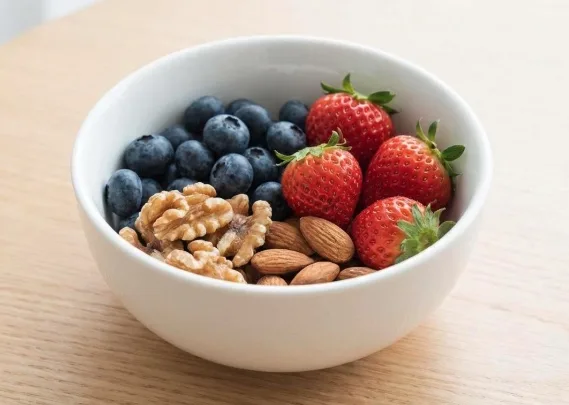
Whole foods rich in antioxidants and plant nutrients complement gut-friendly ferments to build resilient skin tissue.
Comparing Japanese Inner Beauty vs Western Supplement Culture
While both Eastern and Western wellness models recognize the value of internal nutrition, their practical execution reflects contrasting cultural mindsets.
Scroll horizontally to view full table
| Attribute | Japanese Inner Beauty (*Innaa Biyuu*) | Western Targeted Supplementation |
|---|---|---|
| Primary Foundation | Whole-food dietary rhythms (*washoku*) and living ferments | Isolated high-potency micronutrient capsules and powders |
| Lifestyle Integration | Interconnected routine: warm soaking, mindful eating, sleep | Targeted, metric-driven supplementation stacked into morning routines |
| Key Ingredient Focus | Miso, green tea catechins, marine collagen peptide broths, natto | High-dose synthetic vitamin complexes, isolated active extracts |
| Underlying Goal | Long-term systemic equilibrium (*kenbibyaku*) and barrier resilience | Fast symptom alleviation and targeted functional optimization |
| Sensory Experience | Mindful meal enjoyment, seasonal culinary appreciation, and calm | Efficient capsule ingestion and convenience shakes |