Why Is Japanese Skincare ASMR Popular? The Science and Art of Sensory Skincare
How Japan WorksBy Miho Tanaka
title: Why Is Japanese Skincare ASMR Popular? The Science and Art of Sensory Skincare
description: Discover why Japanese skincare ASMR captivates millions worldwide. Explore the acoustic packaging, friction-free textures, and mindful rituals behind the trend.
author: "Miho Tanaka"
fact_checker: "Miho Tanaka"
category: "how-japan-works"
published_at: "2026-11-15"
updated_at: "2026-11-15"
featured_image: "/images/stock/vitamin-c-derivatives-molecular-stability-science.webp"
featured_image_alt: "Dropper dispensing lightweight skincare oil into a glass bottle"
Why Is Japanese Skincare ASMR Popular? The Science and Art of Sensory Skincare
In recent years, short-form video feeds across TikTok, YouTube, and Instagram have become dominated by a distinct genre of audio-visual content: Japanese skincare ASMR (Autonomous Sensory Meridian Response). Viewers tune in by the millions to hear the crisp click of a bottle cap, the gentle pump of a foaming cleanser expanding into cloud-like lather, the watery splash of a hydrating lotion, and the rhythmic, silent pressing of palms against skin.
Quick answer: Japanese skincare ASMR is popular because Japanese cosmetics are formulated around sensory transition (kankaku) and friction reduction, while product packaging is engineered for tactile feedback and precise dispensing. The calming visual rhythm of pressing (osae-komi) rather than vigorous rubbing satisfies both acoustic curiosity and genuine skincare mindfulness.
The Core Elements of Japanese Skincare ASMR: Sounds, Textures, and Packaging
The sensory appeal of Japanese skincare videos stems from the unique tactile characteristics of the products themselves. Unlike Western routines that often emphasize high-percentage chemical exfoliants and dense, matte pastes, Japanese formulations prioritize watery lightness, cushiony slip, and micro-bubble generation.
Key acoustic and sensory triggers that define Japanese skincare ASMR include:
The Micro-Foam Cushion: Dense, meringue-like cleansing foams created with foaming nets (awa-date net) or specialized pump mechanisms produce a rich, muffled squish that conveys softness without harsh scrubbing friction.
The Splash-to-Grip Transition: Japanese watery lotions (keshosui) pour with a light fluid splash, yet within seconds of palm warming, transition into a subtle bounce (mochi-hada) under gentle finger contact.
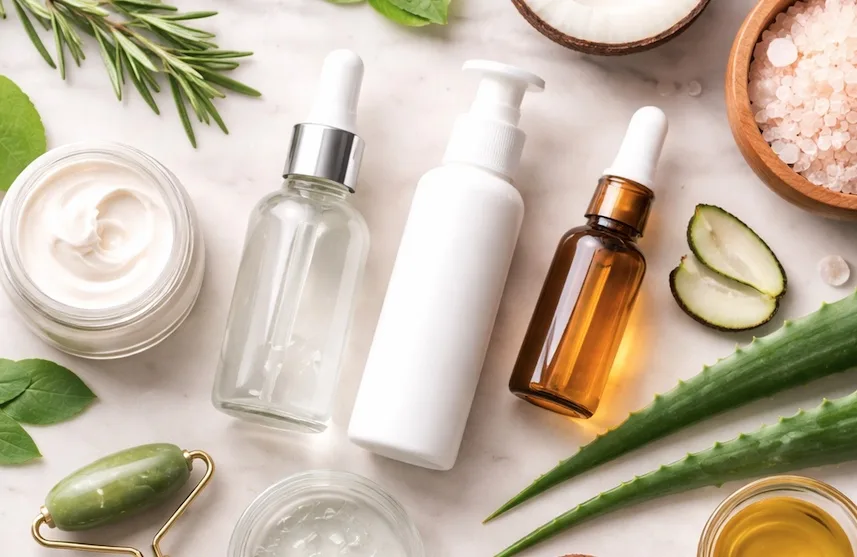
The Mechanical Precision of Packaging: From airtight flip-caps that click shut with a crisp snap to smooth-gliding pump dispensers designed not to sputter, Japanese cosmetic containers provide satisfying physical feedback.
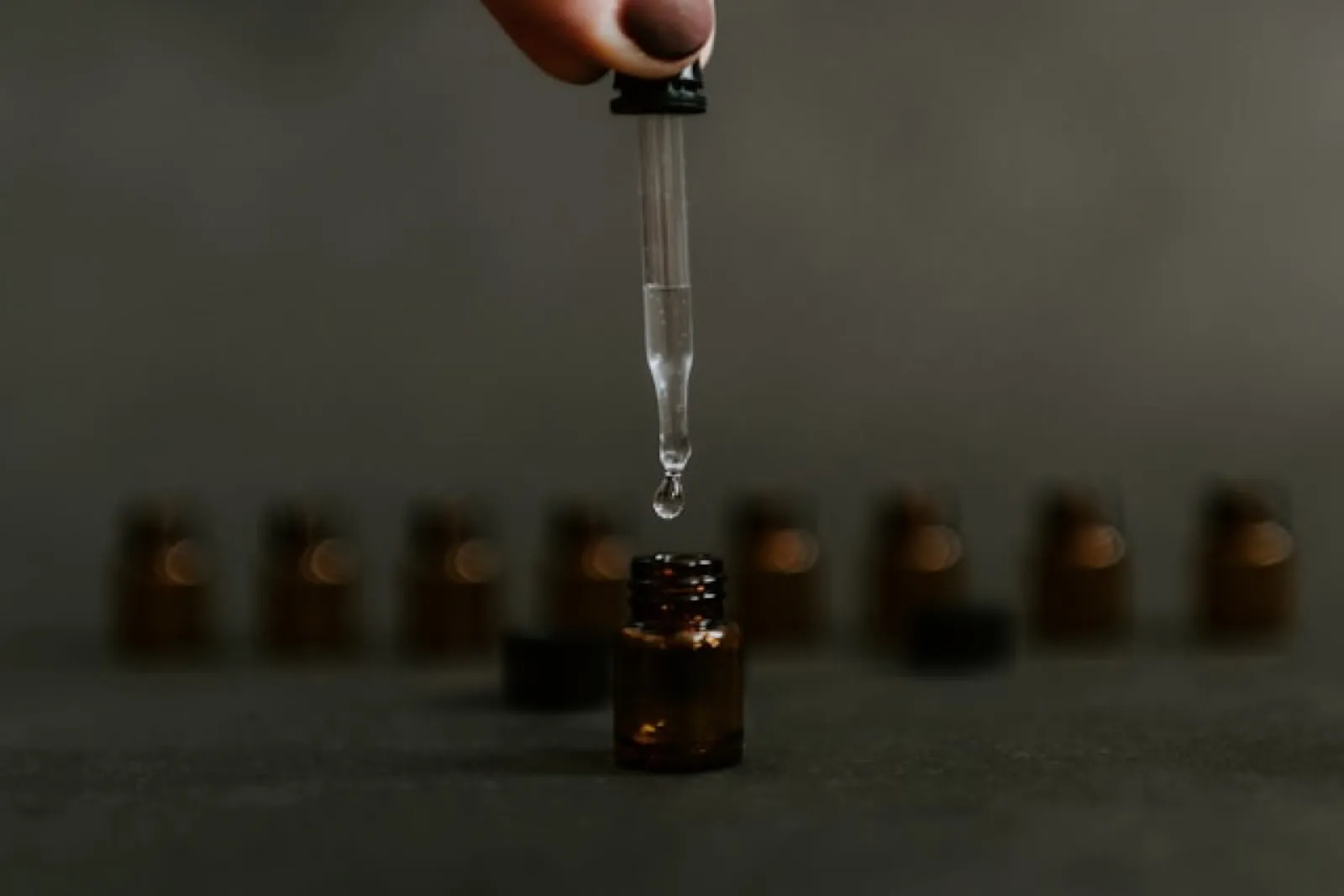
Controlled Dropper Acoustics: Glass pipettes and rubber bulbs calibrated for measured viscosity release single drops that patter softly against glass or skin.
These elements combine to create an immersive auditory experience that communicates cleanliness, gentleness, and intentional self-care.
Why Sensory Feedback Matters in Japanese Skincare Formulation
The prominence of ASMR in Japanese beauty is not merely a social media accident; it is the natural consequence of Japanese cosmetic chemistry. Major Japanese cosmetics manufacturers invest heavily in sensory evaluation laboratories, studying how texture, spreadability, and sound affect user compliance and physical skin comfort.
Friction Reduction and the Skin Barrier
In Japanese dermatology and cosmetic science, physical friction (masatsu) is recognized as a primary trigger for stratum corneum irritation and barrier compromise. Formulators intentionally engineer high-slip emulsifiers, cushioning polymers, and low-friction oils so that fingers glide across the skin without dragging delicate tissue.
When viewers listen to a Japanese skincare ASMR video, the absence of scraping sounds and the presence of wet, gliding acoustic tones directly reflect this friction-reducing formulation philosophy.
Scroll horizontally to view full table
Product Texture
Acoustic / Visual ASMR Cue
Formulation Engineering Behind It
Functional Skin Benefit
Dense Whip Cleanser (*Awa*)
Soft, airy squelch and muffled lathering
Self-foaming surfactant blends or micro-mesh net agitation
Forms a protective physical cushion that cleanses without direct skin-on-hand friction
Water-Burst Lotion (*Keshosui*)
Delicate liquid splash and soft patting sound
Micro-emulsion technology with high free-water ratio
Delivers rapid stratum corneum hydration without heavy film residue
Balm-to-Oil Melting Cleanser
Crisp spatula scoop followed by silent melting
Low-melting-point waxes and botanical ester bases
Dissolves stubborn makeup and sebum gently at body temperature
Dewy Emulsion (*Nyueki*)
Silky gliding glide and quiet palm press
Balanced lipid-water biphasic emulsion with polymer slip
Seals in surface moisture while maintaining a supple, breathable barrier
Cultural Philosophy: Mindful Application and Frictionless Rituals
Beyond acoustics and formulation chemistry, Japanese skincare ASMR resonates globally because it showcases a distinctly calm, unhurried philosophy of daily care.
In many Western beauty routines, application is brisk and functional: scrubbing active acids onto the face, wiping briskly with cotton pads, or rushing through multi-step spot treatments. In contrast, Japanese skincare culture views daily application as a restorative routine (o-teire).
The Technique of Gentle Pressing (Osae-Komi)
A signature visual and auditory motif of Japanese skincare videos is the deliberate hand placement:
Palm Warming: Products are gently warmed between cupped palms to match body temperature, allowing smoother spreadability.
Pressing Rather than Rubbing: Hands are pressed flat against the cheeks, forehead, and jawline (osae-komi), gently transferring moisture without stretching the epidermis.
Slow, Deliberate Pacing: Each step is given time to settle before the next layer is introduced, avoiding pilling and unnecessary dragging.
This rhythmic, mindful cadence provides a soothing visual contrast to high-energy internet media, triggering relaxation responses in viewers seeking relief from sensory overload.
The Role of Packaging Ergonomics in the ASMR Experience
Packaging in the Japanese cosmetics industry is renowned for functional perfection, ergonomic precision, and hygienic safety. What makes these packages satisfying in ASMR videos is directly tied to engineering standards developed for consumer convenience.
Key Packaging Innovations Captured in Audio
One-Touch Dispensing Caps: Flip-top caps on Japanese lotions and cleansers are engineered with tight plastic tolerances, producing a distinct acoustic click that signals an airtight, sanitary closure.
Non-Splattering Pumps: Viscous emulsions and cleansing oils utilize pump chambers with calibrated valves that deliver exact dosages without sudden spraying or harsh mechanical suction noises.
Embedded Spatula Holders: Cleansing balm jars frequently incorporate magnetic lid recesses or snap-in brackets for miniature spatulas, preventing finger contamination while generating crisp tapping sounds during unboxing and use.
Airless Bottles and Eco-Refill Pouches: Refill pouches designed with rigid spout funnels minimize product waste and make clean, satisfying liquid transfer sounds during bottle replenishment.
Practical Takeaways: Bringing Mindful Sensory Care into Your Daily Routine
You do not need recording microphones or social media accounts to benefit from the principles that make Japanese skincare ASMR so engaging. Translating these sensory insights into your own daily bathroom ritual can improve both your skin barrier health and your mental relaxation.
Ditch the Heavy Hand: Replace vigorous rubbing with slow, full-palm pressing (osae-komi). Let the formulation do the work rather than manual force.
Lather Thoroughly Before Touching Your Face: If using a foaming wash, build a dense, tennis-ball-sized dome of lather using your hands or a foaming net. Your palms should touch only the foam, never your facial skin directly.
Listen to Texture Transitions: Pay attention to how your lotion absorbs and when your emulsion feels light versus tacky. Allowing each layer 30 to 60 seconds to integrate reduces product pilling.
Embrace Ergonomic Hygiene: Use spatulas for jars and dispense measured pump amounts to keep products uncontaminated and preserve their intended shelf life.
FAQ
Q1. Does tapping or slapping skin really help skincare absorb faster?
A. Aggressive patting does not increase stratum corneum absorption and may cause mechanical irritation.(Details)
Skincare absorption relies on molecular size, formulation carriers, and skin barrier porosity, not physical impact. While gentle palm pressing helps distribute product evenly and warms the emulsion, vigorous slapping or hard tapping can cause micro-trauma, dilate superficial capillaries, and irritate sensitive complexions. Always prioritize gentle, frictionless contact.
Q2. Why do Japanese foaming cleansers sound and feel so much denser than Western cleansers?
A. They use specific fatty acid salts and micro-bubble net systems designed to prevent hand-to-face friction.(Details)
Japanese cleansers frequently use self-assembling potassium soap bases and polyol humectants that stabilize elastic micro-bubbles. When whipped with water or a mesh net, they produce a fine, cushiony foam that traps sebum and particulate matter while acting as a physical shock absorber between fingers and skin.
Q3. Can watching skincare ASMR replace learning proper skincare techniques?
A. ASMR videos are stylized entertainment and should be cross-referenced with verified label instructions.(Details)
While ASMR videos highlight gentle application gestures, creators often exaggerate product quantities or layer incompatible formulas for acoustic impact. Always follow the manufacturer instructions on usage volume, patch test new products, and prioritize your individual skin needs over aesthetic video trends.
Q4. What makes Japanese lotion bottles make that distinct pouring sound?
A. Precision restrictor orifices regulate fluid flow to deliver exact drops without spilling.(Details)
Japanese bottle necks typically feature molded plastic reducer inserts (*nakasen*). These restrictors are calibrated to the surface tension and viscosity of the specific liquid, allowing one drop to exit per light shake while admitting air smoothly, which produces the rhythmic clicking and pouring sound featured in ASMR audio.
Q5. Are Japanese skincare products scented specifically for ASMR or aromatherapy?
A. Most Japanese mainstream skincare is fragrance-free or lightly scented with subtle natural botanicals.(Details)
Unlike Western or European prestige lines that frequently incorporate pronounced perfumery, Japanese skincare lines targeting sensitive skin tend to be strictly fragrance-free or formulate with minimal botanical essential oils. The sensory focus in Japanese care remains primarily on tactile feel and acoustic gentleness rather than heavy olfactory stimulation.
Summary: The Union of Ergonomics, Chemistry, and Mindfulness
The global popularity of Japanese skincare ASMR is not a fleeting social media gimmick. It is the visual and auditory expression of decades of Japanese cosmetic philosophy:
Formulation for Friction Minimization: Cushioning lathers, water-breaking lotions, and melting balms are designed to safeguard the delicate moisture barrier.
Ergonomic Packaging Design: Functional, precise dispensing containers provide acoustic clarity and clean daily usability.
Mindful Rituals Over Rushed Fixes: Gentle palm pressing (osae-komi) encourages a restorative, calm relationship with self-care.
By tuning into these sensory cues, skincare enthusiasts gain not just relaxation, but a deeper appreciation for the gentle craftsmanship embedded in Japanese beauty.
References
Kao Corporation Global Site: Formulation Research, Sensory Evaluation, and Skin Barrier Science. Accessed November 15, 2026. https://www.kao.com/global/en/
Shiseido Company, Limited: Cosmetic Science, Texture Transition Technologies, and Packaging Ergonomics. Accessed November 15, 2026. https://corp.shiseido.com/en/
KOSÉ Holdings Corporation: Product Quality Standards, Formulation Cushioning, and Container Design. Accessed November 15, 2026. https://koseholdings.co.jp/en/
Disclaimer: This article is for general information and education about Japanese cosmetics and their labels. It is not a substitute for professional medical advice, diagnosis, or treatment. Skincare results vary from person to person. Product formulas, availability, prices, and regulations change, and products sold in Japan can differ from versions sold elsewhere, so always check the current label. Do a patch test before introducing a new product, and consult a doctor or dermatologist if you have a skin condition or specific concerns.