Zero-Friction Japanese Skincare: The Art of Gentle Touch and Barrier Care
How Japan WorksBy Editorial Team
title: Zero-Friction Japanese Skincare: The Art of Gentle Touch and Barrier Care
slug: zero-friction-japanese-skincare-philosophy
category: how-japan-works
published_at: '2026-11-23'
updated_at: '2026-11-23'
meta_description: Discover the Japanese zero-friction skincare philosophy, why avoiding rubbing protects delicate skin barriers, and daily techniques for friction-free care.
keywords:
zero friction japanese skincare
masatsu less beauty philosophy
gentle cleansing cushion foam
hand press skincare technique
japanese skin barrier preservation
lead_image: /images/stock/woman-cleansing-face-with-rich-foam.webp
lead_image_alt: Woman cleansing facial skin using a dense micro-foam cushion to eliminate physical friction
publish: true
Zero-Friction Japanese Skincare: The Art of Gentle Touch and Barrier Care
Ask any Japanese aesthetician, dermatologist, or beauty editor for the single most important rule of lifelong skin health, and their answer will not be an expensive luxury serum or high-tech facial device. Instead, they will deliver an uncompromising directive: never rub your face. Known domestically as the zero-friction or friction-free (masatsu-less) philosophy, this mindful touch doctrine has transformed how millions of people across Japan wash, hydrate, and touch their complexions every day.
Quick answer: The Japanese zero-friction skincare philosophy holds that physical rubbing, scrubbing, and aggressive wiping degrade the fragile stratum corneum, trigger chronic micro-inflammation, and accelerate hyperpigmentation. By utilizing self-foaming cleansers, dense whipped lather cushions, and gentle hand-pressing techniques, users protect their barrier lipids while cleansing and conditioning deeply.
The anatomy of friction: why rubbing damages facial skin
To understand why Japanese skincare formulators obsess over friction, one must examine the delicate physical architecture of the human stratum corneum. The outermost protective shield of your facial skin measures merely 10 to 20 micrometers in thickness—roughly equivalent to the delicate film of a plastic kitchen wrap.
Beneath this sheer surface lies a meticulously organized brick-and-mortar structure composed of corneocytes bonded by ceramides, cholesterol, and free fatty acids. When hands, towels, or abrasive facial brushes drag across dry or semi-dry skin, the mechanical shear force displaces these fragile intercellular lipids.
Resist the temptation to scrub your skin because scrubbing irritates the skin, stripping protective intercellular lipids and accelerating inflammation[2]. Furthermore, dermatological guidance emphasizes that using a washcloth, mesh sponge, or anything other than your fingertips can irritate your skin, introducing unnecessary micro-tears across the stratum corneum[2].
Over months and years, repeated physical dragging triggers sub-clinical chronic inflammation. This silent irritation activates melanocytes to deposit stubborn pigment shadows (frequently compounding facial discoloration and dark patches) and weakens underlying dermal elasticity, leading to premature sagging around the eyes and nasolabial folds.
The foam cushion technique: washing without skin-on-skin contact
The most visible manifestation of zero-friction skincare is Japan's revered foam cushion cleansing method. In traditional Western routines, cleanser is often smeared across the face with direct palm friction. In Japanese bathrooms, the hands never actually make direct contact with the facial surface during washing.
Scroll horizontally to view full table
Step
Conventional Rubbing Method
Japanese Zero-Friction Method
Cleanser Application
Rubbing gel or cream directly into skin using palms
Whipping dense micro-bubbles to create an elastic physical buffer
Washing Action
Circular dragging and scrubbing to dislodge grime
Pressing the foam cushion rhythmically so air bubbles suction away sebum
Rinsing
Vigorous splashing and wiping with hot water
Cupping lukewarm water to rinse away lather passively without friction
Drying
Rubbing face dry with a standard bathroom terrycloth
Gently pressing a soft, clean towel to blot moisture absorbently
Leading Japanese research laboratories engineer self-foaming pump dispensers that generate elastic micro-bubbles capable of trapping microscopic dirt particles. This technology preserves the natural moisture barrier while cleansing, making it suitable even for delicate dryness-prone skin and infant skin[1].
The four pillars of the friction-free routine
Adopting the zero-friction mindset extends far beyond the bathroom sink. It encompasses every physical touchpoint in your morning and evening skincare rituals.
1. The Foam Cushion Wash
Whether using a foaming net (awa-date netto) or a specialized pump dispenser, create a tennis-ball-sized mound of dense, stiff lather. Place the foam on your forehead, cheeks, nose, and chin. Without letting your fingers scrape your skin, pulse the foam against your face. The elastic surface tension of the micro-bubbles vacuums up oxidized lipids and particulate matter effortlessly.
2. Cupping Rinses with Lukewarm Water
Never rinse your face under high-pressure shower heads, as direct water pressure creates micro-stress on facial capillaries. Instead, cup lukewarm water (around 32°C to 34°C, roughly body-cool) in both hands and gently submerge your face, splashing 15 to 20 times until all cleanser residue dissolves.
3. Towel Pressing (Pat-Drying)
Rinse with lukewarm water and pat dry with a soft towel, avoiding vigorous dragging motions that break down delicate epidermal elasticity[2]. Fold a plush, clean cotton towel and press it flat against your forehead and cheeks for three seconds, allowing the fabric fibers to absorb surface moisture purely through capillary action.
4. Hand-Pressing Lotions and Emulsions (Ten-oh-shi)
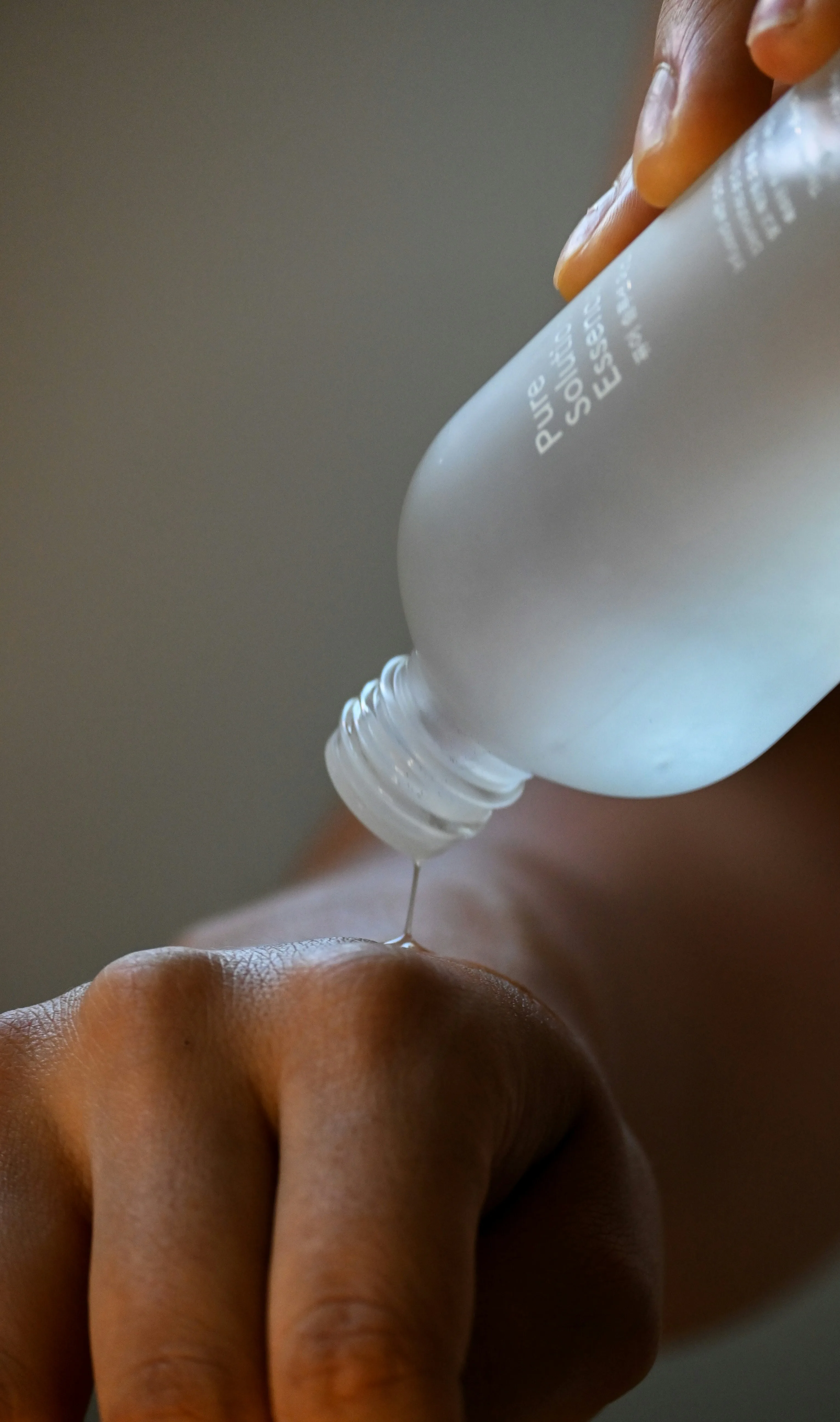
When applying watery balancing lotions (Kesho-Sui) or milky emulsions, avoid slapping or sliding hands across your skin. Pour the formula into warm palms, distribute it evenly across both hands, and gently cup your face. Hold your palms in place for five seconds per section, allowing body heat to ease the liquid humectants into the stratum corneum.
Common friction traps to avoid today
Even well-intentioned skincare enthusiasts often commit unconscious friction errors throughout their daily habits:
Aggressive Makeup Wiping: Dragging disposable cleansing wipes across eye makeup stretches fragile eyelid tissues. Replace wipes with an emulsifying cleansing oil or balm that dissolves waterproof mascara through touchless melting.
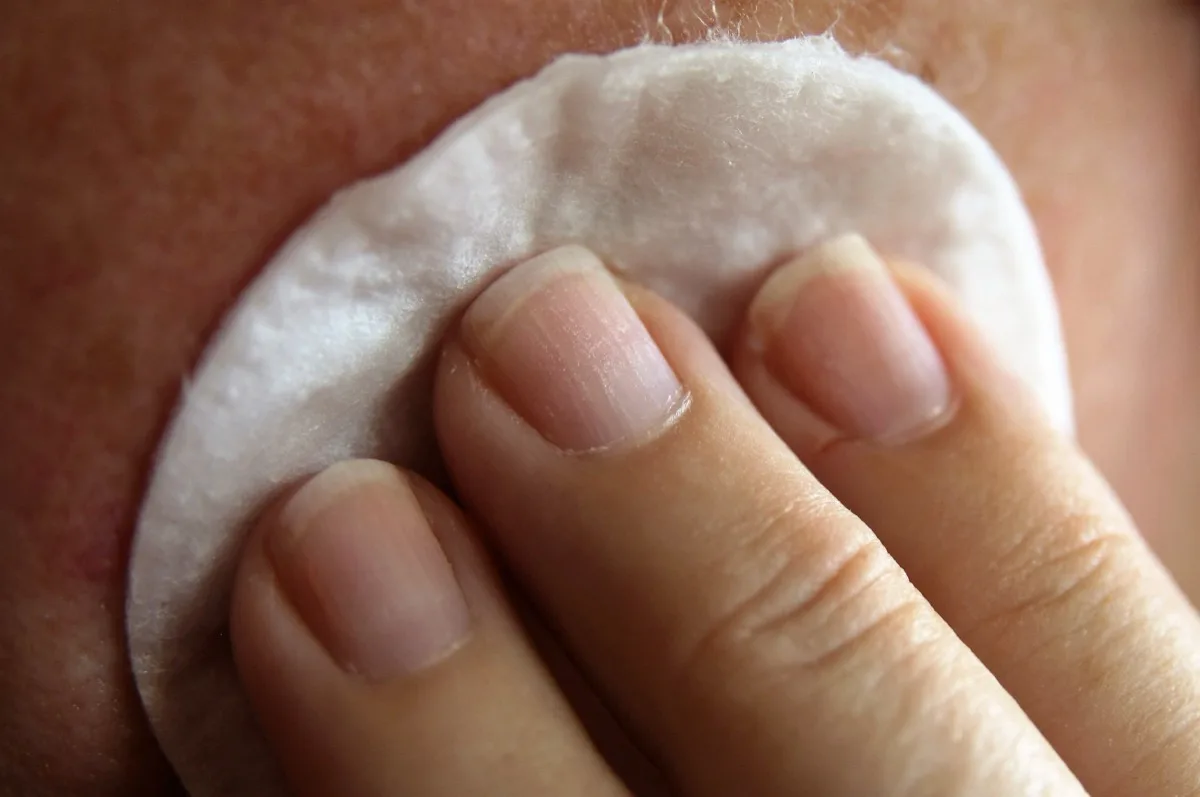
Cotton Pad Pulling: If using toner pads or exfoliating pads, never pull or scrub. Saturate the cotton fully so it glides with zero drag, or simply apply lotions with clean bare hands.
Rubbing During Sunscreen Application: Spreading thick sunscreen hurriedly can pull the skin. Instead, dot sunscreen evenly across five facial points (forehead, nose, cheeks, chin) and smooth it outward using featherlight, unidirectional strokes.
Resting Face on Hands: Leaning your chin or cheeks into your hands while working at a computer generates constant lateral friction and pushes bacteria into pores.
Signs to stop and when to see a doctor
Adopting a gentle zero-friction regimen immediately reduces irritation for the vast majority of skin types. However, if your skin exhibits persistent distress, underlying medical conditions may be present.
Persistent Erythema or Burning: If facial redness remains intense despite stopping all physical friction and switching to bland cleansers, you may be experiencing an allergic contact dermatitis or an active rosacea flare.
Cracking, Scaling, or Oozing: Severe barrier breakdown where skin fissures, weeps fluid, or stings upon contact with plain water requires medical intervention rather than cosmetic adjustments.
Spread of Inflammatory Papules: Rapidly multiplying pustules or painful nodules indicate cystic acne or folliculitis that gentle cleansing alone cannot resolve.
When to Consult a Dermatologist: Seek professional evaluation if facial swelling develops, if redness centers around the mid-face and eyes, or if chronic flaking fails to improve after two weeks of strict zero-friction care.
FAQ
Q1. How can my face get truly clean if I never scrub?
A. Modern surfactants and dense foam suction away sebum chemically without physical scrubbing.(Details)
Cleansing occurs through chemistry rather than mechanical abrasion. Surfactant molecules possess hydrophilic and lipophilic ends that naturally bond to oil, sunscreen, and particulate dirt. When whipped into dense micro-foam, the immense surface area of millions of tiny bubbles lifts and dissolves grime upon contact, requiring zero manual friction.
Q2. Does physical friction really cause pigmentation and dark spots?
A. Yes, mechanical friction triggers inflammatory pathways that stimulate melanocyte activity.(Details)
Dermatological research in Japan has demonstrated a strong correlation between chronic facial rubbing—such as aggressive towel drying, vigorous foundation blending, or facial massage—and post-inflammatory hyperpigmentation. This mechanical irritation triggers inflammatory cytokines that instruct melanocytes to produce protective melanin, darkening skin tone over time.
Q3. Should I apply Japanese lotions with hands or cotton pads?
A. Clean bare hands provide the gentlest, completely friction-free application method.(Details)
While some luxury Japanese brands design ultra-soft layered cotton pads for exfoliating toners, using bare hands avoids potential friction from cotton fibers. Pouring watery lotion into clean palms and pressing it gently across your complexion utilizes natural body warmth to aid absorption without dragging.
Q4. Are facial cleansing brushes or silicone scrubbers recommended?
A. No, Japanese zero-friction philosophy discourages rotating brushes and scrub tools.(Details)
Mechanical cleansing devices, rotating bristles, and textured silicone pads exert significant abrasive shear force across the stratum corneum. For sensitive, aging, or acne-prone skin, these tools frequently disrupt the moisture barrier and worsen chronic inflammation. Japanese dermatologists strongly advocate using only cushion foam and gentle fingertips.
Q5. How long before I see improvements after switching to zero friction?
A. Redness subsides within a few days, while barrier resilience strengthens over 3 to 4 weeks.(Details)
Within 48 to 72 hours of stopping all facial rubbing, users typically notice reduced stinging, calmer skin tone, and less tight dryness after washing. Over a full epidermal renewal cycle of 28 days, the stratum corneum rebuilds its lipid density, resulting in noticeably plumper, smoother, and more radiant skin.
Summary
The Japanese zero-friction skincare philosophy serves as a profound reminder that true skincare effectiveness is defined not by force, but by respect for biological physiology. By swapping vigorous scrubbing for buoyant foam cushions, rough towels for gentle blotting, and hurried spreading for soothing hand-presses, you protect the microscopic moisture barrier that keeps skin youthful and resilient. Approach your face with the delicacy of fine silk, and your complexion will reward you with lifelong clarity and calm.
Disclaimer: This article is for general information and education about Japanese cosmetics and their labels. It is not a substitute for professional medical advice, diagnosis, or treatment. Skincare results vary from person to person. Product formulas, availability, prices, and regulations change, and products sold in Japan can differ from versions sold elsewhere, so always check the current label. Do a patch test before introducing a new product, and consult a doctor or dermatologist if you have a skin condition or specific concerns.