title: Japanese Heel Moisturizing Socks: Gel-Lined Night Care slug: japanese-heel-moisturizing-socks-gel-lined category: hydration published_at: '2026-11-23' updated_at: '2026-11-23' meta_description: Discover how Japanese gel-lined heel moisturizing socks trap natural moisture and soften thick cracked stratum corneum overnight without messy greasiness. keywords:
- japanese heel moisturizing socks gel lined
- kakatochan heel socks japan
- gel lined heel socks dry cracked feet
- japanese foot care night routine
- namerakakato heel moisture stick lead_image: /images/stock/foot_bath.webp lead_image_alt: Warm foot care bath setting representing Japanese nighttime heel softening rituals thumbnail: /images/stock/foot_bath.webp thumbnail_alt: Warm foot care bath setting representing Japanese nighttime heel softening rituals author: Editorial Team publish: true
Japanese Heel Moisturizing Socks: Gel-Lined Night Care
Dry, cracked heels represent one of the most stubborn personal care challenges. Because heel skin lacks sebaceous glands, it produces zero natural sebum, leaving it entirely reliant on ambient moisture and topical emollients. In Japan, where indoor life centers on barefoot culture and exposed tatami living, smooth and tidy heels are an essential aspect of grooming. Rather than relying solely on aggressive rasps or slippery ointments, Japanese innovators developed gel-lined heel moisturizing socks designed for effortless overnight restoration.
Quick answer: Japanese gel-lined heel moisturizing socks utilize built-in thermoplastic elastomer (TPE) gel cushions or chloroprene rubber linings to create a physical occlusive barrier. By trapping natural insensible perspiration and preventing moisture evaporation overnight, these toeless socks soften thick, rigid stratum corneum without transferring heavy foot creams onto bed linens.
The Science of Occlusive Heel Hydration
The stratum corneum on the human heel is roughly thirty times thicker than facial skin, designed biologically to bear heavy bodyweight impacts. Under friction and dry air, dead skin cells pile up into dense, rigid calluses that resist standard lightweight lotions.
Japanese foot care socks bypass the need for constant chemical peeling by utilizing occlusive thermodynamic moisture trapping:
1. Stopping Transepidermal Moisture Evaporation
The human foot naturally releases insensible perspiration throughout the night. Normal cotton socks absorb this vapor and vent it into the air, allowing heels to dry out. In contrast, Japanese specialty socks integrate internal chloroprene rubber or polymer gel pads that form a vapor-tight seal, sealing in moisture that would otherwise evaporate to boost hydration levels threefold[1].
2. Thermal Heat Retention Softens Rigid Keratin
In addition to moisture retention, Japanese materials—such as titanium-coated chloroprene neoprene fabrics—reflect natural body heat back into the foot tissue. This gentle thermal insulation softens compacted keratin layers, delivering intensive overnight care for rough keratinized heels simply by wearing them to sleep[1].
3. Breathable Toeless Engineering
A notable hallmark of Japanese heel sock design is the toeless (open-toe) cut. By leaving the toes and forefoot uncovered, the body naturally regulates nocturnal core temperature through distal heat venting, preventing overheating or restless feet while maintaining intense moisture concentration directly over the heel cup.
Combining Gel Socks with Japanese Heel Balms
While Japanese gel socks function effectively on bare skin by trapping natural sweat vapor, pairing them with concentrated Japanese foot balms dramatically accelerates relief for deep, rigid fissures.
The Synergy of Solid Stick Balms
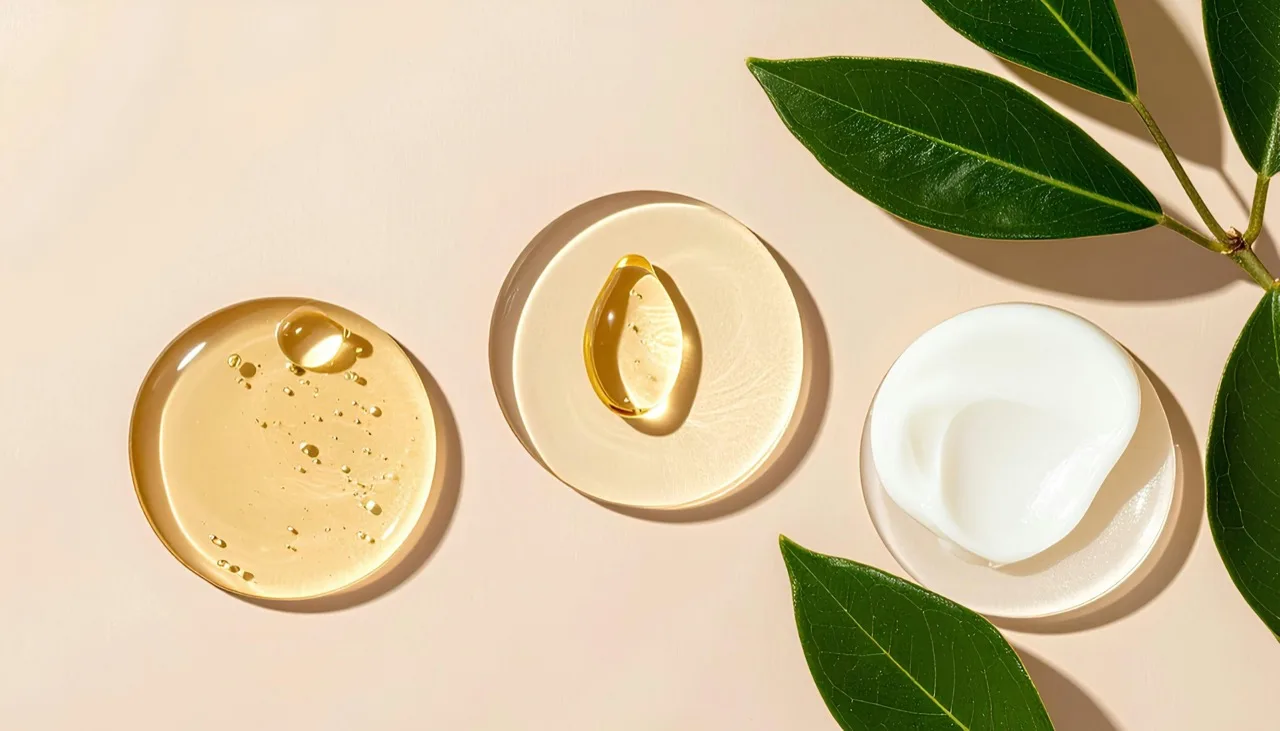
Traditional foot creams in jars often leave greasy hands and oily floor marks. Japanese formulators resolved this through twist-up solid emollient sticks (Namerakakato). Designed for direct friction-free glide, these formulas are formulated with petrolatum, castor oil, squalane, olive fruit oil, rice bran oil, and beeswax[2].
When swiped over rough skin before slipping into gel-lined socks, the solid lipid matrix creates an intimate emollient layer, imparting moisture to rough, hardened heels overnight for a smooth, supple texture[2].
Comparison: Japanese Gel Socks vs. Chemical Peels and Traditional Files
Evaluating different heel management tools helps you balance gentle daily hydration with occasional dead skin removal.
Scroll horizontally to view full table
| Care Method | Primary Mechanism | Key Benefit | Potential Drawback | Ideal Routine |
|---|---|---|---|---|
| Japanese Gel-Lined Socks | Physical occlusive moisture & thermal trapping | Gentle, reusable, zero downtime; softens continuously | Requires consistent nightly wear | Nightly or 3–4 times per week |
| Exfoliating Foot Peel Booties | High-strength AHA / lactic acid keratolysis | Sheds thick calluses in large sheets | Messy shedding over 7–10 days; can irritate raw skin | Once every 2–3 months |
| Manual Pumice / Metal Rasp | Physical abrasive friction friction | Instant removal of surface crust | Can trigger rebound keratinization if over-grated | Once weekly after bath time |
| Standard Cotton Socks + Lotion | Basic cotton absorption | Everyday comfort; universal availability | Cotton absorbs lotion away from heel skin | Everyday loungewear |