title: Japanese Lotion Layering: 2 Times vs 3 Times Guide slug: japanese-lotion-layering-2-times-vs-3-times category: hydration category_label: Hydration & Moisture published_at: '2026-11-23' updated_at: '2026-11-23' meta_description: Learn how Japanese lotion layering works. Discover whether applying your toner 2 times vs 3 times suits your skin type, hydration needs, and daily routine. description: Learn how Japanese lotion layering works. Discover whether applying your toner 2 times vs 3 times suits your skin type, hydration needs, and daily routine. hero_image: /images/stock/cotton-pad-lotion-application-closeup.webp hero_image_alt: Japanese lotion layering application on skin with soft cotton pad thumbnail: /images/stock/cotton-pad-lotion-application-closeup.webp thumbnail_alt: Japanese lotion layering application on skin with soft cotton pad reading_time: 6 author: Editorial Team publish: true
Japanese Lotion Layering: 2 Times vs 3 Times Guide
Quick answer
Japanese lotion layering (keshosui kasane-zuke) involves applying watery hydrating toner in successive light layers rather than dumping one heavy puddle onto the face. Applying 2 layers offers balanced daily hydration ideal for normal to combination skin, while 3 layers provides intensive moisture retention for dry climates or parched barrier conditions without heaviness.
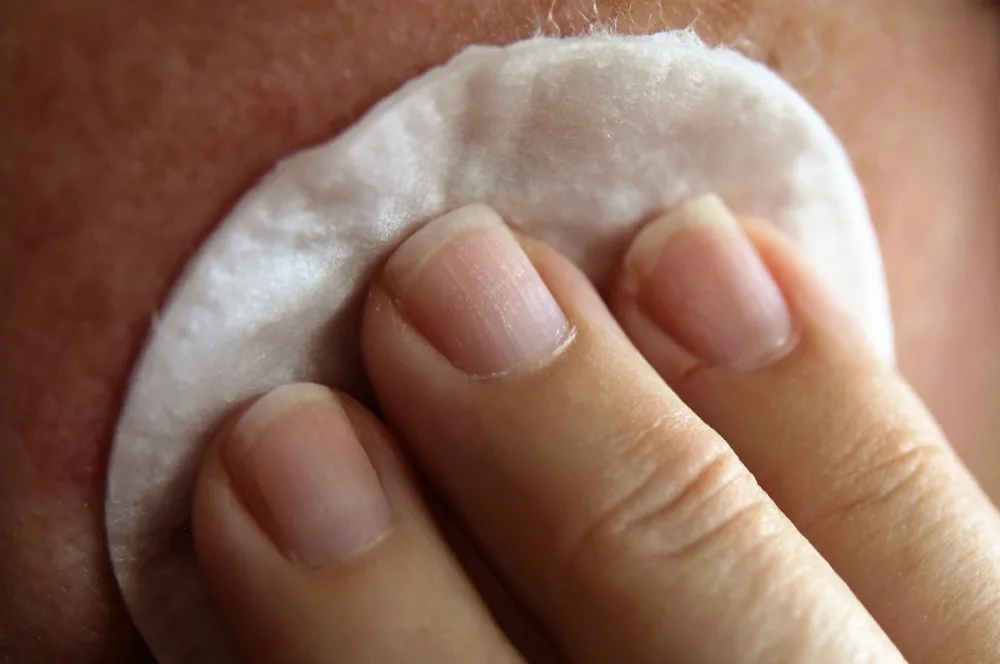
In the Japanese skincare philosophy, hydrating lotion (keshosui) is not an astringent cleanser or exfoliating toner. Instead, it serves as the foundational moisture delivery vehicle designed to saturate the outermost layer of the skin (stratum corneum) with water and humectants before applying lipid-based emulsions or creams.
A central ritual practiced across Japanese households and aesthetic salons is lotion layering (kasane-zuke). Rather than pouring a palmful of liquid and splashing it haphazardly, beauty practitioners recommend applying smaller coin-sized amounts in multiple passes. But how many passes are ideal? Is applying lotion twice sufficient, or does a third layer achieve significantly greater softness? Here is an evidence-based comparison between 2-layer and 3-layer application techniques.
Why Japanese Skincare Prioritizes Multiple Light Layers
Human skin behaves much like a dehydrated kitchen sponge. If you dump a cup of water over a dry, stiff sponge, most of the liquid cascades off the sides without absorbing. However, if you add a few drops first, let the fibers swell slightly, and then add more moisture, the sponge readily drinks in the liquid.
Cosmetic formulators in Japan engineer watery lotions to mimic this physiological saturation:
- Initial Surface Wetting: The first light pass softens surface keratinocytes, lowering the surface tension of dry skin.
- Humectant Infiltration: Successive applications deliver micro-molecular humectants—such as low-molecular hyaluronic acid, amino acids, and glycerin—deeper into intercellular spaces of the stratum corneum.
- Plumped Intercellular Lipids: Gradual hydration allows natural moisturizing factors (NMF) to expand evenly, creating a supple moisture cushion without leaving sticky film or suffocating pores.
2 Times Layering: The Daily Standard for Balanced Skin
For everyday maintenance across most climates, applying Japanese lotion two times serves as the golden standard.
How to Execute the 2-Layer Method
- First Pass (Preparation): Dispense a 500-yen coin size (or approximately 2 to 3 ml) into the palms. Warm gently between hands and press softly across the cheeks, forehead, chin, and neck. This primes the stratum corneum and relieves immediate post-wash tightness.
- Pause (20–30 Seconds): Allow the skin surface to drink in the liquid until it feels soft and cool rather than wet or dripping.
- Second Pass (Targeted Replenishment): Dispense a slightly smaller coin-sized amount (about 1 to 2 ml). Focus this second layer on naturally drier zones, such as the orbital bone around the eyes, the corners of the mouth, and cheeks.
Who Benefits Most from 2 Layers?
- Normal to Combination Skin Types: Delivers optimal water content without over-saturating the oil-prone T-zone.
- Warm and Humid Seasons: Keeps daytime skincare lightweight under sunscreen and base makeup.
- Busy Morning Routines: Takes less than one minute, avoiding delays before applying milky emulsion and sunscreen.
3 Times Layering: Intensive Moisture for Parched Conditions
When seasonal dryness peaks, during long flights, or when experiencing mild environmental barrier fatigue, stepping up to three layers provides intensive conditioning comparable to a sheet mask.
How to Execute the 3-Layer Method
- First Pass (Base Infiltration): Apply evenly across the entire face with gentle palm pressing.
- Second Pass (Full Absorption): Apply a second equal portion, using cupped hands to hold warmth against the skin.
- Third Pass (Micro-Pressing & Cushioning): Take a final small portion, gently patting with finger pads over areas prone to flaking or tightness. Skin should feel noticeably cool, supple, and slightly bouncy (mochi-hada texture).
Who Benefits Most from 3 Layers?
- Dry and Dehydrated Skin: Replaces lost moisture without requiring heavy occlusive balms that might clog delicate pores.
- Post-Sun Exposure or Winter Heating: Calms the sensation of heat and tightness induced by dry indoor radiators or dry winds.
- Evening Pampering Rituals: Creates a luxurious self-care experience before locking in moisture with night cream.

Comparison: 2 Layers vs 3 Layers at a Glance
The following summary outlines the technical differences, time commitments, and skin suitability for each method:
Scroll horizontally to view full table
| Feature | 2 Times Layering | 3 Times Layering |
|---|---|---|
| Primary Purpose | Daily balanced moisture maintenance | Deep stratum corneum rehydration |
| Time Required | Approx. 1 minute | Approx. 2 to 3 minutes |
| Recommended Skin Types | Normal, oily, combination skin | Dry, dehydrated, mature skin |
| Ideal Season / Climate | Spring, summer, humid environments | Autumn, winter, air-conditioned rooms |
| Finish on Skin | Fresh, weightless, zero tackiness | Plump, dewy, cushiony softness |
| Risk of Over-Saturation | Minimal | Potential stickiness if lotion is viscous |