title: Japanese Lotion Mask 3-Minute Cotton Sheet Hack: Reverse Dryness Warning slug: japanese-lotion-mask-3-minute-cotton-sheet-hack category: hydration published_at: '2026-11-23' updated_at: '2026-11-23' meta_description: Learn the Japanese 3-minute cotton lotion mask hack, how multi-layer pads boost hydration, and why leaving cotton on too long triggers reverse dryness. keywords:
- japanese lotion mask hack
- 3 minute cotton pack
- reverse dryness warning
- keshosui cotton masking
- j-beauty hydration technique lead_image: /images/stock/cotton-pad-lotion-application-closeup.webp lead_image_alt: Close-up of cotton pad saturated with hydrating Japanese lotion for a 3-minute pack author: Editorial Team publish: true
Japanese Lotion Mask 3-Minute Cotton Sheet Hack: Reverse Dryness Warning
In Japanese skincare, plumping dehydrated surface cells does not always require purchasing expensive sheet masks packed in heavy plastic envelopes. For decades, beauty insiders across Japan have relied on the 3-minute cotton lotion mask hack (often called cotton pack or rooshon pakku).
Originally popularized by veteran beauty director Chizu Saeki and subsequently refined by modern J-beauty enthusiasts, this technique turns an affordable bottle of watery hydrating lotion (keshosui) and peeling cotton pads into an intensive, spa-level moisture compress. However, mastering this ritual requires understanding a crucial physiological boundary: leaving the cotton on for even a few minutes too long triggers reverse dryness, drawing moisture backward out of your skin.
Quick answer: The Japanese 3-minute lotion mask hack uses split peeling cotton pads saturated with lightweight humectant lotion to create a targeted moisture compress. Leaving the compress on for exactly three minutes saturates the stratum corneum with hydration; leaving it on longer causes evaporating cotton fibers to pull moisture out of the epidermis, worsening dehydration.
The evolution of the Japanese cotton mask hack
The foundation of the Japanese cotton mask was laid in the early 2000s when beauty visionary Chizu Saeki advocated replacing aggressive rubbing with stationary wet compresses. She reasoned that thirsty skin absorbs watery humectants far more effectively when water is held against surface cells under a breathable barrier, much like watering garden soil gently rather than pouring a torrent over dried earth.
Over the years, Japanese cosmetic manufacturers evolved this concept further. Modern Japanese drugstores now feature specially engineered peelable cotton (multi-layer pads designed to separate cleanly into four or five ultra-thin sheets) and high-volume conditioning lotions. Rather than soaking pre-formed fabric sheets in thick essences, you customize the fluid and target specific facial zones—such as dry cheeks, dehydrated forehead zones, or tired under-eye contours.
The critical reverse dryness warning: why 3 minutes is non-negotiable
The single most common mistake among skincare beginners is assuming that if three minutes is good, twenty minutes must be better. In cotton masking, this assumption proves counterproductive due to the physical law of capillary action and ambient evaporation.
How reverse osmosis and evaporation deplete surface hydration
- The Absorption Window (Minutes 0 to 3): A thoroughly saturated cotton pad possesses higher water potential than the outer stratum corneum. During the first three minutes, water and water-binding humectants migrate smoothly from the wet cotton fibers into the intercellular lipids of the epidermis.
- The Equilibrium Threshold (Minute 3): At approximately the three-minute mark, moisture balance reaches equilibrium. The surface layers of the skin are fully quenched.
- The Reverse Desiccation Trap (Minute 4 and Beyond): As ambient room air evaporates moisture from the outer surface of the cotton pad, the dry fibers begin acting like a desiccating sponge. The cotton physically draws moisture backward from the epidermal layer into the drying fibers, exacerbating trans-epidermal water loss (TEWL) and leaving skin tighter than before.
Therefore, Japanese dermatologists and aesthetic educators maintain an uncompromising rule: remove the cotton while it is still damp to the touch.
Step-by-step: how to perform the 3-minute cotton mask
To execute the modern Japanese cotton mask effectively while safeguarding your skin barrier, follow this streamlined five-step sequence:
Step 1: Cleanse with gentle lukewarm care
Prepare your complexion by washing with a mild cleanser. The American Academy of Dermatology (AAD) highlights gentle handling: "Wet your face with lukewarm water and use your fingertips to apply cleanser"[1]. Furthermore, the AAD stresses: "Resist the temptation to scrub your skin because scrubbing irritates the skin"[1]. Complete cleansing by following their guidance: "Rinse with lukewarm water and pat dry with a soft towel"[1].
Step 2: Moisten cotton pads with purified water
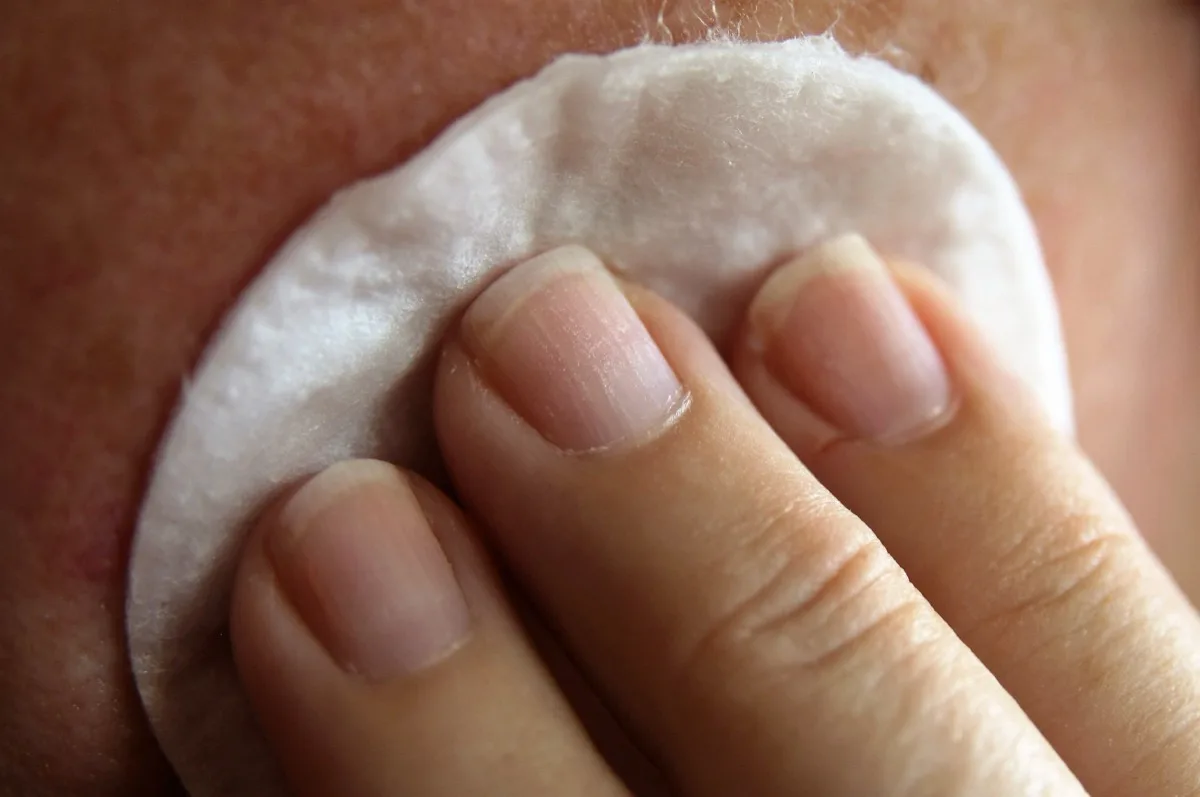
Take two large multi-layer Japanese cotton squares. Moisten them lightly with purified or thermal spring water, then gently press the pads between your clean palms to squeeze out excess fluid until they are damp but not dripping. This pre-moistening step prevents the cotton fibers from greedily absorbing excessive amounts of your skincare lotion.
Step 3: Saturate generously with hydrating lotion
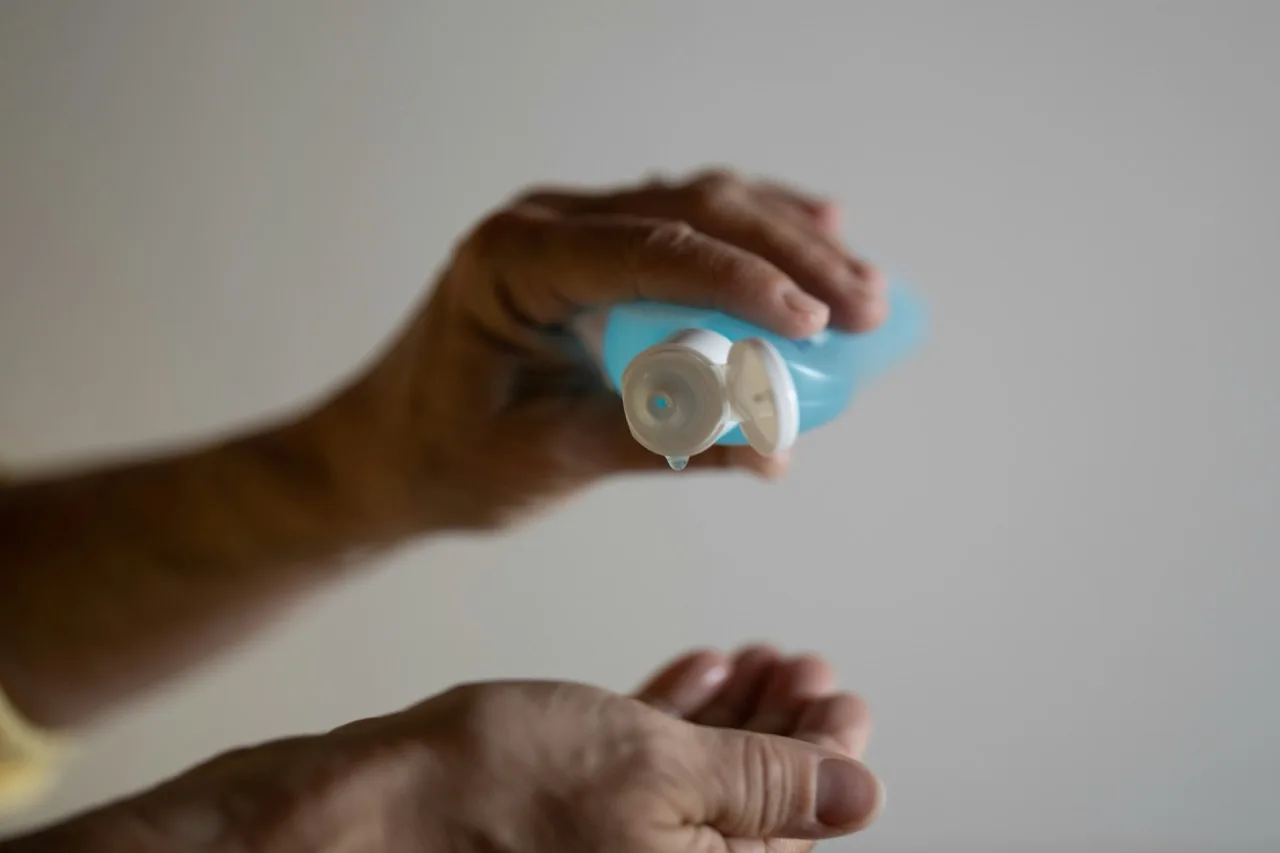
Pour your preferred Japanese hydrating lotion over the damp cotton pads until they are completely translucent and soaked. Japanese formulations frequently utilize specialized fermented hyaluronic acid and multiple molecular weights to replenish the stratum corneum[2], combining hydrolyzed low-molecular hyaluronic acid with sodium acetylated hyaluronate to deeply hydrate dry skin[2].
Step 4: Split, stretch, and drape across facial zones
Gently separate each square into four or five paper-thin layers. Lightly stretch each thin sheet horizontally along its fiber grain to expand its surface area. Drape the damp sheets across your cheeks, forehead, bridge of the nose, and chin, smoothing out air bubbles so the cotton adheres smoothly.
Step 5: Remove at 3 minutes and seal immediately
Set a timer for exactly three minutes. Once the alert sounds, peel the damp sheets away immediately. Gently press any residual lotion into your complexion using warm, cupped palms, and immediately apply a lipid-rich milky emulsion (nyuueki) or cream to lock moisture in place.
Comparing hydration formats: DIY cotton pack vs. sheet mask vs. layering
Scroll horizontally to view full table
| Parameter | 3-Minute Cotton Mask | Standard Sheet Mask | Manual Lotion Layering (7-Skin) |
|---|---|---|---|
| Application Time | Strictly 3 minutes | 10 to 15 minutes | 3 to 5 minutes |
| Fluid Type | Watery humectant lotion | Viscous serum or essence | Watery to medium lotion |
| Mechanical Friction | Zero (stationary compress) | Zero (stationary mask) | Low to moderate (repeated patting) |
| Risk of Reverse Dryness | High if left over 3 minutes | Moderate if dried completely | None |
| Cost Efficiency | Extremely economical daily | Moderate to expensive | Economical |
| Customization | Target specific dry zones | Pre-cut full face only | Entire face |