Allantoin and Dipotassium Glycyrrhizate Duo: J-Beauty Guide
IngredientsBy SEIBUN LAB Editorial Team
title: "Allantoin and Dipotassium Glycyrrhizate Duo: J-Beauty Guide"
description: "Discover the allantoin and dipotassium glycyrrhizate duo in Japanese skincare. Learn anti-inflammatory synergy, barrier soothing science, and daily benefits."
category: "ingredients"
slug: "allantoin-and-dipotassium-glycyrrhizate-duo"
hero_image: "/images/stock/calming-botanical-soothing-allantoin.jpg"
hero_image_alt: "Botanical calming ingredients showcasing allantoin and licorice root extracts"
published_at: "2026-11-20"
last_modified_at: "2026-11-20"
Allantoin and Dipotassium Glycyrrhizate Duo: J-Beauty Guide
Turn over almost any Japanese quasi-drug (iyaku-bugaihin) lotion, gel, or balm formulated for sensitive, reactive, or acne-prone skin, and you will almost certainly spot a powerhouse combination: Allantoin and Dipotassium Glycyrrhizate (Gurichirurichin-san Ni-Kariumu). In Japanese cosmetic dermatology, this pairing represents the undisputed gold standard for non-steroidal skin barrier soothing.
While single-ingredient marketing dominates many international skincare lines, Japanese formulation science favors synergistic duos. By pairing a potent botanical calming agent with a cellular renewal stimulant, Japanese quasi-drugs tackle both the symptoms of irritation and the structural damage behind a compromised skin barrier.
Quick answer: Allantoin and Dipotassium Glycyrrhizate Duo: J-Beauty Guide
The duo of allantoin and dipotassium glycyrrhizate forms Japan's benchmark quasi-drug soothing complex. Dipotassium glycyrrhizate (licorice extract) acts as a rapid calming agent that quiets redness, while allantoin supports tissue recovery and softens rough, flaky keratin. Together, they soothe immediate surface irritation while reinforcing the delicate stratum corneum barrier.
Meet the Ingredients: The Firefighter and The Rebuilder
Conclusion: Dipotassium glycyrrhizate calms active irritation cascades, while allantoin encourages surface renewal to support damaged stratum corneum tissue.
To understand why Japanese dermatological formulators rely so heavily on this pairing, examine their distinct physiological roles:
1. Dipotassium Glycyrrhizate: The Barrier-Calming "Firefighter"
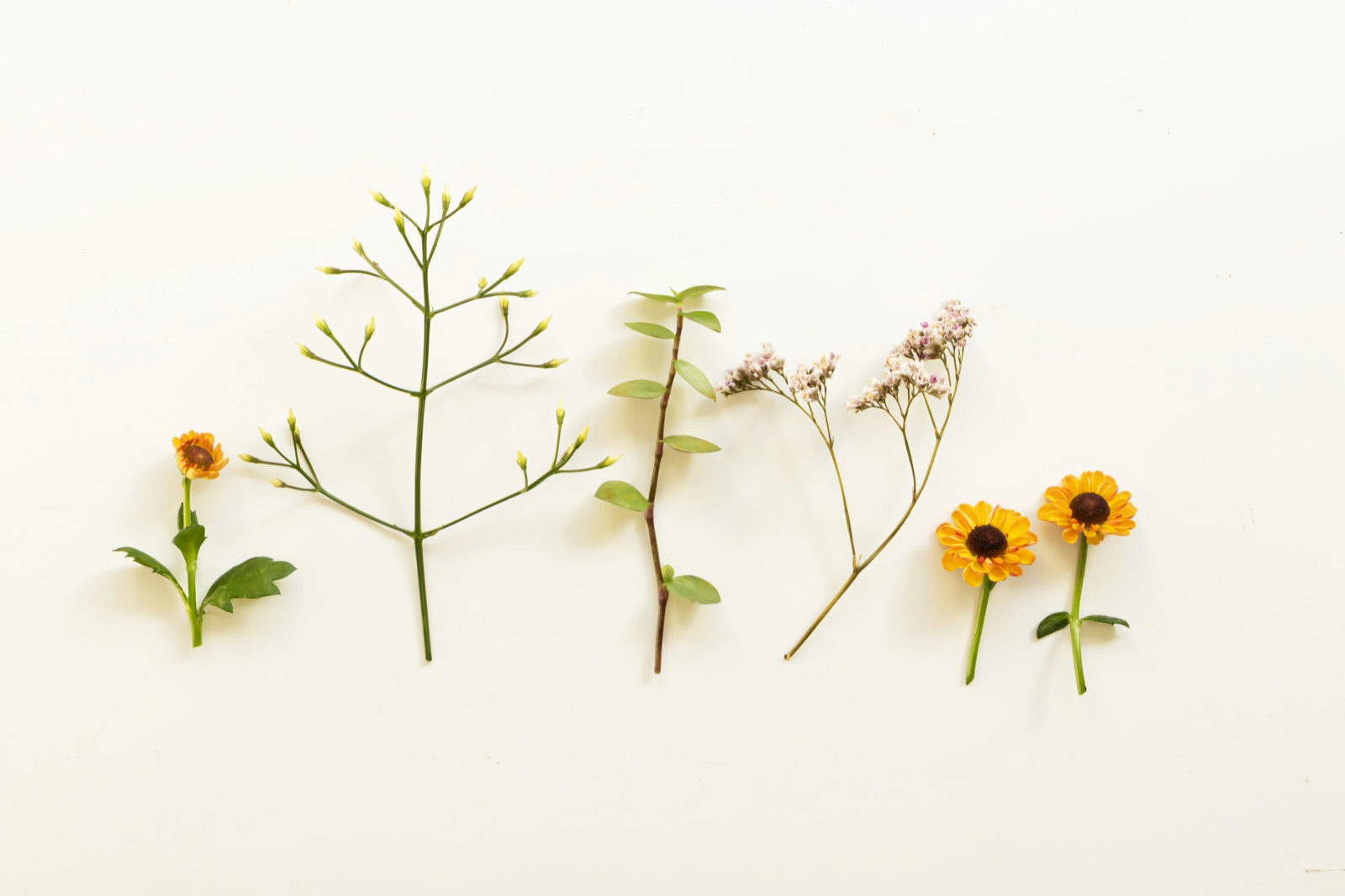
Derived from the roots of the licorice plant (Glycyrrhiza glabra), dipotassium glycyrrhizate is a water-soluble dipotassium salt of glycyrrhizic acid.
Mechanism: It selectively suppresses pro-inflammatory enzymes, primarily phospholipase A2 and cyclooxygenase-2 (COX-2), curbing the production of inflammatory prostaglandins and leukotrienes.
Benefits: Rapidly subsides surface erythema (redness), mitigates stinging sensations, and dampens flare-ups induced by shaving friction, seasonal dryness, or acne-causing bacteria.
2. Allantoin: The Epidermal "Rebuilder"
Historically discovered in comfrey root (Symphytum officinale) and synthesized to pharmaceutical purity, allantoin is a heterocyclic nitrogenous compound.
Mechanism: Rather than suppressing immune pathways, allantoin acts as a cell proliferant and keratolytic agent. It softens compacted intracellular cement, promotes shedding of damaged dead cells, and encourages healthy epithelial renewal.
Benefits: Smooths rough micro-cracks on windburned cheeks, accelerates moisture barrier recovery, and leaves sensitized skin feeling soft and supple.
When skin faces environmental insults—such as dry winter winds, ultraviolet exposure, or harsh surfactant cleansing—the outermost barrier is the first to suffer. Research in PLOS ONE affirms: 'The stratum corneum (SC) provides a permeability barrier that limits the inflow and outflow of water.'[1]
Micro-inflammation within the epidermis triggers a vicious cycle:
Cytokine Release: Inflammatory signals halt the natural enzymatic production of ceramides and filaggrin.
Barrier Breakdown: Microscopic gaps form between corneocytes, accelerating trans-epidermal water loss (TEWL).
Heightened Reactivity: Foreign allergens and environmental irritants reach living epidermal layers, triggering further redness and sensitivity.
By applying dipotassium glycyrrhizate to quiet the irritation cascade and allantoin to support tissue recovery, the duo restores lamellar order, enabling the stratum corneum to retain hydration effectively.
Side-by-Side Comparison: Allantoin vs. Dipotassium Glycyrrhizate
Conclusion: These complementary actives operate through non-overlapping biological pathways, achieving combined efficacy without irritation.
Scroll horizontally to see full details
Attribute
Dipotassium Glycyrrhizate (2K)
Allantoin
Natural Source Origin
Licorice root (Glycyrrhiza glabra)
Comfrey root (Symphytum officinale)
Primary Biological Role
Soothing redness & calming discomfort
Cell conditioning & keratolytic smoothing
Enzymatic Target
Phospholipase A2 & COX-2 inhibition
Encourages epithelial renewal pathways
Sensory Texture Impact
Watery, clean, completely non-sticky
Hydrating, smoothing, softening to dry scales
Japanese Regulatory Status
Approved Quasi-Drug Active Ingredient
Approved Quasi-Drug Active Ingredient
Why the Duo Is a Staple in Japanese Quasi-Drugs
The Japanese Ministry of Health, Labour and Welfare (MHLW) strictly regulates quasi-drugs. Products combining allantoin and dipotassium glycyrrhizate meet rigorous safety and efficacy standards, allowing brands to make legal claims such as "prevents skin roughness (hada-are)," "calms shaving irritation," and "soothes sunburn heat."
You will find this synergistic combination prominently featured across several Japanese drugstore lines:
Curél Sensitive Moisture Series: Utilizes dipotassium glycyrrhizate alongside synthetic pseudo-ceramides to soothe redness and fortify intercellular lipids.
d program (Shiseido): Specifically formulates allantoin and licorice extracts to balance the epidermal microbiome and prevent seasonal sensitivity spikes.
IHADA (Shiseido): A medical-grade drugstore line that combines high-purity petrolatum with the allantoin/glycyrrhizate duo to seal compromised barrier cracks.
MUJI Medicated Sensitive Series: Affordable daily lotions and emulsions featuring both actives to support reactive skin routines on a budget.
How to Layer and Pair the Duo in Your Daily Routine
Because both ingredients are non-acidic, water-soluble, and chemically stable across a broad pH range (pH 4.5–7.0), they integrate effortlessly into any routine:
1. As an everyday Soothing Foundation
Apply a medicated watery lotion (kesho-sui) containing the duo immediately after gentle cleansing. Press gently into the skin using flat palms to soothe any post-wash tightness.
2. As a Protective Buffer for Potent Actives
If your skin is prone to irritation from retinoids, pure ascorbic acid (Vitamin C), or chemical exfoliants (AHA/BHA), layering an allantoin and dipotassium glycyrrhizate toner beforehand helps buffer inflammatory pathways without reducing the efficacy of the active ingredients.
3. Post-Sun and Post-Shave Calming
Store a gel or lotion featuring this duo in the refrigerator during summer months. The chilled temperature delivers immediate vasoconstriction, while the actives rapidly quell thermal sunburn erythema or razor burn.
Signs to Stop and When to See a Doctor
While both allantoin and dipotassium glycyrrhizate exhibit exceptionally low sensitization rates and are widely prescribed for infant and eczema-prone skin, cosmetic formulas contain accompanying preservatives, thickeners, or fragrance additives that can provoke adverse responses.
Discontinue use and seek professional medical guidance if you experience:
Persistent stinging, heat, or throbbing sensations that last longer than 10 minutes.
Outbreak of itchy contact hives or spreading erythematous patches.
Sudden appearance of clustered pustules or weeping eczematous lesions.
Swelling around the eyes or lips.
Always conduct a 24-hour patch test on your inner forearm when introducing any new quasi-drug product to an acutely compromised barrier.
FAQ
Q1. Is dipotassium glycyrrhizate a steroid?
A. No, it is a plant-derived triterpenoid saponin with steroid-like calming effects but zero steroid side effects.(Details)
No. Dipotassium glycyrrhizate is a natural compound extracted from licorice root. While it mimics the soothing calming pathways of mild hydrocortisone, it does not cause skin thinning, rebound flare-ups, or systemic hormone absorption.
Q2. Can I use allantoin and dipotassium glycyrrhizate every day?
A. Yes, both ingredients are designed for continuous daily morning and nighttime use to prevent skin irritation.(Details)
Yes. Japanese quasi-drugs formulate these actives at gentle, bio-compatible concentrations intended for perpetual daily maintenance, keeping sensitive skin calm and hydrated year-round.
Q3. Does this duo help improve the look of dark spots or acne marks?
A. By preventing post-inflammatory marks, the duo helps diminish the appearance of blemishes before they set.(Details)
While neither ingredient directly alters melanin like hydroquinone, by immediately calming surface cascades, they prevent post-inflammatory hyperpigmentation (PIH) and red marks caused by blemishes.
Q4. Can I use products with this duo alongside retinol?
A. Yes, they act as an excellent soothing buffer that minimizes the flaking and redness associated with retinization.(Details)
Yes. In fact, pairing this duo with retinoids or exfoliating acids is a favored technique in Japanese dermatology to counteract retinoid dryness while maintaining cellular renewal.
Q5. Are products with this duo suitable for acne-prone skin?
A. Yes, they calm visible redness without adding pore-clogging oils or heavy occlusives.(Details)
Yes. Both ingredients are completely lightweight, non-clogging, and water-soluble. They are widely used in Japanese medicated acne lotions to calm swollen papules without clogging pores.
Summary
Synergistic Action: Dipotassium glycyrrhizate extinguishes active redness while allantoin reinforces damaged keratin architecture.
Quasi-Drug Standard: Backed by Japanese health authorities as a safe, non-steroidal defense against skin roughness and flaking.
Universal Compatibility: Non-acidic and water-soluble, making it an ideal daily calming base and a buffer for active routines.
Disclaimer: This article is for general information and education about Japanese cosmetics and their labels. It is not a substitute for professional medical advice, diagnosis, or treatment. Skincare results vary from person to person. Product formulas, availability, prices, and regulations change, and products sold in Japan can differ from versions sold elsewhere, so always check the current label. Do a patch test before introducing a new product, and consult a doctor or dermatologist if you have a skin condition or specific concerns.