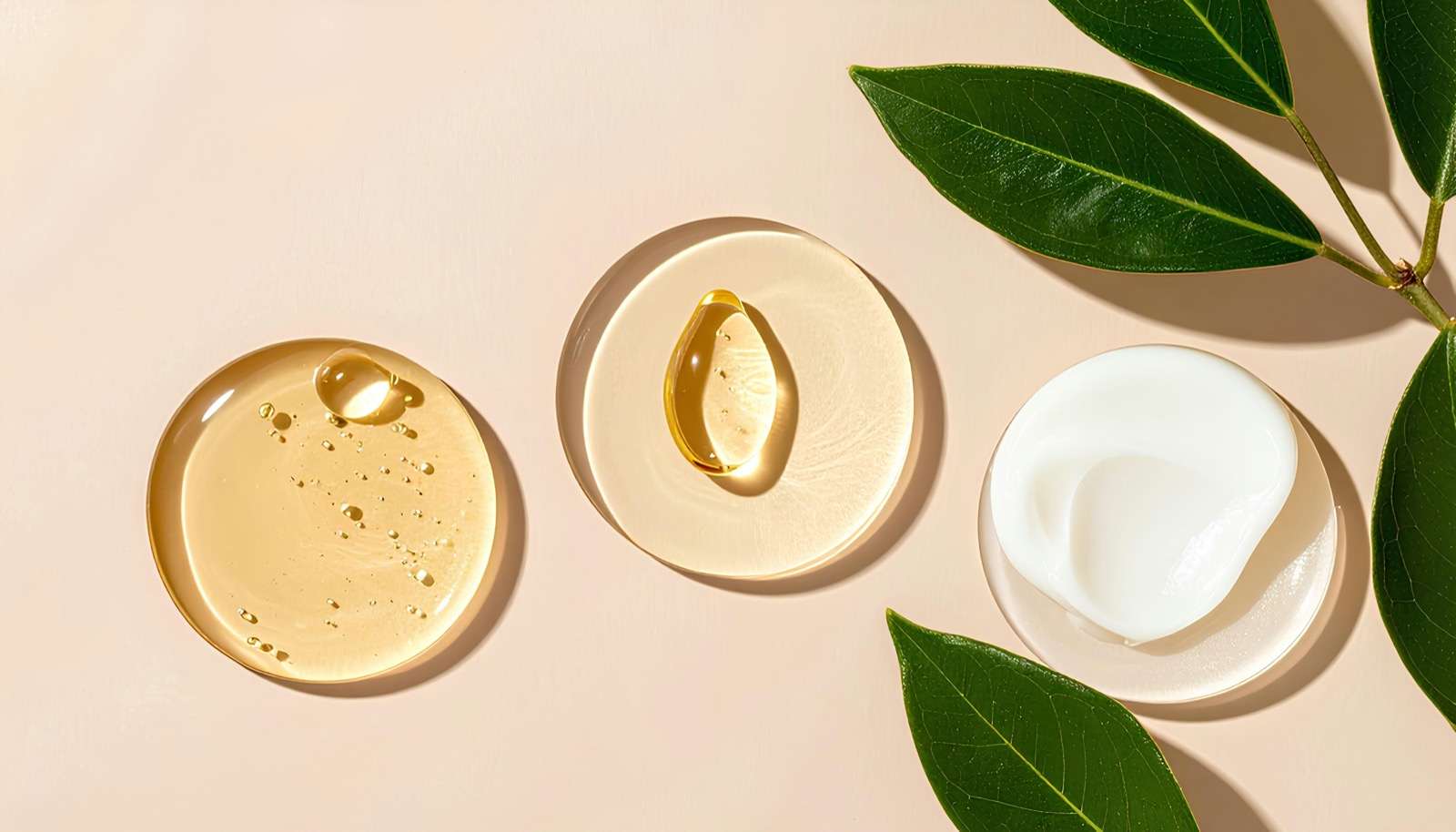
title: Okinawa Sea Mud and Mozuku: Marine Skincare Guide slug: okinawa-sea-mud-and-mozuku-skincare-extracts category: ingredients meta_description: Discover the benefits of Okinawa sea mud (kucha) and mozuku seaweed extracts in Japanese skincare for pore purifying and fucoidan barrier hydration. date: 2026-11-19 author: Editorial Team hero_image: /images/stock/ingredient-minerals-clay-charcoal-display.jpg hero_alt: Marine clay and botanical skincare ingredients arranged in bowls
Okinawa Sea Mud and Mozuku: Marine Skincare Guide
Okinawa marine skincare pairs ancient sea mud (known locally as kucha) with mozuku seaweed extract to balance clarifying action and deep hydration. Kucha features ultra-fine microscopic particles that naturally carry a negative electrostatic charge, allowing it to adsorb surface sebum and unclog pores without harsh scrubbing. Mozuku delivers fucoidan, a viscous marine polysaccharide that creates a flexible moisture shield across the surface of the skin. Together, they create a balanced clarifying routine that leaves the barrier supple rather than tight.
The southern subtropical islands of Japan yield distinct geological and marine botanical resources shaped by coral reefs and warm ocean currents. Okinawa is an island prefecture of Japan renowned for subtropical marine biodiversity[1], where traditional coastal communities have long utilized ocean silt and nutrient-rich brown seaweeds for daily grooming and skin protection.
In contemporary Japanese formulation science, two native marine treasures stand out: Okinawa sea silt (kucha) and Cladosiphon okamuranus (Okinawa mozuku). While conventional clay masks frequently leave sensitive complexions dehydrated, Japanese cosmetic formulators leverage the complementary bio-properties of these two ingredients to achieve thorough pore cleansing alongside moisture retention.
1. The Marine Terroir of Okinawa: Pristine Waters and Ancient Silt
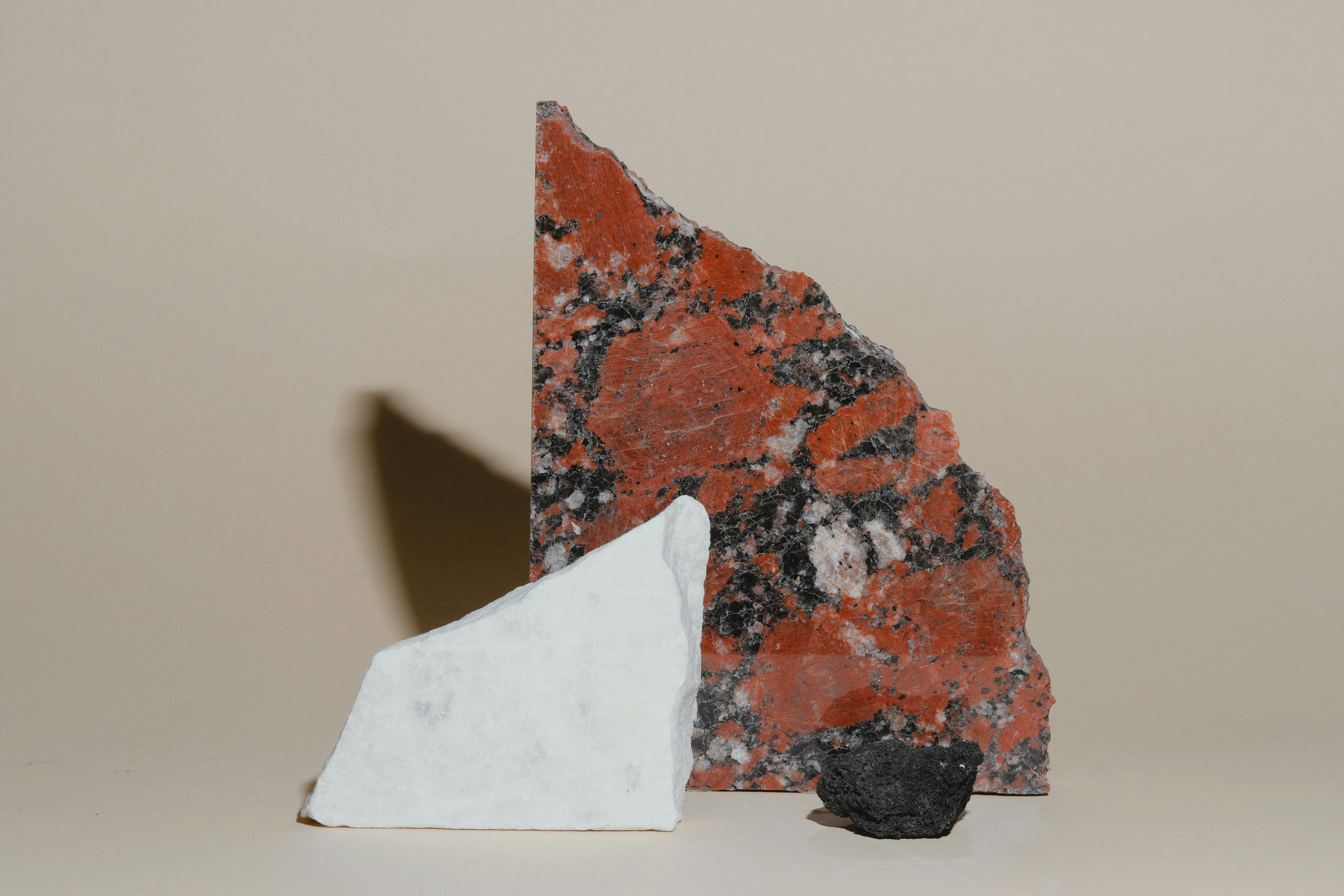
The Ryukyu archipelago is surrounded by mineral-rich Kuroshio currents that nourish vast underwater kelp and seaweed beds while depositing unique geological strata across coastal shelves. Over millions of years, marine sediment, decomposed coral, and ocean clays compacted into a mineral-dense sedimentary deposit called kucha.
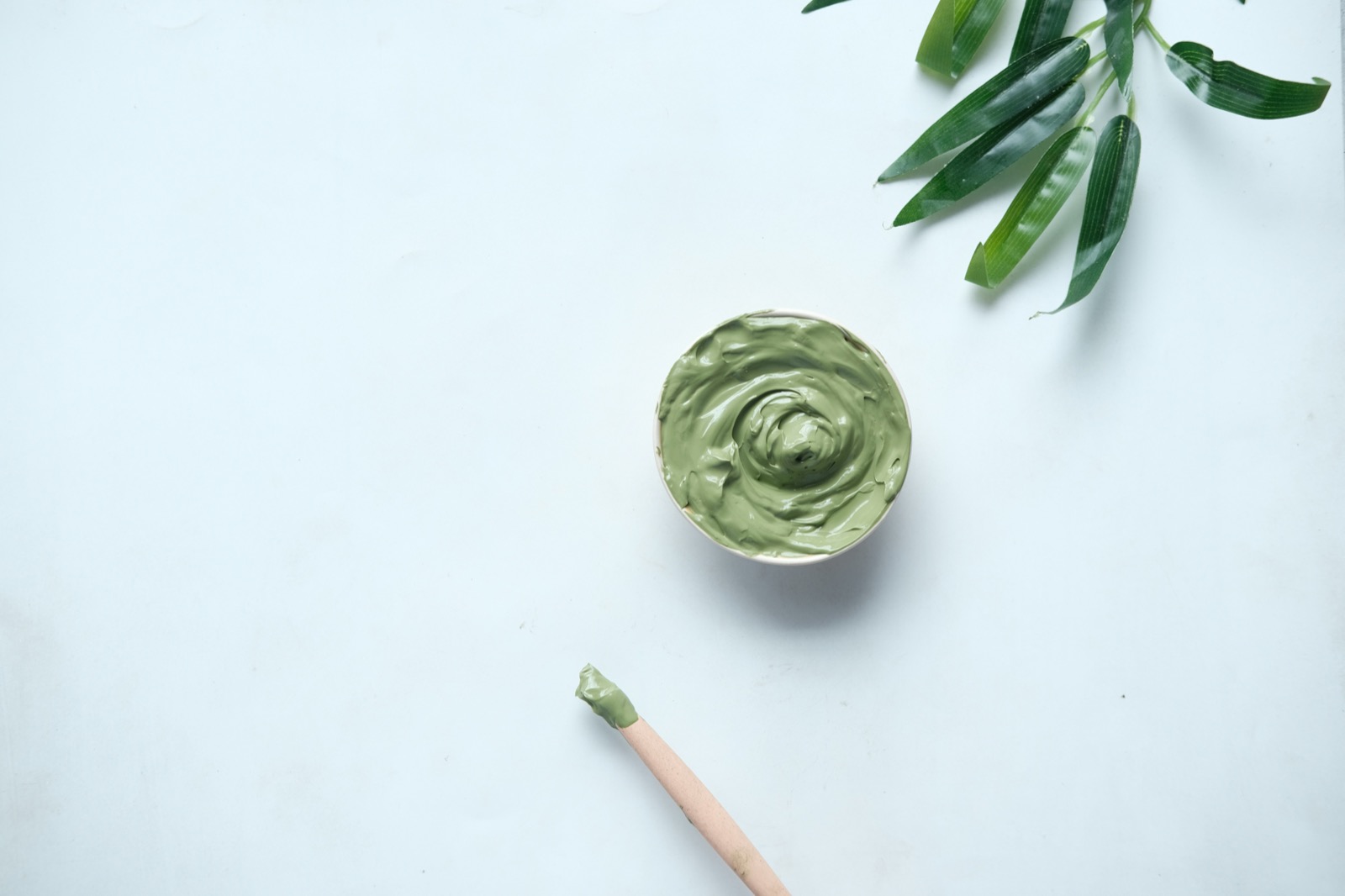
Unlike volcanic clays or terrestrial bentonite sourced from inland quarries, sea mud from Okinawa originated entirely beneath the sea floor. Natural clay deposits consist primarily of hydrous aluminium phyllosilicates[2], and kucha incorporates abundant ocean minerals including calcium, magnesium, iron, and trace silica.
Parallel to this geological deposit, Okinawa's sun-drenched coastal shallows produce the vast majority of Japan's culinary and cosmetic mozuku. Marine seaweeds are macroscopic marine algae that flourish along oceanic coastlines[3], developing dense protective mucilage to survive intense ultraviolet exposure and tidal fluctuations. When harvested and extracted under low temperatures, this coastal seaweed supplies high-molecular-weight polysaccharides that complement the clarifying properties of mineral silt.
2. Okinawa Sea Mud (Kucha): Microscopic Adsorption Without Stripping
Traditional beauty rituals in Okinawa involved applying wet sea silt directly to the face and hair as a clarifying ritual. Modern micro-milling techniques transform raw kucha into an ultra-refined cosmetic powder with distinct physicochemical advantages.
Particle Size and Surface Contact
Conventional cosmetic clays typically measure between 20 to 50 microns in diameter. Raw kucha, by contrast, is milled down to approximately 5 microns or smaller. This micro-fine profile offers key practical benefits:
- Gentle tactile feel: The particles spread across delicate skin surfaces without gritty physical abrasion.
- Micro-pore contact: The micro-scale granules comfortably sit across the uneven texture around the nasal creases and chin.
- Uniform suspension: In foaming cleansers and paste masks, the powder stays evenly dispersed without clumping.
Electrostatic Cleansing Mechanism
Unlike chemical surfactants that dissolve sebum by emulsifying intercellular lipids, kucha works via surface physics. In aqueous suspension, kucha particles display a natural negative electrostatic charge. Meanwhile, oxidized sebum plugs, dead keratin flakes, and environmental pollutants carry slightly positive surface charges.
When applied as a paste or incorporated into a dense facial wash, kucha magnetically attracts and binds impurities. When you rinse the formula away with lukewarm water, the bound debris lifts cleanly off the surface. This mechanical adsorption purifies pores without depleting the natural moisture factors residing within the surface barrier.
3. Mozuku Extract and Fucoidan: Viscous Marine Moisture
Clay cleansing excels at removing surface debris, but without proper moisture support, clarifying routines risk drying out delicate complexions. This is where mozuku seaweed extract plays an essential protective role.

The Science of Fucoidan Polysaccharides
Mozuku is uniquely rich in fucoidan compared to other brown seaweeds like wakame or kombu. Fucoidan is a long-chain sulfated polysaccharide found in various species of brown algae such as mozuku[4]. This complex polymer features sulfate ester groups attached to fucose backbone units, giving it remarkable water-binding and film-forming capabilities.
Topical skincare ingredients interact primarily with the stratum corneum, the outermost layer of the epidermis[5]. When mozuku extract is applied within a facial cleanser, mask, or toner, fucoidan creates a delicate, breathable moisture veil over the stratum corneum. This surface layer yields several notable benefits:
- Cushioning slip: It imparts a silky glide that minimizes mechanical friction during washing or massage.
- Trans-epidermal moisture buffering: It holds ambient water against the outer keratin layer, slowing surface evaporation.
- Soothing comfort: The polysaccharide network shields delicate post-wash skin from sudden atmospheric drying.
4. Comparing Okinawa Sea Mud and Mozuku Extract
To understand how these two marine ingredients function individually and synergistically, consider their technical characteristics side by side:
Scroll horizontally to view full table
| Ingredient Property | Okinawa Sea Mud (Kucha) | Okinawa Mozuku Extract |
|---|---|---|
| Source Classification | Marine sedimentary mineral deposit | Brown coastal macroalgae (*Cladosiphon*) |
| Active Component | Hydrous aluminium phyllosilicates & minerals | Sulfated polysaccharide (Fucoidan) |
| Primary Mechanism | Negative electrostatic adsorption | Hydrophilic surface film formation |
| Primary Benefit | Clears surface sebum and pore debris | Buffers hydration and provides slip |
| Common Product Types | Clay masks, foaming wash, exfoliating bars | Hydrating essences, sheet masks, emulsions |
| Ideal Skin Profiles | Combination, congested, or oily skin | Dehydrated, dry, or barrier-sensitive skin |