title: Retinol in Japanese Skincare: Gentle Formulations Guide meta_description: Learn why Japanese retinol skincare is gentle and non-flaking. Discover stabilization technology, oxygen-free tubes, slow-release capsules, and routines. published_at: 2026-11-19 updated_at: 2026-11-19 fact_checked_at: 2026-11-19 author: Miho Tanaka thumbnail: /images/stock/cream-tube-and-smooth-texture.webp thumbnail_alt: Airtight aluminum skincare tube dispensing smooth Japanese stabilized retinol cream affiliate: false ja_equivalent: null publish: false
Retinol in Japanese Skincare: Gentle Formulations Guide
In global dermatology, pure retinol (vitamin A) is celebrated as a gold standard for supporting cell turnover, smoothing rough skin texture, and softening fine expression lines. Yet for millions of skincare users, introducing high-strength Western retinol serums triggers the uncomfortable "retinoid purge"—a cycle of intense burning, flaky dryness, redness, and a damaged moisture barrier. Japanese skincare laboratories approach vitamin A from an entirely different philosophy: engineering gentle, highly stabilized formulations that deliver clinical anti-aging benefits without sacrificing the skin barrier.
Quick answer:
Why is Japanese retinol skincare gentler and less irritating?
Japanese retinol formulations prioritize epidermal comfort through **advanced stabilization engineering** rather than aggressive percentage spikes. By utilizing **patented oxygen-free packaging** that shields pure retinol from oxidizing into irritating byproducts, **micro-encapsulated slow-release delivery**, and **lipid-rich buffering emulsions** packed with ceramides and squalane, Japanese quasi-drug (*iyakubugaihin*) retinol smooths fine lines and supports elasticity while preventing the harsh flaking and redness common to Western formulas.
The Engineering Behind Low-Irritation Japanese Retinol
Conclusion: Japanese laboratories minimize vitamin A irritation by engineering airtight oxygen-free tubes, micro-encapsulating retinol molecules, and suspending actives in rich ceramide-squalane emulsions.
Pure retinol is one of the most chemically fragile molecules in cosmetics. Exposure to air, ambient humidity, and ultraviolet light causes the molecule to break down rapidly into degraded acid compounds that provoke acute retinoid dermatitis. Rather than simply adding heavy chemical stabilizers, Japanese laboratories solve this challenge through mechanical and formulatory innovation:
1. Oxygen-Free Airtight Aluminum Packaging
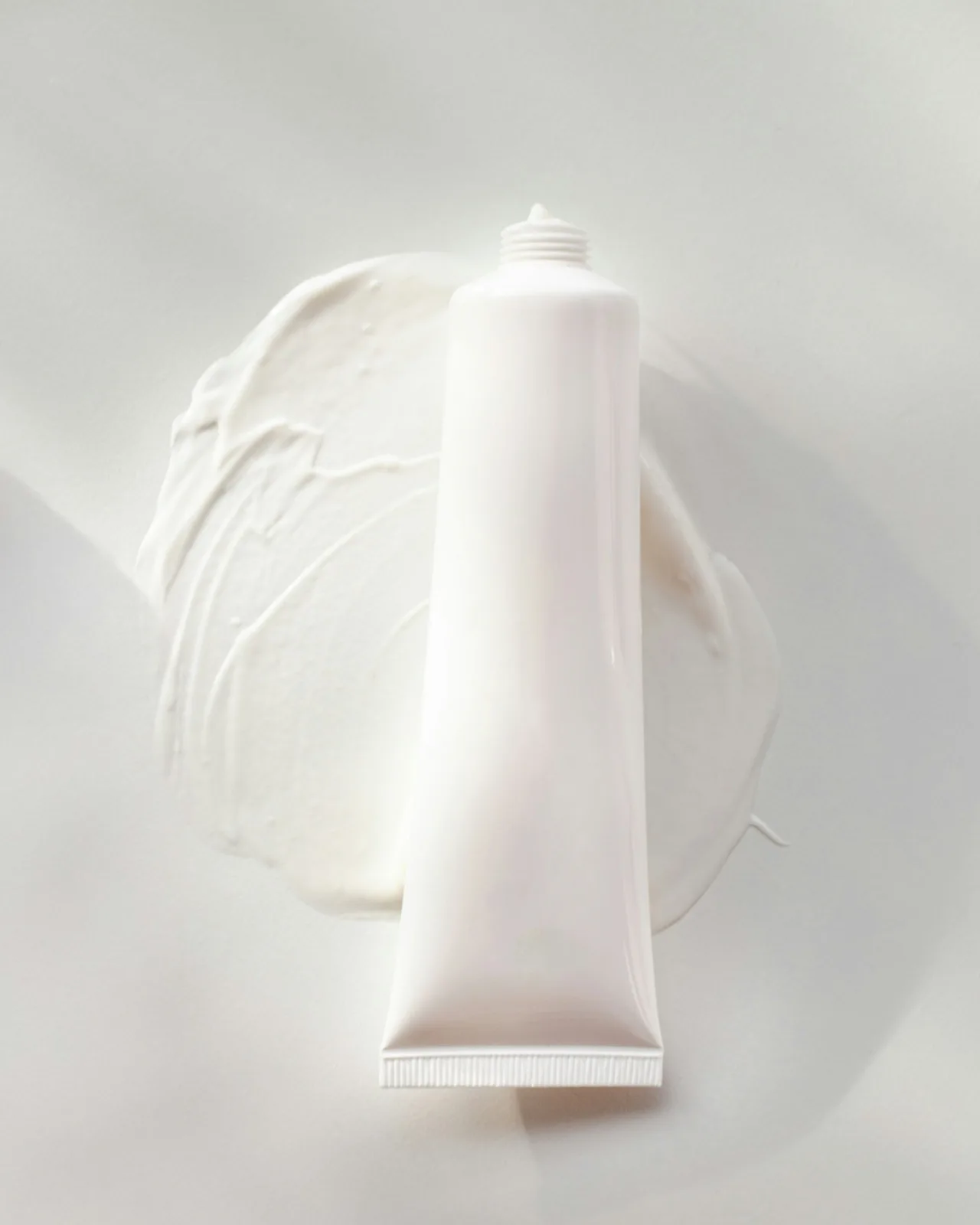
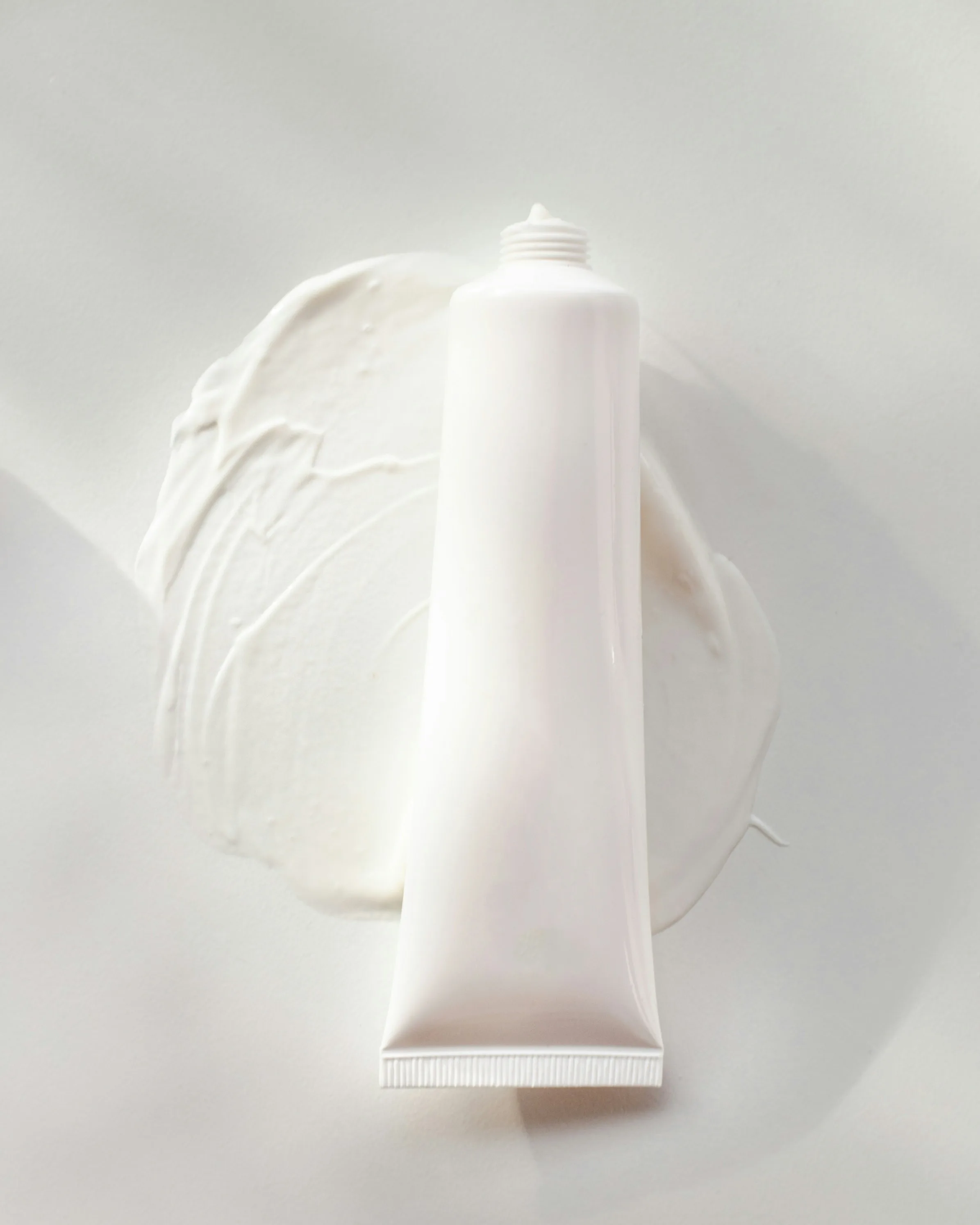
Japanese pharmaceutical leaders, notably Shiseido in their flagship Elixir wrinkle line, spent decades developing specialized packaging to protect pure retinol. Their patented multilayer tubes incorporate a one-way internal nozzle and special neck seal that completely blocks atmospheric oxygen from entering the container, even as cream is dispensed daily. This ensures that the pure retinol remains chemically fresh and non-irritating down to the final application.
2. Micro-Encapsulated and Liposomal Delivery
Popular Japanese drugstore brands, such as Sana Nameraka Honpo, suspend active retinol within microscopic lipid capsules or liposomes. Instead of overwhelming epidermal receptors with an immediate chemical spike, these micro-capsules dissolve gradually over hours, releasing active vitamin A slowly across the stratum corneum to prevent sudden cellular shock.
3. Emollient-First Buffering Bases
While Western serums frequently deliver retinol in volatile alcohol-heavy fluids, Japanese formulators surround the active molecule with rich skin-identical lipids—such as plant squalane, fermented soy milk isoflavones, and multi-ceramide complexes—that nourish the lipid barrier simultaneously.
Japanese Retinol Types: Pure Retinol vs Retinol Derivatives
Conclusion: From quasi-drug pure retinol for wrinkle smoothing to slow-converting retinyl palmitate, Japanese skincare offers calibrated options tailored to every skin sensitivity level.
Understanding the diverse forms of vitamin A formulated in Japanese skincare helps you select the right level of activity for your tolerance:
Scroll horizontally to view the full comparison.
| Retinoid Format | Key Japanese Characteristics | Irritation Risk | Typical Packaging | Recommended For |
|---|---|---|---|---|
| Pure Retinol (*Junsui Retinoru*) | Quasi-Drug approved for wrinkle improvement | Low to Moderate (well buffered) | Airtight oxygen-shielded aluminum tubes | Targeted eye lines, smile lines, and mature skin |
| Micro-Encapsulated Retinol | Time-released lipid spheres suspended in lotion | Very Low | Opaque pump bottles or dark glass droppers | Beginners seeking full-face smoothing |
| Retinyl Palmitate (Vitamin A Ester) | Gentle ester that converts slowly into retinol | Minimal | Standard tubes, jars, and sheet masks | Sensitive, dry, or barrier-compromised complexions |
| Fermented Retinol Blends | Retinol combined with fermented soy isoflavones | Very Low | Eye cream tubes and moisture gels | Daily morning and evening preventative routines |