title: "Mixing Vitamin C and Retinol: Japanese Routine Guide" h1: "Mixing Vitamin C and Retinol: Japanese Routine Guide" meta_description: "Learn how to safely combine vitamin C and retinol in a Japanese routine using daytime antioxidant defense, evening renewal, and barrier-buffering techniques." category: "routines" date: "2026-11-19" author: "Seibun Lab Editorial Team" layout: "article" hero_image: "/images/stock/amber-glass-oil-bottles-trio.jpg" images: hero: "/images/stock/amber-glass-oil-bottles-trio.jpg" image_1: "/images/stock/dropper-applying-serum-to-palm-closeup.jpg" image_2: "/images/stock/beauty-night-care-candles-brush-flatlay.jpg" image_3: "/images/stock/amber-dropper-serum-bottle-white-background-2.jpg"
Vitamin C and retinol represent two of the most researched and valued ingredients in modern cosmetic dermatology. One provides defense against daytime environmental stressors, while the other encourages overnight cellular renewal. Yet, when designing an effective regimen, many beauty enthusiasts wonder whether these two potent actives can be used together without triggering unwanted redness or moisture barrier fatigue.
In Japanese skincare (J-beauty), the emphasis on stratum corneum comfort and sustained barrier resilience shapes a nuanced approach to active layering. Rather than applying aggressive concentrations simultaneously, Japanese routines prioritize physiological harmony, stabilized ingredient derivatives, and protective buffering. This guide explores how to combine vitamin C and retinol smoothly within a balanced Japanese routine.
While you should avoid mixing high-potency pure L-ascorbic acid and retinol in the exact same step due to conflicting pH requirements, you can safely use both in a daily routine by splitting them between morning and evening. Apply vitamin C in the morning under sunscreen for daytime antioxidant protection, and reserve retinol for nighttime renewal. In Japan, stabilized vitamin C derivatives and the moisture-sandwich buffering technique allow even sensitive skin types to enjoy both actives without barrier distress.
The Biological Roles of Vitamin C and Retinol
To understand how these ingredients complement one another, consider their distinct mechanisms within the epidermis.
Vitamin C: Daytime Antioxidant Shield
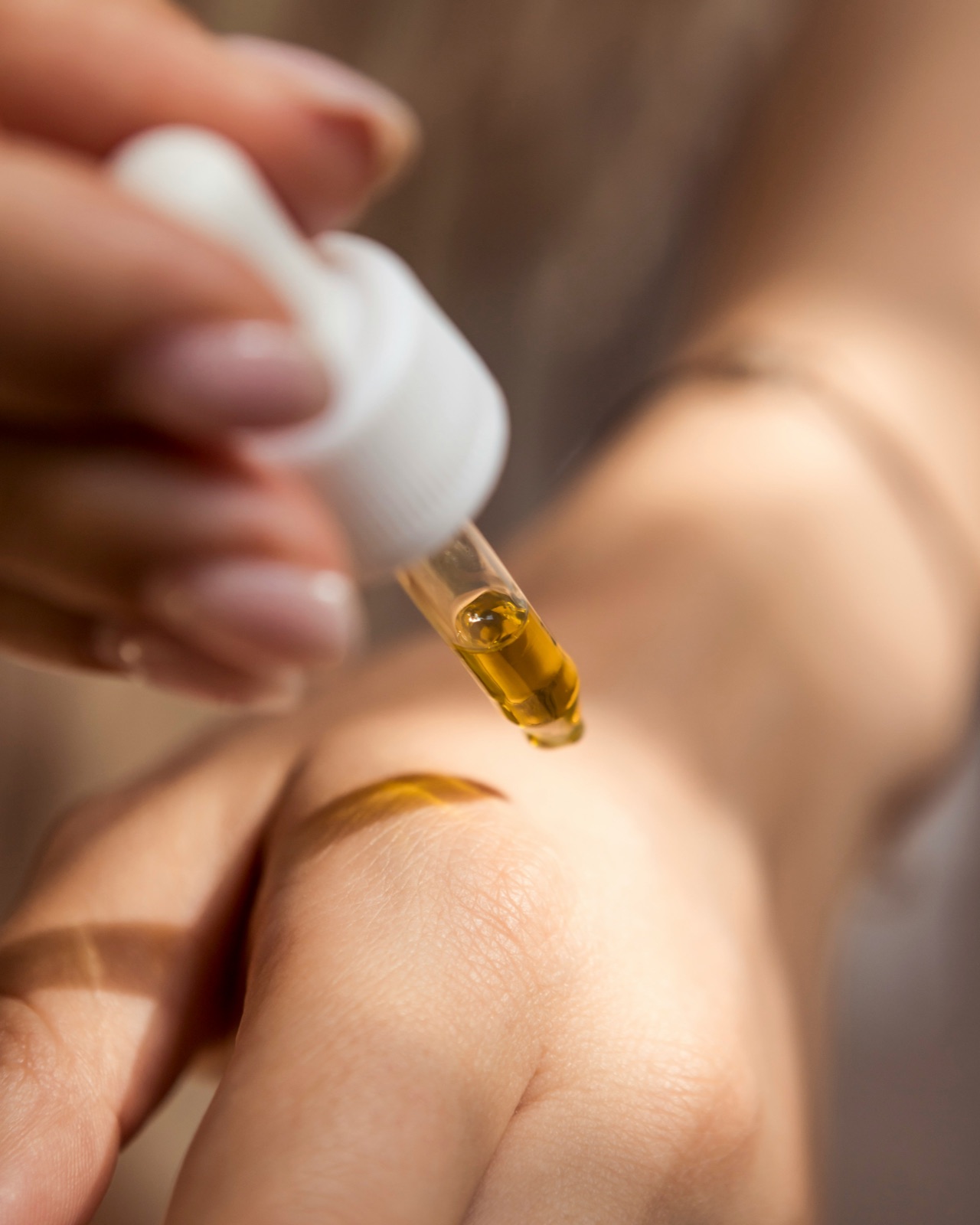
In scientific terms, vitamin c is an antioxidant[1] capable of neutralizing free radicals generated by ultraviolet light and environmental pollution. More broadly, antioxidants are compounds that inhibit oxidation[3], a chemical reaction that can produce reactive oxygen species and damage cellular structures.
When applied in the morning, vitamin C supports collagen synthesis and helps maintain an even skin tone. Furthermore, pairing topical vitamin C with a photoprotective topical product for the skin[5] enhances daytime defense against photoaging.
Retinol: Nighttime Epidermal Renewal
In cosmetic science, retinol is the alcohol form of vitamin a[2] and serves as a fundamental benchmark for refining skin texture. Retinoids accelerate the natural shedding of dull surface cells and support the extracellular matrix.
Because retinol increases cellular turnover, it leaves newly exposed surface cells more vulnerable to UV radiation. Additionally, sunlight degrades standard retinol molecules rapidly, making evening application the optimal dermatological choice.
Can You Layer Them Together in the Same Step?
A frequent question is whether both ingredients can be layered one after another during a single evening routine.
In cosmetic chemistry, the pH scale is a scale used to specify the acidity or basicity of aqueous solutions[4], which directly influences ingredient stability and absorption.
- Conflicting pH Requirements: Pure L-ascorbic acid requires a strongly acidic environment (pH 2.5 to 3.5) to remain uncharged and absorb effectively into the stratum corneum. In contrast, retinol functions optimally at a skin-neutral pH (pH 5.5 to 6.5). Applying them simultaneously can destabilize one or both actives.
- Cumulative Irritation Risk: Applying a low-pH acid immediately alongside a cell-turnover accelerator can overwhelm the skin barrier, leading to stinging, redness, micro-flaking, and heightened sensitivity.
For these reasons, leading dermatologists recommend separating them by time of day rather than combining them in a single step.
The Gold Standard: The AM / PM Separation Method
The most reliable, evidence-backed strategy for incorporating both ingredients is the AM / PM split. This approach maximizes the biological benefits of each active while minimizing chemical competition.
Morning Routine: Defense and Radiance
- Step 1: Gentle Cleanser: Cleanse with lukewarm water or a low-foaming wash to remove nighttime sebum without stripping lipids.
- Step 2: Hydrating Lotion (Keshosui): Pat a light, alcohol-free Japanese essence or toner to hydrate the stratum corneum.
- Step 3: Vitamin C Serum: Apply 3 to 4 drops of vitamin C serum across the face and neck.
- Step 4: Moisture Emulsion (Nyueki): Seal in moisture with a lightweight milky lotion.
- Step 5: Broad-Spectrum Sunscreen: Generously apply a Japanese SPF 50+ PA++++ sunscreen to complete your daytime shield.
Evening Routine: Reset and Cellular Renewal
- Step 1: Double Cleansing: Dissolve sunscreen and impurities using a Japanese cleansing oil, followed by a gentle foaming wash.
- Step 2: Moisture Conditioning: Apply a soothing, ceramide-rich lotion to calm the skin surface.
- Step 3: Retinol Application: Dispense a pea-sized amount of retinol serum or cream, gently smoothing over the face while avoiding the immediate eye area.
- Step 4: Barrier Recovery Cream: Lock in hydration with a nourishing lipid cream formulated with squalane, ceramides, or dipotassium glycyrrhizate.
Summary Comparison: AM vs PM Allocation
The following guide outlines how to structure both actives across your daily routine:
Scroll horizontally to view full table
| Routine Phase | Primary Active | Main Physiological Goal | Crucial Companion Step |
|---|---|---|---|
| Morning (AM) | Vitamin C (or stabilized derivative) | Antioxidant defense against daytime environmental stressors | High-protection broad-spectrum Japanese sunscreen (SPF 50+) |
| Evening (PM) | Retinol (or gentle retinyl ester) | Cellular renewal and epidermal texture refinement | Lipid-rich barrier cream containing ceramides or squalane |
| Frequency | Daily morning use | Start 2 to 3 nights weekly; increase gradually | Weekly skin rest days without active exfoliants |