title: "Japanese Facial Massage and Lymphatic Drainage: Gentle Guide" description: "Master gentle Japanese facial massage techniques for lymphatic drainage. Learn friction-free glide, pressure point stimulation, and morning depuffing." category: "routines" slug: "japanese-facial-massage-lymphatic-drainage-guide" hero_image: "/images/stock/japanese-face-exercises-facial-yoga-wellness-pose.jpg" hero_image_alt: "Woman practicing gentle Japanese facial massage and lymphatic drainage technique" published_at: "2026-11-20" last_modified_at: "2026-11-20"
Japanese Facial Massage and Lymphatic Drainage: Gentle Guide
Facial massage has long been a cornerstone of Japanese beauty regimens (bigan-massaji). Rather than aggressive deep-tissue kneading that risks stretching delicate collagen fibers, Japanese aesthetics emphasizes whisper-light friction-free lymphatic drainage.
By gently guiding pooled interstitial fluid toward lymph nodes situated along the jawline and clavicle, Japanese techniques quickly reduce morning puffiness, encourage microcirculation, and restore facial clarity.
Japanese lymphatic massage utilizes featherlight strokes along superficial facial lymph channels. Always perform over an emollient cream or cleansing oil to eliminate friction. Work systematically from the center of the face outward, draining down the sides of the neck to the collarbone to relieve puffiness.
The Zero-Friction Philosophy: Protecting Collagen Elastin Fibers
Aggressive dragging or pulling damages the fine anchoring fibrils connecting the epidermis to the dermis, accelerating skin sagging. Japanese massage masters observe two strict principles:
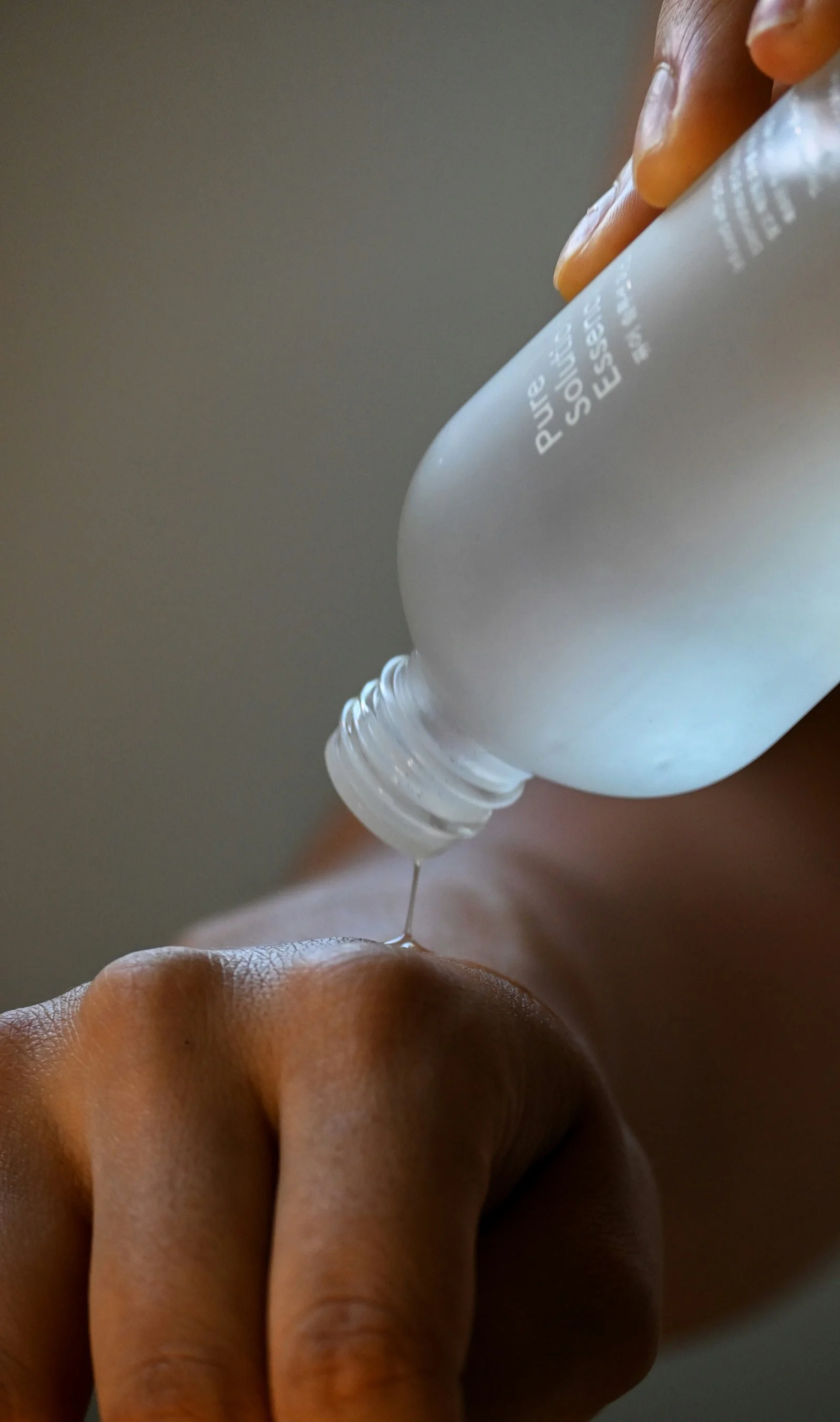
- Sufficient Slip: Never massage on bare, dry skin. Always apply a generous layer of cleansing balm, cold cream, or squalane oil so fingers glide effortlessly.
- Featherlight Pressure: Lymphatic capillaries lack muscular walls; excess mechanical force collapses them. A touch as light as stroking a cat is sufficient to move lymph fluid.
Research in PLOS ONE affirms: 'The stratum corneum (SC) provides a permeability barrier that limits the inflow and outflow of water.'[1] Using lipid-rich creams ensures massage stimulates circulation without disrupting this stratum corneum barrier.
Overview Comparison
| Technique Aspect | Japanese Lymphatic Drainage | Western Deep Tissue Contouring |
|---|---|---|
| Mechanical Pressure | Extremely light (5-10 grams) | Heavy firm muscle kneading |
| Primary Medium | Rich cleansing cream / facial oil | Serum or dry tool friction |
| Directional Flow | Outward and down to clavicle | Upward lifting against gravity |
| Goal | Fluid drainage, calm tone | Muscular tension release |
Step-by-Step 3-Minute Morning Depuffing Routine
Follow this gentle morning sequence:
- Neck Clearing: Place flat palms on the sides of the neck and sweep gently downward to the collarbone 3 times to open drainage channels.
- Forehead Sweep: Place fingertips together at the center of the forehead and glide outward toward the temples.
- Under-Eye Drainage: Using ring fingers (the weakest digit), sweep lightly from the inner eye corner across the orbital bone to the temples.
- Cheek and Jawline: Glide fingers from the sides of the nose outward across cheeks, then along the jawline toward the earlobes.
- Final Drainage Flush: Sweep both hands down the sides of the neck to the collarbone to complete fluid exit.
Signs to Stop and When to See a Doctor
Facial massage should feel relaxing and soothing. Stop immediately and seek medical evaluation if you notice:
- Swollen, tender, or hardened lymph nodes that persist longer than a week.
- Broken capillaries (telangiectasias) or spider veins appearing around nose and cheeks.
- Worsening of active inflammatory acne or rosacea pustules from friction heat.
Consult a physician if asymmetrical facial swelling occurs suddenly.
FAQ
Q1. Can facial massage cause skin sagging?
A. Only if done with heavy friction on dry skin; gentle gliding over oils does not cause sagging.(Details)
Only if done with excessive pressure or dry pulling; gentle, lubricated gliding causes zero connective tissue stretching.
Q2. Is it better to use hands or a gua sha tool?
A. Warm human hands offer superior sensory feedback and temperature comfort compared to rigid stone tools.(Details)
Warm human hands offer unmatched tactile feedback, ensuring you never apply excessive pressure to delicate facial tissues.
Q3. How often should I perform lymphatic massage?
A. A gentle 3-minute routine can be performed daily during morning skincare or evening cleansing.(Details)
A gentle 2 to 3-minute routine can be safely enjoyed daily during morning skin prep or your evening oil cleanse.
Q4. Should I massage over active acne breakouts?
A. No, avoid massaging directly over inflamed pustules to prevent spreading bacteria.(Details)
No, completely bypass areas with active cystic or pustular acne to avoid spreading bacterial infection or aggravating inflammation.
Q5. Why always drain downward to the collarbone?
A. Facial lymph vessels ultimately empty into the subclavian vein at the base of the neck.(Details)
Facial and cervical lymph vessels empty into the systemic venous system through the thoracic and lymphatic ducts at the collarbone.
Summary
- Eliminate Friction: Always use a generous cushion of massage cream or facial oil.
- Use Featherlight Touch: Lymphatic vessels respond to gentle strokes, not aggressive deep kneading.
- Always Drain Downward: Complete every routine by sweeping fluid down the neck to the collarbone.
Disclaimer: This article is for general information and education about Japanese cosmetics and their labels. It is not a substitute for professional medical advice, diagnosis, or treatment. Skincare results vary from person to person. Product formulas, availability, prices, and regulations change, and products sold in Japan can differ from versions sold elsewhere, so always check the current label. Do a patch test before introducing a new product, and consult a doctor or dermatologist if you have a skin condition or specific concerns.
References
- PLOS ONE (2015). Homogeneous transport in a heterogeneous membrane: water diffusion across human stratum corneum in vivo. DOI: 10.1371/journal.pone.0117292. Available from: https://journals.plos.org/plosone/article?id=10.1371/journal.pone.0117292
- American Academy of Dermatology (AAD). How to wash your face. Available from: https://www.aad.org/public/everyday-care/skin-care-basics/care/face-washing-101
- American Academy of Dermatology (AAD). Dermatologists' tips to relieve dry skin. Available from: https://www.aad.org/public/everyday-care/skin-care-basics/dry/dermatologists-tips-relieve-dry-skin