title: "Japanese Skincare Routine for Mature Skin 50s+: Complete Guide" description: "Master the Japanese skincare routine for mature skin 50s+. Learn barrier hydration layering, Quasi-Drug actives, and gentle aging care rituals." category: "routines" slug: "japanese-skincare-routine-for-mature-skin-50s" hero_image: "/images/stock/hero-shiseido-elixir-lotion-and-emulsion.webp" hero_image_alt: "Japanese aging care lotion and emulsion bottles representing multi-step mature skincare" published_at: "2026-11-20" last_modified_at: "2026-11-20"
Japanese Skincare Routine for Mature Skin 50s+: Complete Guide
Entering your fifties marks a profound biological transition for facial skin. Shifts in systemic hormone levels—particularly the decline in circulating estrogen following menopause—trigger a noticeable drop in dermal collagen synthesis, reduced sebaceous gland activity, and accelerated loss of natural skin lipids. For many women in their 50s and beyond, routines that worked during their thirties and forties suddenly feel inadequate, leaving skin vulnerable to chronic dryness, dullness, loss of bounce, and heightened sensitivity.
In the West, mature skincare often emphasizes aggressive interventions: high-percentage peeling acids, intense retinol concentrations, and deep exfoliation that can inadvertently breach a fragile moisture barrier.
In contrast, the Japanese approach to mature beauty—widely termed aging care (eijingu kea)—is anchored in gentleness, deep moisture layering, and meticulous barrier replenishment. Rather than fighting skin biology with harsh abrasion, J-Beauty focuses on infusing the stratum corneum with humectant moisture, restoring lipid mortar with human-type ceramides, and preventing mechanical friction.
The Japanese skincare routine for mature skin in your 50s prioritizes gentle moisture saturation, zero mechanical friction, and lipid barrier restoration. It consists of: (1) an ultra-gentle oil or cream cleanser, (2) a nutrient-rich essence lotion (*keshosui*) pressed into skin in multiple layers, (3) targeted Quasi-Drug serums containing niacinamide, pure retinol, or tranexamic acid, (4) a rich softening emulsion (*nyueki*) to restore elasticity, (5) a ceramide-dense barrier cream to seal hydration, and (6) broad-spectrum daytime SPF 50+ PA++++ to prevent cumulative photoaging.
Cutaneous Biology in the 50s: Why Mature Skin Needs Different Care
To build an effective routine for mature skin, we must first understand the structural shifts occurring within the epidermal architecture. Dermatological findings published in PLOS ONE observe: "The stratum corneum (SC) provides a permeability barrier that limits the inflow and outflow of water."[1]
During your fifties, several physiological changes directly impact this critical permeability barrier:
- Sharp Decline in Sebaceous Lipids: Natural sebum production decreases significantly, leaving the outer skin surface without its natural protective lipid film.
- Ceramide Depletion: The synthesis of intercellular lipids—especially essential ceramides (NP, AP, EOP)—slows down, widening gaps between corneocyte cells and increasing transepidermal water loss (TEWL).
- Reduced Dermal Density: Endogenous collagen and elastin fibers degrade, leading to superficial crepiness and loss of facial elasticity (harikans).
- Delayed Cell Turnover: The natural desquamation rhythm extends from the youthful 28-day cycle to 45 days or more, causing dead surface cells to accumulate as uneven, light-scattering dullness.
| Skin Metric | Youthful Skin (20s–30s) | Mature Skin (50s+) | Japanese Formulation Countermeasure |
|---|---|---|---|
| Sebum Excretion | Abundant, self-lubricating | Sharply diminished, dry surface | Rich squalane, camellia seed oil, and fatty alcohol emulsions |
| Barrier Integrity | Dense ceramide mortar | Depleted lipids, prone to micro-fissures | Human-type ceramides (NP, AP, EOP) and hydrogenated lecithin |
| Hydration Retention | High natural moisturizing factor (NMF) | Rapid moisture evaporation | Poly-glutamic acid, low-molecular hyaluronic acid, amino acids |
| Skin Elasticity | Firm dermal bounce | Loss of collagen support, laxity | Niacinamide, hydrolyzed collagen peptides, pure retinol |
| Tone Uniformity | Resilient against post-inflammatory marks | Stubborn age spots (shimi) | Tranexamic acid, vitamin C derivatives, dipotassium glycyrrhizate |

Step-by-Step Japanese Mature Skincare Routine: Morning and Evening
The Japanese regimen follows a strict viscosity ladder: lightweight aqueous hydrators are applied first to hydrate the upper stratum corneum, followed progressively by denser emulsions and occlusive lipid creams to lock in moisture.
Step 1: Frictionless Cleansing (AM & PM)
Mature skin cannot tolerate harsh surfactants that strip essential lipids.
- In the morning, wash with lukewarm water or a gentle, non-foaming cleansing milk.
- In the evening, dissolve sunscreen and impurities using an emulsifying cleansing oil rich in botanical triglycerides (such as rice bran or camellia seed oil).
Clinical cleansing guidelines from the American Academy of Dermatology emphasize foundational skin safety:
- "Use a gentle, non-abrasive cleanser that does not contain alcohol."[2]
- Dermatologists emphasize not to "scrub your skin because scrubbing irritates the skin."[2]
Never pull, tug, or vigorously scrub your face with dry towels or abrasive cleansing pads.
Step 2: The Multi-Layer Essence Lotion (Keshosui)
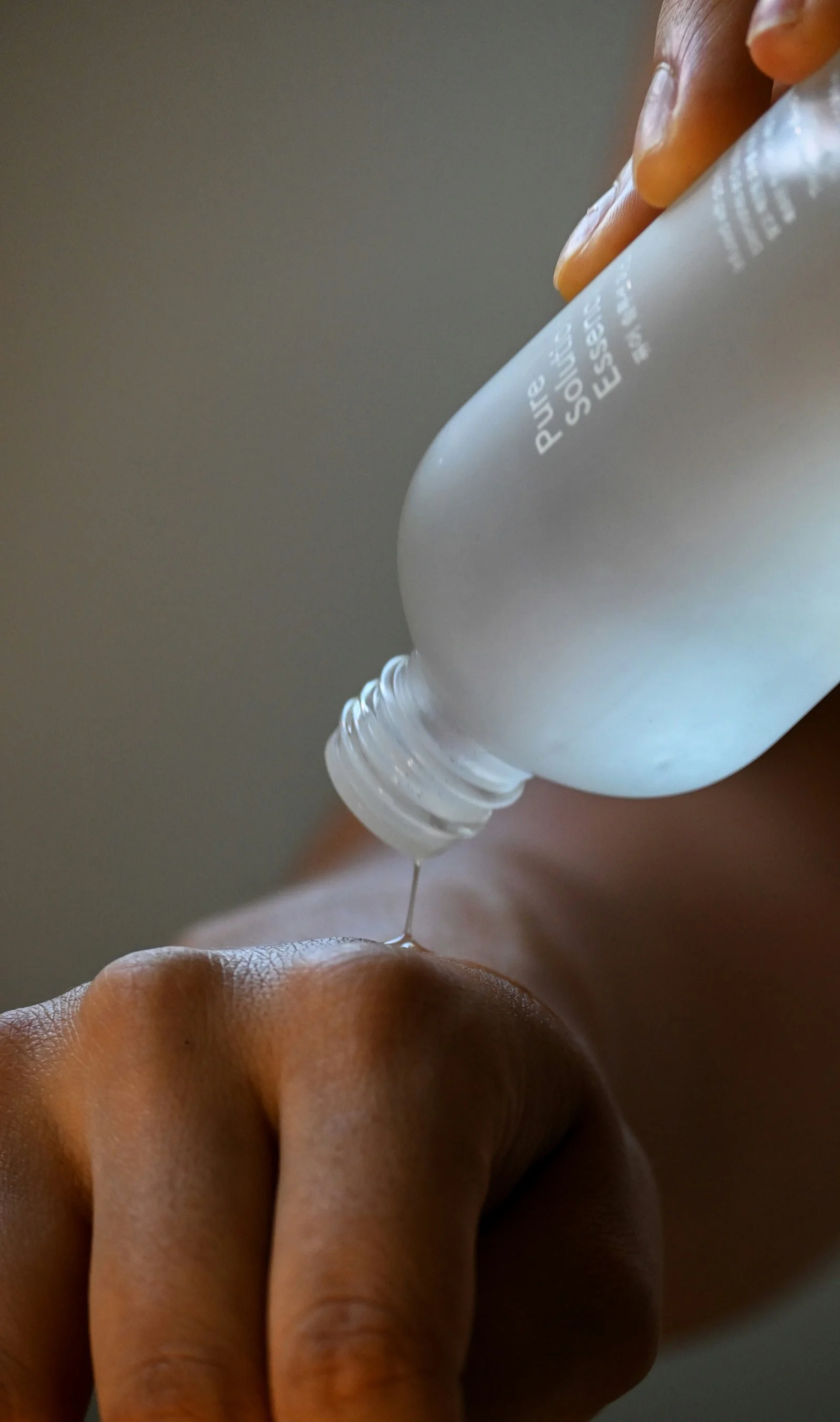
The heart of Japanese mature skincare is the essence lotion (keshosui). Unlike astringent Western toners that strip oil, Japanese lotions are nutrient-dense water elixirs packed with humectants, amino acids, and fermented botanicals.
- Dispense a 500-yen coin amount into your palms.
- Press gently into your face, neck, and decollete using open palms (hand press), allowing the warmth of your hands to facilitate absorption.
- Repeat with a second layer on dry areas (cheeks, mouth contours, temples).
Step 3: Targeted Quasi-Drug Serums (Biyoueki)
In Japan, anti-aging actives are rigorously evaluated under the Quasi-Drug (Iyakubugaihin) system:
- Morning Active: Apply a tranexamic acid or stable vitamin C serum to counteract daytime oxidative stress and inhibit melanin transfer.
- Evening Active: Incorporate an approved pure retinol or high-concentration niacinamide serum to support natural skin elasticity and smooth fine lines.
Step 4: The Softening Emulsion (Nyueki)
A crucial Japanese step often skipped in Western routines is the milky emulsion (nyueki). While lotions supply water and creams supply heavy occlusives, emulsions provide balanced oil-in-water micro-droplets that soften hardened, mature keratin plates, restoring supple bounce.
Step 5: Rich Barrier Cream Sealing (PM)
Finish your evening ritual with an intensive moisturizing cream rich in human-type ceramides, squalane, and shea butter. This creates a protective film that shields skin from overnight dry bedroom air.
Step 6: Broad-Spectrum Daytime Defense (AM)
Cumulative ultraviolet exposure is responsible for up to 80% of visible skin aging. Complete every morning routine with a hydrating Japanese sunscreen boasting SPF 50+ and PA++++. Modern Japanese sunscreens for mature skin incorporate hyaluronic acid and collagen, providing dewy protection without a chalky white cast.

The Art of Frictionless Application: Hand-Press Technique
In Japanese beauty philosophy, how you apply a product is just as critical as the ingredients inside the bottle:
- Warmth Activation: Rub products between clean palms for two seconds before touching your face. Thermal warmth lowers the viscosity of emulsions, helping them melt into skin contours.
- Open-Palm Pressing (Hand Press): Cover your cheeks with flat palms and hold for three seconds with featherlight pressure. Move upward toward the temples and across the forehead.
- Zero Lateral Dragging: Never wipe or rub across the skin surface. Lateral friction stretches fragile dermal fibers, compounding sagging over time.
- Extend to Neck and Decollete: Mature skin aging reveals itself earliest along the neck and upper chest. Always extend leftover lotion, emulsion, and sunscreen downward with gentle upward strokes.
Daily Bathing and Thermal Moisture Management
Soaking in a warm bath (o-furo) is an integral part of Japanese nighttime recovery, boosting peripheral circulation and relieving physical fatigue. However, excessive hot water exposure can wash away vital intercellular lipids from mature skin.
Dermatological guidance from the American Academy of Dermatology provides practical rules for preserving moisture:
- "Limit baths and showers to five to ten minutes, using warm water."[3]
- "Apply moisturizer several times a day. Moisturizer plays a key role in healing dry skin. Be sure to apply your moisturizer when your skin is still damp after taking a shower or bath, after washing your hands, and when your skin feels dry."[3]
The Three-Minute Rule
Upon stepping out of the bath, your skin's surface temperature is elevated and water rapidly evaporates from the stratum corneum. Keep your hydrating lotion and emulsion near the bathroom vanity and begin applying your first layer within three minutes while your face remains comfortably damp.
Signs to Stop and When to See a Doctor
While Japanese mature skincare formulations prioritize gentle barrier compatibility, introducing active ingredients to post-menopausal skin requires attentiveness:
- Retinoid Irritation or Retinization: When starting topical pure retinol, mild transient flaking can occur. However, if you experience intense erythema, burning, or cracking, reduce application to twice weekly and buffer over a rich emulsion.
- Contact Sensitivities: Mature skin has a thinner epidermal barrier that absorbs environmental allergens more easily. If an essential oil or preservative causes persistent itchy wheals or swelling, discontinue the product immediately.
- Persistent Dermatological Lesions: Cosmetic aging-care routines support skin comfort and surface texture; they are not intended for medical skin disorders. Any asymmetric, bleeding, changing moles, or chronic non-healing plaques require immediate examination by a board-certified dermatologist.
FAQ
Q1. Should I stop using foaming cleansers in my 50s?
A. Switching to gentle oil, cream, or milk cleansers prevents lipid stripping.(Details)
Traditional high-pH foaming soaps can disrupt the fragile acid mantle of mature skin, leading to tight, parched sensations. In your 50s, transition to non-foaming cleansing milks or nourishing oil cleansers that dissolve impurities while preserving natural barrier lipids.
Q2. Can I use retinol and tranexamic acid together in a Japanese routine?
A. Yes, they operate through complementary mechanisms and pair well.(Details)
Tranexamic acid acts as a gentle brightening Quasi-Drug active that inhibits melanocyte activation, while pure retinol supports epidermal turnover and collagen support. Using tranexamic acid in the morning and retinol in the evening creates a balanced, comprehensive mature routine.
Q3. Why are Japanese emulsions (nyueki) so important for mature skin?
A. Emulsions balance water and oil to soften stiffened keratin plates.(Details)
Mature skin often becomes resistant to thick creams if applied directly over water. Emulsions contain micro-emulsified lipids that infuse cuticular gaps, softening rigid skin cells and creating an optimal base for heavier ceramide creams to seal properly.
Q4. How do I know if my skin barrier is damaged rather than just dry?
A. Damaged barriers sting upon applying basic water or gentle lotions.(Details)
Simple dryness feels tight or looks dull. A compromised moisture barrier features microscopic fissures, leading to stinging, burning, or redness even when applying basic alcohol-free hydrating toners. If this occurs, pause all active serums and focus exclusively on ceramides and gentle emulsions.
Q5. Is collagen in topical Japanese lotions effective for wrinkles?
A. Topical collagen acts as a superior surface humectant, plumping fine dehydration lines.(Details)
Intact collagen molecules are too large to reach the deep dermis where natural collagen resides. However, hydrolyzed collagen peptides bind significant amounts of moisture on the upper epidermal surface, instantly softening the appearance of fine lines and providing dewy suppleness.
Summary
The Japanese skincare routine for mature skin in your 50s is an empowering philosophy of gentle, barrier-respectful care:
- Protect Against Friction: Avoid lateral scrubbing and aggressive tugging, opting for open-palm pressing (hand press) that honors delicate elastin fibers.
- Layer Moisture Deeply: Saturate the stratum corneum with nutrient-rich essence lotions (keshosui) before sealing with balancing emulsions (nyueki) and ceramide creams.
- Rely on Proven Quasi-Drugs: Incorporate clinically validated actives like niacinamide, pure retinol, and tranexamic acid to support elasticity and clarity without barrier disruption.
By pairing modern cosmetic science with mindful J-Beauty rituals, mature skin can maintain radiant translucency, resilient comfort, and enduring grace.
Disclaimer: This article is for general information and education about Japanese cosmetics and their labels. It is not a substitute for professional medical advice, diagnosis, or treatment. Skincare results vary from person to person. Product formulas, availability, prices, and regulations change, and products sold in Japan can differ from versions sold elsewhere, so always check the current label. Do a patch test before introducing a new product, and consult a doctor or dermatologist if you have a skin condition or specific concerns.
References
- PLOS ONE (2015). Homogeneous transport in a heterogeneous membrane: water diffusion across human stratum corneum in vivo. DOI: 10.1371/journal.pone.0117292. Available from: https://journals.plos.org/plosone/article?id=10.1371/journal.pone.0117292
- American Academy of Dermatology (AAD). Face washing 101. Available from: https://www.aad.org/public/everyday-care/skin-care-basics/care/face-washing-101
- American Academy of Dermatology (AAD). Dermatologists' tips to relieve dry skin. Available from: https://www.aad.org/public/everyday-care/skin-care-basics/dry/dermatologists-tips-relieve-dry-skin