Can You Use Vitamin C Serum Every Day? Japanese Skincare Rules
RoutinesBy Miho Tanaka
title: Can You Use Vitamin C Serum Every Day? Japanese Skincare Rules
meta_description: Can you use vitamin C serum every day? Discover Japanese dermatological rules on frequency, pure ascorbic acid vs derivatives, and practical routine tips.
slug: can-you-use-vitamin-c-serum-every-day-japanese-rules
category: routines
hero_image: /images/stock/skincare-amber-glass-bottles-dropper-set-1.jpg
hero_image_alt: Amber glass dropper bottle and vitamin C skincare routine setup on neutral background
published_at: 2026-11-22
updated_at: 2026-11-22
author: Editorial Team
Can You Use Vitamin C Serum Every Day? Japanese Skincare Rules
Vitamin C is celebrated worldwide as a gold-standard cosmetic ingredient for brightening dull skin tone, curbing oxidative stress from UV rays, and supporting resilient skin texture. Yet many skincare enthusiasts wonder: is it truly safe and beneficial to apply vitamin C serum every single day, or does daily usage risk triggering barrier irritation, redness, and peeling?
In Japan, where daily skincare rituals emphasize long-term barrier protection and preventative care (yobō biyō), formulation scientists have perfected techniques to make vitamin C comfortable for daily morning and evening use.
This guide explores the physiological effects of daily vitamin C use, compares pure L-ascorbic acid with stable Japanese Quasi-Drug derivatives, and outlines the essential Japanese application rules to optimize daily tolerance.
Quick answer: Can You Use Vitamin C Serum Every Day? Japanese Skincare Rules
Yes, you can safely use vitamin C serum every day—and even twice daily—provided you choose a stable formula compatible with your barrier condition. In Japanese skincare routines, daily morning application provides vital antioxidant defense against UV-induced free radicals, while evening application aids skin recovery. Japanese dermatological advice highlights buffering active serums over hydrating lotions, beginning with stable derivatives (such as ascorbyl glucoside or ethyl ascorbic acid), and always sealing with adequate moisture and daily broad-spectrum sunscreen.
Pure L-Ascorbic Acid vs. Stable Vitamin C Derivatives
Whether daily application causes irritation depends largely on the chemical form of vitamin C and the pH level of the serum.
1. Pure L-Ascorbic Acid
Pure ascorbic acid is biologically active upon contact with skin. However, to remain stable and cross the epidermal lipid barrier, it generally requires a low acidic formulation (pH 2.5 to 3.5). For sensitive skin profiles, applying a low-pH pure acid serum twice daily can disrupt delicate surface acid mantle lipids, leading to prickling and redness.
2. Japanese Quasi-Drug Vitamin C Derivatives
Japanese cosmetics manufacturers lead global research in synthesizing stable vitamin C derivatives (ascorbic acid derivatives). Formulated within physiological pH ranges (pH 5.0 to 7.0), these compounds convert into active ascorbic acid within the skin via enzymatic action:
Ascorbyl Glucoside (AA-2G): Bound with glucose, highly water-soluble, exceptionally stable against heat and oxidation, and gentle enough for twice-daily application.
3-O-Ethyl Ascorbic Acid: An etherified derivative offering rapid conversion, high stability, and non-greasy textures.
Magnesium Ascorbyl Phosphate (MAP): A stable, hydrating salt often chosen for sensitive or dry complexions.
Daily Tolerance Profile: Comparing Vitamin C Formats
Scroll horizontally to view full table
Vitamin C Format
Formulation pH Range
Oxidative Stability
Daily Usage Recommendation
Pure L-Ascorbic Acid (10%–20%)
Acidic (pH 2.5–3.5)
Prone to air/light oxidation
Once daily (or alternate days for sensitive skin)
Ascorbyl Glucoside (AA-2G)
Neutral (pH 5.5–6.5)
High heat and light resistance
Twice daily (morning and night)
3-O-Ethyl Ascorbic Acid
Mildly Acidic (pH 4.5–5.5)
High photo-stability
Daily morning and evening use
Magnesium Ascorbyl Phosphate (MAP)
Neutral (pH 6.5–7.5)
Very stable in water bases
Daily morning and evening use
The Japanese Golden Rules for Daily Vitamin C Application
To reap the rewards of daily vitamin C without overwhelming your cutaneous defense, Japanese skincare experts follow four foundational application principles:
1. Buffer With Hydrating Lotion First
In Western routines, active acids are frequently applied directly onto freshly cleansed, dry skin. In contrast, the Japanese routine almost universally begins with a watery hydrating lotion (keshōsui). Applying a humectant-rich lotion first cushions the stratum corneum, balancing skin pH and distributing serum evenly to minimize localized irritation spikes.
Maintaining healthy hydration prevents micro-fissures in epidermal layers. Research in PLOS ONE affirms: 'The stratum corneum (SC) provides a permeability barrier that limits the inflow and outflow of water.'[1] Ensuring that moisture balance remains intact is essential before introducing concentrated antioxidant actives.
2. Pair Morning Application With Broad-Spectrum Sunscreen
A persistent myth claims that vitamin C causes photosensitivity during daytime hours. In reality, vitamin C does not contain phototoxic furocoumarins. When applied in the morning beneath broad-spectrum SPF, vitamin C neutralizes reactive oxygen species (ROS) generated by UV rays that bypass sunscreen filters, creating a powerful dual shield against photo-aging.
3. Use the "Te-ate" Hand-Press Method
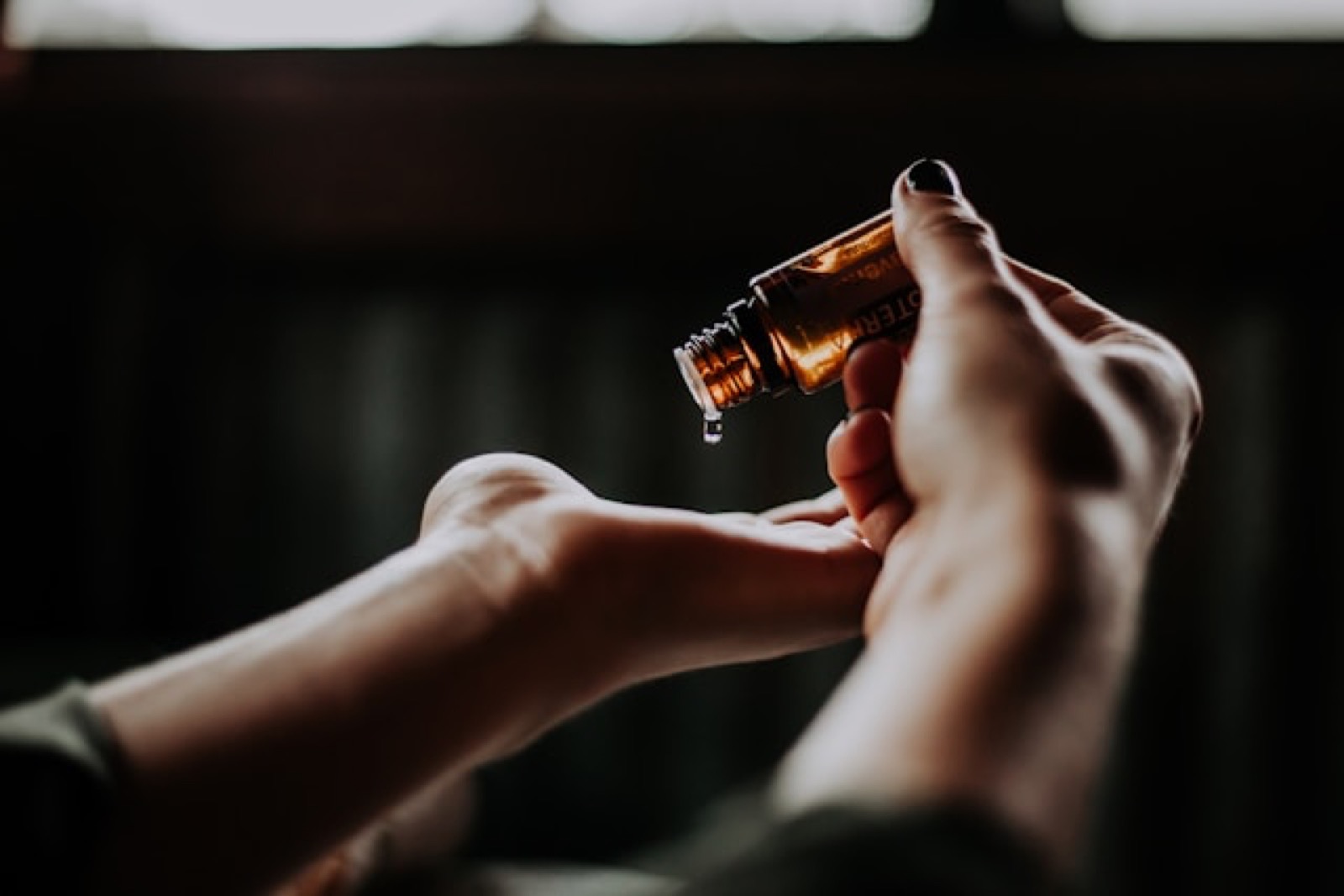
Rather than rubbing or dragging potent serums with cotton pads, dispense 3 to 4 drops into the palm of your clean hand, gently warm the formula, and press palms flat against the cheeks, forehead, and chin. This friction-free technique avoids mechanical stress on delicate capillaries.
4. Seal With Emulsion or Cream
Always complete your routine with a lightweight emulsion (nyueki) or moisturizing cream. Sealing the skin with gentle lipids prevents volatile carrier evaporation and locks moisture into the intercellular matrix.
Common Daily Application Mistakes and How to Avoid Them
Even high-quality Japanese serums can provoke unwanted reactions if mismanaged. Watch out for these three frequent missteps:
Storing Formulations in Humid Bathrooms
Heat, humidity, and shower steam accelerate chemical degradation, especially in pure ascorbic acid formulas. Serums that turn dark yellow or orange have undergone extensive oxidation into dehydroascorbic acid, losing their protective efficacy. Store vitamin C bottles in a cool, dark drawer outside the bathroom.
Over-Exfoliating Concurrently
Combining daily high-strength vitamin C with chemical peels (AHA/BHA) or physical face scrubs can thin the stratum corneum. If you use exfoliating acids, reserve them for once weekly and omit vitamin C on that particular evening.
Applying to Compromised or Flaking Skin
If your barrier is actively inflamed from sunburn or winter windburn, even gentle vitamin C derivatives can cause stinging. Suspend all active serums temporarily until the barrier stabilizes.
Signs to Stop and When to Seek Medical Advice
While vitamin C is generally well-tolerated, adverse cutaneous reactions can occur in individuals with sensitive skin barriers or specific ingredient allergies.
Discontinue use immediately and inspect your skin if you experience:
Persistent Erythema: Bright redness that does not subside within 30 minutes of application.
Follicular Bumps: Small, itchy, non-acne bumps (miliaria or contact dermatitis papules) spreading across cheeks or jawline.
Intense Burning or Tingling: Sensations that persist beyond initial application, signaling acid mantle irritation.
Severe Peeling or Scaling: Excessive dry flakiness around the mouth or orbital zones.
If facial swelling, widespread hives, or persistent blistering develops, rinse the face gently with cool water and consult a board-certified dermatologist or healthcare provider. Bring the product packaging and ingredient listing to your appointment.
FAQ
Q1. Is it better to apply vitamin C serum in the morning or at night?
A. Morning application defends against daytime UV stress, while night use supports cellular recovery.(Details)
Both timings offer distinct advantages. In the morning, applying vitamin C under sunscreen neutralizes free radicals caused by sunlight and pollution. In the evening, vitamin C supports restorative skin processes and replenishes antioxidant reserves depleted during daylight hours. If using once daily, morning is generally preferred for environmental defense.
Q2. Can beginners start using vitamin C every single day immediately?
A. Beginners should start 2 to 3 times weekly before gradually transitioning to daily use.(Details)
While gentle Japanese derivatives (such as ascorbyl glucoside) can often be used daily from the start, pure L-ascorbic acid requires acclimatization. Introduce high-potency formulas two to three mornings per week. Once your skin displays zero tingling or redness across a fortnight, increase frequency to daily application.
Q3. Does daily vitamin C make the skin more photosensitive to sunlight?
A. No, vitamin C does not induce photosensitivity and actually enhances daytime UV defense.(Details)
Unlike retinoids or certain exfoliating acids that can thin the outer stratum corneum, vitamin C is not photosensitizing. Pure vitamin C and its derivatives are potent antioxidants that actively scavenge UV-generated free radicals. However, vitamin C cannot block UV photons directly, so it must always be paired with an effective broad-spectrum sunscreen.
Q4. Can I use vitamin C serum every day alongside niacinamide?
A. Yes, modern formulations can be safely layered together without chemical inactivation.(Details)
Older dermatological theories suggested that combining ascorbic acid with niacinamide creates a complex that causes facial flushing or neutralizes both ingredients. Modern cosmetic chemistry has disproven this at normal room temperatures. In Japanese skincare, vitamin C derivatives and niacinamide are routinely combined to deliver synergistic brightening and barrier-conditioning benefits.
Q5. Why do some vitamin C serums turn yellow or brown over time?
A. Darkening indicates oxidation of active ascorbic acid into dehydroascorbic acid.(Details)
Pure L-ascorbic acid naturally oxidizes when repeatedly exposed to ambient oxygen and light, turning from clear to champagne yellow, and eventually to amber brown. While slight pale yellow tinting is acceptable, dark orange or brown liquid indicates significant oxidation that can stain skin pores and irritate the barrier. Discard heavily oxidized serums and switch to stable derivatives if your serums oxidize quickly.
Summary
Daily Safety: Daily vitamin C application is completely safe and advantageous when utilizing gentle, physiological pH formulations.
Derivatives Excel: Japanese Quasi-Drug derivatives like ascorbyl glucoside and ethyl ascorbic acid provide steady antioxidant defense with minimal stinging risk.
Buffer and Shield: Always apply hydrating lotion first to cushion the barrier, apply with gentle flat hands, and seal with daily sunscreen in the morning.
Consistency Over Potency: Moderate concentrations used faithfully every day deliver superior skin resilience compared to sporadic use of aggressive, irritating formulas.
Journal of Clinical and Aesthetic Dermatology. Vitamin C in Dermatology: Stability, Penetration, and Clinical Efficacy. 2017;10(4):14-17.
Society of Cosmetic Chemists of Japan (SCCJ). Technical Review on the Formulation and Stabilization of Ascorbic Acid Derivatives in Quasi-Drugs.https://www.sccj-ifscc.jp/
Disclaimer: This article is for general information and education about Japanese cosmetics and their labels. It is not a substitute for professional medical advice, diagnosis, or treatment. Skincare results vary from person to person. Product formulas, availability, prices, and regulations change, and products sold in Japan can differ from versions sold elsewhere, so always check the current label. Do a patch test before introducing a new product, and consult a doctor or dermatologist if you have a skin condition or specific concerns.