title: How to Adapt Japanese Skincare Routine for Dry Cabin Air: In-Flight Barrier Protection meta_description: Protect your skin from ultra-low airplane humidity. Learn how Japanese lipid layering, emulsion misting, and friction-free rituals prevent dehydration. slug: how-to-adapt-japanese-routine-for-dry-cabin-air category: routines hero_image: /images/stock/travel-friendly-cosmetic-tubes-and-creams.jpg hero_image_alt: Travel-friendly cosmetic tubes and creams arranged neatly for dry cabin air protection published_at: 2026-11-22 updated_at: 2026-11-22 author: Editorial Team
How to Adapt Japanese Skincare Routine for Dry Cabin Air: In-Flight Barrier Protection
Commercial aircraft cruising at high altitudes introduce the human skin to one of the most desiccating environments encountered in modern daily life. Inside a pressurized airplane cabin, atmospheric humidity drops to desert-like extremes, pulling moisture out of the epidermis at an accelerated rate. Travelers frequently disembark after long-haul flights with persistent facial tightness, dullness, accentuated fine expression lines, and sudden flaking.
In Japanese skincare (J-Beauty), in-flight protection is not about applying an aggressive single-step thick cream right before landing. Instead, it relies on a deliberate strategy of multi-layered physiological hydration, water-locking emollient barriers, and low-friction application rituals. By understanding how low relative humidity impacts skin permeability, you can adapt your routine using travel-friendly essentials to keep your moisture barrier intact from takeoff to arrival.
This guide outlines the dermatological mechanics of cabin dehydration, details a targeted three-phase routine (pre-boarding, in-flight, and post-flight), and explains why common in-flight skincare habits—such as unsealed water-only facial mists—can unintentionally worsen cutaneous dehydration.
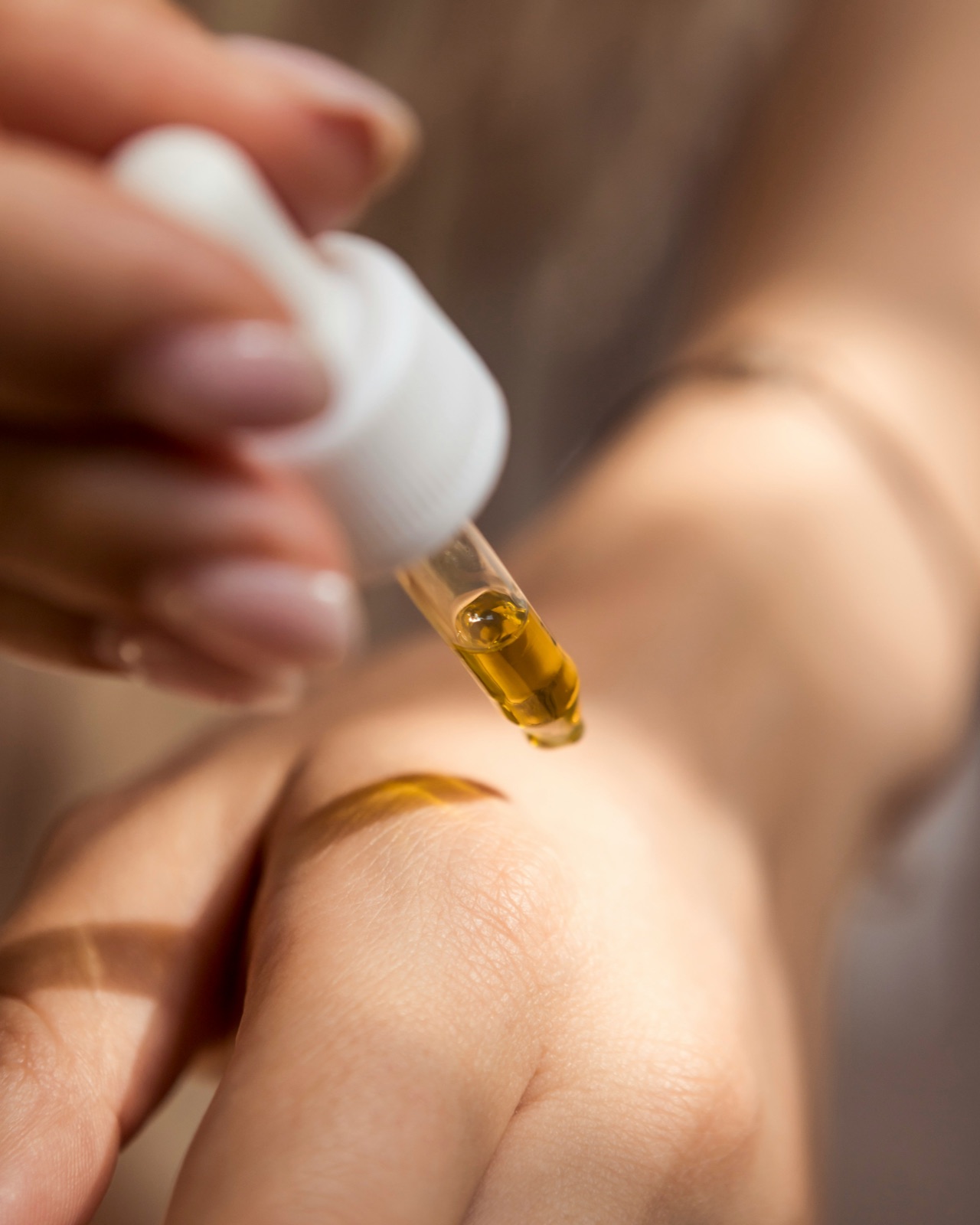
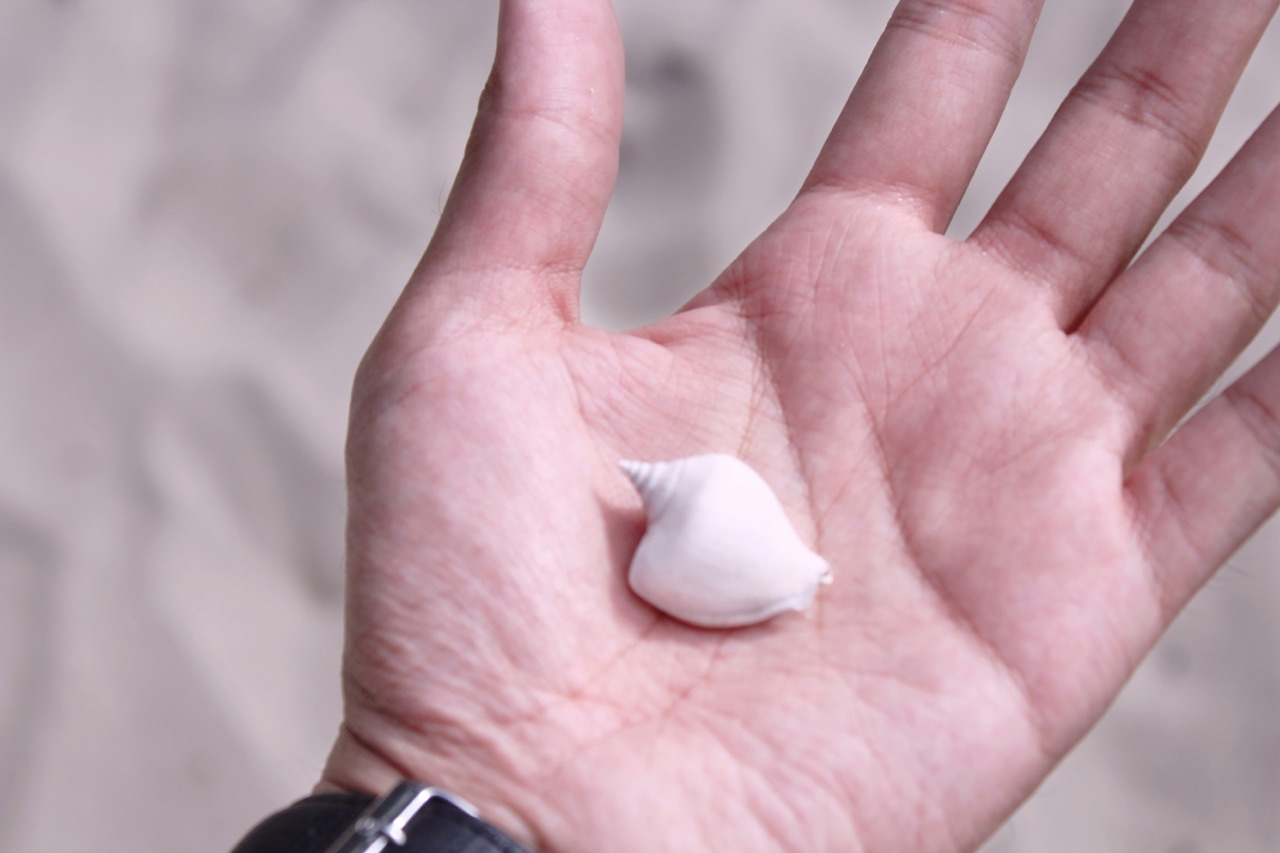
Aircraft cabin humidity typically falls below 20%, dramatically accelerating transepidermal water loss (TEWL). To adapt a Japanese skincare routine for long flights: (1) Pre-flight: Cleanse gently, saturate the skin with a ceramide-rich essence lotion, and lock it in with a squalane or botanical emollient cream. (2) In-flight: Avoid pure water facial sprays without an oil seal, as evaporation pulls endogenous water from corneocytes; instead, use an oil-infused bi-phase mist or press a pea-sized amount of lipid balm into cheeks using warm palms. (3) Post-flight: Perform a gentle lukewarm double cleanse and apply a soothing sheet mask or intensive milky emulsion to replenish depleted moisture reserves.
The Dermatological Challenge of Aircraft Cabin Air
Cruising at altitudes between 30,000 and 40,000 feet, aircraft cabins are supplied with conditioned outside air that holds virtually zero natural humidity.
1. Severe Drop in Relative Humidity
Reports from the World Health Organization and aerospace medicine guidelines observe that relative humidity inside passenger cabins frequently drops below 20%, and in long-haul cruising conditions can fall into single digits. For comparison, normal comfortable indoor humidity typically ranges from 40% to 60%.
2. Accelerated Transepidermal Water Loss (TEWL)
Research in PLOS ONE affirms: 'The stratum corneum (SC) provides a permeability barrier that limits the inflow and outflow of water.'[1] However, when ambient humidity plunges into single digits, the vapor pressure gradient between viable epidermal cells and the ambient cabin air steepens dramatically. Exposure to such extremely arid air significantly increases transepidermal water loss and accelerates cutaneous moisture depletion. Natural moisturising factors (NMF) within surface corneocytes become desiccated, causing intercellular spaces to contract and leaving the barrier brittle.
3. The Evaporation Trap of Pure Water Mists
A widespread travel mistake is spritzing bare skin with plain thermal water or aqueous facial sprays throughout a flight. In dry cabin air, free unoccluded water droplets evaporate almost instantly. As they vaporize, they draw endogenous moisture away from the stratum corneum, intensifying dehydration and surface irritation.
3-Phase Japanese Routine for Long-Haul Flights
Adapting your regimen follows three structured windows: pre-flight fortification, mid-flight maintenance, and post-flight recovery.
Scroll horizontally to view full table
| Phase | Key Step | Recommended Formulation | Mechanism |
|---|---|---|---|
| Phase 1: Pre-Flight | Deep Hydration & Occlusion | Multi-molecular hyaluronic lotion + Squalane cream | Saturates corneocytes and establishes a flexible lipid shield before boarding. |
| Phase 2: In-Flight | Bi-Phase Moisture Shield | Oil-in-water mist or multi-balm (pseudo-ceramides) | Supplies humectants accompanied by immediate emollient sealing to block evaporation. |
| Phase 3: Post-Flight | Gentle Reset & Rebalancing | Mild cleansing milk + Soothing fermented essence | Cleanses cabin air particulate residue without disturbing lipid architecture. |