title: How to Store Japanese Cosmetics in Hot, Humid Climates h1: How to Store Japanese Cosmetics in Hot, Humid Climates description: Learn how to store Japanese cosmetics in hot, humid climates. Discover best practices for sunscreen, vitamin C serums, emulsions, and skincare fridges. meta_description: Learn how to store Japanese cosmetics in hot, humid climates. Discover best practices for sunscreen, vitamin C serums, emulsions, and skincare fridges. category: routines slug: how-to-store-japanese-cosmetics-in-hot-humid-climates publish: false published_at: 2026-11-19 hero_image: /images/stock/japanese-beauty-stores-us-uk-cosmetic-display-tray.jpg hero_image_alt: Japanese cosmetics and skincare bottles displayed neatly on an indoor vanity tray away from sunlight
How to Store Japanese Cosmetics in Hot, Humid Climates
Japanese skincare products enjoy a global reputation for elegant textures, lightweight layering, and sophisticated ingredient delivery. Whether it is a featherlight watery lotion (keshosui), a milk emulsion (nyueki), or an active vitamin serum, these formulations are meticulously engineered in Japanese laboratories. However, many international users live in tropical or subtropical regions—such as Southeast Asia, the Gulf countries, parts of Australia, or summer climates across North America—where ambient temperatures regularly climb above 35°C (95°F) and relative humidity exceeds 80%.
Under such intense conditions, environmental factors can compromise even the most stable skincare formula. Formulators include preservative systems specifically designed to prevent decomposition by microbial growth or by undesirable chemical changes throughout a product's shelf life[3]. Yet prolonged thermal exposure, direct sunlight, and steamy bathroom air can degrade delicate actives, destabilize silky emulsions, and foster bacterial growth. Understanding how to properly store your Japanese beauty products protects your financial investment and ensures every formula performs safely and effectively on your skin.
The ideal location is a cool, dark, and well-ventilated interior space—such as a bedroom vanity drawer, dark closet, or interior shelf away from exterior windows and steamy bathrooms. Avoid leaving products in hot cars, on sunny windowsills, or directly next to shower enclosures. While sheet masks and pure water-based gels benefit from brief refrigeration, never store facial oils, heavy creams, or powder cleansers in a skincare fridge, as temperature cycling causes wax crystallization and condensation.
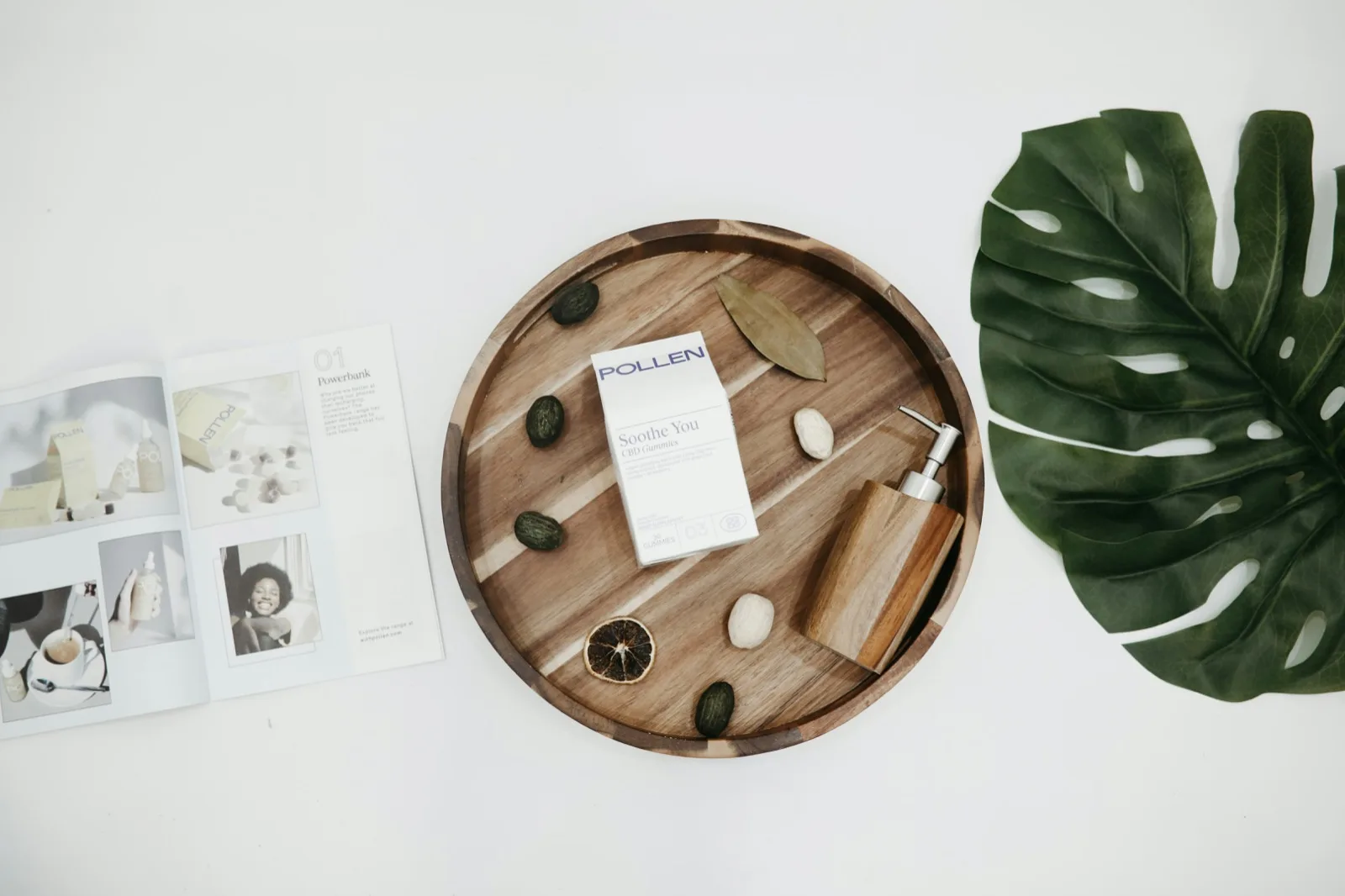
Keeping your daily skincare bottles on a dedicated interior vanity tray away from window heat protects delicate active ingredients.
Why Climate Challenges Japanese Cosmetic Stability
Under Japan's Pharmaceutical and Medical Devices Act (PMDA), cosmetics that remain physically and chemically stable for at least three years at standard ambient conditions (typically tested around 25°C / 77°F) are not legally required to print an expiration date on consumer packaging. Japanese manufacturers conduct rigorous stress tests in stability chambers—often holding samples at 40°C (104°F) and 75% relative humidity for several months to confirm durability.
However, real-world tropical conditions frequently exceed laboratory test parameters:
- Unconditioned Rooms: In tropical climates, indoor temperatures in un-airconditioned apartments often hover between 32°C and 38°C for months on end.
- Closed Vehicles: A handbag left inside a car parked under midday sunlight can easily reach temperatures exceeding 55°C (130°F) within thirty minutes.
- Bathrooms and Showers: High ambient humidity paired with enclosed shower steam creates a perpetual greenhouse environment where moisture seeps into product caps.
The Three Environmental Threats: Heat, Light & Moisture
To protect your skincare collection, it helps to understand the exact physical mechanisms behind formula breakdown.
+-------------------------------------------------------+
|             THE THREE THREATS TO COSMETIC LIFE        |
+---------------------+---------------------------------+
| Threat              | Physical & Chemical Consequence |
+---------------------+---------------------------------+
| Heat (Thermal)      | Emulsion splitting & oil melt   |
| Light (Photodegrade)| Vitamin C & active oxidation    |
| Moisture (Humidity) | Bacterial growth & clumping     |
+---------------------+---------------------------------+
1. Thermal Breakdown: Emulsion Destabilization
Most moisturizers, milks, and gel-creams are emulsions—delicate colloidal suspensions of oil droplets dispersed evenly in water with the help of emulsifying surfactants. When subjected to prolonged thermal stress, cosmetic creams experience liquid-liquid phase separation, resulting in watery puddles on top of thick waxes[1]. Furthermore, as oil droplets merge or float, visible creaming / sedimentation occurs, compromising the silky texture of emulsions and milks[1]. While separated products may not necessarily be toxic, their active ingredients are no longer evenly distributed, leading to patchy application and compromised hydration.
2. Photodegradation: Active Oxidation
Direct ultraviolet (UV) and visible light act as catalysts for free radical generation inside transparent bottles. This is particularly hazardous for delicate actives such as pure L-ascorbic acid (vitamin C), retinol, and botanical plant extracts. When pure vitamin C serum is exposed to high ambient heat or direct sunlight, rapid oxidation begins with the formation of dehydroascorbic acid, causing formulas to turn dark amber[2]. Once oxidized, vitamin C loses its protective antioxidant capacity and may cause skin irritation.
3. Humidity & Steam: Microbial Intrusion
Bathrooms are the most common yet worst location to store beauty products. Taking daily hot showers sharply elevates relative humidity. Bathroom steam sharply elevates the ratio of the partial pressure of water vapor to the equilibrium vapor pressure of water at the same temperature, encouraging microbial infiltration into unsealed jars[4]. Every time a jar is opened in a steamy room, airborne moisture droplets settle onto the cream, diluting preservatives and creating an ideal breeding ground for mold and bacteria.
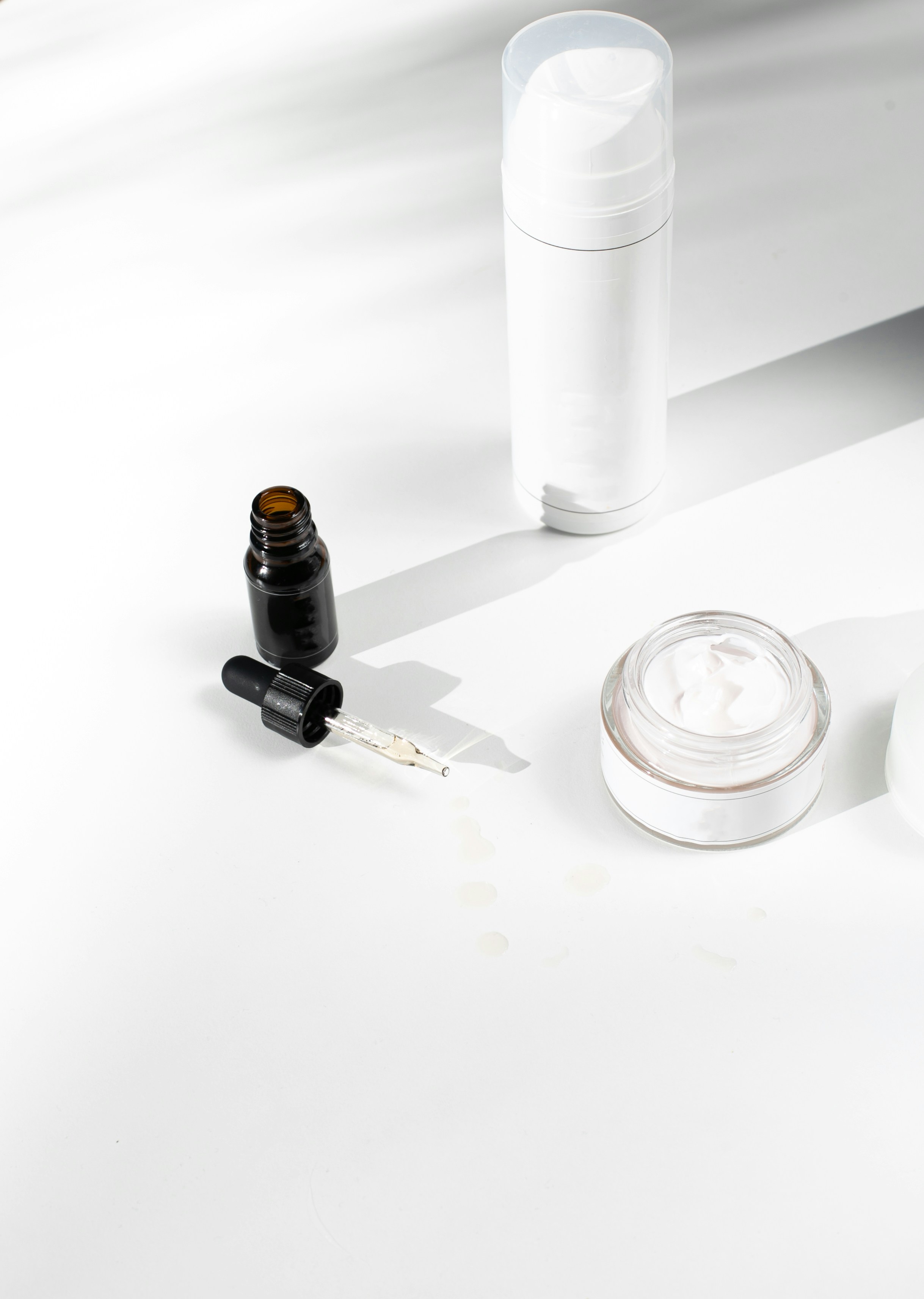
Dark amber and opaque containers provide vital photoprotection for light-sensitive botanical lipids and vitamin serums.
Should You Use a Skincare Fridge? (Myths vs Science)
The rise of social media has made miniature cosmetic refrigerators a popular vanity accessory. However, cosmetic chemists caution that cooling is not universally beneficial for every skincare type.
Scroll horizontally to view full table
| Product Category | Safe in Fridge? | Ideal Storage Conditions | Scientific Rationale |
|---|---|---|---|
| Sheet Masks | Yes (Beneficial) | Cosmetic fridge (10°C–15°C) or room temp | Chilled fluid provides immediate cooling and depuffing benefits to skin |
| Water-Based Gel Lotions | Yes (Optional) | Cool room temp or dedicated mini-fridge | Lightweight humectant gels remain stable and feel soothing on hot days |
| Sunscreen | No (Avoid) | Cool interior drawer (20°C–25°C) | Extreme cooling can alter UV filter dispersion and reduce uniform film formation |
| Facial Oils & Lipids | No (Avoid) | Dark room temp cabinet | Cold temperatures cause natural plant waxes to cloud, solidify, and separate |
| Rich Creams & Emulsions | No (Avoid) | Dry room temp drawer | Constant thermal cycling between cold and humid room air destabilizes emulsion bonds |
| Powder Cleansers | No (Never) | Dry bedroom cabinet away from water | Moving between cold fridge and warm air causes condensation inside cap, causing caking |