Japanese Carbonated Scalp Shampoo: Salon Detox at Home
RoutinesBy Editorial Team
title: Japanese Carbonated Scalp Shampoo: Salon Detox at Home
slug: japanese-carbonated-scalp-shampoo-salon-detox
category: routines
published_at: '2026-11-23'
updated_at: '2026-11-23'
meta_description: Discover how Japanese carbonated scalp shampoos use micro CO2 foam to lift sebum, unclog pores, and recreate Tokyo salon head spa treatments at home.
keywords:
japanese carbonated scalp shampoo
salon head spa detox japan
carbonic acid shampoo
co2 scalp cleanser
scalp sebum buildup removal
lead_image: /images/stock/japanese-head-spa-carbonated-water-bubbles.webp
lead_image_alt: Japanese salon head spa carbonated water micro bubbles purifying hair and scalp
author: Editorial Team
publish: true
Japanese Carbonated Scalp Shampoo: Salon Detox at Home
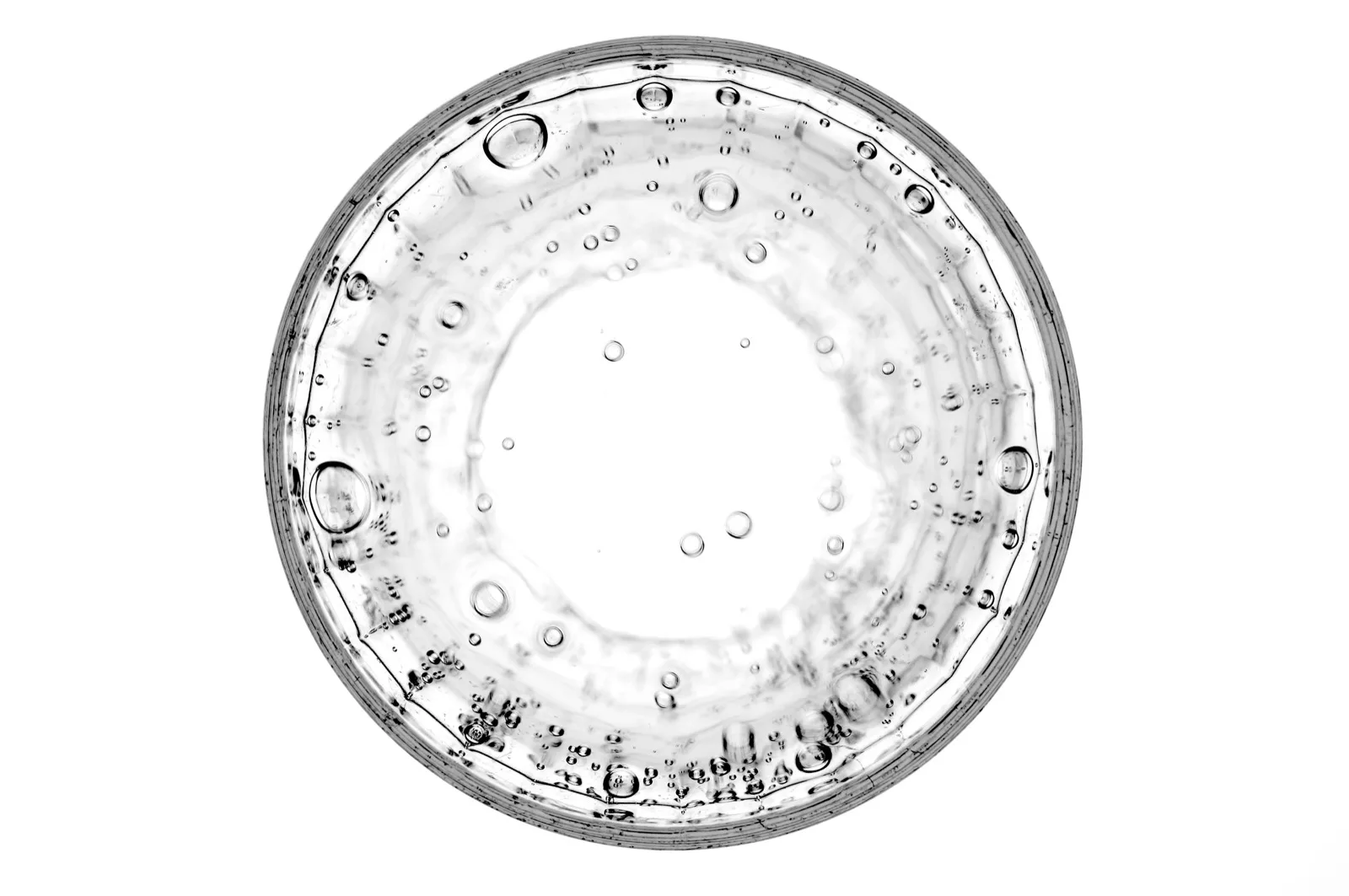
Walk into a luxury salon in Tokyo's Omotesando or Ginza districts, and one of the most requested menu items is the tansan heddo supa (carbonated head spa). During this ritual, pressurized water infused with high-concentration carbon dioxide (CO2) is rinsed through the hair, generating millions of micro-effervescent bubbles that melt away oxidized sebum and clarify product residue.
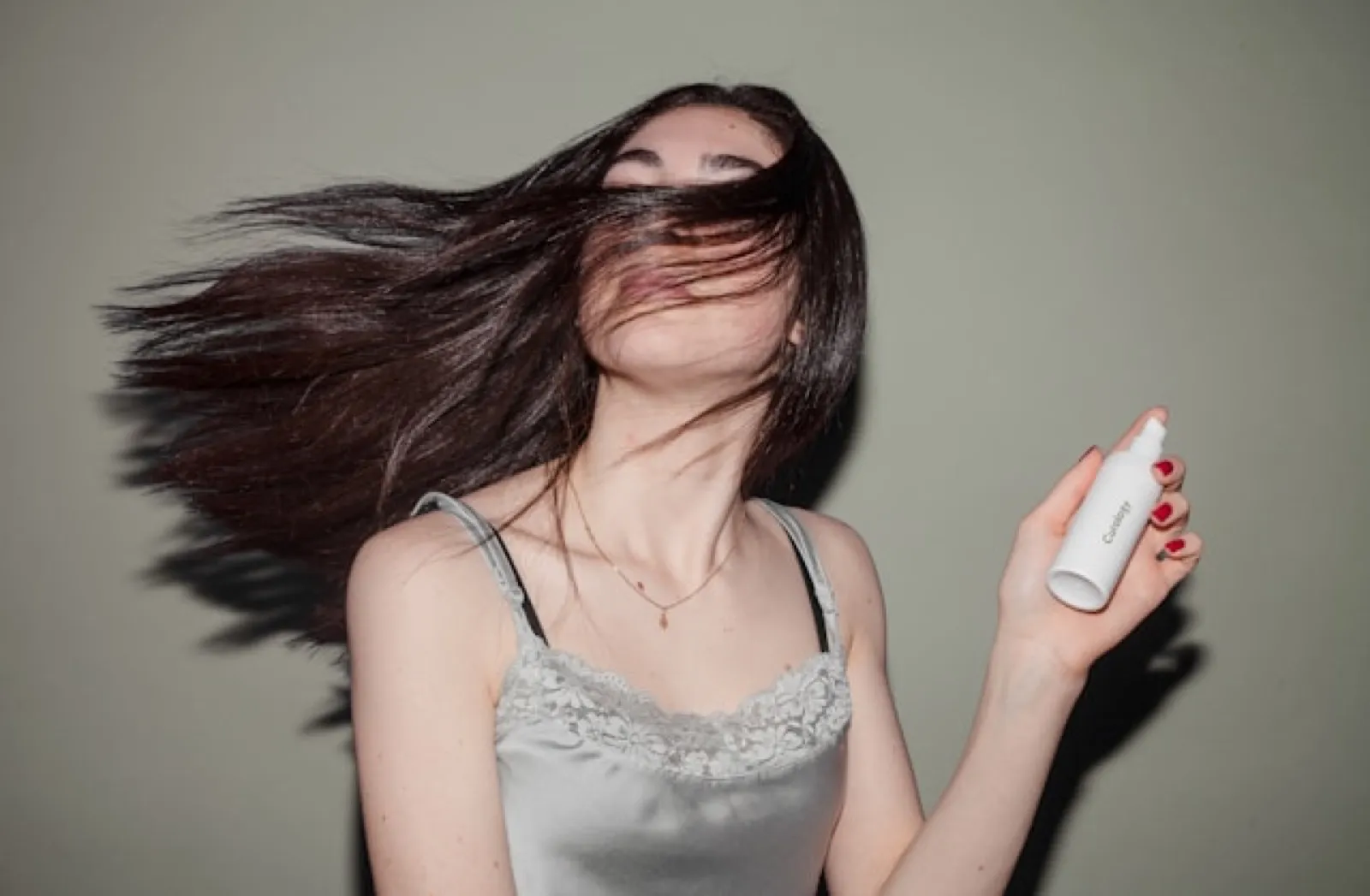
Today, this professional salon ritual has transitioned into convenient at-home Japanese beauty routines. Japanese carbonated scalp shampoos (tansan shanpu)—available as pressurized mousse sprays or freshly mixed effervescent powders—deliver salon-grade clarifying power without requiring aggressive scrubbing.
Quick answer: A Japanese carbonated scalp shampoo is a specialized weekly clarifying cleanser that uses pressurized micro-bubbles of dissolved carbon dioxide (carbonic acid) to dislodge stubborn sebum, oxidized hair oils, and silicone buildup from follicle openings. By creating a physical lifting action, it deep-cleans the scalp environment and refreshes hair roots without rough mechanical abrasion.
The Science of Carbonic Acid: How Micro CO2 Bubbles Lift Sebum
Why do Japanese formulators harness carbon dioxide for scalp care instead of simply using stronger sulfate surfactants? The mechanism relies on gas solubility, micro-cavitation, and thermal skin physiology.
Key scientific mechanisms include:
Micro-Bubble Capillary Action: Carbonic acid bubbles generated in Japanese aerosol cans measure smaller than human hair follicle openings (often under 1,000 ppm to 5,000 ppm dissolved CO2). These micro-spheres slip beneath sebum plugs that normal shampoo lather cannot reach.
Physical Lifting Rather Than Chemical Stripping: As the bubbles oscillate and burst, they create gentle acoustic micro-currents that break the electrostatic bond holding oxidized lipids to the scalp skin.
Improved Treatment Receptivity: Research from major Japanese personal care labs confirms that thoroughly clarifying the scalp improves how subsequent post-shampoo hair treatments adhere and absorb[2].
Comparison: Carbonated Scalp Shampoo vs. Traditional Clarifying Washes
Traditional clarifying shampoos often strip away vital moisture, leaving the scalp tight and strands straw-like. Japanese carbonated formulas take a distinctly balanced approach.
Scroll horizontally to view full table
Feature
Japanese Carbonated Scalp Shampoo
Standard Sulfate Clarifying Shampoo
Physical Scalp Salt Scrub
Cleansing Mechanism
Dissolved CO2 micro-bubbles lift lipid buildup
High-potency ionic surfactants dissolve oils
Abrasive salt or sugar granules buff skin
Friction Level
Zero mechanical friction; foam cushions skin
Requires standard hand lathering
High mechanical abrasion from manual rubbing
pH Balance
Mildly acidic (pH 5.0 to 5.5), matching scalp skin
Neutral to alkaline (pH 6.5 to 8.0)
Variable depending on carrier base
Usage Frequency
1 to 3 times per week as a reset ritual
Once every 1 to 2 weeks
Once weekly; risks scratching micro-tissue
Scalp Feeling
Cooling, weightless lift at hair roots
Often squeaky, dry, or taut
Polished but occasionally sensitized
Step-by-Step: How to Perform an At-Home Carbonated Head Spa
To experience authentic Japanese salon benefits, proper dispensing and application technique are essential.
Step 1: Pre-Wash Thorough Rinse
Drench your hair and scalp under warm water (around 38°C) for at least 90 seconds. This removes surface dust and opens hair fibers. Remember that dermatologists advise: Resist the temptation to scrub your skin because scrubbing irritates the skin[1].
Step 2: Dispense Dense Micro-Foam
If using an aerosol can, keep it completely upright (never tilt horizontally, which vents propellant gas prematurely). Dispense a tennis-ball-sized puff of foam into your palm. Official product testing shows that chewy, dense micro-bubbles created by dissolved carbonic acid adhere closely to the scalp and hair to float away trapped sebum[2] without sliding off.
Step 3: Stationary Acupressure Massage
Distribute the mousse across five core points: the hairline, crown, both temples, and the nape of the neck. Instead of scratching with fingernails, press the pads of your fingers firmly onto the scalp. Move the skin in small, circular rhythms for two minutes.
Step 4: Complete Luke-Warm Rinse
Rinse thoroughly for two full minutes to wash away all liberated sebum and bubbles. As dermatological guidance highlights, always Rinse with lukewarm water and pat dry with a soft towel[1] to prevent frictional frizz.
Signs to stop and when to see a doctor
While carbonated scalp cleansers are formulated to be gentle, active effervescence can feel stimulating. Watch for the following warning signs:
Discontinue use immediately if you experience intense burning, swelling, or worsening red patches.
Avoid using carbonated mousse on active scalp psoriasis, bleeding lesions, severe eczema flare-ups, or open sunburnt skin.
If you notice persistent flaking, chronic tenderness, or excessive hair shedding after clarifying washes, consult a board-certified dermatologist for a medical assessment.
FAQ
Q1. How many times a week should I use a Japanese carbonated shampoo?
A. Most scalp types benefit from two to three uses per week.(Details)
Japanese cosmetic manufacturers indicate that using the specialized carbonated foam treatment two to three times per week is recommended[2] for normal to oily scalps. If your scalp is naturally very dry, once weekly provides sufficient clarifying benefits without stripping moisture.
Q2. Will carbonated shampoo strip color-treated or dyed hair?
A. It is safer than harsh sulfates, but wait one week after fresh coloring.(Details)
Because quality Japanese carbonated cleansers maintain a slightly acidic pH close to natural hair (pH 5.0 to 5.5), they keep the hair cuticle tightened better than alkaline clarifying washes. However, during the first 7 days following a salon color service, stick to color-safe daily shampoos to let dye pigments fully stabilize.
Q3. Can I use carbonated shampoo instead of my regular shampoo?
A. It is formulated as a periodic reset, not an everyday replacement.(Details)
While gentle, carbonated shampoos are designed for deep pore resetting. Using them daily may remove natural protective lipids too frequently. Keep your gentle daily shampoo for regular washes and rotate the carbonated ritual in as a weekly spa booster.
Q4. Why does carbonated foam feel cool or tingly on the scalp?
A. Dissolved CO2 and botanical extracts encourage micro-sensory freshness.(Details)
The sensory cooling sensation comes from two factors: the evaporation of micro-gas bubbles and refreshing botanical ingredients like menthol or herbal extracts commonly included in Japanese formulations to relieve the feeling of scalp heat and heaviness.
Q5. Can carbonated shampoo help with scalp odor?
A. Yes, lifting oxidized fatty acids significantly reduces lingering odors.(Details)
Scalp odor is primarily caused by sebum oxidizing when exposed to air and skin bacteria. By targeting and lifting oxidized lipid plugs lodged inside follicle funnels, carbonated micro-bubbles reduce the root source of persistent odor far more effectively than surface-level washes.
Summary
Japanese carbonated scalp shampoo captures the rejuvenating luxury of a Tokyo head spa in a simple shower bottle. By employing microscopic carbon dioxide bubbles rather than aggressive friction or drying sulfates, it lifts stubborn sebum, resets heavy hair roots, and prepares your scalp to absorb nourishing treatments. Integrate this clarifying ritual into your weekly routine to experience weightless bounce and pristine scalp comfort.
Disclaimer: This article is for general information and education about Japanese cosmetics and their labels. It is not a substitute for professional medical advice, diagnosis, or treatment. Skincare results vary from person to person. Product formulas, availability, prices, and regulations change, and products sold in Japan can differ from versions sold elsewhere, so always check the current label. Do a patch test before introducing a new product, and consult a doctor or dermatologist if you have a skin condition or specific concerns.