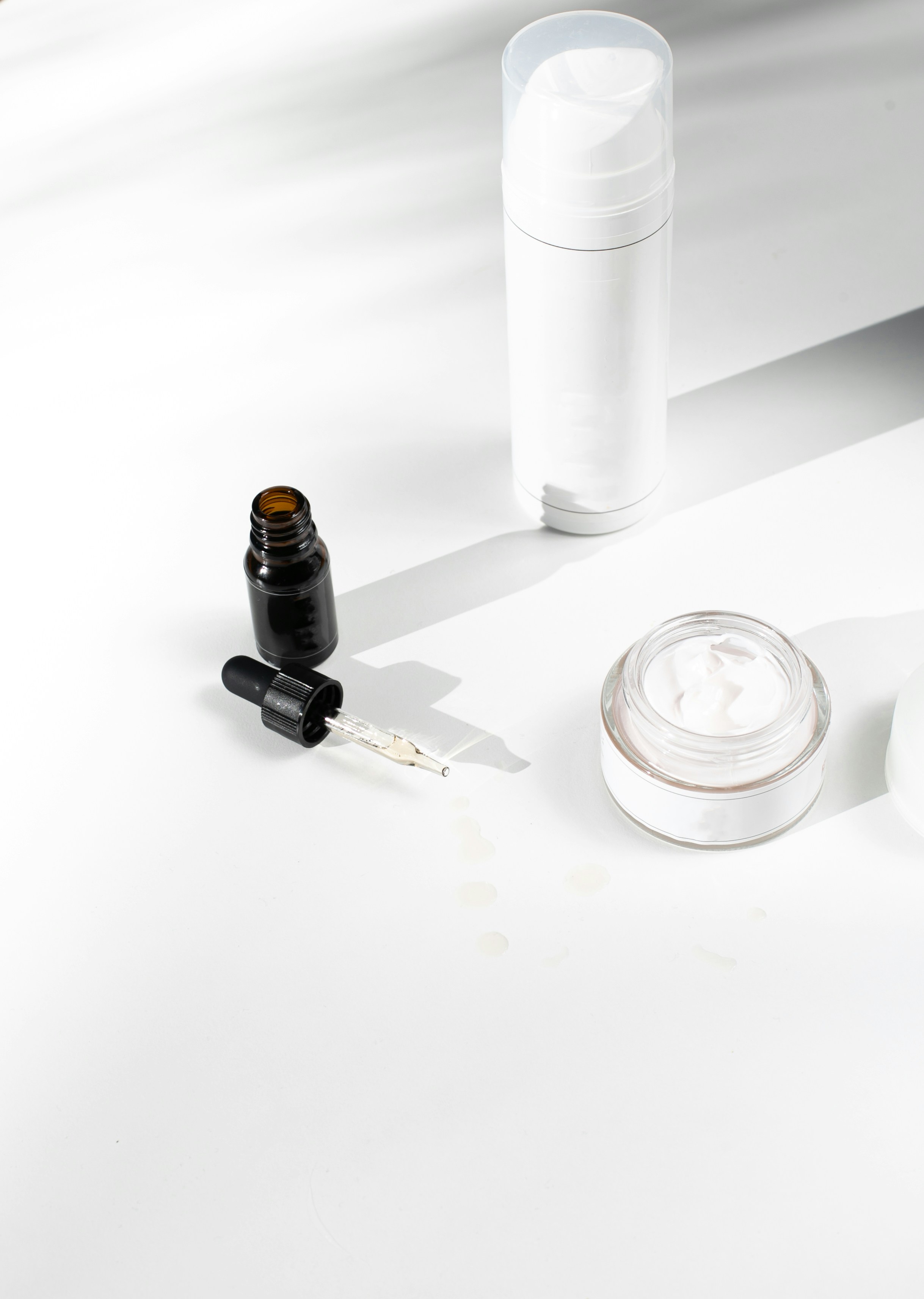
title: "Patch Test and Allergic Reaction Steps: Japanese Skincare Guide" description: "How to properly patch test new Japanese cosmetics and recognize allergic contact dermatitis. Expert protocol, timing, and soothing recovery steps." category: "routines" slug: "patch-test-allergic-reaction-steps-japanese-guide" hero_image: "/images/stock/skincare-minimal-bottles-dropper-set.jpg" hero_image_alt: "Clear patch test serum and dropper for testing cosmetic safety" published_at: "2026-11-20" last_modified_at: "2026-11-20"
Patch Test and Allergic Reaction Steps: Japanese Skincare Guide
Exploring Japanese cosmetics is exciting, but introducing new formulas with unfamiliar botanical extracts, ferment filtrates, or preservatives requires caution. Even the gentlest hypoallergenic formulations can trigger individual allergic reactions or irritant contact dermatitis.
In Japanese dermatological practice, structured patch testing is the gold standard for testing tolerance before widespread facial application. This guide outlines the exact 48-hour protocol and steps to take if irritation occurs.
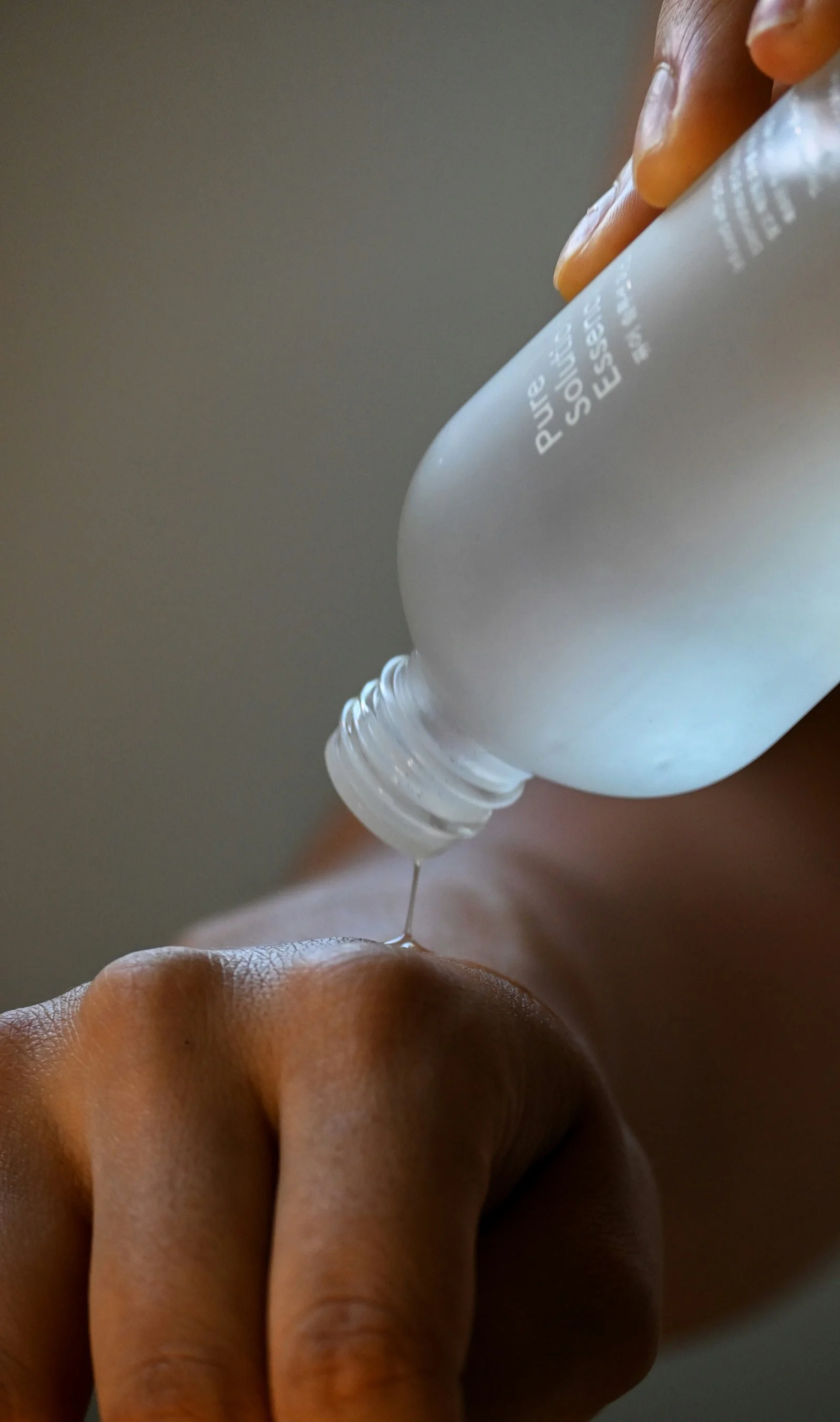
To patch test a Japanese cosmetic, apply a pea-sized amount to the inner forearm or behind the ear twice daily for 48 hours. Keep the site dry and watch for erythema, edema, or pruritus. If irritation occurs, immediately wash with tepid water, discontinue use, and apply plain petrolatum or seek dermatological care.
The 48-Hour Patch Testing Protocol
Cosmetic sensitivities fall into two categories: immediate irritant reactions (caused by disrupted barrier function) and delayed allergic reactions (cell-mediated immune responses).
Follow this structured protocol:
- Cleanse and Dry: Wash the test area (inner forearm or jawline behind the ear) with mild cleanser and pat dry.
- Apply Product: Place a dime-sized amount of product onto the test site without rubbing harshly.
- Wait 24 Hours: Keep the test area undisturbed and dry for 24 hours. Monitor for immediate stinging or erythema.
- Re-evaluate at 48 Hours: Reapply once and observe for delayed immune responses such as localized papules or itching.
Research in PLOS ONE affirms: 'The stratum corneum (SC) provides a permeability barrier that limits the inflow and outflow of water.'[1] Keeping this barrier uncompromised during testing ensures accurate results.

Overview Comparison
| Test Stage | Placement Area | Duration | Target Observation |
|---|---|---|---|
| Initial Screen | Inner Forearm | 24 Hours | Burning, immediate redness |
| Extended Screen | Behind Ear / Jawline | 48 Hours | Delayed pruritus, swelling, bumps |
| Facial Trial | Small Cheek Patch | 2-3 Days | Real-world facial barrier response |
Action Plan If an Adverse Reaction Develops
If you experience redness, burning, or itching during or after patch testing:
- Rinse Thoroughly: Wash the area immediately with lukewarm water using gentle open palms.
- Cease All Actives: Stop using exfoliating acids, retinoids, vitamin C, and fragranced toners.
- Barrier Shielding: Apply pure white petrolatum (Vaseline) to prevent further trans-epidermal moisture loss.
- Cool Compress: Place a clean, cool, damp towel on the area for 10 minutes to calm vasomotor dilation.
Signs to Stop and When to See a Doctor
Stop testing immediately and rinse the skin if you develop acute burning or hives. Seek emergency medical attention if you experience:
- Rapid swelling spreading across the eyelids, lips, or neck.
- Difficulty breathing or systemic dizziness (signs of anaphylaxis).
- Severe blistering, persistent oozing, or pustules that do not subside within 24 hours.
- Severe burning that persists after washing off the product.
Consult a board-certified dermatologist for formal patch testing if persistent contact eczema develops.
FAQ
Q1. Is behind the ear better than the inner forearm?
A. The forearm is best for initial screening, while behind the ear mimics thinner facial skin.(Details)
The forearm is best for initial screening, while behind the ear mimics thinner facial skin. Using both sequentially provides maximum reassurance.
Q2. Can hypoallergenic Japanese products still trigger allergies?
A. Yes, individual sensitivities to specific plant extracts or gentle preservatives can still occur.(Details)
Yes, individual sensitivities to specific plant extracts or gentle preservatives can still occur despite clinical safety testing.
Q3. How long should I wait before introducing another new product?
A. Introduce only one new product every 2 to 3 weeks to isolate variables.(Details)
Introduce only one new product every 2 to 3 weeks to isolate variables and identify any delayed sensitivities accurately.
Q4. What should I put on reacting skin?
A. Pure petrolatum or a basic ceramide balm is best to avoid further allergen exposure.(Details)
Pure petrolatum or a basic ceramide balm is best to avoid further allergen exposure while supporting recovery.
Q5. Should I test wash-off cleansers the same way?
A. Apply the cleanser diluted with a little water, leave for 2 minutes, then rinse thoroughly.(Details)
Apply the cleanser diluted with a little water, leave for 2 minutes, then rinse thoroughly, repeating for 2 consecutive days.
Summary
- Follow the 48-Hour Protocol: Test on the forearm and jawline to detect both immediate irritation and delayed allergic dermatitis.
- Act Quickly on Symptoms: Rinse with tepid water and seal with pure petrolatum if adverse signs occur.
- Space New Additions: Introduce one new formula every few weeks to keep skin stable and traceable.
Disclaimer: This article is for general information and education about Japanese cosmetics and their labels. It is not a substitute for professional medical advice, diagnosis, or treatment. Skincare results vary from person to person. Product formulas, availability, prices, and regulations change, and products sold in Japan can differ from versions sold elsewhere, so always check the current label. Do a patch test before introducing a new product, and consult a doctor or dermatologist if you have a skin condition or specific concerns.
References
- PLOS ONE (2015). Homogeneous transport in a heterogeneous membrane: water diffusion across human stratum corneum in vivo. DOI: 10.1371/journal.pone.0117292. Available from: https://journals.plos.org/plosone/article?id=10.1371/journal.pone.0117292
- American Academy of Dermatology (AAD). How to test skin care products. Available from: https://www.aad.org/public/everyday-care/skin-care-basics/care/test-skin-care-products
- American Academy of Dermatology (AAD). Dermatologists' tips to relieve dry skin. Available from: https://www.aad.org/public/everyday-care/skin-care-basics/dry/dermatologists-tips-relieve-dry-skin