title: "Scalp Care Tools and At-Home Head Spa: Japanese Guide" description: "How to recreate a Japanese salon head spa at home. Scalp massagers, carbonated cleansers, and pressure-point techniques for scalp circulation." category: "routines" slug: "scalp-care-tools-and-head-spa-at-home-japan" hero_image: "/images/stock/lebel-japanese-salon-hair-care-shampoo-treatment-bottles.jpg" hero_image_alt: "Japanese professional salon scalp care and hair treatment bottles" published_at: "2026-11-20" last_modified_at: "2026-11-20"
Scalp Care Tools and At-Home Head Spa: Japanese Guide
In Japan, hair wellness begins squarely with scalp health—an extension of facial skincare known as toushi-kea. Japanese salon head spas (heddo-supa) are famous globally for their combination of deep pore cleansing, acupressure massage, and stress relief.
With the advent of specialized Japanese tools like silicone kenzan brushes, carbonated foam shampoos, and microcurrent massagers, replicating this ritual at home is both accessible and effective.
An at-home Japanese head spa combines a pre-wash cleansing oil, carbonated foaming shampoo, and a silicone scalp brush (like uka scalp brush kenzan). Massaging acupressure points along the temporalis and crown loosens tension, clears sebum plugs, and boosts microcirculation for optimal hair follicle vitality.
Why Scalp Care Dictates Hair and Facial Vitality
The scalp epidermis shares identical cellular architecture with facial skin, yet it houses over 100,000 dense hair follicles that produce copious sebum. Poor scalp hygiene can lead to:
- Follicular Plugs (Kakusen): Oxidized sebum and residue harden around follicle openings, suffocating hair roots.
- Tension and Reduced Blood Flow: Chronic galea aponeurotica tension restricts capillary circulation to dermal papillae.
- Facial Sagging Link: Japanese trichologists note that scalp muscle tightness directly pulls downward on the facial contour.
Research in PLOS ONE affirms: 'The stratum corneum (SC) provides a permeability barrier that limits the inflow and outflow of water.'[1] Preserving scalp stratum corneum moisture with soothing tonics prevents itchy flaking and reactive sebum overproduction.
Overview Comparison
| Head Spa Tool | Material & Design | Primary Scalp Benefit | Recommended Frequency |
|---|---|---|---|
| uka Scalp Brush Kenzan | Dense ergonomic silicone cones | Deep acupressure & shampoo lathering | 2-3 times per week |
| Carbonated Foam Shampoo | High-density CO2 micro-bubbles | Dissolves oxidized sebum from follicles | Once weekly |
| Scalp Serum / Essence | Watery licorice & swertia extract | Hydrates scalp barrier & soothes itching | Daily after washing |
| Electric EMS Scalp Device | Microcurrent & red LED light | Stimulates deeper scalp muscle tone | 2-3 times weekly |
The 4-Step Home Head Spa Protocol
Follow this weekly 15-minute home salon ritual:
- Pre-Wash Brush: Brush dry hair thoroughly with a paddle brush to detangle strands and loosen surface debris.
- Carbonated Cleansing: Work carbonated foam shampoo into wet hair, generating a rich, thick lather.
- Kenzan Acupressure: Hold silicone brushes in both hands and press in small circular motions along the hairline, temples (Taiyou points), and crown (Hyakue point).
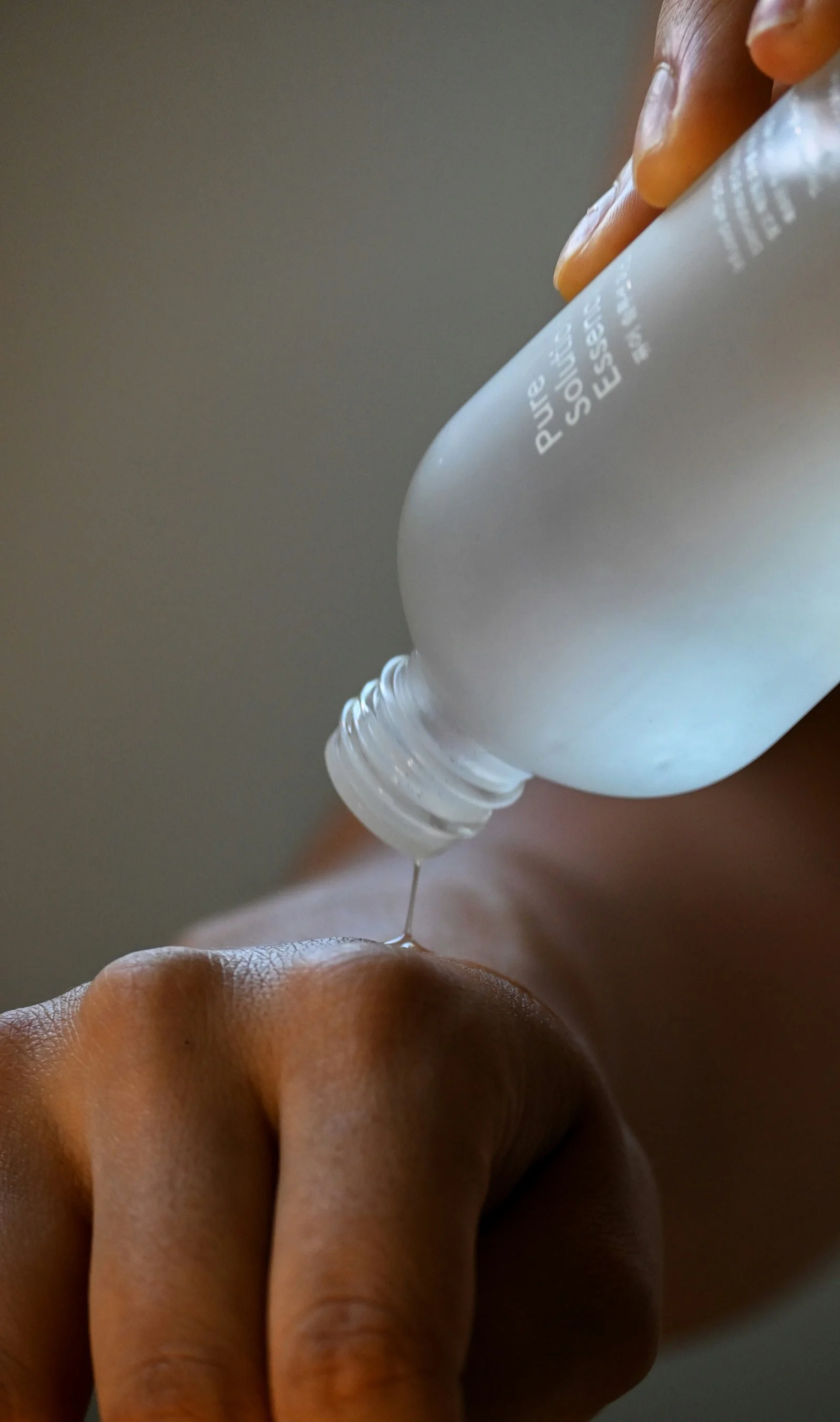
- Hydrating Scalp Tonic: Towel-dry hair and dispense a botanical scalp essence directly onto the skin, massaging lightly with fingertips.
Signs to Stop and When to See a Doctor
Scalp massage should never cause pain or hair loss. Cease tool massage and seek medical consultation if you develop:
- Severe scaling, redness, or yellow greasy flakes characteristic of seborrheic dermatitis.
- Sudden patchy hair shedding (alopecia areata).
- Painful folliculitis pustules or swollen sores on the scalp.
Consult a board-certified dermatologist for prescription antifungal or anti-inflammatory solutions if scalp conditions persist.
FAQ
Q1. Will scalp brushes tangle or pull out wet hair?
A. Move the brush in small localized zig-zags rather than raking through long hair length.(Details)
Keep the silicone teeth pressed against the scalp in small localized circles rather than dragging them through long hair strands.
Q2. How hard should I press with silicone scalp brushes?
A. Apply moderate pressure that feels pleasant and stimulating, never painful or scratching.(Details)
Apply moderate pressure that feels like a pleasant, grounding massage; silicone tips should never scratch or dig harshly into the skin.
Q3. Can scalp care help fine thinning hair?
A. While it cannot alter genetics, clearing sebum plugs and boosting microcirculation supports healthier hair growth cycles.(Details)
While it cannot rewrite genetics, optimizing follicle cleanliness and microcirculation provides an ideal environment for thicker hair growth.
Q4. Is a scalp brush necessary if I wash hair with fingertips?
A. Fingertips are gentle, but silicone brushes provide uniform pressure and deeper pore clearing.(Details)
Fingertip pads are gentle, but conical silicone brushes provide superior uniform acupressure and thorough pore cleansing.
Q5. Can I use scalp massagers every single day?
A. Gentle fingertip pressure is fine daily, but limit firm brush massage to 2 or 3 times a week.(Details)
Gentle manual stimulation is fine daily, but firm silicone tool massage is best enjoyed 2 to 3 times weekly to avoid over-stimulating follicles.
Summary
- Acknowledge Scalp as Skin: Maintain scalp cleanliness and hydration with the same dedication as facial care.
- Use Ergonomic Silicone Tools: uka kenzan brushes deliver deep acupressure without scratching delicate skin.
- Finish with Scalp Essences: Restore hydration with lightweight leave-in tonics after deep cleansing.
Disclaimer: This article is for general information and education about Japanese cosmetics and their labels. It is not a substitute for professional medical advice, diagnosis, or treatment. Skincare results vary from person to person. Product formulas, availability, prices, and regulations change, and products sold in Japan can differ from versions sold elsewhere, so always check the current label. Do a patch test before introducing a new product, and consult a doctor or dermatologist if you have a skin condition or specific concerns.
References
- PLOS ONE (2015). Homogeneous transport in a heterogeneous membrane: water diffusion across human stratum corneum in vivo. DOI: 10.1371/journal.pone.0117292. Available from: https://journals.plos.org/plosone/article?id=10.1371/journal.pone.0117292
- American Academy of Dermatology (AAD). How to treat dandruff. Available from: https://www.aad.org/public/everyday-care/hair-scalp-care/scalp/treat-dandruff
- American Academy of Dermatology (AAD). Dermatologists' tips for personal grooming. Available from: https://www.aad.org/public/everyday-care/skin-care-basics