DHC Deep Cleansing Oil Guide: Formula & Cleansing Routine
First launched in Japan in 1995, DHC Deep Cleansing Oil is widely regarded as the product that popularized the concept of facial oil cleansing and the traditional Japanese "double cleansing" ritual worldwide. For decades, Western skincare paradigms taught consumers that applying oil to the face would clog pores and cause blemishes. DHC challenged this convention by proving that high-grade botanical lipids, paired with modern emulsification chemistry, provide one of the most gentle and effective methods for removing long-wear makeup, oxidized sebum, and waterproof sunscreens.
Central to DHC's formulation is a high concentration of organic olive virgin oil imported from southern Spain. Rather than feeling heavy or leaving a greasy residue, the formula is engineered to bind tenaciously with surface impurities on dry skin, and then completely transform into a milky, water-soluble emulsion the moment water is introduced.
Quick answer: DHC Deep Cleansing Oil Highlights
Brand Origin: DHC formulates its iconic cleansing oil around antioxidant-rich organic olive oil to dissolve stubborn lipophilic impurities.[1]
The Scientific Principle: Governed by the chemical rule "like dissolves like"—oil-based impurities (sebum, silicones, organic UV filters) dissolve effortlessly into botanical lipids without mechanical skin tugging.
Flor de Aceite Heritage: Utilizes the precious "flower of the oil" extracted from organic Spanish olives, naturally rich in oleic acid and antioxidant polyphenols.
Water-Soluble Emulsification: Formulated with sorbeth-30 tetraoleate, allowing the oil to rinse away cleanly with lukewarm water without leaving an occlusive film behind.
Free From Fillers: Contains no mineral oil, artificial colorants, synthetic perfumes, or parabens.
The Chemistry of Olive Virgin Oil and Emulsification
To understand how a golden plant oil washes cleanly away with plain water, one must examine the specific lipid profile and emulsifier system inside the bottle:
The 8-Ingredient INCI Architecture
Unlike many mass-market cleansing oils that rely on inexpensive mineral oil or synthetic ester bases, DHC maintains a focused, minimalist formulation:
Scroll horizontally to view full table
Ingredient (INCI)
Functional Role
Dermatological Purpose
Olea Europaea (Olive) Fruit Oil
Botanical Lipid Base
Dissolves waterproof makeup and sebum plugs while replenishing stratum corneum fatty acids
Caprylic/Capric Triglyceride
Lightweight Emollient Solvent
Reduces overall viscosity, allowing the oil to glide smoothly without dragging skin
Sorbeth-30 Tetraoleate
Non-Ionic Surfactant / Emulsifier
Binds oil molecules with water molecules, transforming the lipid into a rinseable milk
Pentylene Glycol
Humectant & Conditioning Agent
Provides lightweight hydration while supporting formula preservation
Phenoxyethanol
Preservative
Prevents microbial contamination in humid bathroom environments
Tocopherol (Vitamin E)
Natural Antioxidant
Protects delicate plant oils from lipid peroxidation and rancidity
Rosmarinus Officinalis (Rosemary) Leaf Oil
Aromatic Botanical Extract
Lends a subtle, natural herbal aroma and provides botanical antioxidant benefits
Stearyl Glycyrrhetinate
Quasi-Drug Active (Japan version)
Soothes minor skin irritation and calms redness during the cleansing process
Why Emulsification Is Essential
The crucial technical step occurs when water touches the oil. The hydrophilic heads of the sorbeth-30 tetraoleate molecules attach to water, while their lipophilic tails remain locked to the olive oil and dissolved makeup. This instantaneous reaction forms an oil-in-water micro-emulsion that rinses away down the drain, carrying dissolved sunscreen and sebum away without stripping the skin's natural intercellular lipids.
How DHC Cleans Pores Without Causing Breakouts
A frequent concern among oily and acne-prone consumers is whether an olive oil cleanser will trigger comedones (blackheads and whiteheads). In dermatological science, pore clogs occur when hardened sebum (composed of squalene, wax esters, and fatty acids) oxidizes and binds with shedding corneocytes inside the follicular canal.
Water and foaming surfactant washes cannot effectively dissolve hardened sebum because oil and water repel each other. DHC's oleic acid-rich olive matrix spreads into pore openings, softening and liquefying these lipophilic plugs. Because the formula completely emulsifies and rinses away, it lifts sebum plugs without leaving behind heavy residue that could feed acne-causing bacteria.
The Traditional Japanese Double Cleansing Protocol
In the Japanese skincare philosophy, double cleansing is considered the foundation of skin barrier health. It divides cleansing into two distinct chemical steps:
Step 1: Oil Cleansing (Lipophilic Impurities)
Always Start with Dry Hands and Dry Face: Water added prematurely causes the oil to emulsify before it has a chance to dissolve waterproof mascara, foundation, and sunscreen filters.
Dispense 2 to 3 Pumps: Warm the oil between clean, dry palms.
Glide Gently for 30 to 60 Seconds: Smooth across the face using the soft pads of your fingertips. Concentrate on the T-zone, around the nose wings, and over stubborn eye makeup. Avoid harsh rubbing or tugging.
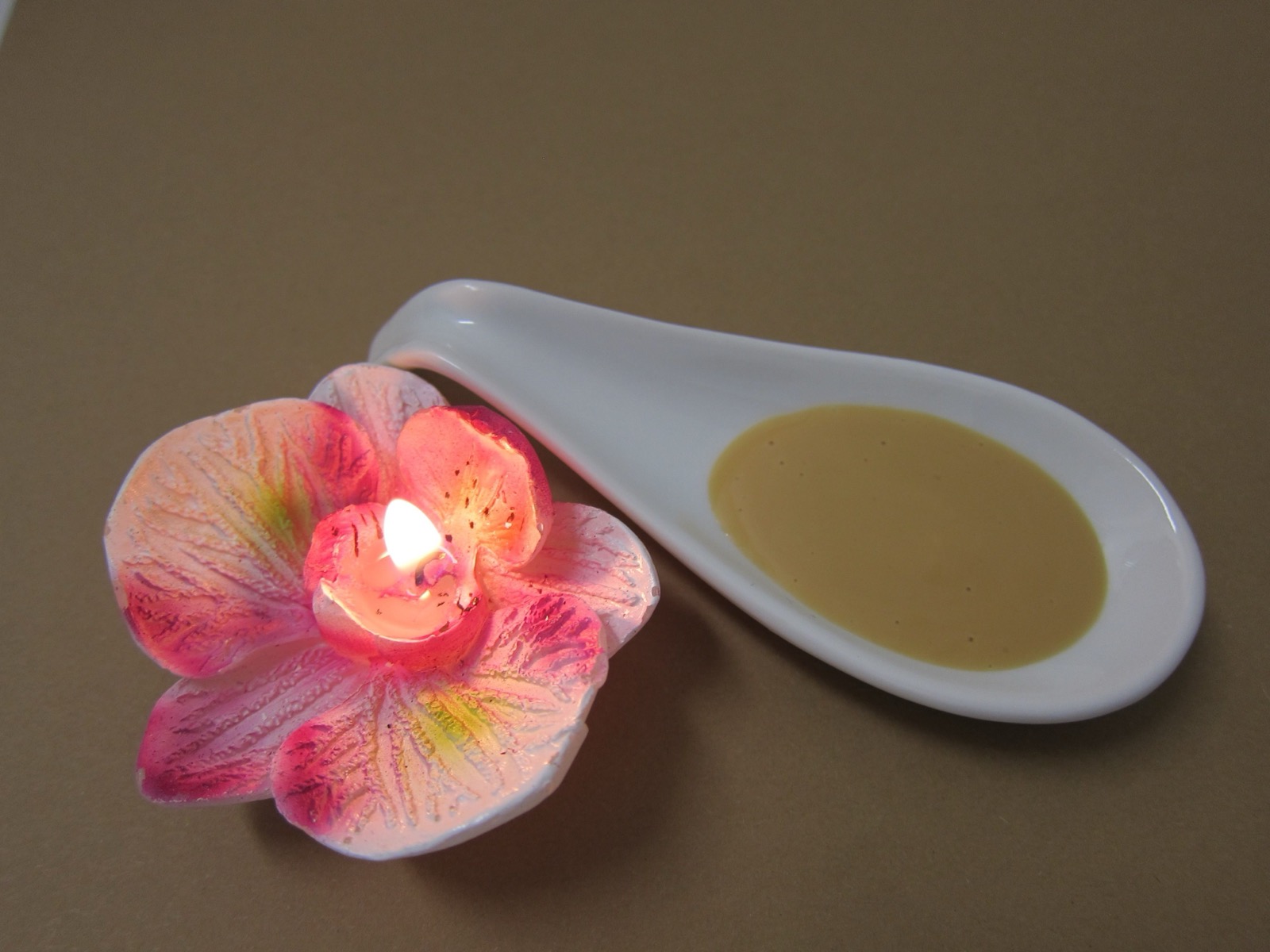
The Critical Emulsification Step: Splash a small amount of lukewarm water onto your face. Massage gently until the clear golden oil turns into a milky white liquid.
Rinse Thoroughly: Rinse with lukewarm water until the skin feels clean and smooth.
Step 2: Foaming Wash (Hydrophilic Impurities)
Lather a pea-sized amount of a gentle foaming facial wash (senkao) into dense, cushioning bubbles.
Glide the foam over the face to sweep away sweat, airborne dust, and residual surfactants.
Rinse cleanly with water. Your skin should feel soft and balanced, never tight or squeaky.
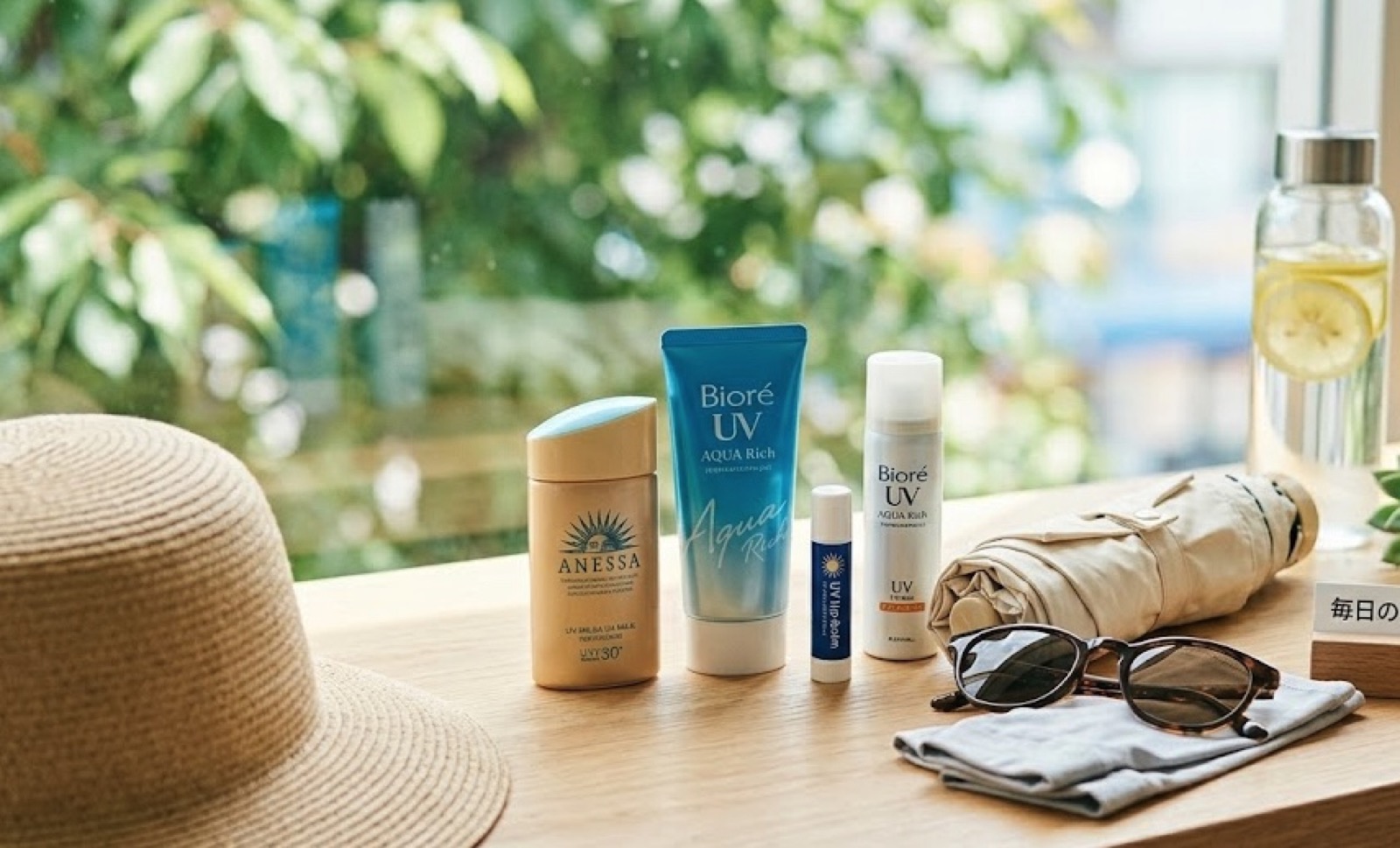
Following evening cleansing, immediately replenish skin hydration with a conditioning lotion (keshosui) and moisture milk. In the morning, concluding your routine with daily broad-spectrum photoprotection is essential, as ultraviolet radiation directly accelerates photoaging and increases skin cancer risk.[3]
Signs to Stop and When to See a Doctor
While DHC Deep Cleansing Oil is formulated for general skin tolerance, individual skin profiles can react to plant oils or essential extracts:
Improper Rinse Technique: If you skip the emulsification step and rinse only briefly with cold water, residual olive oil can remain on the skin surface, which may cause milia or small clogged bumps in oily skin types. Always ensure thorough warm water rinsing.
Rosemary or Botanical Sensitivity: The formula contains natural rosemary leaf oil. While gentle, individuals with contact allergies to the Lamiaceae (mint) family should perform a 48-hour patch test along the jawline.
Active Fungal Acne: Individuals diagnosed with pityrosporum (malassezia) folliculitis should exercise caution, as olive oil is naturally rich in oleic acid, which can fuel fungal yeast proliferation.
Persistent Dermatitis: If you develop widespread redness, swelling, or itchy hives, pause product use immediately; board-certified dermatologists emphasize consulting a specialist when unexplained rash or irritation emerges.[2]
FAQ
Q1. Can I use DHC Deep Cleansing Oil if I do not wear makeup?
A. Yes, it is ideal for removing waterproof sunscreen and excess sebum. (Click to expand)
Modern broad-spectrum sunscreens are engineered with water-resistant polymers that water-based cleansers cannot fully break down. Using DHC ensures that daytime UV filters and oxidized sebum are thoroughly dissolved each evening.
Q2. Will DHC Deep Cleansing Oil cause acne or breakouts?
A. Not when used and emulsified correctly with lukewarm water. (Click to expand)
Because the formula contains sorbeth-30 tetraoleate, it rinses off completely with water, carrying away dissolved impurities rather than sinking into pores. Following up with a gentle water-based foaming cleanser ensures zero residual buildup.
Q3. Can I use DHC Deep Cleansing Oil with eyelash extensions?
A. It is generally not recommended directly over lash extension glue. (Click to expand)
Natural plant oils can weaken the cyanoacrylate adhesives commonly used in professional eyelash extensions. If you wear extensions, use micellar water or oil-free removers around the immediate eye contour, reserving DHC for the rest of your face.
Q4. Does DHC Deep Cleansing Oil expire or spoil over time?
A. It remains fresh for up to 12 months after opening. (Click to expand)
The formula contains vitamin E (tocopherol) to protect natural olive oil from oxidation. Store the bottle away from direct sunlight and avoid letting water splash inside the pump nozzle to maintain optimal freshness throughout its lifespan.
Q5. Can I use DHC Deep Cleansing Oil in the morning?
A. Yes, particularly if you have very dry skin or use heavy night creams. (Click to expand)
While most people use it in the evening, a single pump in the morning can gently dissolve nighttime sweat, sebum, and occlusive balms without drying out delicate skin, leaving the barrier conditioned for daytime skincare and sunscreen.
Summary & Key Takeaways
DHC Deep Cleansing Oil proves that effective pore cleansing does not require harsh detergents or abrasive scrubbing. By combining pure Spanish olive virgin oil with an instant water-soluble emulsifier, DHC provides a luxurious, skin-friendly solution for removing waterproof sunscreens, heavy cosmetics, and oxidized sebum plugs. When integrated into a disciplined double cleansing routine and paired with daily sun defense, it lays a clean, well-conditioned foundation for lasting skin health.
American Academy of Dermatology Association (AAD). Dermatologist-approved skincare guidance. Available at: https://www.aad.org/
Skin Cancer Foundation. Daily Sun Protection & Prevention Guidelines. Available at: https://www.skincancer.org/
Disclaimer: This article is for general information and education about Japanese cosmetics and their labels. It is not a substitute for professional medical advice, diagnosis, or treatment. Skincare results vary from person to person. Product formulas, availability, prices, and regulations change, and products sold in Japan can differ from versions sold elsewhere, so always check the current label. Do a patch test before introducing a new product, and consult a doctor or dermatologist if you have a skin condition or specific concerns.