Japanese Skincare Price Tiers: Drugstore (Puchipura) vs Department Store
Shopping GuideBy Miho Tanaka
title: Japanese Skincare Price Tiers: Drugstore (Puchipura) vs Department Store
description: "Compare Japanese skincare price tiers: drugstore puchipura, mid-tier variety shops, and department store depakosu. Learn formulation differences and smart budget picks."
meta_description: Compare Japanese skincare price tiers: drugstore puchipura, mid-tier variety shops, and department store depakosu. Learn formulation differences and smart budget picks.
author: "Miho Tanaka"
fact_checker: "Miho Tanaka"
category: "shopping"
published_at: "2026-11-16"
updated_at: "2026-11-16"
featured_image: "/images/stock/japanese-beauty-stores-us-uk-textures-bottles-set.webp"
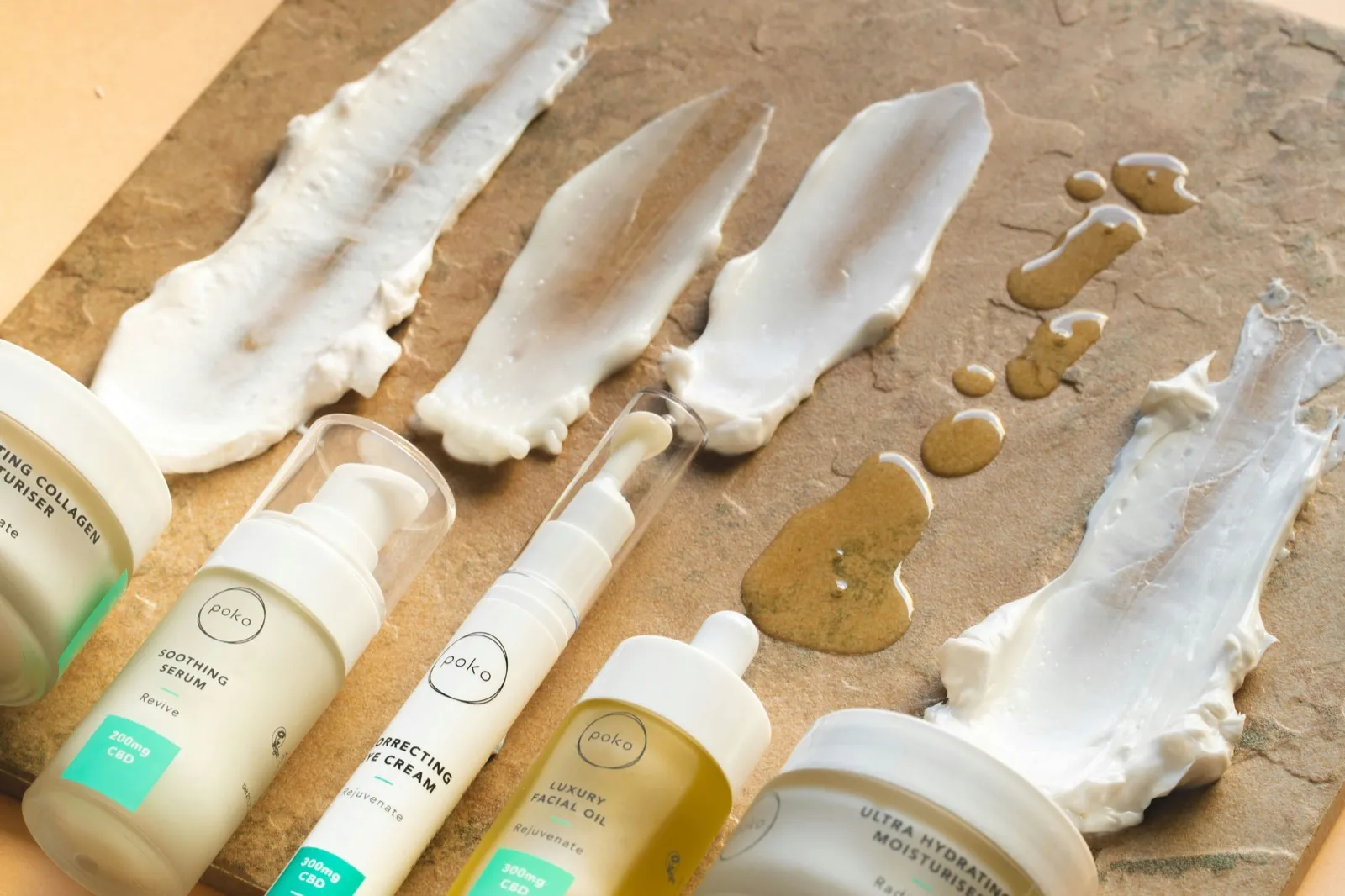
featured_image_alt: "Collection of diverse Japanese skincare bottles and cosmetic textures arranged neatly across clean vanity display"
Japanese Skincare Price Tiers: Drugstore (Puchipura) vs Department Store
One of the most fascinating aspects of shopping for beauty products in Japan is the staggering breadth of price points. In the same commercial district, you can purchase an effective, dermatologically tested hydrating lotion for 800 JPY at a local pharmacy, or ascend to a department store salon to acquire an opulent botanical serum priced at 35,000 JPY.
Because both products are manufactured under Japan's rigorous pharmaceutical safety standards—and frequently share identical active ingredients like tranexamic acid, dipotassium glycyrrhizate, or hyaluronic acid—international shoppers often find themselves asking: What makes a department store cream cost ten times more than its drugstore counterpart? Understanding how Japan's cosmetic market structures its price tiers allows you to build an optimized, high-performing skincare routine without overspending.
(Note: All retail price ranges in this guide reflect verified market benchmarks in Japan as of November 2026).
Quick answer: Japanese Skincare Price Tiers
The Japanese skincare market divides into three primary retail tiers: Drugstore / Puchipura (under 2,000 JPY) delivers reliable humectants, gentle cleansers, and high-volume daily staples; Mid-Tier / Variety Shop (2,000 to 5,000 JPY) offers targeted active concentrations, clinical minimalism, and organic botanical blends; and Department Store / Depakosu (5,000 to 30,000+ JPY) provides proprietary nano-delivery technologies (such as multi-layered liposomes), rare bio-ferments, bespoke skin counseling, and luxurious sensory textures. Smart Japanese beauty routines commonly employ a High-Low Strategy: saving on daily cleansers, toners, and sunscreens while investing in concentrated serums and specialty barrier repair creams.
Disclaimer: This article is for general information and education about Japanese cosmetics and their labels. It is not a substitute for professional medical advice, diagnosis, or treatment. Skincare results vary from person to person. Product formulas, availability, prices, and regulations change, and products sold in Japan can differ from versions sold elsewhere, so always check the current label. Do a patch test before introducing a new product, and consult a doctor or dermatologist if you have a skin condition or specific concerns.
The Three Major Price Tiers in Japan
To navigate Japan's retail landscape efficiently, it helps to understand how domestic pricing structures correlate with retail venues, formulation technology, and customer experience:
Budget Tiers (Puchipura): High-Purity Drugstore Heroes Under 2,000 JPY
The Japanese term puchipura—a portmanteau of the French petit and English price—refers to accessible, mass-market cosmetics. Unlike budget skincare in many Western markets that can lean heavily on artificial fragrances and harsh fillers, Japanese drugstore skincare operates under strict regulatory oversight from the Ministry of Health, Labour and Welfare (MHLW).
1. The Quasi-Drug Equalizer
Under Japan's Pharmaceutical and Medical Devices Act (PMD Act), an approved Quasi-Drug active ingredient (such as tranexamic acid for hyperpigmentation or dipotassium glycyrrhizate for redness) must be included within an established therapeutic percentage range, whether the final bottle costs 900 JPY or 15,000 JPY. This means a budget drugstore lotion delivers legitimate, government-regulated active benefits.
2. How Brands Keep Costs Low
Budget powerhouses (such as Rohto Pharmaceutical's Hada Labo and Melano CC, or Kao's Bioré) keep retail pricing affordable through three primary mechanisms:
Mass Industrial Production: Huge batch production runs across domestic Japanese pharmaceutical factories achieve immense economies of scale.
Utilitarian Packaging: Lightweight plastic bottles, peel-off labeling, and soft refill pouches (tsumekae-yo) minimize raw container expenses.
Formulation Simplicity: Formulas focus on proven, stable, water-soluble humectants (glycerin, sodium hyaluronate, butylene glycol) without costly micro-encapsulation or rare botanical extracts.
Mid-Tier & Variety Shop Skincare: 2,000 to 5,000 JPY
Often referred to as the "bridge tier," mid-tier Japanese skincare caters to consumers seeking advanced dermatological actives, clean botanical formulations, or aesthetic vanity appeal without committing to department store luxury prices.
1. Where Mid-Tier Products Excel
Specialized Problem Solving: Brands sold in Tokyo variety shops (such as Loft, Plaza, and @cosme TOKYO) frequently feature specialized concentrations of ingredients like azelaic acid derivatives, pure vitamin C complexes, or biomimetic ceramides.
Clean & Organic Formulas: Brands available at natural beauty boutiques (such as Cosme Kitchen) prioritize Ecocert-certified botanical ingredients, domestic Japanese herbals (such as yomogi and camellia), and sustainable, recyclable glass packaging.
Minimalist Cult Staples: Brands like Muji offer high-moisture sensitive-skin lines formulated with Iwate natural spring water, bridging the gap between drugstore utility and modern design.
Luxury & Department Store Tiers (Depakosu): 5,000 to 30,000+ JPY
Prestige skincare in Japan (depakosu) is not merely expensive marketing; it represents the cutting-edge frontier of cosmetic chemistry and cellular biology research.
1. Proprietary Nano-Delivery Technologies
Prestige conglomerates (such as Shiseido, Kose, and Pola Orbis) invest billions of yen into patented drug-delivery systems that standard drugstore formulas cannot replicate:
Multi-Layered Bi-Lamellar Liposomes: Decorté's signature liposome capsules measure 0.1 microns in diameter, fusing with intercellular lipids to time-release moisture deep into the stratum corneum over 24 continuous hours.
Proprietary Bio-Fermentation: SK-II's signature ingredient, Pitera (galactomyces ferment filtrate), is cultivated through tightly guarded, proprietary yeast fermentation processes that require months of laboratory incubation.
Micro-Circulation Actives: High-end formulas incorporate micro-vascular stimulants and sensory neuro-cosmetics designed to improve skin elasticity and natural radiance (tsuya).
2. Multisensory Texture & The Counseling Experience
Prestige formulations undergo extensive rheological testing to ensure an exquisite sensory finish: textures melt into skin without surface tackiness, and aromatics are formulated from therapeutic natural essential oils rather than synthetic perfumes. Furthermore, purchase prices include personalized digital skin diagnostic consultations (hada shindan) and customized sample sets.
The High-Low Strategy: Where to Save and Where to Splurge
Experienced Tokyo beauty editors rarely purchase an entire skincare routine exclusively from department stores. Instead, they champion the High-Low Strategy (Hai-Roo Tsukai), allocating skincare budgets where chemical formulation complexity matters most:
Step 1: Cleansing (Save - Drugstore Tier)
   - Gentle cleansing oils (Cow Brand, Softymo) or foaming washes (Senka, Hada Labo)
   - Function: Stays on skin for under 60 seconds; basic surfactant safety is sufficient.
           ↓
Step 2: Hydrating Lotion (Save or Mid-Tier)
   - High-volume humectant watery lotions (Hatomugi, Curél, Muji)
   - Function: Saturates stratum corneum with moisture; generous application is key.
           ↓
Step 3: Concentrated Serum / Essence (Splurge - Prestige Tier)
   - Advanced liposome serums (Decorté), fermented essences (SK-II), or targeted firming actives (Pola)
   - Function: Small-molecule actives and patented delivery systems penetrate efficiently.
           ↓
Step 4: Sealing Emulsion or Cream (Mix by Season)
   - Budget barrier creams (Curél Intensive Cream) for daily barrier support, or luxury firming balms for mature elasticity.
           ↓
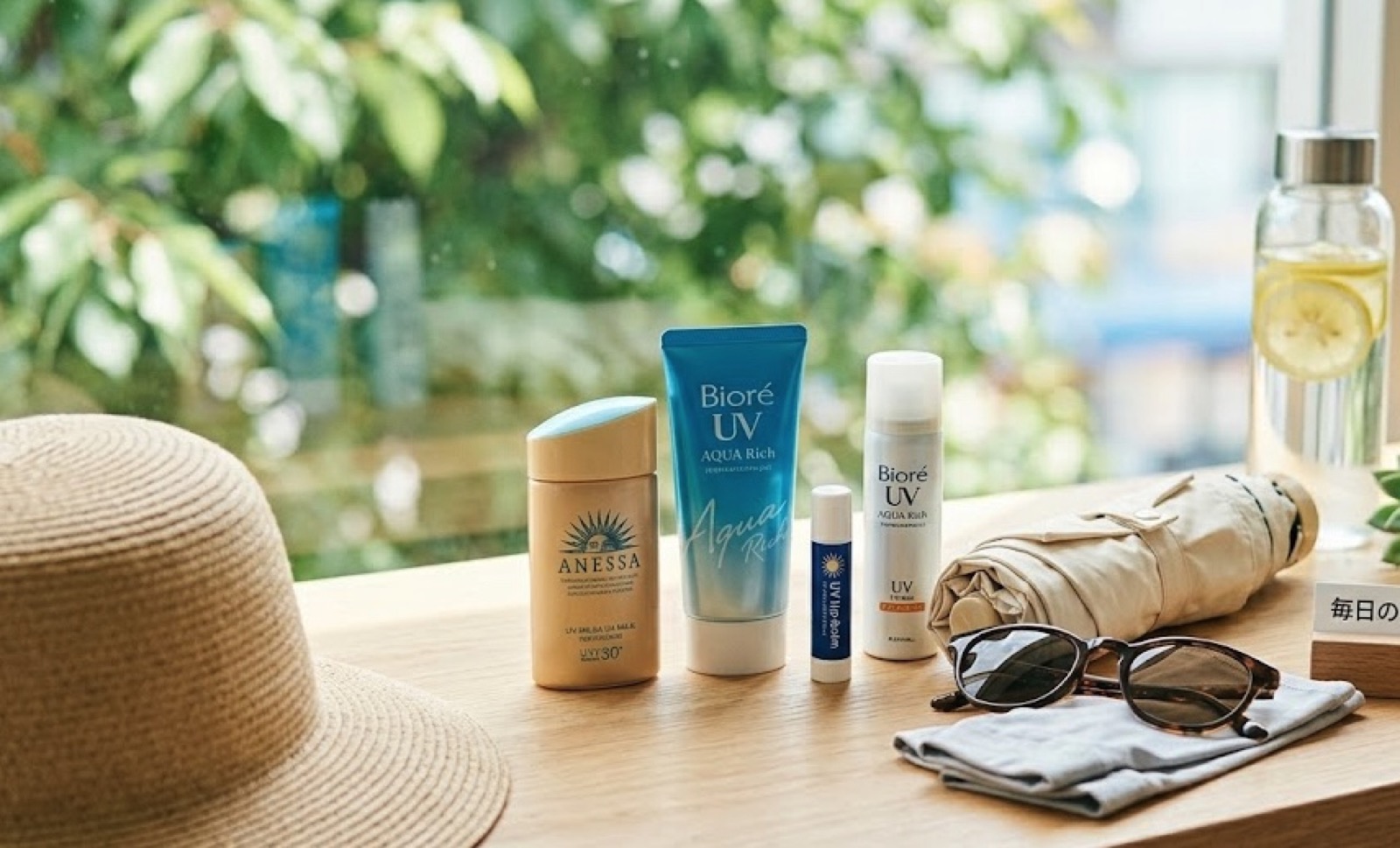
Step 5: Sunscreen (Save - Drugstore Tier)
   - High-SPF Japanese drugstore sunscreens (Anessa, Skin Aqua, Bioré UV)
   - Function: Japan's drugstore UV filters are world-class; frequent, generous reapplication beats luxury price tags.
FAQ: Japanese Skincare Price Tiers
Q1. Is a 15,000 JPY department store lotion ten times better than a 1,500 JPY drugstore lotion?
A. Not in basic hydration capacity, but prestige lotions offer superior delivery technology, texture, and rare actives.(Details)
If your sole goal is surface stratum corneum hydration, a well-formulated drugstore hyaluronic acid lotion performs admirably for a fraction of the cost. The 10x price difference in luxury formulas accounts for multi-year clinical trials, patented nano-encapsulation (such as liposomes), specialized fermented bio-filtrates, exquisite non-sticky sensory absorption, and luxury glass packaging. For basic moisture, drugstore lotions provide nearly equivalent hydration.
Q2. What does "Puchipura" mean in Japanese beauty stores?
A. "Puchipura" is Japanese slang meaning "petit price," referring to affordable, high-value cosmetic products.(Details)
Formed by combining the French word "petit" (small) with "price," puchipura generally describes cosmetics priced under 2,000 JPY that offer performance rivaling much more expensive brands. In Japanese drugstores, you will frequently see promotional banners proclaiming "Bestselling Puchipura Skincare" pointing to budget favorites like Melano CC, Canmake, or Hada Labo.
Q3. Do Japanese drugstore skincare products contain harmful fillers?
A. No, Japanese drugstore products comply with the exact same strict pharmaceutical safety laws as prestige brands.(Details)
In Japan, the Ministry of Health, Labour and Welfare enforces identical safety standards, prohibited ingredient lists, and preservative limits across all cosmetics regardless of retail price. Many budget lines are produced by the pharmaceutical subsidiaries of major conglomerates (such as Rohto, Daiichi Sankyo, or Shiseido), guaranteeing clinical-grade manufacturing hygiene and safety.
Q4. Which step of the skincare routine is most worth splurging on?
A. Concentrated targeted serums and specialized anti-aging essences offer the highest return on investment.(Details)
Cleansers and toners remain on the skin briefly or rely on basic water-binding humectants that cheap ingredients handle effectively. Concentrated serums, however, require sophisticated micro-emulsion chemistry to transport fragile active molecules (such as pure retinol, fermented peptides, or micro-liposomes) across the stratum corneum without causing surface irritation, making them the most sensible place to allocate a beauty budget.
Q5. Are luxury department store cosmetics in Japan cheaper than in the US or Europe?
A. Yes, domestic Japanese prestige brands (SK-II, Decorté, Albion, Shiseido) cost 20% to 40% less in Japan.(Details)
Prestige Japanese brands sold overseas carry substantial markups due to international freight shipping, customs import tariffs, foreign distributor margins, and currency exchange spreads. Purchasing these brands domestically at Japanese department stores—especially when combined with the 10% tax-free refund and 5% tourist guest cards—yields significant savings compared to overseas retail prices.
Key Takeaways & Summary
Regulated Baseline Quality: Japan's Quasi-Drug standards guarantee that therapeutic active percentages remain consistent across all price points.
Puchipura for Volume & Hydration: Rely on drugstore gems (under 2,000 JPY) for generous everyday cleansers, basic lotions, and broad-spectrum sunscreens.
Mid-Tier for Targeted Problem Solving: Look to variety shops (2,000 to 5,000 JPY) for specialized actives, clean botanicals, and minimalist sensitive formulas.
Depakosu for Nano-Tech & Experience: Invest in prestige department store lines (5,000 to 30,000+ JPY) when seeking patented liposome delivery systems, rare fermented extracts, and bespoke consultations.
Adopt the High-Low Philosophy: Save where simple humectants excel, and invest where cutting-edge delivery technology makes a tangible difference.
References
Ministry of Economy, Trade and Industry (METI) — Analysis of Domestic Cosmetics Market Tiers, Production Volumes, and Retailing Channels, Japanese Government Economic Survey.
Ministry of Health, Labour and Welfare (MHLW) — Pharmaceutical and Medical Devices Act: Active Ingredient Standards for Quasi-Drugs, Regulatory Compendium.
Society of Cosmetic Chemists of Japan (SCCJ) — Nano-Delivery Systems, Multi-Layered Liposomes, and Cutaneous Permeability in Prestige Cosmetics, Technical Archive.
Japan Cosmetic Industry Association (JCIA) — Annual Statistical Report on Domestic Cosmetics Pricing, Packaging Standards, and Product Safety, Industry Whitepaper.