Japanese Skincare Sizes & Volumes vs Western Products: Buyer's Guide
Shopping GuideBy Miho Tanaka
title: Japanese Skincare Sizes & Volumes vs Western Products: Buyer's Guide
description: Wondering why Japanese skincare sizes differ from Western bottles? Decode standard milliliter volumes, smart eco-refill pouches, and value per use.
published_at: "2026-11-15"
updated_at: "2026-11-15"
fact_checked_at: "2026-11-15"
author: "Miho Tanaka"
category: "shopping"
thumbnail: "/images/stock/cotton-pad-applying-skincare-closeup.jpg"
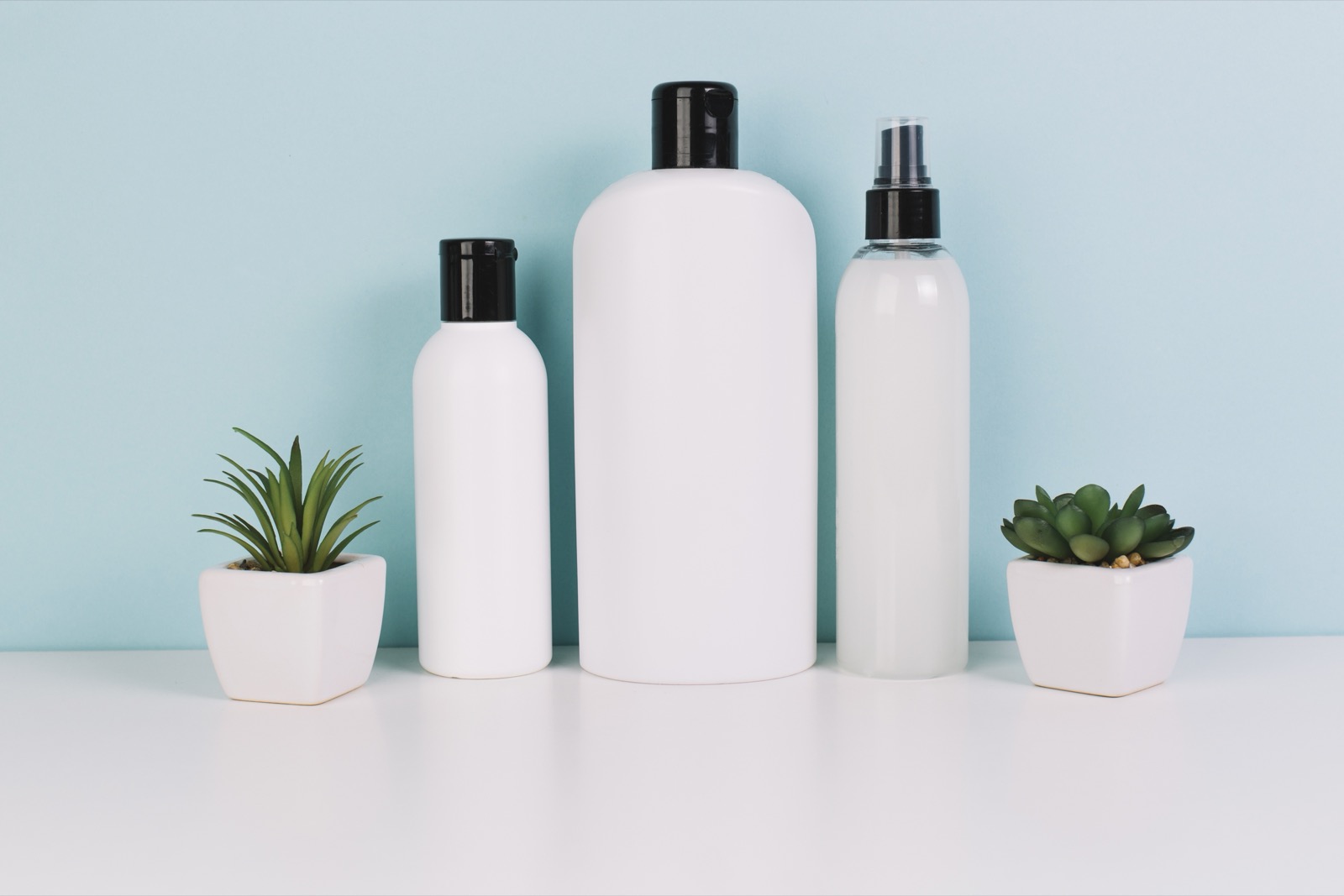
thumbnail_alt: "Assorted cosmetic bottles neatly lined up on a crisp white surface demonstrating volume variations"
Japanese Skincare Sizes & Volumes vs Western Products: Buyer's Guide
Quick answer: Wondering why Japanese skincare sizes differ from Western bottles? Decode standard milliliter volumes, smart eco-refill pouches, and value per use.
When purchasing Japanese skincare (J-Beauty) for the first time, international shoppers frequently encounter unfamiliar bottle sizes and volume numbers. While Western skincare brands typically default to standardized 1 fl oz (30 ml) serums, 1.7 oz (50 ml) moisturizers, and 6.7 fl oz (200 ml) astringent toners, Japanese cosmetics follow distinct metric standards tailored to layered application rituals, seasonal turnover, and environmental packaging initiatives.
From generous 170 ml hydrating lotions and compact 50 g sunscreen tubes to 400 ml jumbo pump bottles and lightweight eco-refill pouches (tsumeka-e), Japanese sizing conventions reflect practical daily usage and strict ingredient preservation standards. This guide clarifies the logic behind Japanese product volumes, compares them with Western benchmarks, and explains how to maximize value per milliliter.
Category-by-Category Size Comparison: Japan vs. Western Standards
Understanding standard volumes across different skincare categories makes evaluating international product value straightforward:
Scroll horizontally to view full table
Product Category
Standard Japanese Size
Typical Western Size
Reason for the Difference
Hydrating Lotion (*Keshosui*)
150 ml to 170 ml (Jumbo: 400 ml to 500 ml)
100 ml to 150 ml (or 200 ml)
Japanese routines apply multiple layers or soak cotton pads for lotion masks.
Facial Emulsion (*Nyueki*)
130 ml to 150 ml
50 ml (cream jar) or 100 ml (lotion)
Fluid milks spread easily over the face and neck twice daily.
Facial Sunscreen
40 ml to 50 ml (Milk); 80 g to 110 g (Gel)
50 ml (1.7 oz) or 88 ml (3 oz)
Compact bottles ensure fresh UV filters used within one summer season.
Targeted Serum / Essence
20 ml to 45 ml (standard: 30 ml)
30 ml (1.0 fl oz)
Comparable across regions; concentrated actives with calibrated drop dosing.
Cleansing Oil / Balm
180 ml to 230 ml (Balm: 90 g)
150 ml (5.0 fl oz) or 100 g
Generous volumes prevent skin drag during friction-free oil massages.
Eco-Refill Pouches (*Tsumeka-e*)
130 ml to 170 ml (often slightly less than original bottle)
Rare in mass market; gaining presence in luxury
Engineered to pour cleanly into existing rigid bottles without overflowing.
The Philosophy Behind Japanese Sizing
The variance in package size between Japanese and Western beauty products is rooted in aesthetic culture and manufacturing philosophies established by industry leaders like Shiseido, Kao Corporation, and KOSÉ Corporation:
1. Generous Sizing for Friction-Free Generosity
Japanese beauty emphasizes tappuri—using a generous amount of product so your fingertips glide effortlessly across the skin without mechanical friction. If a bottle is too small or overly expensive per milliliter, users tend to skimp on amount, dragging fingertips across delicate skin. Japanese lotions and cleansing oils are packaged in larger volumes precisely to encourage abundant application.
2. Active Freshness and Oxidation Limits
Conversely, products with sensitive active ingredients—such as antioxidant serums and chemical sunscreens—are intentionally kept in compact 30 ml to 50 ml containers. In Japan's four distinct seasons, beauty formulators expect consumers to finish a sunscreen or serum within two to three months. Limiting container volume prevents active oxidation, microbial contamination, and formula separation.
The Japanese Refill Culture (Tsumeka-e)
One of the most notable features of the Japanese cosmetic market is the ubiquitous presence of flexible refill pouches (tsumeka-e). In Japanese drugstores, almost every major cleansing oil, hydrating lotion, and emulsion is sold in both a primary rigid bottle and a lightweight pouch refill.
Why Refills Are Usually 10% to 20% Smaller Than Bottles
A common question among overseas shoppers is why a refill pouch might contain 140 ml or 150 ml when the original bottle holds 170 ml:
Preventing Spills: Japanese packaging engineers deliberately calibrate refill volumes slightly lower than bottle capacity so the product can be poured in without overflowing, even if a small amount of liquid remains in the original bottle.
Cost Savings: Refill pouches typically cost 15% to 30% less than the boxed rigid bottle, representing substantial long-term value for daily staples.
Plastic Reduction: Flexible laminate pouches reduce plastic resin usage by up to 80% compared to rigid plastic bottles, aligning with Japanese environmental packaging goals.
How to Choose: Standard, Jumbo, or Travel Mini?
When shopping for Japanese skincare online or traveling in Japan, you will encounter multiple volume options for iconic products:
1. Standard Size (150 ml - 170 ml)
Best For: First-time buyers testing a formula for skin compatibility, or users rotating products seasonally.
Longevity: Lasts roughly two to two-and-a-half months with twice-daily application.
2. Jumbo Pump Size (400 ml - 500 ml)
Best For: Dedicated favorites (like Job's tears conditioning lotions or ceramide barrier waters) used for whole-body moisture, face misting, or DIY daily lotion masks.
Longevity: Four to six months of generous, family-friendly use.
3. Travel Sets and Minis (30 ml - 50 ml)
Best For: Travelers, gym bags, or a low-risk one-week patch test before committing to full-sized bottles. Many Japanese brands sell compact two-week trial kits containing miniature cleanser, lotion, and emulsion bottles.
FAQ
Q1. Why does my Japanese lotion say 170 ml instead of an even number like 150 ml or 200 ml?
A. 170 ml is an industry-standard volume calibrated to provide approximately 60 days of twice-daily use. (Details)
Japanese cosmetic brands calculate bottle capacity based on a recommended dosage of 1.2 ml to 1.5 ml per application. A 170 ml bottle delivers roughly 110 to 140 applications, aligning with the standard Japanese two-month skincare lifecycle between seasonal climate changes.
Q2. Can I pour a refill pouch into any clean bottle I already own?
A. It is safest to pour refills into the original matching brand bottle to avoid cross-contamination. (Details)
While physically possible to use any pump dispenser, residual water or incompatible formulas from an unwashed generic container can breed bacteria or degrade preservatives. If reusing the original bottle, rinse thoroughly, let it dry completely, and pour without diluting.
Q3. Why are Japanese facial sunscreens so much smaller than body sunscreens?
A. Facial sunscreens use delicate micro-emulsion textures designed to be finished quickly while fresh. (Details)
Facial UV formulas incorporate premium film formers, cosmetic silicones, and skincare actives that degrade faster when exposed to repeated air contact. Packaging them in 40 ml to 50 ml bottles ensures the product is used within its peak photostability window, while 100 g+ bottles are tailored for broad body coverage.
Q4. Are Japanese jumbo 500 ml lotions diluted compared to standard toners?
A. No, they are full-strength formulas designed for high-volume use like lotion masks and body hydration. (Details)
Popular 500 ml conditioning lotions (such as Job's tears *hatomugi* extract lotions) are formulated specifically for generous, uninhibited application. They are not watered-down versions; their minimalist, high-volume recipes are designed to soothe large areas of skin without leaving sticky residues.
Q5. How do I calculate whether a Japanese product offers good value compared to a Western product?
A. Compare the price per milliliter (or ounce) rather than the retail sticker price alone. (Details)
Divide the total retail price by the bottle's volume in milliliters. Because Japanese lotions often provide 170 ml to 500 ml at mass-market drugstore pricing, their cost per milliliter is frequently less than half that of standard 100 ml to 150 ml Western toners, making them exceptionally economical for daily multi-layer rituals.
Summary and Key Takeaways
Decoding Japanese skincare sizes empowers smarter purchasing decisions:
Look for Metric Standards: Understand that 170 ml lotions, 140 ml emulsions, and 50 g sunscreens represent calibrated two-month supplies.
Embrace Generous Application: Larger liquid sizes exist to support friction-free layering without holding back on product quantity.
Leverage Refill Pouches (Tsumeka-e): Save money and plastic by purchasing pouch refills once you have the original rigid bottle.
Pick the Right Format: Choose standard bottles for testing, jumbo pumps for daily whole-family hydration, and minis for travel.
Japan Cosmetic Industry Association (JCIA). (n.d.). Cosmetic and Quasi-Drug Regulatory Standards and Guidelines. Tokyo, Japan.
Disclaimer: This article is for general information and education about Japanese cosmetics and their labels. It is not a substitute for professional medical advice, diagnosis, or treatment. Skincare results vary from person to person. Product formulas, availability, prices, and regulations change, and products sold in Japan can differ from versions sold elsewhere, so always check the current label. Do a patch test before introducing a new product, and consult a doctor or dermatologist if you have a skin condition or specific concerns.