Japanese Skincare Trial Set and Sample Guide: Smart Testing & Buying
Shopping GuideBy Miho Tanaka
title: Japanese Skincare Trial Set and Sample Guide: Smart Testing & Buying
description: "Master Japanese skincare trial sets (toraiaru setto) and samples. Learn 7-day test protocols, brand travel kits, drugstore minis, and counter sampling etiquette."
meta_description: Master Japanese skincare trial sets (toraiaru setto) and samples. Learn 7-day test protocols, brand travel kits, drugstore minis, and counter sampling etiquette.
author: "Miho Tanaka"
fact_checker: "Miho Tanaka"
category: "shopping"
published_at: "2026-11-16"
updated_at: "2026-11-16"
featured_image: "/images/stock/curology-skincare-products-flatlay-minimal-1.webp"
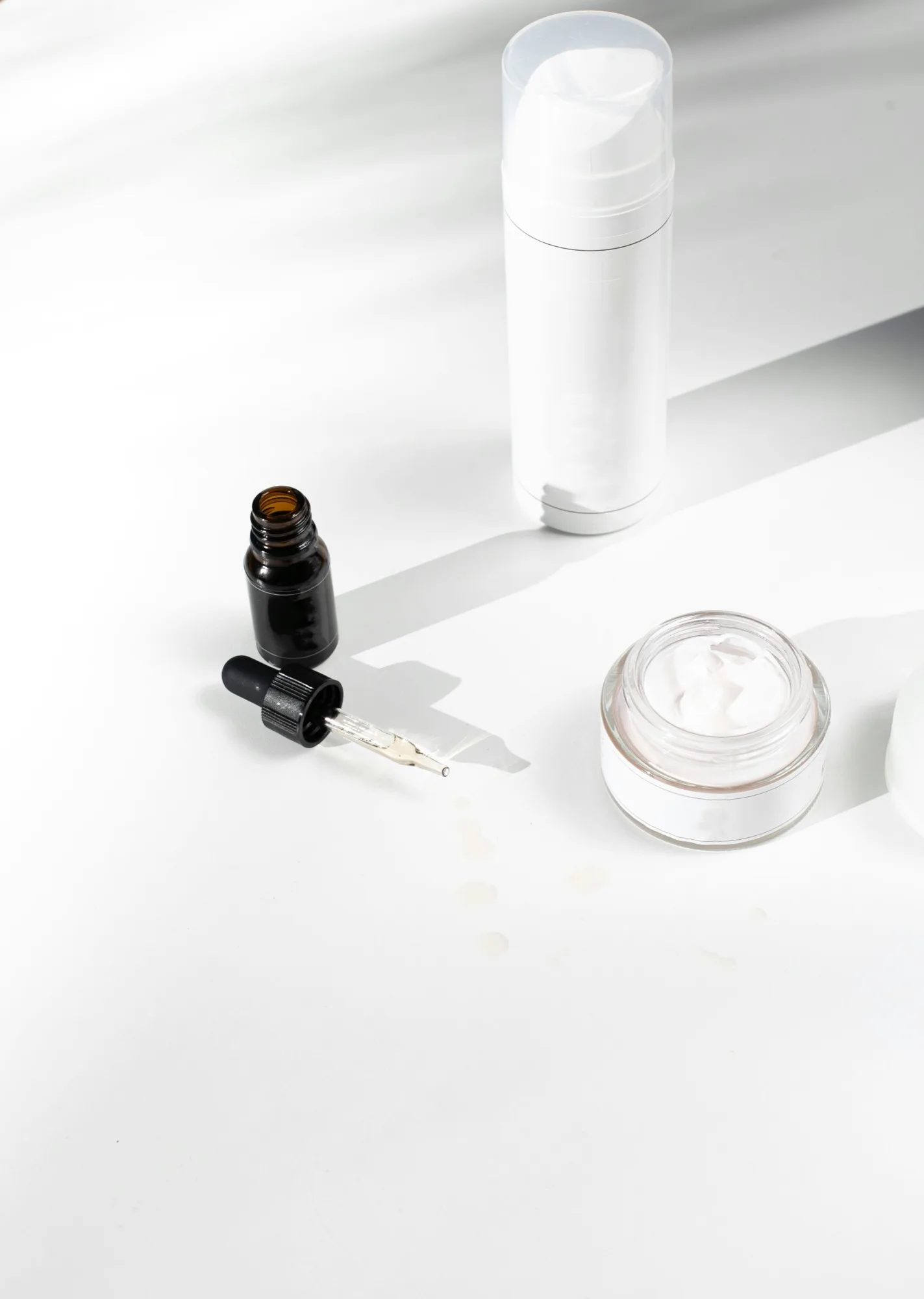
featured_image_alt: "Minimalist skincare trial set featuring matching travel-sized bottles and tubes neatly arranged on clean neutral surface"
Japanese Skincare Trial Set and Sample Guide: Smart Testing & Buying
When exploring Japanese skincare, deciding which full-sized bottles to invest in can feel daunting. With multiple stratified steps—cleansing oils, foaming washes, hydrating lotions, conditioning emulsions, and barrier creams—purchasing entire product lines upfront poses financial risk and cutaneous uncertainty, especially for reactive skin barriers.
Fortunately, Japan possesses one of the world's most sophisticated and accessible discovery cultures: the Trial Set (toraiaru setto). Packaged in compact, travel-friendly boxes providing 7 to 14 days of sequential skincare, trial sets allow consumers to observe how their epidermal barrier responds to an entire cohesive routine before purchasing full-sized glass bottles.
Quick answer: Japanese Skincare Trial Set and Sample Guide
Japanese skincare trial sets (*toraiaru setto*) are structured multi-product discovery kits providing 7 to 14 days of morning and evening application. Ranging from budget pharmacy lines (Minon Amino Moist, Curél, Hada Labo) priced between 800 and 1,500 JPY to luxury prestige sets (SK-II Pitera, Decorté, Albion) priced between 3,000 and 10,000 JPY, they represent the safest, most economical way to test formula compatibility. To test safely, follow a 7-Day Epidermal Test Protocol: start with one product on your jawline for 48 hours before introducing subsequent routine steps, and use opened foil sample sachets within 24 hours.
Disclaimer: This article is for general information and education about Japanese cosmetics and their labels. It is not a substitute for professional medical advice, diagnosis, or treatment. Skincare results vary from person to person. Product formulas, availability, prices, and regulations change, and products sold in Japan can differ from versions sold elsewhere, so always check the current label. Do a patch test before introducing a new product, and consult a doctor or dermatologist if you have a skin condition or specific concerns.
The Trial Set Philosophy in Japan: Why Minis Matter
In Western retail, mini cosmetics are often treated as afterthoughts or impulse items near checkout counters. In Japan, however, the Japan Cosmetic Industry Association (JCIA) and leading cosmetic laboratories regard trial kits as essential educational instruments.
Japanese skincare relies heavily on layering synergy (kasanedzuke):
The hydrating lotion (kesho-sui) softens the stratum corneum with humectants.
The emulsion (nyu-eki) suspends moisture within a lightweight lipid veil.
The cream seals the surface against transepidermal water loss (TEWL).
Because these formulas are biochemically engineered to work together, testing an isolated lotion while using a conflicting heavy silicone cream from a different brand can distort product efficacy. Trial sets deliver the complete, harmonized formulation system at nominal cost.
Major Brand Trial Kits & Discovery Sets
From sensitive barrier defense to fermented prestige luxury, major Japanese cosmetic houses offer dedicated discovery sets:
Approx. 14 to 21 days / 10,000–13,000 JPY (Department Stores & Tax-Free)
The 7-Day Epidermal Test Protocol: How to Evaluate a New Regimen
A common mistake is slathering all four products from a new trial kit across the entire face on day one. If stinging, erythema, or breakouts occur, it becomes impossible to identify which individual ingredient or solvent caused the reaction.
Dermatologists recommend the 7-Day Epidermal Test Protocol:
Day 1 to 2: The Jawline Compatibility Test
   - Apply a dime-sized amount of the trial lotion to your jawline or inner forearm.
   - Monitor for 24 to 48 hours for redness, itching, or swelling.
           ↓
Day 3 to 4: Introduce the Primary Hydrator
   - If no reaction occurs, apply the trial lotion over the entire face twice daily.
   - Assess immediate hydration comfort and absorption speed.
           ↓
Day 5 to 6: Layer the Emulsion or Cream
   - Add the trial milk or cream over the lotion to evaluate lipid tolerance and barrier seal.
           ↓
Day 7: Full Routine Integration
   - Incorporate the foaming cleanser or serum.
   - Verify that your skin feels supple, calm, and balanced without excess shine or tightness.
What to Look For
Green Flags: Skin feels soft to the touch, absorbs subsequent layers easily, retains moisture through afternoon air-conditioning, and shows no morning redness.
Red Flags: Tingling that persists for more than 3 minutes, small white papules, sudden follicular congestion, or dry patches flaking around the mouth.
Where to Find Trial Kits in Tokyo & Beyond
Japan offers diverse retail venues for purchasing trial kits across varying price tiers:
Drugstores dedicate prominent shelf sections—often near travel accessories or sensitive skincare displays—to official 7-to-14-day trial boxes from drugstore staples like Curél, Minon, Hada Labo, and Freeplus. These are fully packaged in clear plastic boxes with detailed English or illustrated ingredient usage guides.
If you need immediate trial sets late at night, convenience stores carry official travel packs:
7-Eleven: Carries Kose Sekkisui travel kits and DHC mini sets.
FamilyMart: Stocks official Muji Sensitive Skin mini duos (50 mL lotion and milk sets).
Lawson: Features Fancl mini cleansing oils and preservative-free starter sets.
3. Department Stores & Flagship Boutiques
Prestige brands (such as Albion, Decorté, Clé de Peau Beauté, and Pola) produce beautifully boxed discovery kits, often labeled as First Kits or Starter Sets. While full-sized prestige bottles can exceed 20,000 JPY, starter kits generally range from 3,500 to 8,000 JPY, making them an accessible entry point to Japanese luxury skincare.
Sample Storage & Expiration Realities
In addition to boxed trial kits, shoppers frequently accumulate single-use foil sample sachets (shisaku-hin or sanpuru). Handling them correctly ensures microbiological safety:
1. The 24-Hour Rule for Foil Sachets
Full-sized cosmetic bottles contain broad-spectrum preservative systems designed to withstand repeated air exposure over 6 to 12 months. Single-use foil sachets, however, are packaged in an airtight, oxygen-free vacuum.
Once torn open, ambient air and bacteria enter the pouch.
Use the contents immediately. If a sachet contains enough product for two applications, fold the corner tightly, secure it with a clean paperclip, and use the remainder within 24 hours. Never store unsealed foil sachets in damp shower rooms.
2. Shelf Life of Unopened Trial Bottles
Unopened trial bottles with screw-on caps generally follow standard Japanese PMD Act cosmetic regulations: they remain fully stable for three years from the date of manufacture when stored in a cool, dark location away from direct sunlight and humidity.
FAQ: Japanese Skincare Trial Set and Sample Guide
Q1. Are trial set formulations identical to full-sized versions?
A. Yes, trial set formulas are 100% identical in active ingredients and concentration to full-sized products.(Details)
Japanese cosmetic brands use identical factory formulations for both trial miniatures and full-sized retail bottles. The only difference is container volume and packaging materials (e.g., lightweight plastic bottles instead of heavy frosted glass). This ensures that your 7-to-14-day trial experience provides an accurate preview of full-sized performance.
Q2. Can I bring Japanese skincare trial sets in my carry-on luggage?
A. Yes, trial set bottles typically contain under 100 mL, making them fully compliant with aviation carry-on rules.(Details)
International aviation security regulations limit carry-on liquids, gels, and aerosols to individual containers of 100 mL (3.4 oz) or less, packed in a single clear, resealable 1-liter plastic bag. Because most Japanese trial set bottles range between 15 mL and 50 mL, they easily satisfy international flight rules, making them ideal travel companions.
Q3. How do I ask for a specific sample at a Japanese cosmetics counter?
A. Politely ask the Beauty Advisor: "Kore no sanpuru wa arimasu ka?" while pointing to the product.(Details)
Beauty Advisors at Japanese department store counters are accustomed to providing samples for skin testing. Pointing to the item and saying "Kore no sanpuru wa arimasu ka?" (Do you have a sample of this?) is completely acceptable. Staff will gladly provide 1 to 2 sachets, often accompanied by instructions on how many drops to dispense.
Q4. Are Japanese trial sets eligible for tax-free shopping?
A. Yes, trial sets count toward the standard 5,000 JPY tax-free threshold as consumable goods.(Details)
Trial sets are classified as consumable cosmetic goods under Japanese tax regulations. As long as your total purchase of consumable items at a participating store exceeds 5,000 JPY before tax on the same day, trial sets qualify for the 10% tax exemption upon showing your physical passport.
Q5. Can I refill and reuse empty trial set bottles for future trips?
A. Yes, rigid plastic screw-cap trial bottles can be washed, thoroughly dried, and reused.(Details)
Trial bottles from brands like Curél, Minon, and Muji feature high-grade leak-proof caps that can be washed with warm water, rinsed with rubbing alcohol, and allowed to air-dry completely before refilling from full-sized bottles for subsequent travel. Avoid refilling bottles that previously held oil-based cleansers without thorough degreasing.
Key Takeaways & Summary
Test Before You Invest: Use 7-to-14-day trial sets to experience full multi-step routine synergy without committing to expensive full-sized bottles.
Follow the 7-Day Protocol: Introduce products sequentially, beginning with a 48-hour jawline test to ensure skin barrier tolerance.
Accessible Across All Retail: Find sensitive barrier kits at drugstores, emergency travel packs at convenience stores, and luxury starter sets at department stores.
Respect the 24-Hour Sachet Rule: Once a single-use foil sample packet is opened, use the contents within 24 hours to avoid microbial contamination.
References
Japan Cosmetic Industry Association (JCIA) — Cosmetic Packaging Standards, Trial Sizes, and Good Manufacturing Practice Guidelines, Official Industry Publication.
Japanese Dermatological Association (JDA) — Patch Testing and Contact Dermatitis Diagnostic Standards in Cosmetic Evaluation, Clinical Guidelines.
Ministry of Health, Labour and Welfare (MHLW) — Cosmetic Shelf-Life and Preservative Efficacy Regulations under the PMD Act, Japanese Government Gazette.
Japan National Tourism Organization (JNTO) — Travel Shopping and Carry-On Liquid Regulations for Visitors to Japan, Official Information Bulletin.