title: Do You Need Cleansing Oil to Remove Japanese Sunscreen? meta_description: Learn if you need cleansing oil to remove Japanese sunscreen. Discover what soap-off claims mean, when to double cleanse, and how to avoid clogged pores. category: sun-care published_at: 2026-11-14 updated_at: 2026-11-14 fact_checked_at: 2026-11-14 author: Miho Tanaka thumbnail: /images/stock/hero-woman-face-wash-water-splash-fresh.jpg thumbnail_alt: A woman splashing cool water across her face to rinse away daily sunscreen cleanly affiliate: false ja_equivalent: null publish: false
Do You Need Cleansing Oil to Remove Japanese Sunscreen?
A major selling point printed on Japanese sunscreen packaging is the promise that the product washes away with standard face wash or body soap (sekken de ochiru). At the same time, beauty enthusiasts are frequently warned that failing to double cleanse with an oil-based makeup remover leads to clogged pores, closed comedones, and dullness.
Does a daily Japanese sunscreen truly require a cleansing oil, or is your regular foaming cleanser sufficient? The answer depends on three specific factors: the formula's water-resistance rating, whether you layered other cosmetics over it, and your natural sebum levels.

Quick answer: When Do You Need Cleansing Oil?
- Cleansing Oil Required: If you are wearing super-waterproof bi-phase milks, physical mineral zinc sunscreens, tinted tone-up fluids, or any makeup layered over your SPF.
- Normal Face Wash Sufficient: If you are wearing a standard non-waterproof watery gel on bare skin with zero additional makeup.
- The Litmus Test: Splash water on your face after cleansing. If water droplets bead up tightly on your cheeks like rain on a freshly waxed car, residual waterproof polymers remain on your skin.
- Gentle Principle: Using an emulsifying cleansing oil is far gentler on your skin barrier than aggressively scrubbing your face twice with harsh foaming soaps.
Decoding the "Soap-Off" (Sekken de Ochiru) Label in Japan
In Japanese regulatory terms, a sunscreen can claim it washes off with regular cleanser if standard clinical wash testing demonstrates that surfactant lather detaches the formulation under laboratory conditions.
However, laboratory wash tests evaluate the sunscreen applied in isolation onto clean skin, washed immediately under controlled mechanical agitation. In real life, circumstances differ substantially:
- Sebum & Sweat Integration: Over eight hours of wear, natural skin oils, oxidized lipids, and perspiration blend intimately with the sunscreen's chemical filters and powders.
- Layering with Cosmetics: Powder, concealer, or setting sprays lock the sunscreen film into place, forming an integrated multi-layered cosmetic barrier.
- Gentle At-Home Cleansing: Most people cleanse gently for 30 to 45 seconds without aggressive scrubbing—which is ideal for skin barrier preservation, but often insufficient to dissolve hydrophobic films with foam alone.
Why Modern Japanese Sunscreens Cling to Pores
Modern Japanese sunscreens are celebrated for their incredible longevity. Formulations utilize cross-linked silicone polymers, trimethylsiloxysilicate resins, and fluorinated coating agents that resist water, friction, and sweat.
According to Shiseido skin science research and cosmetic product testing, hydrophobic sunscreen films engineered to resist sweat and friction require effective dissolution to prevent follicular residue.[1] These film formers are hydrophobic (water-repelling) by design. Water-based facial foams glide over hydrophobic coatings without breaking them down. When left in the follicle opening overnight, trapped organic filters and sebum oxidize, increasing the likelihood of blackheads and micro-inflammation.
When Normal Cleanser Is Enough vs When You Need Cleansing Oil
You do not need to double cleanse every single night. Tailor your evening routine to your product choices:
Scenario A: Normal Foaming Cleanser Is Sufficient
- You wore a light, non-waterproof watery gel or daily UV essence.
- You did not wear foundation, concealer, powder, or primer.
- You stayed indoors or did light office work without heavy perspiration.
- Your skin tends toward dry or dehydrated, and you want to avoid over-cleansing.
Scenario B: Cleansing Oil or Balm Is Strongly Recommended
- Your sunscreen is labeled "Super Waterproof" (tested to 80 minutes of water immersion).
- The formulation contains high concentrations of zinc oxide or titanium dioxide (physical mineral filters bind tightly to stratum corneum lipids).
- You re-applied sunscreen multiple times throughout the day, creating a thicker film.
- You wore foundation, BB cream, or waterproof makeup over your sunscreen.
- You have oily or acne-prone skin prone to clogged pores.
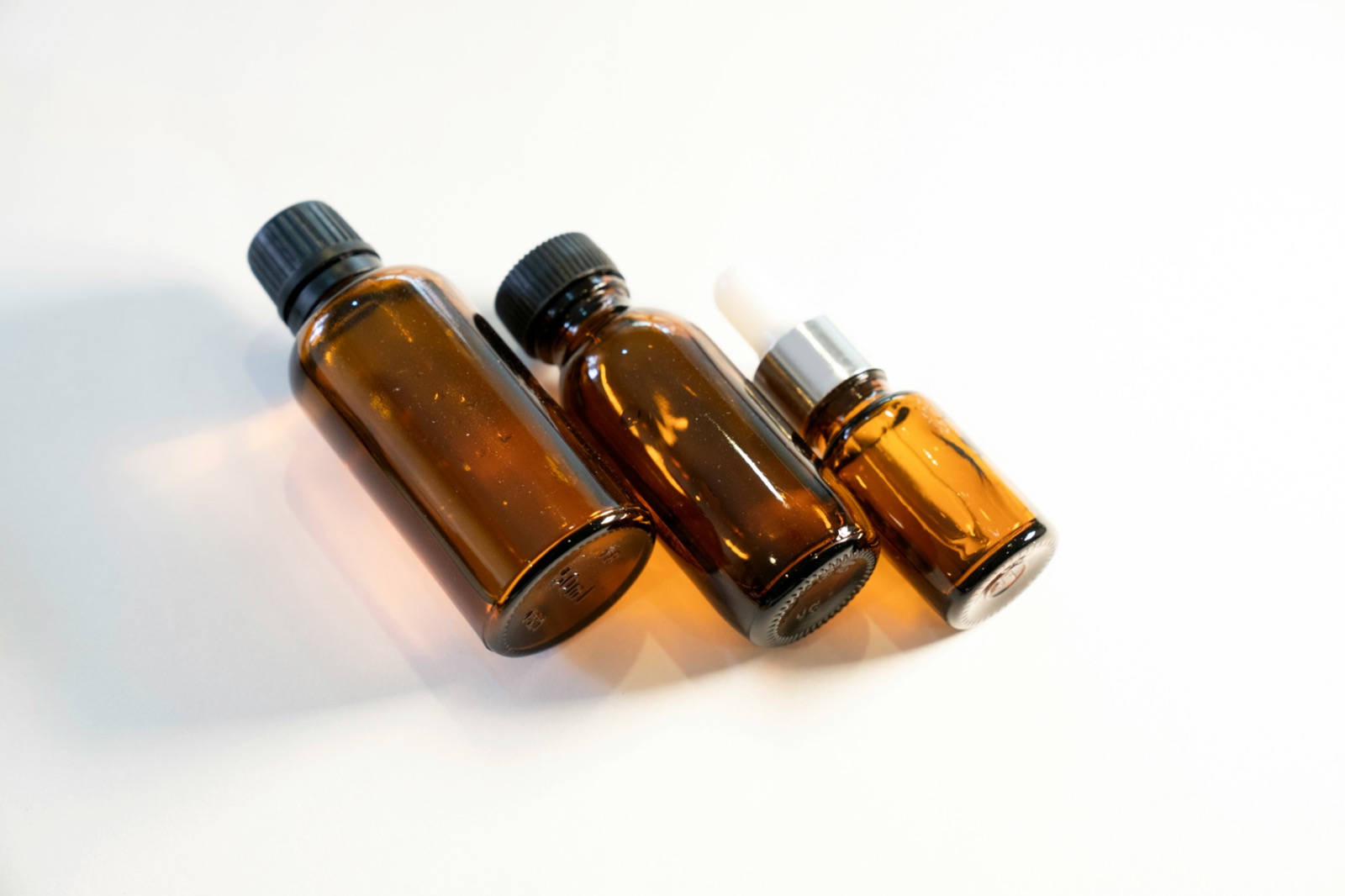
Kao Corporation hygiene and facial cleansing research indicates that gentle oil-based cleansers dissolve stubborn UV filters more efficiently than vigorous mechanical scrubbing with foaming soap alone.[2]
The Water Beading Test: How to Tell If Sunscreen Is Truly Gone
How can you know if your foaming wash removed your sunscreen completely? Use this simple Japanese aesthetician trick:
- Rinse Thoroughly: After cleansing with your standard facial wash, rinse your face with lukewarm water.
- Observe Water Behavior in the Mirror:
- Sunscreen Still Present: Water beads up into distinct round droplets across your forehead and cheeks, rolling off like water on a raincoat. Skin feels smooth or slick rather than soft and clean.
- Sunscreen Cleanly Removed: Water sheets smoothly across the skin surface in a uniform film without localized repelling droplets.
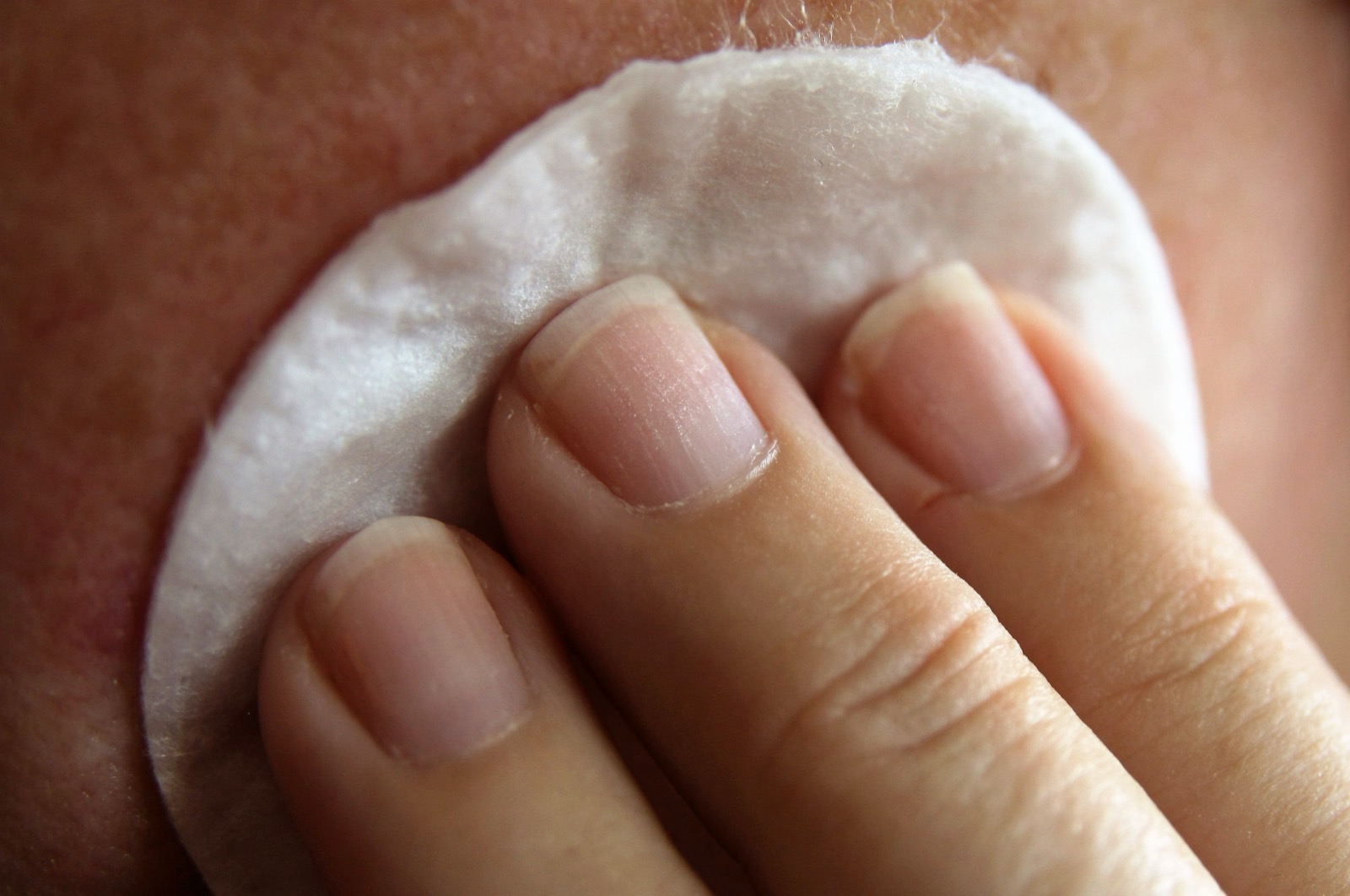
- The Cotton Pad Check: Sweep a cotton pad soaked in hydrating lotion across your face. If the cotton pad picks up yellowish tint or powdery white residue, your cleanser did not dissolve the sunscreen layer completely.
Comparison: Removal Methods by Sunscreen Formula
The table below provides clear guidelines on how to remove different categories of Japanese sun protection:
Scroll horizontally to view full table
| Sunscreen Category | Water Resistance Level | Primary Filter System | Recommended Removal Method |
|---|---|---|---|
| Daily Watery Gel | Standard (non-waterproof) | Chemical filters in aqueous base | Single foaming amino acid cleanser |
| Outdoor Bi-Phase Milk | Super Waterproof (80 min) | Volatile silicones + chemical/mineral | Cleansing oil or balm followed by foam |
| Mineral Physical Cream | Water-resistant | Zinc oxide & titanium dioxide | Cleansing oil (dissolves mineral binders) |
| Tone-Up UV Essence | Moderate water resistance | Chemical filters + color pigments | Cleansing oil or emulsifying balm |
| UV Sunscreen Stick | High friction resistance | Wax-based solid matrix | Cleansing oil (melts structural waxes) |