title: How Much Japanese Sunscreen to Apply: Exact Amount Guide meta_description: Learn how much Japanese sunscreen to apply for true UV defense. Discover the 2 mg standard, two-finger rule, coin measurements, and layering techniques. category: sun-care published_at: 2026-11-14 updated_at: 2026-11-14 fact_checked_at: 2026-11-14 author: Miho Tanaka thumbnail: /images/stock/skincare-cream-dollop-palm-texture-2.jpg thumbnail_alt: A dollop of Japanese sunscreen measured carefully on the palm of a hand affiliate: false ja_equivalent: null publish: false
How Much Japanese Sunscreen to Apply: Exact Amount Guide
Even the most advanced broad-spectrum SPF 50+ PA++++ formula offers little benefit if applied too sheerly. Sun protection testing is governed by strict international laboratory standards requiring a specific density of product on the skin. In real life, however, most consumers apply only 25% to 50% of the recommended amount, leaving their skin exposed to unintended photoaging and UV damage.
Japanese beauty culture has developed precise visual guidelines and application rituals to ensure you hit the target dosage every single morning—without feeling greasy or disturbing subsequent makeup.
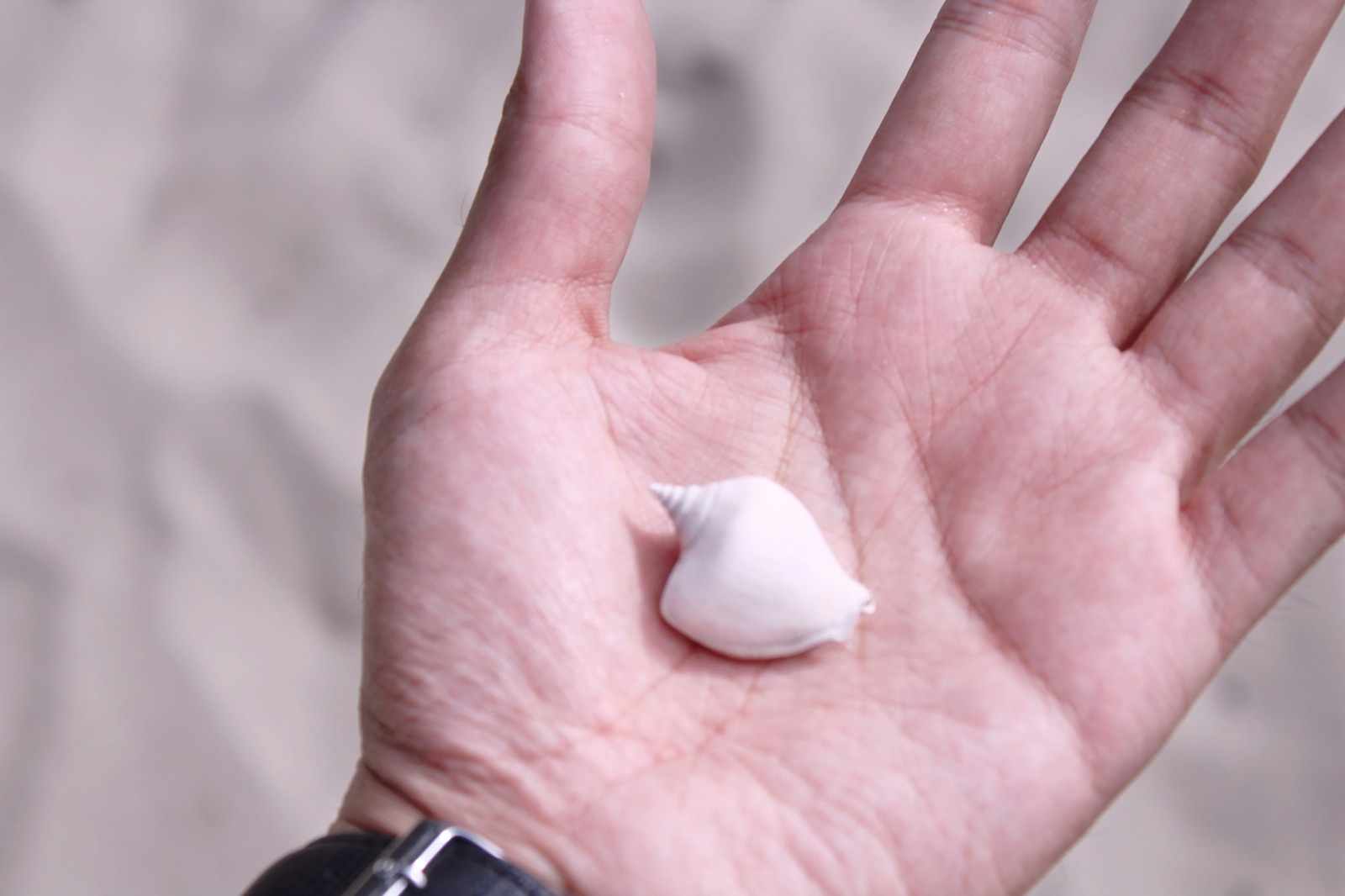
Quick answer: How Much Sunscreen for Your Face?
- The Scientific Target: 2.0 mg per square centimeter of skin, which equates to roughly 0.8 grams to 1.0 gram for an average adult face.
- Watery UV Gels: A circle roughly the size of a Japanese 500-yen coin (about 2.5 cm or 1 inch diameter).
- Fluid UV Milks: Two nickel-sized pools (roughly two Japanese 1-yen coins poured sequentially).
- The Two-Finger Rule: Two full ribbons of sunscreen dispensed along the lengths of your index and middle fingers.
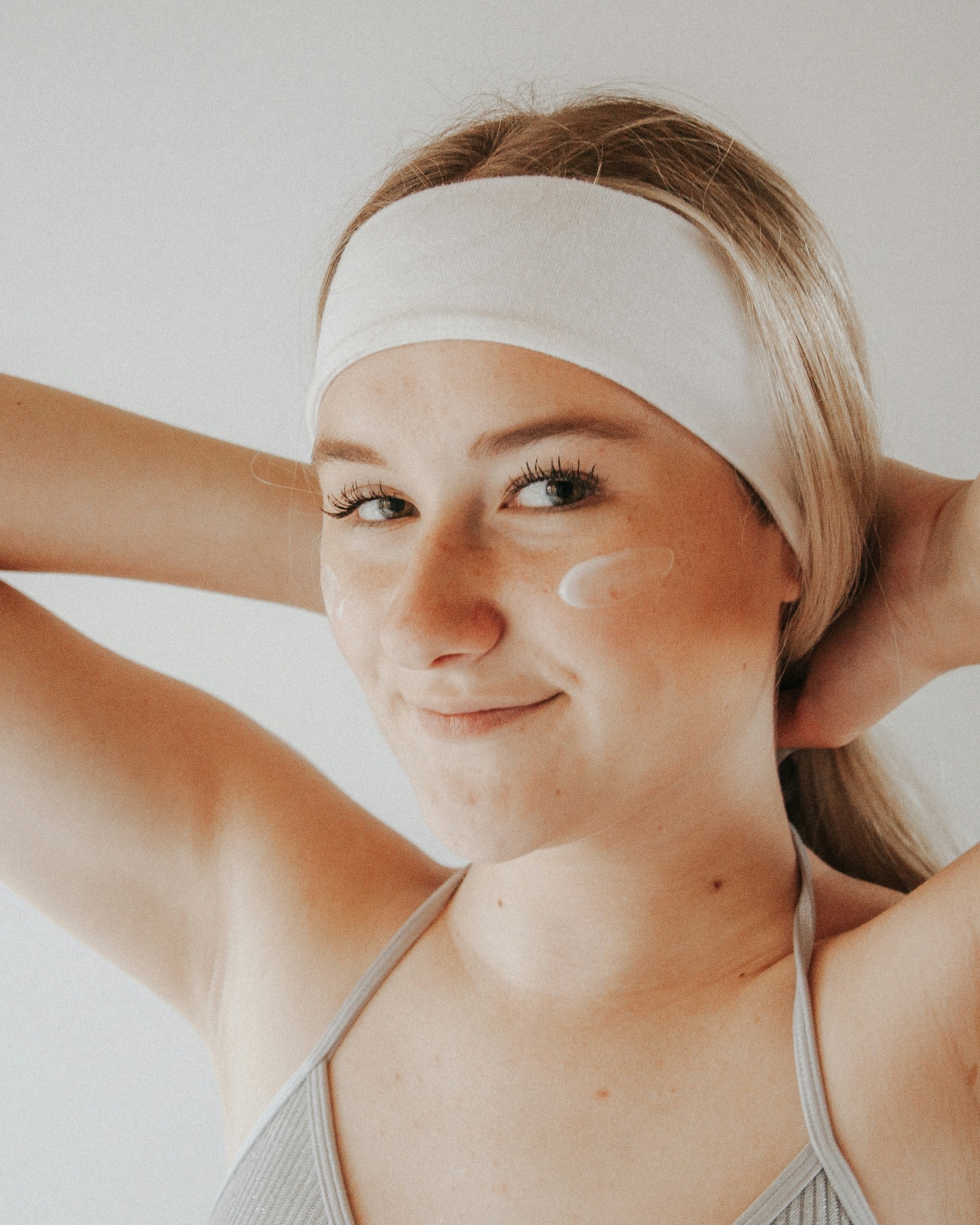
- Application Technique: Distribute across 5 facial points (forehead, nose, both cheeks, chin) and smooth outward rather than rubbing between palms.
The Scientific Standard: Why 2 mg/cm² Dictates SPF
When cosmetic laboratories certify an SPF and PA rating under international ISO standards and Japan Cosmetic Industry Association (JCIA) guidelines, they apply exactly 2.0 milligrams of sunscreen per square centimeter (2 mg/cm²) of skin.
Shiseido photoprotection clinical laboratory testing confirms that achieving labeled SPF efficacy strictly requires applying two milligrams of formulation per square centimeter of skin surface.[1] Because an average adult face measures approximately 400 square centimeters, achieving certified photoprotection requires roughly 0.8 to 1.0 gram of sunscreen per facial application.
When consumers apply half the required volume (1.0 mg/cm²), the resulting UV defense does not drop linearly by 50%—it plummets exponentially. According to Kao Corporation skin physiology studies, consumers routinely apply only one-third to one-half of the tested sunscreen dosage, dramatically degrading actual UV defense.[2] Applying an SPF 50 sunscreen too thinly can yield an effective protection level as low as SPF 7 to SPF 12 in practice.
Visual Measurement Guides: Measuring by Texture
Because different Japanese sunscreens feature wildly divergent viscosities, measurement methods must adapt to product texture:
1. Watery UV Gels (Aqueous Lotions)
Aqueous gels spread broadly because of their high water content. Because water evaporates rapidly upon application, users frequently underestimate the amount of solid filter residue left behind.
- Visual Measure: A thick coin-sized dollop approximately 2.5 cm (1 inch) in diameter.
- Finger Rule: Two solid finger-lengths.
2. Fluid UV Milks (Emulsions)
Bi-phase shakeable milks are thin and runny. Pouring the entire dose at once often causes product to drip off the palm.
- Visual Measure: Two separate dime-sized pools poured in sequence (apply the first half, let it settle for 30 seconds, then apply the second half).
- Weight Measure: Approximately 0.8 grams.
3. Rich Creams & Essence Bases
Dense barrier creams have more body and spread with higher friction.
- Visual Measure: Two large pearl-sized dollops (each roughly 1.2 cm in diameter).
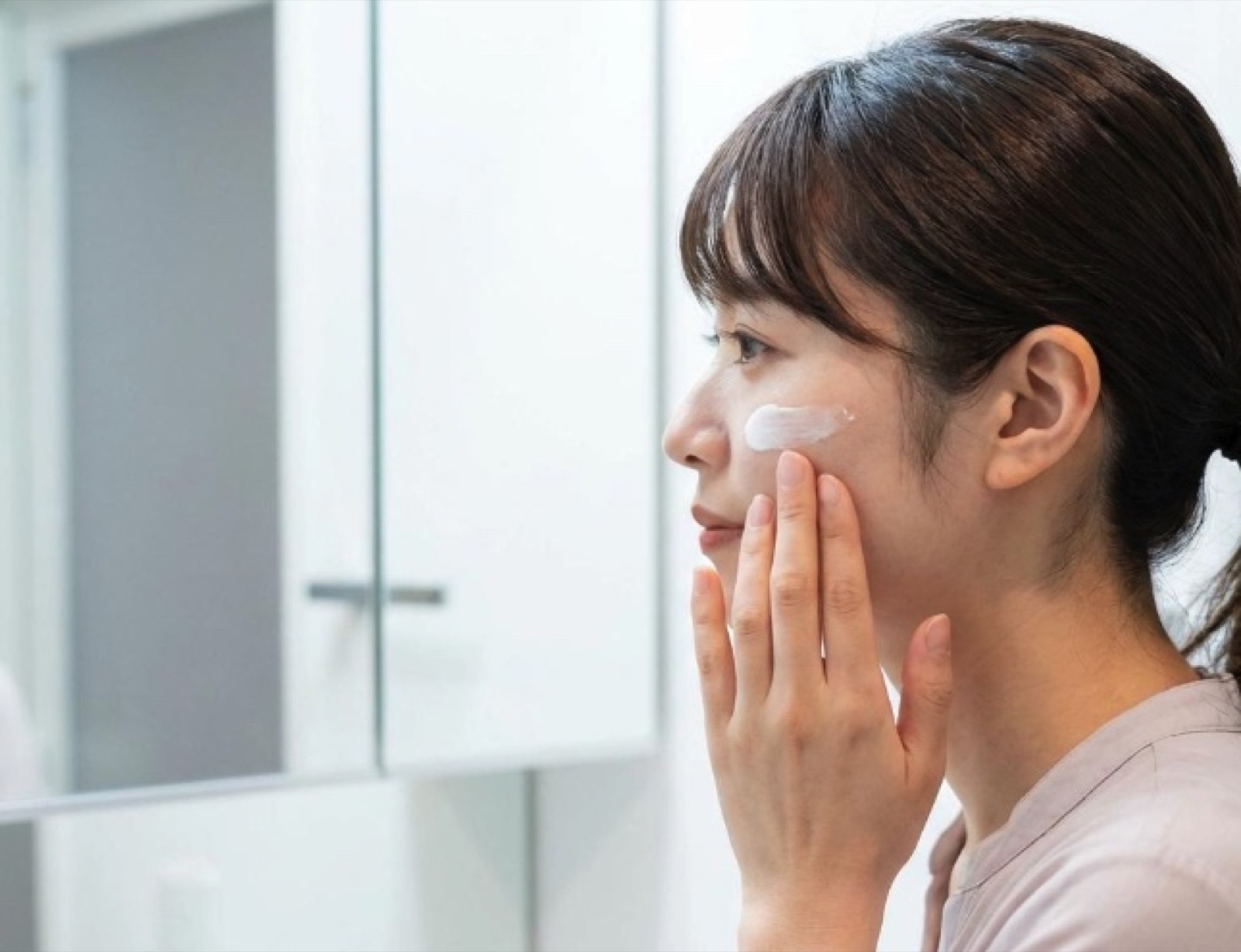
The Japanese 5-Point Placement Technique
Rubbing sunscreen vigorously between your hands before touching your face transfers up to 30% of the active product to your palms, depriving facial contours of necessary volume.
Japanese beauty advisors recommend the systematic "5-Point Dotting Method":
- Dispense onto Palm or Fingers: Measure out your full required dosage.
- Dot Across Five Facial Planes: Dab product onto the forehead, nose bridge, right cheek, left cheek, and chin. Allocate slightly larger portions to the cheekbones and nose, which receive the highest vertical solar radiation.
- Smooth with Flat Finger Pads: Using the flat pads of your middle and ring fingers, gently spread the product outward from the center of the face toward the hairline and jawline.
- Avoid Harsh Rubbing: Glide the formulation across the skin surface in smooth, horizontal passes. Excessive rubbing breaks down the emulsion prematurely and causes pilling.
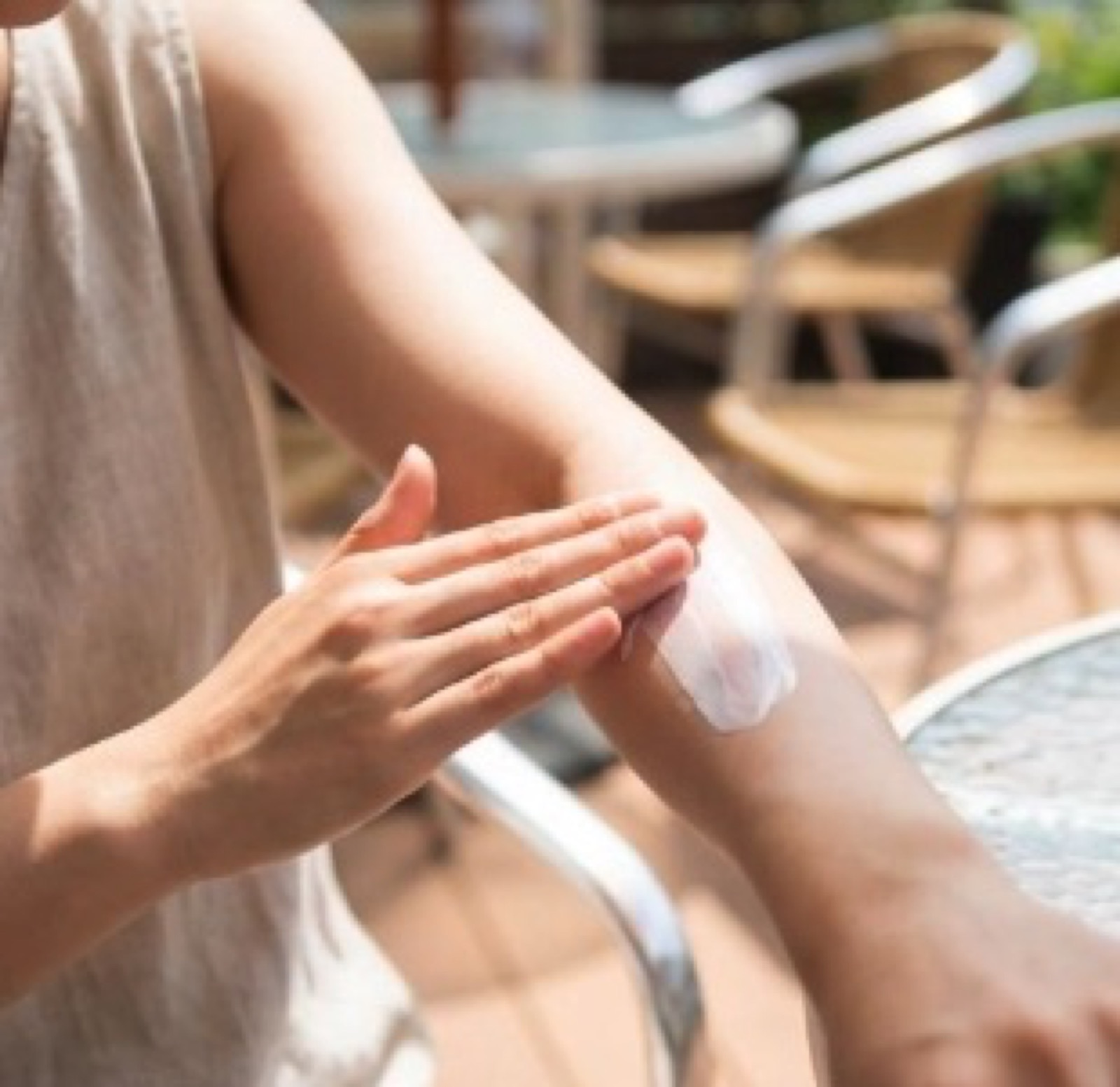
The Double-Layering Secret: Ensuring Gap-Free Coverage
Microscopic camera imaging shows that a single application pass inevitably leaves microscopic gaps around nasal folds, eyelids, and the hairline. Japanese professional makeup artists rely on the "Two-Coat Technique":
- Coat 1 (The Foundational Veil): Apply roughly 60% of your measured dose across the entire face using the 5-point method. Allow it to settle for 60 seconds until the volatile solvents evaporate and a unified film sets.
- Coat 2 (The Reinforcement Layer): Take the remaining 40% and lightly press it over high-exposure zones—the bridge of the nose, tops of cheekbones, temples, and forehead. This helps prevent optical gaps and delivers the full 2 mg/cm² density comfortably.
Comparison: Dosage by Sunscreen Format and Measurement Tool
The table below provides direct conversions for standard Japanese sun care textures:
Scroll horizontally to view full table
| Formula Texture | Gram Weight Target | Coin Analogy | Finger Rule Guide | Key Layering Tip |
|---|---|---|---|---|
| Watery Gel | 0.8 g – 1.0 g | Large 500-yen coin (2.5 cm circle) | 2 full finger-lengths | Spread smoothly; do not rub until dry |
| Bi-Phase Milk | 0.7 g – 0.8 g | 2 separate 1-yen coins sequentially | 1.5 to 2 finger-lengths | Shake well; apply in two light layers |
| Essence Cream | 0.8 g – 0.9 g | 2 large pearls (1.2 cm each) | 2 medium finger-lengths | Warm lightly between fingertips to melt |
| Cushion Compact | 0.8 g total | 3 to 4 firm puff presses | Not applicable (puff-based) | Vertical stamping; avoid wiping across skin |