title: Japanese Tone Up UV Creams: Natural Bright Skin Guide slug: japanese-tone-up-uv-cream-natural-bright-skin category: sun-care publish: true author: Editorial Staff updated_at: '2026-11-23' meta_description: Discover Japanese tone up UV creams. Learn how color-correcting sunscreens replace foundation, neutralize dullness, and create natural, glowing skin. thumbnail: /images/stock/hero-tinted-sunscreen-tubes-minimal-base.webp thumbnail_alt: Japanese tone up UV sunscreen cream tubes providing natural bright skin finish
Japanese Tone Up UV Creams: Natural Bright Skin Guide
Quick answer
Japanese tone up UV creams combine broad-spectrum SPF 50+ PA++++ photoprotection with optical color-correction to create luminous, even-toned skin without foundation. By incorporating micronized light-scattering pearl pigments and delicate pastel undertones (lavender for yellowness, mint for redness, rose for pallor), these hybrid sunscreens neutralize fatigue and blur pores while maintaining a translucent, non-chalky finish that resists summer humidity.
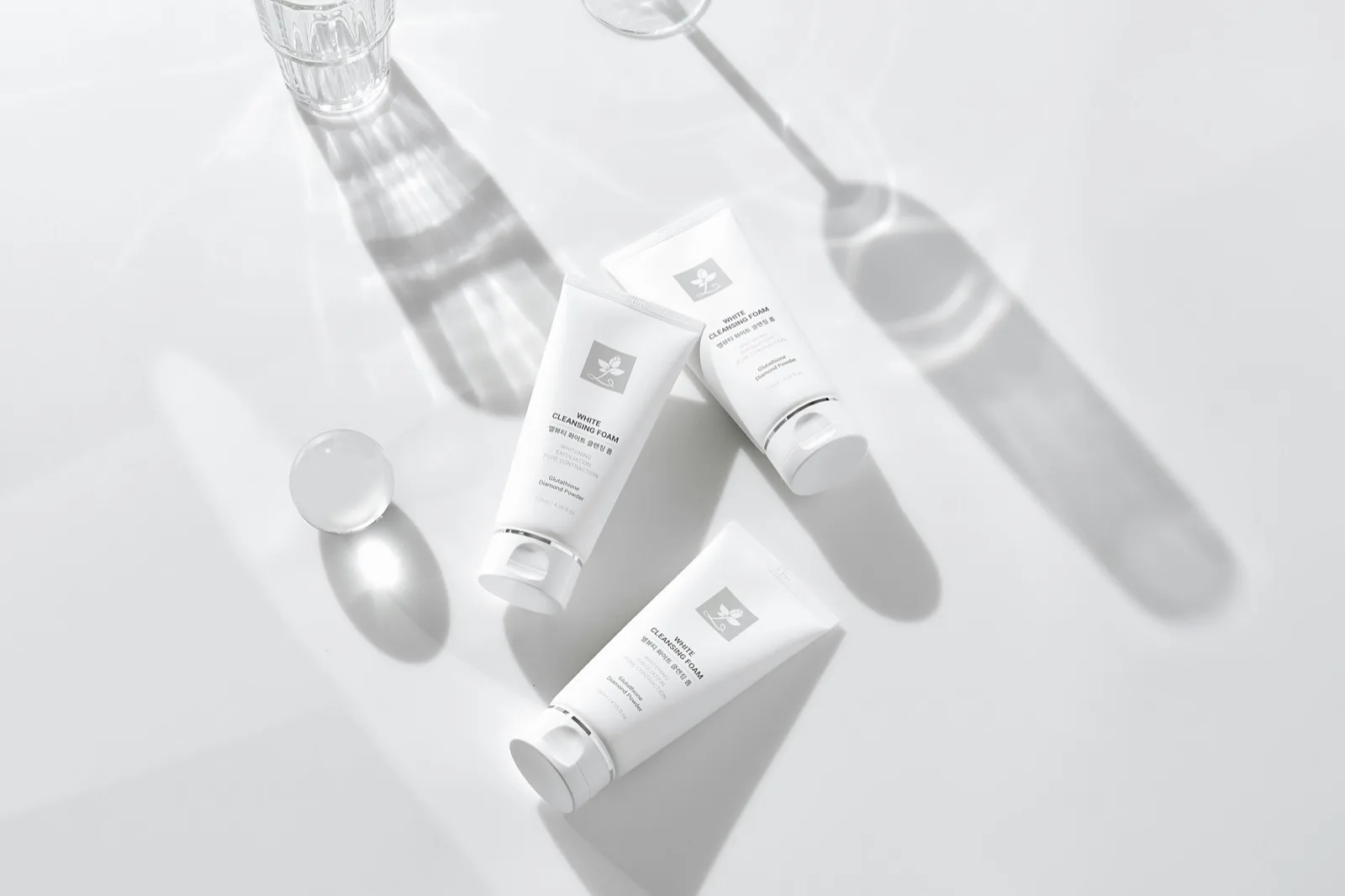
In the modern Japanese beauty philosophy, heavy liquid foundations and thick cakey concealers are increasingly viewed as unnecessary burdens for everyday wear. Instead, millions of Japanese consumers embrace the no-foundation lifestyle (no-fan-de ha), relying entirely on high-performance sunscreen to protect, condition, and optically brighten the complexion in a single step.
At the core of this minimalist movement is the Japanese tone up UV cream. Unlike traditional mineral sunscreens that leave a ghostly white cast, Japanese tone up formulas leverage sophisticated color theory and micro-pearl optics to elevate skin clarity naturally. Here is your definitive guide to understanding how tone up sunscreens work, how to choose the right tint for your undertone, and how to apply them for an ethereal, lit-from-within glow.
The No-Foundation Trend: Why Japanese Women Rely on Tone Up UV
The rapid rise of tone up sunscreens in Japan reflects a cultural preference for skin that looks bare, fresh, and authentically healthy (suhada-kan).
Medical authorities recommend daily sunscreen application as an essential preventive measure to shield cellular DNA against cumulative photoaging.[2] However, when individuals wear multiple layers of heavy primers, full-coverage foundations, and setting powders over sunscreen, the cumulative buildup can trap perspiration, clog follicular pores, and create friction during daytime reapplication.
Tone up UV creams reduce this friction. By combining maximum regulatory sun protection (SPF 50+ and PA++++) with skin-illuminating pigments, they provide the optical evening of a light CC cream alongside rigorous cellular defense against environmental rays.
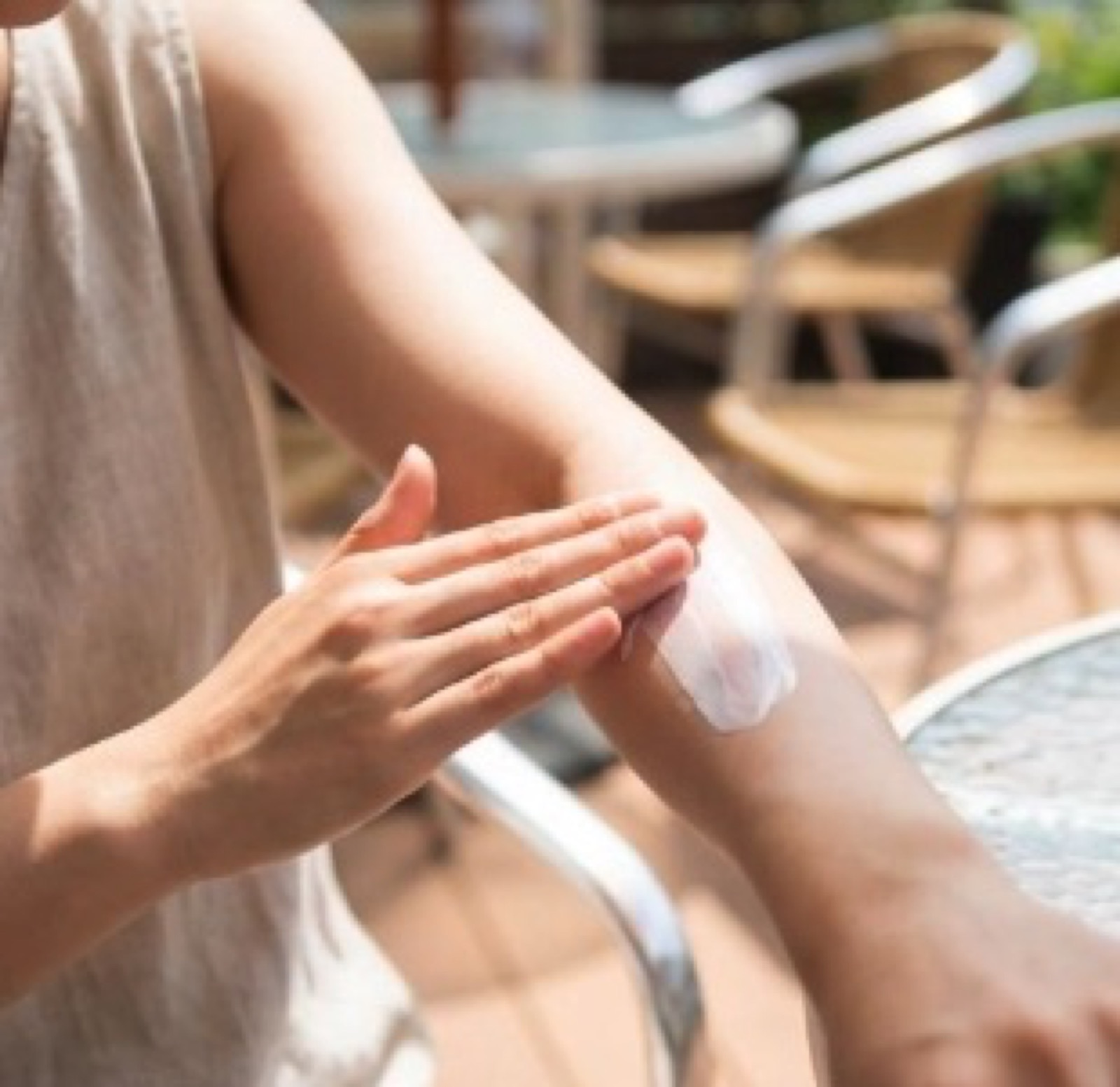
Color Theory: Decoding Lavender, Rose, Mint, and Beige Tints
The hallmark of Japanese tone up sunscreens is their nuanced palette of color-correcting pastel shades:
1. Lavender & Violet (The Radiance Standard)
Lavender represents the most iconic Japanese tone up hue. In optical color science, purple sits directly opposite yellow on the color wheel. A sheer lavender base neutralizes yellow, sallow undertones, instantly imparting a cool-toned, porcelain translucency that brightens tired skin.
2. Rose & Cherry Pink (Health and Warmth)
Pink tone up sunscreens counteract dull, ashen pallor by infusing the skin with a soft, healthy microcirculation flush. They are particularly favored during winter months or on fair, fatigued skin that lacks natural rosiness.
3. Mint & Cica Green (Redness Neutralization)
Formulated to calm ruddy complexions, mint-tinted sunscreens cancel out diffuse redness around the nose, acne blemishes, and sun-induced erythema, creating an even, calm canvas.
4. Sheer Beige & Latte (Natural Glow)
Infused with warm bronze or golden pearl micro-particles, latte-hued sunscreens unify uneven hyperpigmentation on medium to deep skin tones without creating an ashy mask.
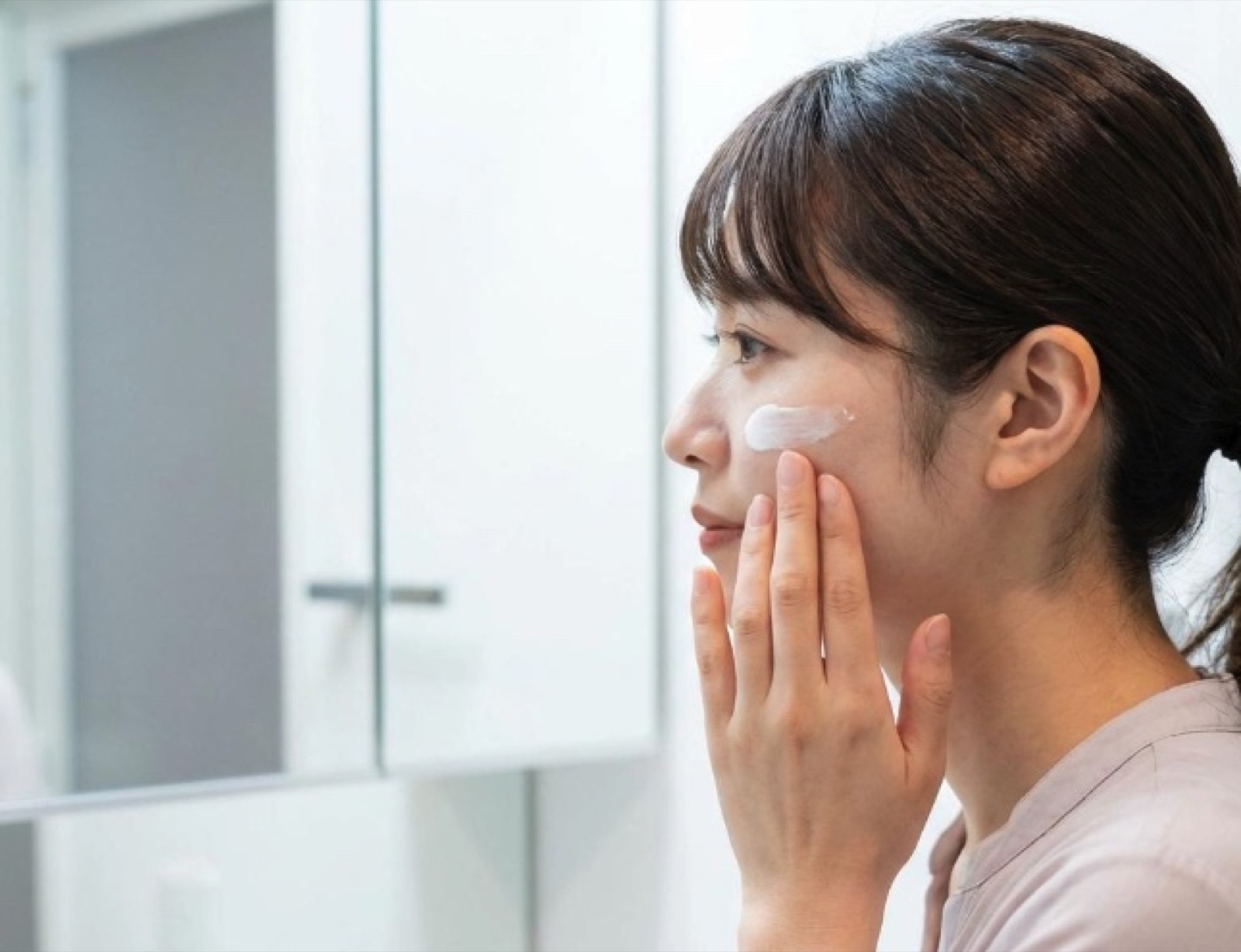
Optical Diffusion vs. White Cast: The Particle Science
A common anxiety among international shoppers is that tone up sunscreens might mimic the chalky, mask-like white cast associated with unformulated zinc oxide or titanium dioxide.
Japanese cosmetic chemists prevent this through two technical innovations:
- Ultrafine Micro-Milling: Inorganic sun-blocking filters are micronized to nano-scale dimensions and enveloped in silicone fluid sheaths, preventing clumped pigment agglomeration on skin contours.
- Multi-Reflective Mica Pearls: Instead of relying solely on white opaque powders, Japanese formulas suspend microscopic, flat-platelet mica minerals coated with optical interference dyes. When light hits these platelets, it refracts diffusely in multiple directions, creating an optical blur that softens pore shadows rather than painting over them.
Dermatological authorities distinguish normal intrinsic aging from photoaging, defining photoaging as chronic ultraviolet tissue injury rather than natural physiological decline.[1] Using sophisticated broad-spectrum UV protection daily shields dermal collagen bundles against structural degradation while enhancing immediate optical luminosity.
Comparison: Traditional Sunscreen vs. Japanese Tone Up UV vs. BB Cream
The table below contrasts Japanese tone up sunscreens with conventional daytime products:
Scroll horizontally to view full table
| Feature | Standard Sunscreen | Japanese Tone Up UV | Traditional BB Cream |
|---|---|---|---|
| Primary Purpose | UV ray defense only | Broad-spectrum UV protection + optical color correction | Blemish coverage and foundation replacement |
| Coverage Level | Completely transparent or white residue | Sheer, translucent, color-balancing veil | Medium to high opaque pigment coverage |
| Skin Sensation | Variable (can be greasy or drying) | Weightless, water-like gel or airy serum milk | Thicker, moisturizing cream base |
| Cleansing Method | Standard facial foam or soap | Regular facial wash (most formulas) | Requires double cleansing with makeup oil |
| Reapplication Ease | Easy to pat over skin | Smooth to reapply without caking or streaks | Can cake or settle into lines upon reapplication |