Sweat Proof Japanese Sunscreen for Outdoor Sports: Guide
Sun CareBy SEIBUN LAB Editorial Team
title: "Sweat Proof Japanese Sunscreen for Outdoor Sports: Guide"
description: "Discover top sweat proof Japanese sunscreens for outdoor sports. Learn water-resistant polymer film tech, friction defense, and reapplication strategies."
category: "sun-care"
slug: "sweat-proof-japanese-sunscreen-for-outdoor-sports"
hero_image: "/images/stock/beach-summer-sports-photoprotection-defense.jpg"
hero_image_alt: "Athlete on beach during summer outdoor sports requiring sweat proof Japanese sunscreen"
published_at: "2026-11-20"
last_modified_at: "2026-11-20"
Sweat Proof Japanese Sunscreen for Outdoor Sports: Guide
Whether you are running marathons under blazing sun, surfing ocean waves, cycling along coastal ridges, or hiking mountain summits, intense physical exertion poses the ultimate test for sun protection. Heavy perspiration, ocean saltwater, and constant friction from clothing or sports towels quickly degrade standard chemical and mineral UV filters. Japanese suncare laboratories lead global photoprotection innovation by engineering resilient, sweat-proof sunscreens that stay firmly bonded to the skin through the most demanding physical activities.
Understanding the advanced polymer technologies behind Japanese water-resistant sunscreens helps you select formulas that deliver uncompromising defense without feeling suffocating or greasy.
Quick answer: Sweat Proof Japanese Sunscreen for Outdoor Sports: Guide
Top sweat-proof Japanese sunscreens utilize cross-linked polymer film formers, friction-resistant resins, and reactive surfactant systems that strengthen their defensive UV lattice upon contact with perspiration and water. For vigorous outdoor sports, choose shake-type bi-phase milk or sport-gel formulas rated SPF 50+ PA++++ with official 80-minute water resistance.
Why Japanese Sunscreens Excel Under Extreme Conditions
Conclusion: Japanese formulations use reactive emulsion chemistry where minerals and polymers bond more tightly when exposed to water and thermal heat.
Standard sunscreens often emulsify and wash away when perspiration breaks through the skin surface, leaving bare patches vulnerable to ultraviolet radiation. Japanese photoprotection research approaches water resistance from a fundamentally different perspective:
Perspiration-Activated Binding: Rather than repelling moisture passively, cutting-edge Japanese formulas feature ionic surfactants that react with calcium and magnesium ions in sweat and sea water, reorganizing the UV-absorbing film into a smoother, denser defensive barrier.
Friction-Proof Resilience: Outdoor athletes constantly rub their faces with sweatbands, shirts, or towels. Japanese "friction-proof" technology uses flexible elastomeric polymers that resist physical abrasion, preventing the film from shearing off during movement.
Breathable Micro-Mesh Network: Despite extreme staying power, microscopic pores within the polymer lattice allow sweat vapor to escape, minimizing heat entrapment and prickly heat sensations during endurance training.
The Dermatological Science of Sweat, UV, and the Skin Barrier
Conclusion: Perspiration droplets act as magnifying lenses for ultraviolet radiation, accelerating barrier stress unless shielded by a uniform film.
When athletes train outdoors, perspiration pools on the skin surface. These curved droplets can refract sunlight like microscopic lenses, concentrating UV energy onto underlying epidermal cells. Simultaneously, the stratum corneum experiences hydration stress from continuous sweat evaporation. Research in PLOS ONE affirms: 'The stratum corneum (SC) provides a permeability barrier that limits the inflow and outflow of water.'[1]
Repeated cycles of sweating, wind exposure, and UV irradiation deplete intercellular lipids and Natural Moisturizing Factors (NMF). High-performance Japanese sports sunscreens incorporate soothing botanical extracts (such as green tea polyphenols and licorice-derived dipotassium glycyrrhizate) alongside film formers, cushioning the stratum corneum from photo-oxidative stress while maintaining moisture balance throughout high-intensity exercise.
Milk vs. Gel: Choosing Your Sports Formulation
Conclusion: Two-phase shake milk offers maximum water resistance for water sports, while lightweight gels provide rapid glide for running and cycling.
Japanese outdoor sunscreens generally fall into two primary textural categories:
Scroll horizontally to see full details
Characteristic
Bi-Phase Shake Milk (*Sunscreen Milk*)
High-Adhesion Sports Gel (*Sunscreen Gel*)
Packaging & Mechanics
Liquid bottle with internal mixing ball (shake before use)
Squeeze tube with thick, creamy gel texture
Water & Sweat Resistance
Highest possible (heavy hydrophobic resin base)
High (water-trapping micro-capsule polymer base)
Friction Durability
Extremely resistant to towel drying and wetsuit rub
Resistant to light clothing friction and strap contact
Finish on Skin
Velvety, powdery dry-touch finish, zero tackiness
Dewy, refreshing, cooling burst upon application
Ideal Outdoor Activities
Surfing, swimming, triathlons, beach volleyball
Trail running, tennis, road cycling, outdoor gym
Benchmark Japanese Sports Sunscreen Lines
Several renowned Japanese brands have set industry standards for athletic and outdoor photoprotection:
Widely regarded as the benchmark gold standard across Asia, Anessa features Auto Booster Technology. Its protective film is scientifically engineered to become stronger upon exposure to sweat, water, and ambient air humidity, remaining intact through rigorous water sports.
2. Kanebo Allie Chrono Beauty Gel UV EX
Formulated with advanced Friction-Proof technology, Allie is designed to withstand rubbing against towels, backpacks, and sports apparel while maintaining an environmentally conscious ocean-friendly formula.
3. Biore UV Athlizm Skin Protect Essence & Milk
Developed under extreme conditions of 40 degrees Celsius and 75% relative humidity, the Athlizm series utilizes Biore's Tough Boost Tech to form a flexible, second-skin defensive veil that resists breaking during heavy outdoor exertion.
How to Apply and Reapply During Sports Activities
Conclusion: Apply 15 minutes before sun exposure using two distinct layers, and blot sweat before reapplying.
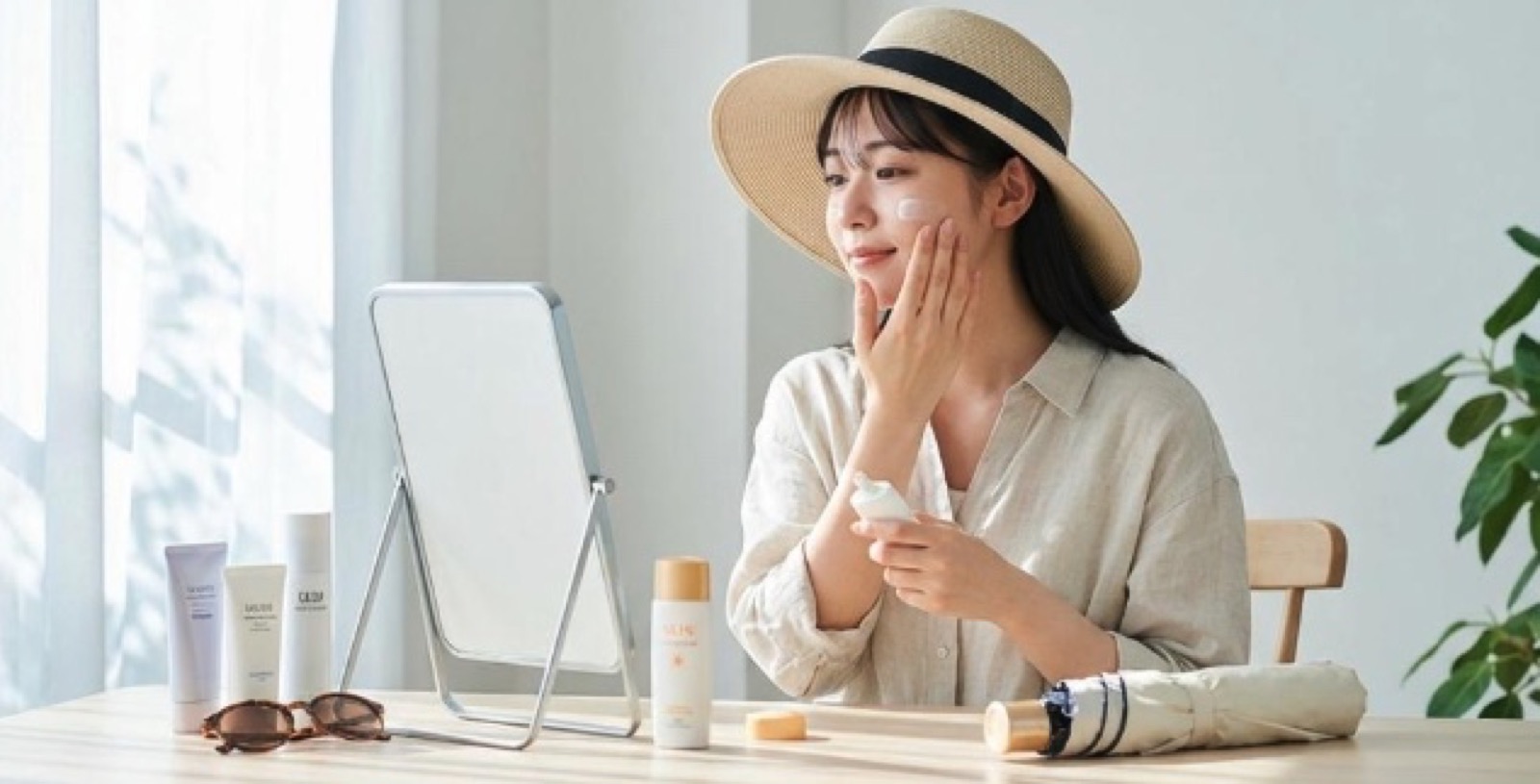
Even the most advanced sweat-proof sunscreen fails if under-applied. Follow this athlete-tested application checklist:
Dry Skin Application: Apply sunscreen to completely dry skin at least 15 minutes prior to outdoor activity. Applying to sweaty skin prevents the polymer film from curing evenly.
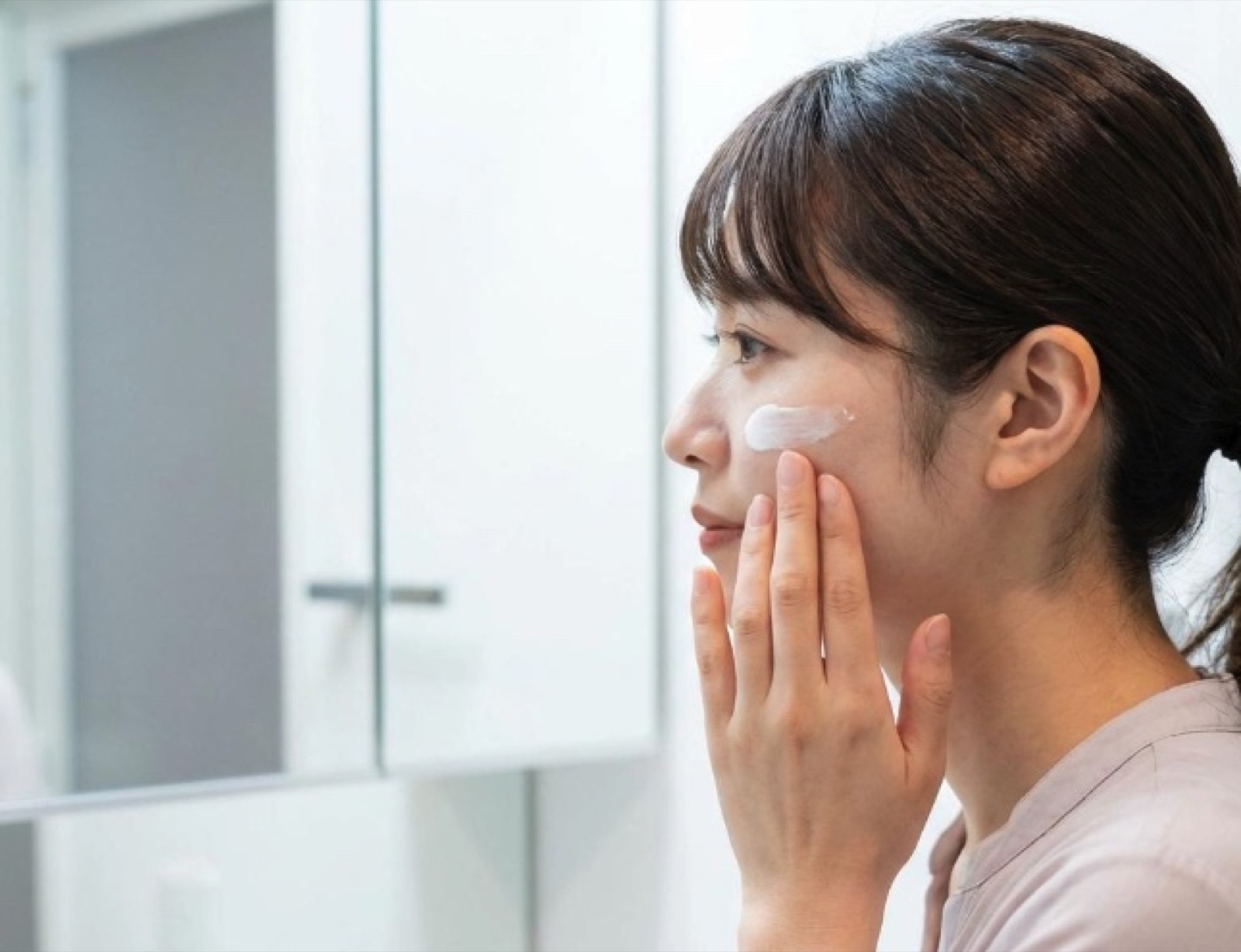
The Double-Layer Strategy: Dispense a nickel-sized amount onto the palm and distribute across the face using the five-point method. Allow 60 seconds to set, then apply a second thin layer to high-exposure zones (cheekbones, nose bridge, ears, and back of the neck).
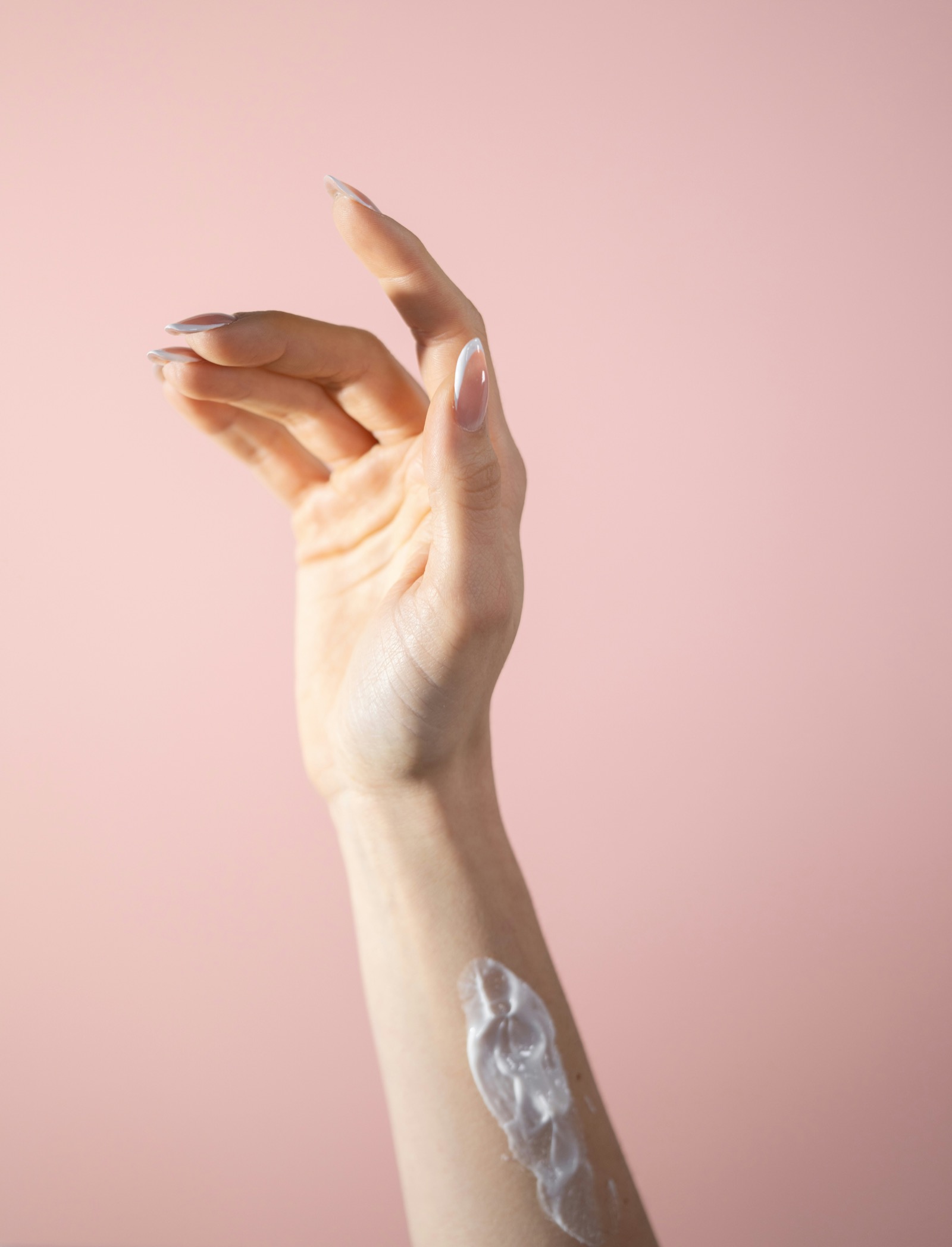
Generous Body Measurement: For limbs, draw continuous lines directly from the bottle along arms and legs, smoothing evenly with broad palm strokes.
Sweat Blotting Before Reapplication: Never apply fresh sunscreen over wet sweat beads. Gently pat the skin dry with a clean towel to remove surface perspiration, then reapply every 80 to 120 minutes during prolonged sun exposure.
Because sports sunscreens utilize resilient hydrophobic resins and silicone polymers, splashing face wash or mild body soap may fail to dissolve the film completely, leading to clogged pores.
To remove sports sunscreens effectively:
For the Face: Use a dedicated Japanese cleansing oil or cleansing balm. Massage the dry oil into dry skin for 60 seconds to break down the water-resistant lattice, emulsify with warm water, and rinse clean before using a gentle foaming cleanser.
For the Body: Apply a rich lathering body wash onto a soft washcloth or sponge, working it in gentle circular motions over shoulders and limbs to lift the water-resistant film.
Signs to Stop and When to See a Doctor
Water-resistant sports formulations contain elevated concentrations of organic UV filters and film-forming resins that can occasionally provoke sensitivity under conditions of intense sweating and heat.
Discontinue use and consult a physician if you experience:
Severe stinging, burning, or redness that intensifies with perspiration.
Development of itchy heat rash (miliaria), hives, or widespread papules.
Persistent swelling around the eyes or lips.
Signs of acute sunburn, blistering, or solar dermatitis.
Athletes with reactive skin should test new water-resistant formulas on their inner forearm 24 hours prior to outdoor competition.
FAQ
Q1. Can I wash off sweat-proof Japanese sunscreen with normal soap?
A. Heavy bi-phase sports milks usually require an oil-based cleanser for complete, residue-free removal.(Details)
While some daily gels rinse away with foaming face wash, high-performance bi-phase sports milks contain hydrophobic polymers that require a cleansing oil or cleansing balm to dissolve thoroughly.
Q2. Does "sweat-proof" mean I do not need to reapply during a marathon?
A. No, continuous sweating and towel wiping necessitate reapplication every two hours or after heavy drying.(Details)
No sunscreen forms an unbreakable shield. Continuous sweating, rubbing against apparel, and wiping towels gradually erode the defensive lattice, requiring reapplication at least every two hours.
Q3. Will sports sunscreen make my skin feel hot and suffocated?
A. Japanese formulas utilize breathable micro-mesh networks that allow sweat evaporation while blocking UV rays.(Details)
No. Japanese cosmetic engineers design sports sunscreens with breathable micro-emulsion structures that permit perspiration vapor to escape freely while preventing liquid droplets from displacing UV filters.
Q4. Are Japanese sports sunscreens safe for coral reefs and ocean swimming?
A. Many modern Japanese sports formulas are certified ocean-friendly and free from octinoxate and oxybenzone.(Details)
Yes. Recent revisions by Japanese brands (including Allie and Anessa) comply with international marine regulations by excluding oxybenzone and octinoxate, offering ocean-conscious protection.
Q5. Can I apply sweat-proof sunscreen over my morning moisturizer?
A. Yes, but ensure your moisturizer is fully absorbed and dry before applying sports sunscreen.(Details)
Yes. However, allow your hydrating lotion and emulsion to absorb completely for several minutes. Applying sports sunscreen over a wet, slippery base compromises the uniform adhesion of the polymer film.
Summary
Perspiration-Activated Defense: Japanese sports sunscreens reorganize their protective film upon contact with sweat and water for reinforced stability.
Friction-Resistant Durability: Elastomeric polymer coatings resist mechanical rubbing from towels, clothing, and sports equipment.
Thorough Cleansing Essential: Dissolve high-adhesion hydrophobic resins using an oil-based cleanser to maintain clear, healthy pores.
Disclaimer: This article is for general information and education about Japanese cosmetics and their labels. It is not a substitute for professional medical advice, diagnosis, or treatment. Skincare results vary from person to person. Product formulas, availability, prices, and regulations change, and products sold in Japan can differ from versions sold elsewhere, so always check the current label. Do a patch test before introducing a new product, and consult a doctor or dermatologist if you have a skin condition or specific concerns.