Enlarged Pores & Sebum Control: Japanese Routine Guide
ConcernsBy Miho Tanaka
title: Enlarged Pores & Sebum Control: Japanese Routine Guide
meta_description: Learn the Japanese sebum control routine for enlarged pores. Discover how rice extracts, glycylglycine, and hydration balance shine without stripping.
published_at: 2026-11-19
updated_at: 2026-11-19
fact_checked_at: 2026-11-19
author: Miho Tanaka
thumbnail: /images/stock/glycylglycine-retinol-serum-dropper-bottle.webp
thumbnail_alt: Amber dropper bottle of Japanese glycylglycine serum targeting enlarged pores and sebum control
affiliate: false
ja_equivalent: null
publish: false
Enlarged Pores & Sebum Control: Japanese Routine Guide
Midday facial shine, makeup separating across the nose, and conspicuously widened pore openings are everyday frustrations for oily and combination complexions. In Japan, pores stretched by chronic oiliness are categorized as hiraki keana (opened or expanded pores). While many Western regimens attempt to strip oil using harsh alcohol astringents, abrasive clay masks, or physical suction devices, Japanese dermatological science views excessive sebum through a different lens. Aggressive degreasing only dehydrates the skin barrier and triggers rebound oil production. The Japanese approach focuses on regulating sebum secretion at the source, normalizing keratin turnover around the pore rim, and plumping the surrounding stratum corneum with weightless moisture.
Quick answer:
How does a Japanese routine control sebum and minimize enlarged pores?
The Japanese sebum-control routine manages enlarged pores through **targeted biological balancing** rather than harsh stripping. By combining **enzyme cleansing powders (*kouso sengan*)** that dissolve oil plugs without friction, specialized actives like **glycylglycine (GG)** and **Rice Power No. 6** to calm unsaturated fatty acid irritation, and **multi-layer oil-free hydration**, this routine keeps the stratum corneum supple. Plump epidermal cells reduce micro-shadows around pore rims while preventing compensatory midday oil surges.
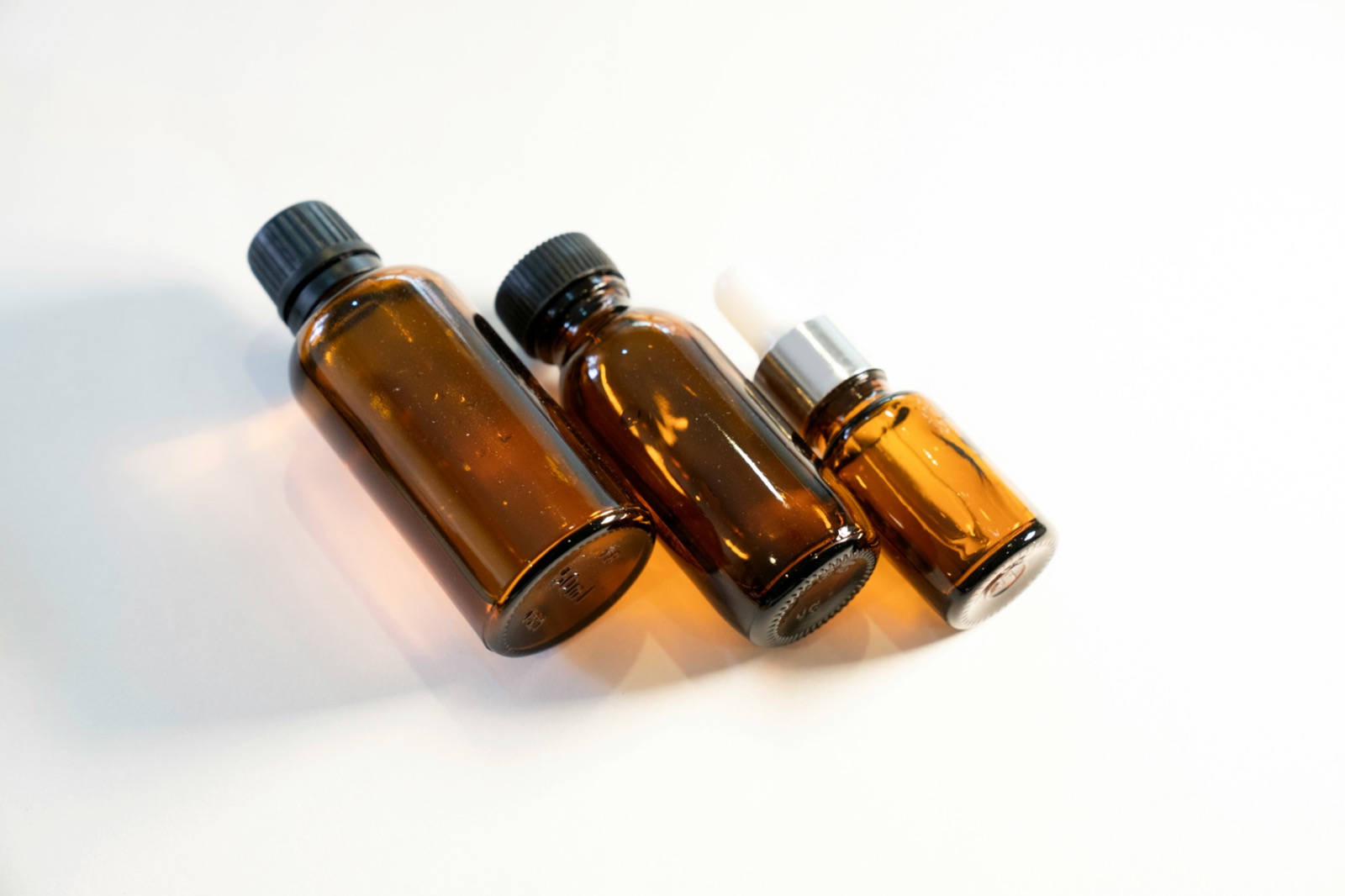
Specialized Japanese actives like glycylglycine help normalize keratinization around pore rims without stripping natural moisture.
The Biological Link Between Sebum and Enlarged Pores
Conclusion: Unsaturated fatty acids in sebum trigger abnormal hyperkeratinization that stretches pore funnels outward, requiring biological soothing over mechanical stripping.
Why does excess oil make pores look dramatically larger? Japanese cosmetic research, notably groundbreaking work by Shiseido laboratories, reveals that sebum quality matters just as much as sebum quantity:
Scroll horizontally to view the full comparison.
Factor
Standard Balanced Skin
Sebum-Expanded Pores (*Hiraki Keana*)
Sebum Composition
Balanced ratios of squalene, triglycerides, wax esters
Elevated levels of unsaturated free fatty acids (oleic acid)
Follicular Keratinization
Normal shedding; dead cells exit smoothly
Abnormal hyperkeratinization (*fuzen kakka*) thickens pore rim
Pore Shape
Tight, microscopic cylindrical conduits
Stretched funnel-shaped craters casting visible dark shadows
The 4-Step Japanese Routine for Sebum Control and Pore Care
Conclusion: Structuring care with enzyme cleansing, glycylglycine toner, quasi-drug sebum regulators, and featherweight emulsions keeps pores clear and refined.
A successful Japanese pore routine balances oil flow while maintaining deep cellular water levels:
Step 1: Gentle Enzyme Cleansing (Kouso Sengan)
Two to three mornings a week, replace standard foaming washes with an enzyme cleansing powder containing papain or lipase. These water-activated enzymes gently dissolve the oxidized lipid-protein bonds of follicular plugs (kakusen) without requiring abrasive scrubbing or stripping moisture.
Step 2: Pore-Tightening Toner (Keshosui)
Apply an alcohol-free balancing lotion formulated with glycylglycine (GG). This specialized dipeptide counteracts the irritating effects of unsaturated fatty acids, helping normalize cellular shedding around the pore funnel. Press the refreshing liquid into clean skin using soft palms.
Step 3: Targeted Sebum-Regulating Serum
Incorporate a Japanese quasi-drug serum featuring Rice Power No. 6 or Vitamin C derivatives (such as APPS or magnesium ascorbyl phosphate). Rice Power No. 6 is clinically cleared in Japan to suppress sebaceous gland hyperactivity directly, while Vitamin C shields surface sebum from oxidizing into pore-stretching lipid peroxides.
Step 4: Breathable Moisture Veil (Light Nyueki or Gel)
Skipping moisturizer when oily is a critical error that triggers rebound shine. Instead, seal in hydration with a featherweight, oil-free water gel or a fluid milky emulsion (nyueki) packed with amino acids and plant ceramides to ensure pore margins stay plump and flexible.
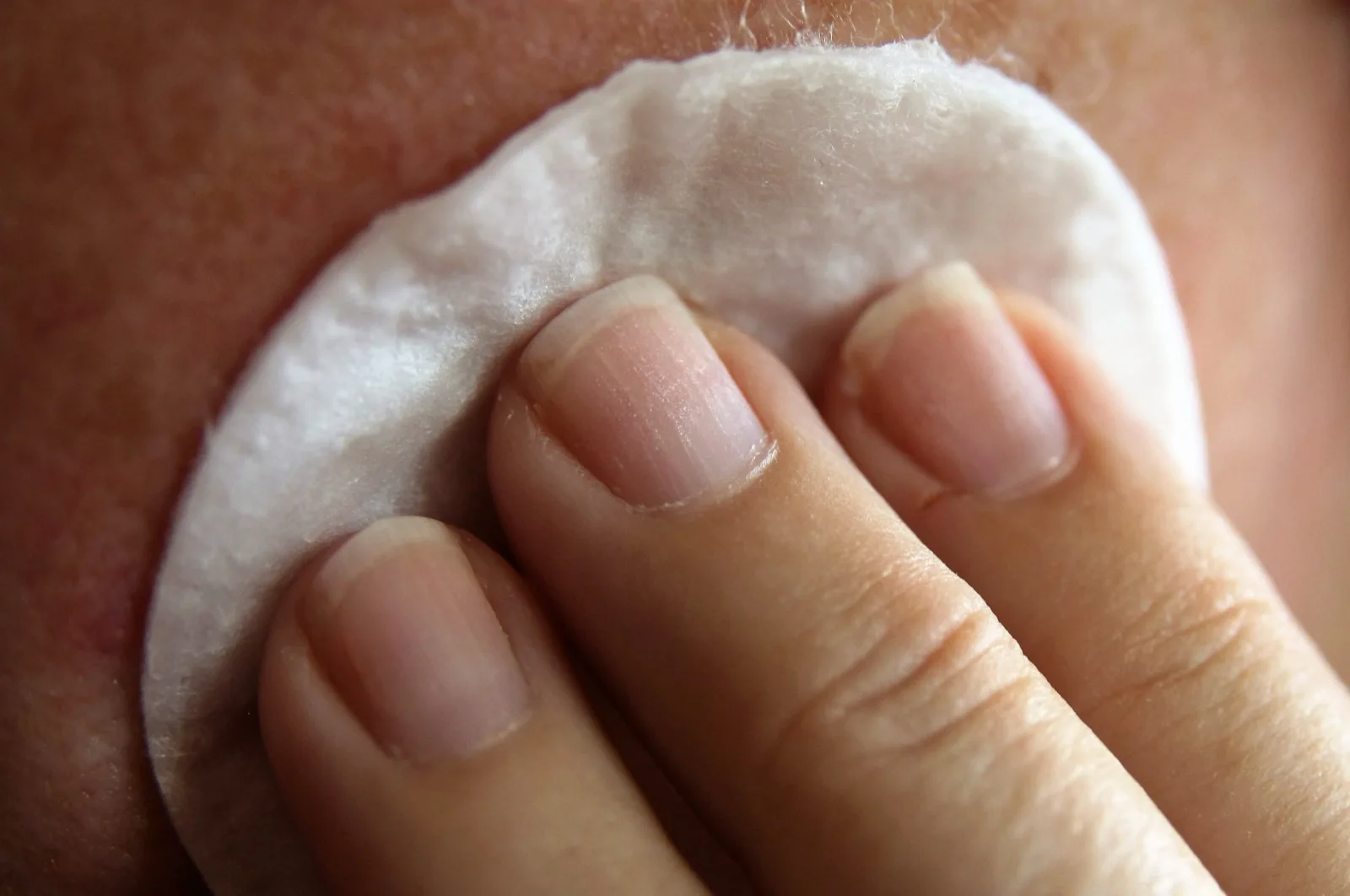
Enzyme cleansing powders dissolve oxidized sebum and dead keratin bonds gently without abrasive scrubbing.
Standout Japanese Actives for Pores and Shine Control
Conclusion: Certified Japanese quasi-drugs like Rice Power No. 6, glycylglycine, and stable Vitamin C regulate sebaceous activity and protect collagen scaffolds.
Japanese skincare laboratories utilize cutting-edge compounds certified under Japan's quasi-drug framework to manage oiliness:
Glycylglycine (GG): A simple peptide composed of two glycine amino acids. Research shows it suppresses calcium ion influx into epidermal cells, preventing the incomplete keratinization that causes pores to flare outward like mini volcanoes.
Rice Power No. 6: Extracted through proprietary fermentation of Japanese domestic rice, this official quasi-drug active reduces excessive lipid synthesis within sebaceous glands.
Vitamin C Derivatives (Ascorbyl Glucoside & APPS): Neutralize ambient free radicals on the skin surface, preventing sebum peroxidation and supporting collagen scaffolding around pore walls.
Witch Hazel (Hamamelis) & Hatomugi Extracts: Traditional botanical astringents that provide a refreshing tightening sensation and calm localized surface heat.
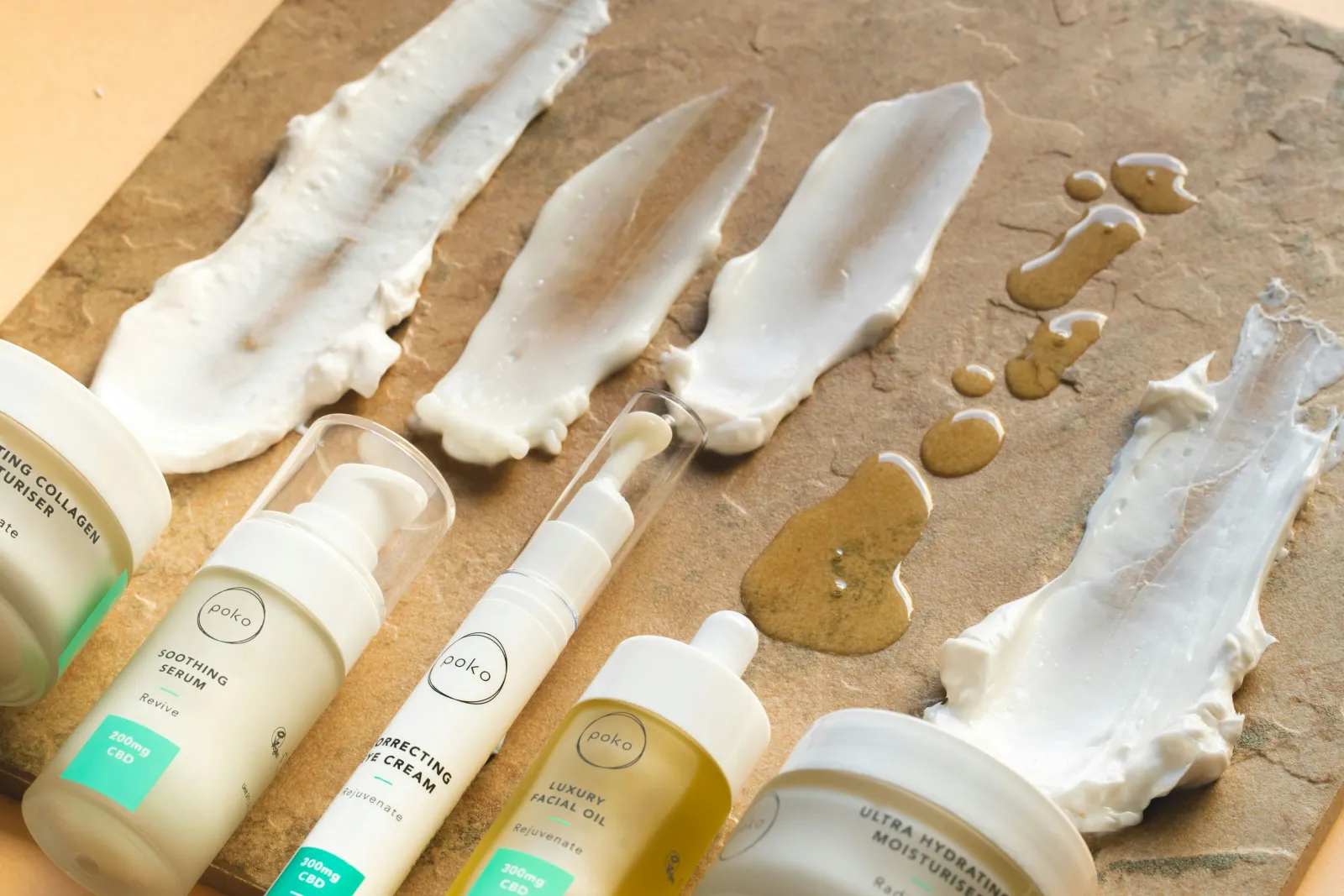
Mineral clays and certified quasi-drug actives balance excess surface lipids while keeping the moisture barrier intact.
Crucial Daily Precautions: Cleansing and Sun Protection
Conclusion: Avoid abrasive scrubbing, rinse with lukewarm water, and shield against UV-driven sebum peroxidation with daily broad-spectrum SPF 30+ / PA++++ sunscreen.
Managing shiny complexions requires resisting aggressive washing habits and defending against UV-induced lipid degradation:
Avoid Aggressive Scrubbing: When washing away evening skincare or makeup, harsh friction easily traumatizes skin. Dermatologists advise using a gentle, non-abrasive cleanser that does not contain alcohol to protect skin health.[1] It is recommended practice to wet your face with lukewarm water and use your fingertips to apply cleanser without friction.[1]
Gentle Cleansing Discipline: Skin experts advise that individuals resist the temptation to scrub your skin because scrubbing irritates the skin.[1] In addition, when cleansing the face, dermatologists remind us: while washing, resist the temptation to scrub your skin, even to remove makeup.[2] Physical abrasion is counterproductive because scrubbing irritates your skin, which can make it look worse.[2]
Lukewarm Rinsing: After washing, always rinse with lukewarm water and pat dry with a soft towel to prevent irritation.[1] Board-certified dermatologists recommend that people limit washing to twice a day and after sweating.[1]
Mandatory Daily Sunscreen: Ultraviolet radiation oxidizes surface sebum, creating irritating lipid peroxides that degrade surrounding structural collagen. Board-certified dermatologists advise consumers: choose a sunscreen that has an SPF of 30 or higher, is water resistant, and provides broad-spectrum (UVA and UVB rays) coverage.[3] Dermatologists emphasize that to remain protected when outdoors, reapply sunscreen every two hours, and immediately after swimming or sweating.[3]
A balanced Japanese sebum-control routine maintains smooth skin texture and lasting matte comfort.
Signs to Stop and When to See a Doctor
Conclusion: Discontinue active pore regimens if persistent burning or sandpaper roughness occurs, and consult a dermatologist for chronic acne or rosacea.
While Japanese pore-refining products are formulated for high tolerance, individual barriers can occasionally become sensitized by excessive oil control. Discontinue use and consult a board-certified dermatologist if you experience:
Flaking, stinging, or sandpaper-like roughness along the cheeks or around the nose.
Increased redness and persistent burning upon applying plain water or gentle lotion.
Sudden outbreaks of inflamed cystic acne or widespread allergic contact dermatitis.
Signs of folliculitis, characterized by small, itchy pustules clustered around hair follicles.
Individuals managing active rosacea or severe chronic acne vulgaris should seek professional medical evaluation for tailored prescription treatments.
FAQ
Q1. Can Japanese skincare physically shrink my pores?
Q1. Can Japanese skincare physically shrink my pores?(Details)
Biologically, pore diameter is determined primarily by genetics and cannot be resized at will. However, by regulating sebum flow, clearing stubborn follicular plugs, and plumping the surrounding stratum corneum with hydration, Japanese routines dramatically minimize pore visibility and smooth skin texture.
Q2. How often should I use enzyme cleansing powder?
Q2. How often should I use enzyme cleansing powder?(Details)
Two to three times per week is ideal for most oily and combination skin types. Because proteolytic enzymes digest protein bonds between dead skin cells, using enzyme washes multiple times every day can over-exfoliate delicate facial skin.
Q3. Why does my skin become oilier when I use drying astringents?
Q3. Why does my skin become oilier when I use drying astringents?(Details)
Strong alcohol-based astringents strip away natural intercellular lipids along with surface oil. The stratum corneum interprets this sudden moisture loss as an emergency, prompting sebaceous glands to produce compensatory sebum, resulting in rapid rebound shine.
Q4. Are adhesive pore strips recommended in Japanese pore care?
Q4. Are adhesive pore strips recommended in Japanese pore care?(Details)
Modern Japanese dermatologists generally discourage regular use of adhesive pore strips. Ripping dried adhesive off the nose damages the epidermal surface and can weaken follicular wall elasticity. Gentle enzyme cleansing powders and cleansing oils provide a non-traumatic alternative.
Q5. What finish should I look for in Japanese sunscreens for oily skin?
Q5. What finish should I look for in Japanese sunscreens for oily skin?(Details)
Look for Japanese sunscreens labeled as 'milk' (*nyueki*) or 'watery gel' formulated with sebum-absorbing silica powders. These deliver high broad-spectrum UV protection while leaving a silky, soft-matte finish that controls midday shine.
Summary
The Sebum Mechanism: Unsaturated fatty acids in excess sebum trigger abnormal keratinization (fuzen kakka), causing pores to stretch into visible funnel-shaped craters.
Avoid Rebound Oiliness: Stripping the face with harsh alcohol astringents damages the moisture barrier and accelerates compensatory sebum production.
Biomimetic Actives: Incorporate glycylglycine to calm pore rim irritation, Rice Power No. 6 to regulate oil flow, and enzyme powders to dissolve plugs without friction.
Plumping Hydration: Layer oil-free watery lotions and light milky emulsions to keep pore margins plump and supple.
Daily Sun Defense: Prevent sebum oxidation and collagen breakdown by applying broad-spectrum SPF 30+ / PA++++ sunscreen daily.
Disclaimer: This article is for general information and education about Japanese cosmetics and their labels. It is not a substitute for professional medical advice, diagnosis, or treatment. Skincare results vary from person to person. Product formulas, availability, prices, and regulations change, and products sold in Japan can differ from versions sold elsewhere, so always check the current label. Do a patch test before introducing a new product, and consult a doctor or dermatologist if you have a skin condition or specific concerns.