Japanese Dark Circle Care Circulation vs Pigment Guide
ConcernsBy Seibun Lab Editorial Team
title: Japanese Dark Circle Care Circulation vs Pigment Guide
slug: japanese-dark-circle-care-circulation-vs-pigment
category: concerns
category_label: Concerns
published_at: '2026-11-24'
updated_at: '2026-11-24'
meta_description: Identify your dark circle type with Japanese eye care. Distinguish blue vascular circles from brown pigment marks, and apply targeted friction-free care.
description: Identify your dark circle type with Japanese eye care. Distinguish blue vascular circles from brown pigment marks, and apply targeted friction-free care.
lead_image: /images/stock/woman-applying-eye-cream-mirror-reflection.webp
lead_image_alt: Woman gently applying Japanese eye cream to under-eye contours using ring finger in front of mirror
thumbnail: /images/stock/woman-applying-eye-cream-mirror-reflection.webp
thumbnail_alt: Woman gently applying Japanese eye cream to under-eye contours using ring finger in front of mirror
author: Editorial Team
publish: true
Japanese Dark Circle Care Circulation vs Pigment Guide
Waking up to dark shadows beneath the eyes is a universal cosmetic frustration. However, in Japanese aesthetic dermatology, addressing under-eye discoloration (kuma) begins with a simple diagnostic principle: different shades stem from entirely different physiological causes. Applying a brightening vitamin C serum to a circulatory shadow will yield minimal results, just as massaging pigmented, friction-damaged skin will only worsen discoloration.
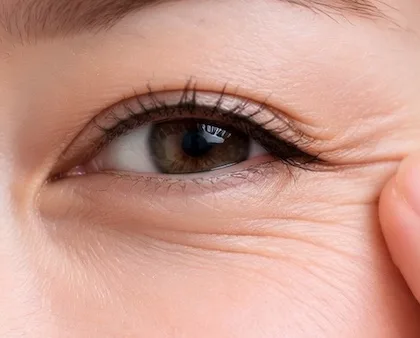
The skin surrounding the human eye is exceptionally delicate, measuring approximately 0.5 mm in thickness—roughly one-third the thickness of facial cheek skin. With minimal subcutaneous adipose tissue and few sebaceous glands, this periorbital zone reflects vascular stagnation and pigment accumulation with startling clarity. Here is how Japanese skincare distinguishes blue circles from brown circles, offering targeted, non-friction rituals to restore vibrant, rested eyes.
The Japanese Under-Eye Diagnostic: Blue vs. Brown Circles
Before choosing eye creams or adjusting your daily habits, determine which biological mechanism is driving your under-eye darkness:
1. Blue Circles (Ao-Guma): Microvascular Congestion
The Biological Mechanism: Caused by poor capillary blood flow and oxygen-depleted venous blood pooling beneath translucent periorbital skin. When deoxygenated hemoglobin accumulates, its dark bluish-purple hue shows through the thin epidermal tissue.
The Japanese Test (Akanbe Check): Gently pull your lower eyelid downward or press the shadowy area lightly with a clean fingertip. If the darkness visibly fades, lightens, or shifts color temporarily when pressure is applied, it is vascular (ao-guma).
Common Triggers: Eye strain from prolonged digital screen use, insufficient sleep, chronic physical fatigue, and cold body constitution (hiesho).
2. Brown Circles (Cha-Guma): Epidermal Pigmentation
The Biological Mechanism: Driven by true melanin hyperpigmentation and post-inflammatory deposition within the basal and dermal layers.
The Japanese Test (Yoko-Hiki Check): Gently pull the skin at the outer corner of your lower eye horizontally outward. If the dark discoloration moves along with the skin and remains clearly visible, it is pigment-driven (cha-guma).
Common Triggers: Vigorous makeup removal, chronic rubbing due to seasonal pollen allergies, persistent eyelid eczema, and cumulative unprotected UV exposure. While orbital microcirculation and collagen density naturally slow with chronological aging over time[1], habitual rubbing accelerates localized melanin synthesis.
Blue vs. Brown Circles: Japanese Care Matrix
Targeting under-eye shadows requires aligning your cosmetic formulation with the underlying physiology:
Scroll horizontally to view more
Parameter
Blue Circles (*Ao-Guma*)
Brown Circles (*Cha-Guma*)
Root Cause
Sluggish microcirculation and vascular pooling
Melanin deposition from friction and UV damage
Visual Behavior
Lightens when skin is pressed or warmed
Remains dark when moved or stretched
Primary Japanese Strategy
Warming compress and circulation-stimulating actives
Zero-friction cleansing and botanical brightening
Key Active Ingredients
Vitamin E (tocopherol), niacinamide, caffeine
Tranexamic acid, arbutin, licorice root extract
Essential Tool or Habit
Heated eye mask (*on-netsu ai-masuku*)
Point makeup remover wand / non-rub cleansing
Targeted J-Beauty Rituals for Each Dark Circle Type
Implement these dedicated steps based on your diagnostic results:
Care for Blue Circles: The Warming Thermal Revival
Warm Towel or Steam Mask: Apply a warmed damp towel (or disposable Japanese steam eye mask) over closed eyelids for 5 to 10 minutes before bed. Gentle thermal stimulation dilates constricted orbital capillaries, encouraging deoxygenated blood to disperse.
The "Feather-Touch" Acupressure: Apply an eye serum rich in tocopherol (vitamin E) or niacinamide. Using only the feather-light pad of your ring finger, gently press three key acupressure points for 3 seconds each:
Seimei (inner corner near the tear duct)
Kyutou (center directly beneath the pupil)
Taiyo (outer temple indent)
Avoid Aggressive Dragging: Never rub or pinch the skin during application; gentle vertical pressing is sufficient to stimulate circulation without stretching collagen fibers.
Care for Brown Circles: The Zero-Friction Shield
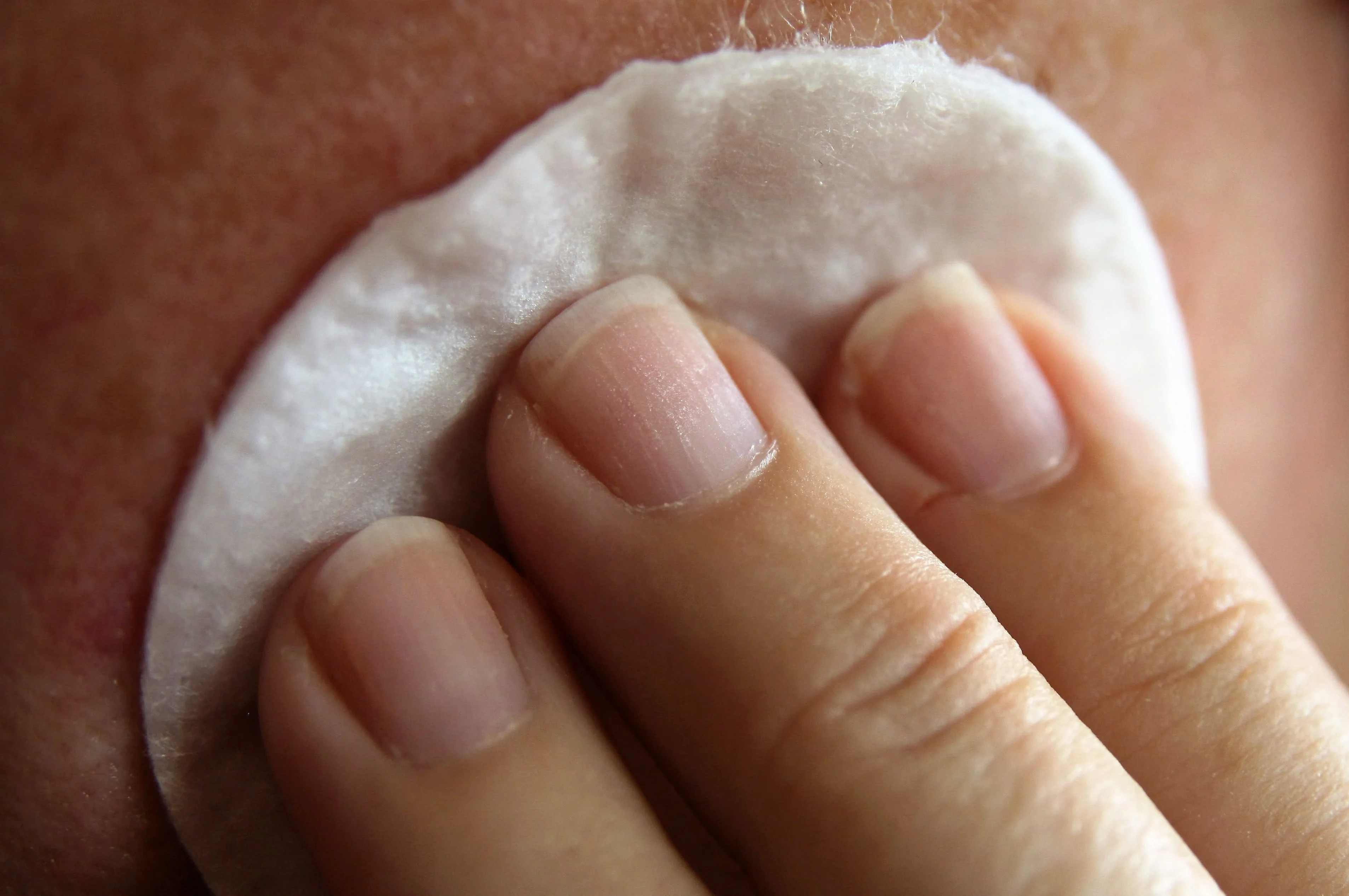
Dissolve Mascara with Point Remover: Never scrub waterproof mascara across your lower eyelids. Saturate a cotton pad with bi-phase Japanese eye makeup remover, hold it against closed lashes for 10 seconds, and wipe gently downward in one smooth stroke.
Apply Botanical Brighteners: Pat a targeted eye cream containing tranexamic acid, licorice extract (glabridin), or vitamin C derivatives twice daily to moderate tyrosinase activity.
Daily Periorbital UV Shield: Melanin synthesis in the lower eyelid is highly sensitive to ambient light. Protecting fragile periorbital tissue with daily morning broad-spectrum sunscreen prevents UV-driven melanin accumulation[2] that deepens brown rings.
Common Habits That Worsen Under-Eye Darkness
Minimizing everyday unconscious friction is the cornerstone of Japanese periorbital care:
1. Rubbing Itchy Eyelids During Allergy Season
When seasonal hay fever causes eye tickling, scratching creates micro-trauma. Note that rubbing delicate under-eye contours forcefully during makeup removal can provoke severe contact irritation[3] and leave persistent post-inflammatory hyperpigmentation.
2. Using Cleansing Wipes Without Cushioning
Dragging dry makeup-removing wipes across the eyes exerts immense shear stress on the 0.5 mm skin. Always ensure cleansing sheets are fully saturated, or switch to rinse-off cleansing oils.
3. Neglecting Blue Light Eye Fatigue
Staring at smartphones in dark rooms causes continuous ciliary muscle contraction, restricting local blood flow around the eyes. Practice the 20-20-20 rule to rest your optical muscles throughout the workday.
Signs to Stop and When to See a Doctor
While cosmetic under-eye care brightens shadows, structural or medical shifts require clinical assessment:
1. Cosmetic Discoloration vs Black/Shadow Circles (Kuro-Guma)
Blue and Brown Circles: Surface vascular or pigment conditions that respond well to topical skincare.
Black/Structural Circles (Kuro-Guma): Shadows created by age-related orbital fat herniation (eye bags) or hollow tear troughs. These structural indentations require cosmetic dermatological procedures (such as hyaluronic acid fillers or surgical fat repositioning) rather than topical creams.
2. When to Seek Medical Evaluation
Consult a licensed medical ophthalmologist or dermatologist if you experience:
Sudden swelling, warmth, or painful throbbing localized to one eye contour.
Vision changes, persistent discharge, or severe itching that does not subside with gentle barrier care.
Deep blue-black bruising without known trauma, which may indicate systemic hematological concerns.
FAQ
Q1. How long does it take to see visible improvement in dark circles?
A. Blue circles improve within days of warming; brown circles require 6 to 8 weeks.(Details)
Because blue circles stem from vascular pooling, thermal compresses and rested sleep yield noticeable revitalization within 48 to 72 hours. In contrast, brown circles involve melanin shedding through cellular turnover, requiring at least one to two complete epidermal cycles (45 to 60 days) of consistent brightening care and sun protection.
Q2. Can I use my regular facial moisturizer around my eyes instead of eye cream?
A. Gentle facial lotions work, but specialized eye creams offer low-migration formulas.(Details)
While basic ceramide emulsions provide safe moisture, specialized Japanese eye creams feature higher viscosity and film-forming polymers designed not to migrate into the tear film or sting sensitive conjunctival membranes during blinking.
Q3. Why do warm compresses help blue under-eye circles so much?
A. Mild heat dilates micro-vessels and flushes sluggish venous blood reserves.(Details)
When moist heat (around 40°C) is placed over the eyes, local capillary beds dilate, accelerating stagnant blood flow and restoring fresh, oxygenated arterial hemoglobin. The pale bluish cast rapidly softens as microcirculation normalizes.
Q4. Does concealer make dark circles worse over time?
A. The concealer itself does not, but harsh rubbing to remove it causes brown circles.(Details)
Wearing high-coverage concealer protects skin from ambient dust. However, scrubbing stubborn pigments off at night with rough cotton pads causes mechanical friction, leading to chronic brown pigment deposition. Always dissolve concealer gently using oil cleansers.
Q5. What is the difference between eye bags and dark circles?
A. Dark circles are surface color changes; eye bags are anatomical fat protrusions.(Details)
Dark circles represent vascular pooling or melanin pigmentation on flat skin. Eye bags are three-dimensional physical protrusions caused by slackening orbital septum tissues that allow intraorbital fat to push forward, casting a shadow below the bulge (*kuro-guma*).
Summary and Key Takeaways
Restoring clarity to under-eye contours requires aligning your care with skin biology:
Diagnose First: Determine whether your circles are vascular blue (ao-guma) or pigmented brown (cha-guma).
Warm Blue Circles: Use thermal eye masks and tocopherol serums to stimulate stagnant microcirculation.
Brighten Brown Circles: Apply tranexamic acid and licorice root extract while strictly avoiding cleansing friction.
Always Protect Daily: Shield fragile eyelid tissue against UV-induced pigment accumulation with morning sunscreen.
Touch with Feather Lightness: Use only the soft pad of the ring finger for all eye care applications.
With thoughtful, gentle care, you can revitalize tired-looking eyes and enjoy a bright, rested expression.
References
The Japanese Dermatological Association. Sunburn Q&A on Photoaging and Biological Alterations in Aging Skin (Q5). https://www.dermatol.or.jp/qa/qa2/q05.html (Accessed 2026-11-24)
The Japanese Dermatological Association. Dermatological Q&A on Sunscreen Application for Long-Term Prevention (Q25). https://www.dermatol.or.jp/qa/qa3/q25.html (Accessed 2026-11-24)
The Japanese Dermatological Association. Dermatological Q&A on Contact Irritation and Scalp Friction Mechanisms (Q1). https://www.dermatol.or.jp/qa/qa4/q01.html (Accessed 2026-11-24)
Disclaimer: This article is for general information and education about Japanese cosmetics and their labels. It is not a substitute for professional medical advice, diagnosis, or treatment. Skincare results vary from person to person. Product formulas, availability, prices, and regulations change, and products sold in Japan can differ from versions sold elsewhere, so always check the current label. Do a patch test before introducing a new product, and consult a doctor or dermatologist if you have a skin condition or specific concerns.