Japanese Feminine Wash Guide: pH Balanced Delicate Care
ConcernsBy Seibun Lab Editorial Team
title: Japanese Feminine Wash Guide: pH Balanced Delicate Care
slug: japanese-delicate-zone-feminine-wash-ph-balanced
category: concerns
category_label: Concerns
published_at: '2026-11-24'
updated_at: '2026-11-24'
meta_description: Discover Japanese feminine intimate washes. Learn how mildly acidic pH 3.8 formulas, amino acid foams, and lactic acid shield delicate mucosal microflora.
description: Discover Japanese feminine intimate washes. Learn how mildly acidic pH 3.8 formulas, amino acid foams, and lactic acid shield delicate mucosal microflora.
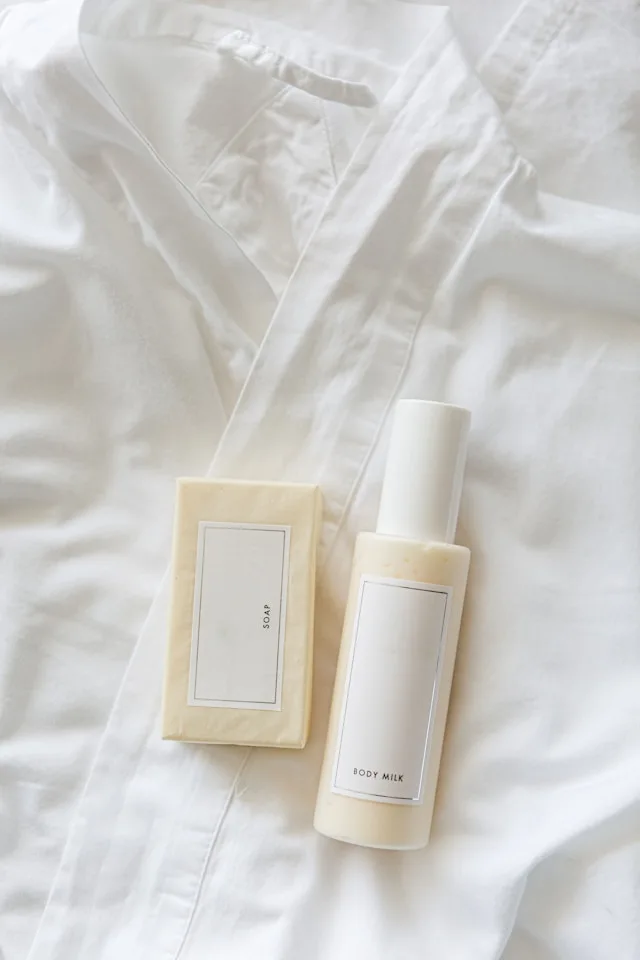
lead_image: /images/stock/minimal-skincare-bottles-gentle-ingredients.webp
lead_image_alt: Japanese pH balanced feminine wash bottles engineered for delicate intimate care
thumbnail: /images/stock/minimal-skincare-bottles-gentle-ingredients.webp
thumbnail_alt: Japanese pH balanced feminine wash bottles engineered for delicate intimate care
author: Editorial Team
publish: true
Japanese Feminine Wash Guide: pH Balanced Delicate Care
In recent years, the concept of femcare (femikyua) has rapidly transitioned from a niche topic into an integral component of mainstream personal wellness in Japan. Japanese women have long practiced meticulous body cleanliness (seiketsukan); however, gynecologists and dermatologists noted that many individuals were washing sensitive intimate tissues with standard alkaline bath bars, causing chronic dryness, stinging discomfort, and recurrent odor.
To address these concerns safely, Japanese cosmetic laboratories developed dedicated delicate zone cleansers (derikeeto zoon wosshu). Engineered with gentle surfactant chemistry and calibrated physiological pH buffers, these washes protect natural bacterial microflora while keeping sensitive areas clean and refreshed.
The Biological Science of Vulvar pH and Microflora
Understanding why conventional body soaps cause intimate irritation requires examining physiological pH chemistry:
The Acidic Moisture Barrier: Normal facial and bodily skin maintains a mildly acidic surface pH between 4.5 and 5.5. In contrast, healthy external intimate mucosal margins maintain an even more acidic mantle, typically ranging between pH 3.8 and 4.5.
Protective Lactobacilli (Doderlein Flora): Beneficial lactic acid bacteria (Lactobacillus species) metabolize cellular glycogen into natural lactic acid, creating an acidic environment that naturally discourages colonization by opportunistic pathogens (such as Candida albicans and anaerobic odor-causing bacteria).
The Alkaline Soap Disruption: Traditional bar soaps and shower gels are alkaline, registering a pH between 9.0 and 10.5. Washing delicate mucosal tissue with alkaline soaps neutralizes the acidic mantle, destroying beneficial lactobacilli and causing temporary barrier breakdown, tightness, and rebound odor.
Key Formulation Pillars of Japanese Delicate Zone Washes
Japanese feminine hygiene products stand out through restrained, evidence-based cosmetic engineering:
1. Bio-Identical Lactic Acid Buffers
Formulations incorporate pure bio-fermented lactic acid to stabilize the cleanser at a precise pH of 3.8 to 4.2. This ensures that contact with running shower water does not compromise the skin's natural acidic defense shield.
2. Ultra-Gentle Amino Acid Foaming Bases
Rather than harsh sulfate detergents (such as SLS or SLES), Japanese washes utilize plant-derived amino acid surfactants (sodium cocoyl glutamate and cocamidopropyl betaine). These mild agents produce a cushiony, fine-bubble foam that lifts sweat and lipid secretions without dissolving mucosal intercellular ceramides.
3. Soothing Traditional Botanicals
To comfort skin stressed by sanitary pads, tight clothing, and friction (mure and masatsu), Japanese formulas blend calming botanical extracts:
How to Cleanse the Delicate Zone: The Japanese Method
To maintain healthy hygiene without causing micro-abrasions, adopt this gentle Japanese cleansing protocol:
Warning: External Cleansing Only
The internal vaginal canal is entirely self-cleansing and must never be douched or washed with soap. Japanese delicate zone cleansers are strictly intended for external vulvar skin (gai-in-bu), the groin folds, and the perianal area. Internal douching washes away vital protective flora and heightens infection risks.
Step 1: Dispense a Soft Foam Cushion
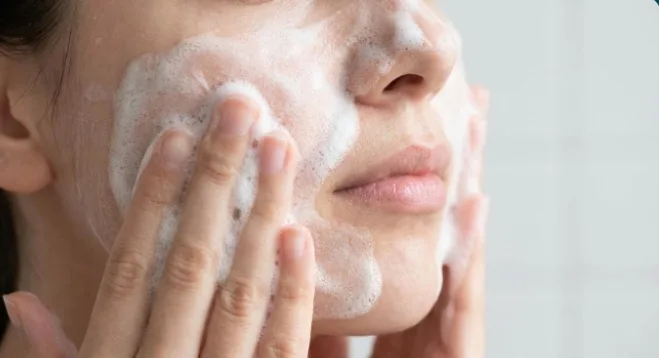
Most Japanese intimate cleansers feature self-foaming pump bottles. Dispense two pumps of rich, dense lather into clean palms. If using a liquid gel, whip it into a light foam with lukewarm water before application.
Step 2: Wash Gently with Palm Pads
Gently smooth the foam across external vulvar folds from front to back using only the soft pads of your fingertips or palms. Never use washcloths, sponges, or loofahs, which harbor bacteria and cause mechanical friction tears.
Step 3: Rinse with Lukewarm Water
Rinse thoroughly using lukewarm shower water (around 36°C to 38°C). Avoid high-pressure shower streams sprayed directly onto sensitive folds, as water jet force can force soap internally and sting.
Step 4: Pat Dry with a Soft Towel
Gently pat the area dry with a clean cotton towel. Avoid rubbing back and forth. Allow a moment to air-dry before putting on breathable cotton underwear.
Remember that physiological mucosal barrier hydration and natural lactic acid defenses gradually decline with chronological aging over time[1].
During warm summer months when wearing swimwear outdoors, remember that consistent morning broad-spectrum sunscreen protection defends delicate bodily skin against ultraviolet radiation damage across all seasons[2].
Signs to Stop and When to See a Doctor
While pH-balanced washes are formulated for sensitive intimate tissue, individual sensitivities can still occur. Furthermore, harsh alkaline soaps or vigorous mechanical scrubbing on delicate intimate skin can trigger acute contact dermatitis in vulnerable individuals[3].
Discontinue product use and consult a gynecologist or dermatologist if you experience:
Persistent stinging, burning, or intense itching that does not resolve after rinsing.
Unusual vaginal discharge (thick white clumpy discharge, greenish-yellow tint, or frothy consistency).
Strong fishy odors (which typically indicate bacterial vaginosis, requiring medical antibiotics rather than cosmetic washes).
Visible blisters, sores, open ulcers, or bleeding along external folds.
Never attempt to manage active gynecological infections using over-the-counter cosmetic washes.
FAQ
Q1. Can I use a Japanese delicate zone wash every day?
A. Yes, once-daily external cleansing during your regular shower is completely safe and beneficial.(Details)
Because these washes are buffered to pH 3.8–4.5 and utilize mild amino acid surfactants, daily external washing cleanses sweat and sebum without stripping the protective acid mantle or causing dryness.
Q2. Does feminine wash resolve natural odor completely?
A. It gently removes external sweat and lipid buildup while respecting normal, healthy physiological scents.(Details)
Healthy intimate skin naturally possesses a mild, clean biological scent. Japanese washes prevent unpleasant odor caused by stale sweat and bacteria trapped in underwear, but they do not attempt to replace natural scents with heavy artificial perfumes.
Q3. Can I use regular baby body wash on the delicate zone?
A. Baby washes are gentle but are typically buffered around pH 5.5 to 6.5, which is higher than vulvar pH.(Details)
While baby body washes avoid harsh detergents, they are calibrated for infant skin (pH 5.5–6.0). A specialized feminine wash at pH 3.8–4.2 provides a more accurate match for the adult acidic intimate environment.
Q4. Are Japanese feminine washes safe during menstruation?
A. Yes, they are especially comforting during periods to cleanse dried blood and prevent chafing.(Details)
Menstrual blood has a neutral pH around 7.4, which temporarily elevates external intimate pH. Using a mildly acidic wash helps cleanse dried fluids gently and restore the protective surface mantle while soothing pad friction.
Q5. Can I use a delicate zone wash to shave the bikini line?
A. Yes, the dense amino acid foam provides a low-friction gliding cushion for gentle hair trimming.(Details)
Self-foaming intimate cleansers create an emollient buffer that protects sensitive bikini margins from razor drag, helping prevent ingrown hairs and post-shaving irritation without stinging.
Summary and Key Takeaways
Japanese feminine washes provide respectful, scientifically validated care for delicate intimate skin:
Match the Acid Mantle: Select washes formulated at pH 3.8 to 4.5 to protect beneficial Doderlein lactobacilli.
External Cleansing Only: Wash only outer folds with your fingertips; never douche or wash internal canals.
Embrace Palm Cushioning: Avoid rough washcloths or harsh scrubbing tools to protect fragile mucosal margins from friction tears.
References
The Japanese Dermatological Association. Dermatological Q&A on Skin Aging and Physiological Alterations (Q5). https://www.dermatol.or.jp/qa/qa2/q05.html (Accessed 2026-11-24)
The Japanese Dermatological Association. Dermatological Q&A on Sunscreen Guidelines for Preventive Care (Q25). https://www.dermatol.or.jp/qa/qa3/q25.html (Accessed 2026-11-24)
Disclaimer: This article is for general information and education about Japanese cosmetics and their labels. It is not a substitute for professional medical advice, diagnosis, or treatment. Skincare results vary from person to person. Product formulas, availability, prices, and regulations change, and products sold in Japan can differ from versions sold elsewhere, so always check the current label. Do a patch test before introducing a new product, and consult a doctor or dermatologist if you have a skin condition or specific concerns.