title: Japanese Elbow and Knee Brightening Scrub Guide
slug: japanese-elbow-and-knee-brightening-scrub
category: concerns
category_label: Concerns
published_at: '2026-11-24'
updated_at: '2026-11-24'
meta_description: Brighten dark elbows and knees with Japanese body scrubs. Learn how round salt grains, urea, and ceramides smooth rough texture without friction damage.
description: Brighten dark elbows and knees with Japanese body scrubs. Learn how round salt grains, urea, and ceramides smooth rough texture without friction damage.
lead_image: /images/stock/body-cream-arm-application-retinol.webp
lead_image_alt: Applying gentle Japanese exfoliating cream to elbow and arm for smooth skin texture
thumbnail: /images/stock/body-cream-arm-application-retinol.webp
thumbnail_alt: Applying gentle Japanese exfoliating cream to elbow and arm for smooth skin texture
author: Editorial Team
publish: true
Japanese Elbow and Knee Brightening Scrub Guide
Darkened, rough patches across the elbows and knees are among the most persistent body concerns. Many people attempt to scrape these darkened zones away using harsh pumice stones, coarse walnut scrubs, or stiff body brushes. Unfortunately, aggressive scrubbing triggers a reactive defense cascade: in response to mechanical trauma, the skin accelerates keratinocyte production, causing the stratum corneum to become even thicker, darker, and rougher (friction melanosis).
In Japan, body conditioning philosophy rejects brute force abrasion. Japanese body care formulators approach joint darkening as an issue of keratolytic softening and barrier hydration. By combining spherical mineral polishers with deeply moisturizing plant emollients, Japanese scrubs dissolve excess dead cells while protecting vulnerable joints.
The Biological Causes of Dark Elbows and Knees
To effectively clarify joint skin, one must understand the unique mechanical and physiological dynamics at play:
Repetitive Pressure and Friction (Masatsu): Resting elbows on office desks, leaning on knees while playing with children or doing yoga, and wearing tight jeans or rough sleeves subject joints to continuous mechanical shearing.
Defensive Hyperkeratosis (Kakushitsu Hida): Unlike the face, elbows and knees stretch and bend thousands of times per day. To prevent underlying tissues from tearing, the skin builds a dense, multi-layered cushion of dead keratin cells. These thick, compacted layers reflect light poorly, casting dull grayish-brown shadows.
Low Natural Sebaceous Output: Joint skin contains virtually no sebaceous glands. Without an endogenous lipid film to lock in water, the thick stratum corneum dehydrates rapidly, leading to characteristic "elephant skin" roughness and cracking.
The Chemistry of Japanese Joint Polishing Scrubs
Japanese body exfoliators differ markedly from rough Western scrubs through three core technical innovations:
1. Thermal Melting Mineral Gels (Onkan Manan Sukurabu)
Many Japanese elbow scrubs feature thermal warming gels formulated with glycerin and fine marine salt or botanical konjac beads (glucomannan). As you massage the gel over damp elbows, it generates a gentle thermal warmth that softens hardened surface wax and keratin plugs, allowing rounded polishing grains to lift flakes without scratching live tissue.
2. Urea and Mild Keratolytics (Nyouso Haigou)
Rather than relying purely on manual friction, Japanese quasi-drug body treatments incorporate medical-grade urea (typically 10% to 20%) or gentle fermented fruit AHAs. Urea functions as both a keratolytic agent and a potent humectant; it gently breaks hydrogen bonds in rigid keratin proteins, allowing dead cells to shed naturally while pulling atmospheric moisture deep into the joint matrix.
3. Lipid Cushioning Emulsions
Japanese scrubs suspend exfoliating granules inside rich botanical lipid bases containing squalane, camellia oil, and horse fat or rice bran lipids. As granules melt away under warm shower water, the lipid phase remains behind, sealing the newly revealed skin in a protective moisture barrier.
Scroll horizontally to view more
Exfoliation Type
Primary Active Agent
Action Mechanism
Skin Feel & Safety
Japanese Melting Salt/Konjac
Spherical mineral salt & glucomannan
Thermal softening + gentle friction roll
Cushioned glide, dissolves with water
Urea Keratolytic Cream
10% to 20% Medical-grade urea
Breaks rigid keratin bonds chemically
Zero friction, intensely hydrates
Traditional Pumice Stone
Volcanic rock porous abrasive
Mechanical scraping and grinding
Severe risk of micro-tears & rebound thickening
Crushed Nut Shell Scrubs
Jagged walnut or apricot pit shards
Coarse physical shearing
Frequent cause of capillary redness
How to Care for Elbows and Knees: The Japanese Protocol
To achieve lasting softness and visible clarity without triggering rebound hyperkeratosis, adopt this authentic Japanese body ritual:
Step 1: Pre-Soak in a Warm Bath
Never apply exfoliating scrubs to cold, dry joint skin. Soak in a warm bath (around 38°C to 40°C) for at least 10 minutes, or hold a warm, damp washcloth against your elbows and knees. Warm water hydrates and plumps rigid keratin, making it receptive to gentle sloughing.
Step 2: Use Circular Fingertip Pressure Only
Scoop a cherry-sized portion of scrub onto the pads of your fingertips. Bend your elbow or knee slightly to stretch the joint skin taut, and massage in small, gentle circles for 30 to 60 seconds. Let the granules glide across the skin cushion; never press down hard.
Step 3: Rinse with Lukewarm Water
Rinse the scrub completely away with lukewarm water. Notice how the botanical oils leave skin feeling velvety rather than stripped or squeaky clean.
Step 4: Immediately Seal with Ceramide Cream
Within three minutes of stepping out of the shower, massage a generous layer of urea cream, horse oil balm, or ceramide body milk directly into the elbows and knees to prevent rapid moisture loss.
Remember that physiological epidermal lipid renewal and natural barrier hydration gradually diminish with chronological aging over time[1].
When wearing shorts or short-sleeved shirts outdoors, remember that consistent morning broad-spectrum sunscreen protection defends delicate bodily skin against ultraviolet radiation damage across all seasons[2].
Signs to Stop and When to See a Doctor
While gentle joint exfoliation clarifies rough texture, excessive zeal can damage epidermal structures. Furthermore, harsh mechanical scrubbing with sharp abrasives or excessive pressure can trigger acute contact dermatitis in vulnerable individuals[3].
Cease scrub usage and seek medical advice from a dermatologist if you observe:
Stinging, burning, or raw red patches that persist long after showering.
Cracking, bleeding fissures, or weeping sores on the elbow tips or knee caps.
Velvety, hyperpigmented plaques with a distinct corrugated texture in skin folds, which may indicate acanthosis nigricans (a metabolic marker requiring internal physician evaluation).
Psoriatic plaques (thick silvery scales over intensely red skin), which must never be physically scrubbed.
Limit scrub usage to once or twice per week; daily physical exfoliation on joint skin will inevitably induce protective rebound thickening.
FAQ
Q1. How long does it take to see visible brightening on dark elbows?
A. Textural softness appears immediately, while tonal brightening takes four to eight weeks.(Details)
Surface roughness softens after the very first application because dead squames are lifted. However, clearing deep friction hyperpigmentation requires a full epidermal turnover cycle—typically 28 to 45 days of consistent gentle exfoliation, daily moisturization, and mindful friction avoidance.
Q2. Can I use a facial chemical peeling toner on my elbows and knees?
A. Yes, wiping joints with gentle AHA/BHA facial toners is an excellent zero-friction brightening habit.(Details)
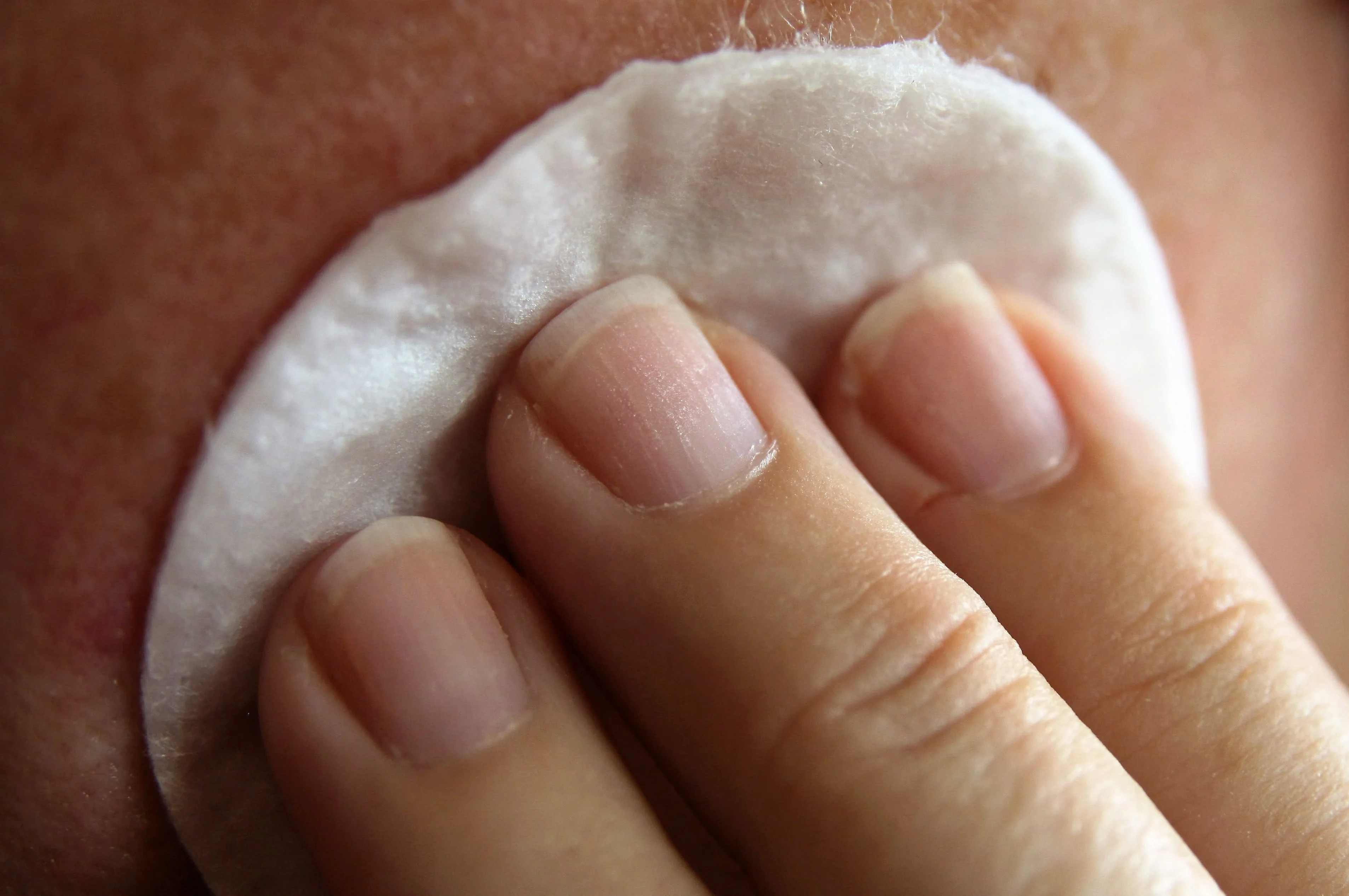
Drenching a cotton pad with a gentle exfoliating toner (like glycolic or lactic acid) and sweeping it over elbows after showering softens stubborn keratin without any physical friction, making it an ideal companion to weekly scrubs.
Q3. Why do my knees turn dark even though I scrub them regularly?
A. Over-scrubbing itself is often the primary reason knees remain dark, as skin thickens to defend against abrasion.(Details)
When you scrub knees aggressively, the body perceives the abrasion as physical trauma and produces more melanin and keratin to protect the underlying joint. Switch to gentle chemical softeners (urea) and feather-light massages once weekly to break this cycle.
Q4. Does moisturizing alone help lighten dark knees?
A. Yes, proper hydration normalizes cell turnover and plumps dry valleys, making joints look brighter.(Details)
Dehydrated stratum corneum cells shrink and appear dark and ashen. Simply applying a rich ceramide or urea cream every morning and evening restores natural light transmission, visibly reducing darkness even without aggressive scrubbing.
Q5. Can I use body scrubs on sunburned or peeling joint skin?
A. No, never scrub sun-stressed or peeling skin; focus strictly on soothing hydration.(Details)
Sunburned or peeling skin has a severely compromised barrier. Scrubbing causes micro-tears, severe irritation, and long-lasting post-inflammatory hyperpigmentation. Wait until the sun-stressed barrier has fully recovered before resuming gentle exfoliation.
Summary and Key Takeaways
Japanese elbow and knee care replaces aggressive grinding with mindful, lipid-supported softening:
Softening Over Scraping: Prioritize round konjac beads, melting salt gels, and urea over jagged pumice stones or harsh brushes.
Pre-Soak First: Always warm and hydrate joints in the bath before exfoliating to ensure dead cells shed effortlessly.
Moisturize Nightly: Seal freshly polished joint skin with a rich ceramide or urea cream to prevent defensive rebound thickening.
References
The Japanese Dermatological Association. Dermatological Q&A on Skin Aging and Physiological Alterations (Q5). https://www.dermatol.or.jp/qa/qa2/q05.html (Accessed 2026-11-24)
The Japanese Dermatological Association. Dermatological Q&A on Sunscreen Guidelines for Preventive Care (Q25). https://www.dermatol.or.jp/qa/qa3/q25.html (Accessed 2026-11-24)
Disclaimer: This article is for general information and education about Japanese cosmetics and their labels. It is not a substitute for professional medical advice, diagnosis, or treatment. Skincare results vary from person to person. Product formulas, availability, prices, and regulations change, and products sold in Japan can differ from versions sold elsewhere, so always check the current label. Do a patch test before introducing a new product, and consult a doctor or dermatologist if you have a skin condition or specific concerns.