Japanese Skincare Routine for Hormonal Adult Acne Guide
ConcernsBy Miho Tanaka
title: Japanese Skincare Routine for Hormonal Adult Acne Guide
meta_description: Discover the gentle Japanese approach to hormonal adult acne. Learn non-stripping cleansing, soothing quasi-drugs, light hydration, and doctor care.
published_at: 2026-11-19
updated_at: 2026-11-19
fact_checked_at: 2026-11-19
author: Miho Tanaka
thumbnail: /images/stock/woman-checking-nose-pores-in-bathroom-mirror.webp
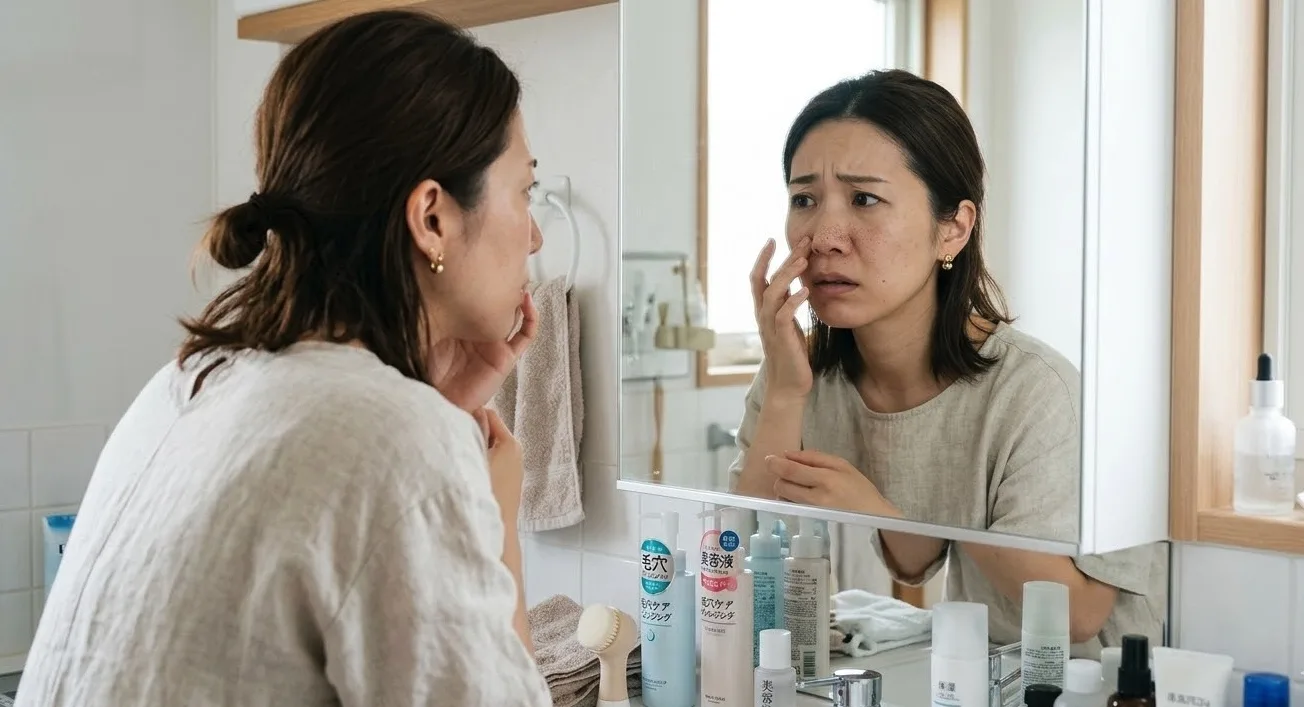
thumbnail_alt: Woman inspecting facial skin and jawline in bathroom mirror while managing adult hormonal blemishes
affiliate: false
ja_equivalent: null
publish: false
Japanese Skincare Routine for Hormonal Adult Acne Guide
Waking up to painful, inflamed bumps clustered along the jawline and chin is a frustrating experience shared by millions of adults. While adolescent breakouts are primarily driven by teenage sebum surges, adult hormonal breakouts—known in Japan as otona nikibi—stem from complex interactions between stress, monthly endocrine shifts, and a compromised moisture barrier. Western regimens frequently attempt to blast these breakouts with harsh drying agents, high-percentage acids, and aggressive astringents. In contrast, Japanese skincare focuses on barrier preservation: calming irritation, balancing surface hydration, and preventing pores from clogging due to dry, hardened keratin.
Quick answer:
How does a Japanese skincare routine manage hormonal adult acne?
Rather than drying out the complexion with harsh stripping agents, Japanese routines for adult hormonal blemishes prioritize **barrier-cushioning care**. This involves **low-friction cleansing**, soothing quasi-drug (*iyakubugaihin*) actives like **dipotassium glycyrrhizate and tranexamic acid** to calm redness, **oil-free watery hydration**, and lightweight emulsions. By keeping the stratum corneum flexible and hydrated, pores avoid becoming blocked by dry keratin flakes, helping stabilize the skin environment against monthly flare-ups.
Adult hormonal blemishes require a barrier-first approach rather than aggressive drying treatments.
Adult Acne vs Teenage Acne: The Japanese Biological View
Conclusion: Adult hormonal breakouts stem from endocrine shifts and compromised barrier turnover along the U-zone, demanding soothing hydration over harsh oil-stripping.
Understanding the biological differences between adolescent and adult blemishes is essential for choosing the right skincare strategy:
Scroll horizontally to view the full comparison.
Factor
Adolescent Acne (*Shishunki Nikibi*)
Adult Hormonal Acne (*Otona Nikibi*)
Primary Location
T-zone (forehead, nose, upper cheeks)
U-zone (jawline, chin, lower cheeks, neck)
Root Mechanism
High androgen surges causing massive oil production
The 4-Step Japanese Routine for Hormonal Blemishes
Conclusion: A 4-step routine of friction-free cleansing, soothing quasi-drug lotion, light water-based hydration, and barrier emulsion stabilizes stressed skin.
When managing monthly adult breakouts, Japanese dermatologists advocate a calming routine designed to maintain barrier equilibrium without clogging pores:
Step 1: Gentle, Low-Friction Cleansing
Adult blemish-prone skin cannot withstand heavy rubbing. Use a gentle cleansing oil formulated with non-comedogenic plant lipids to melt away makeup, followed by a dense, bouncy micro-foam cleanser (senganryo). The foam cushions your fingers so they never physically scrape against tender inflamed papules.
Step 2: Soothing Quasi-Drug Lotion (Keshosui)
Saturate clean skin with a soothing Japanese medicated lotion. Look for certified quasi-drug formulas featuring dipotassium glycyrrhizate (kanzo derivative) to quell surface heat and allantoin to support epithelial smoothing. Lightly press the watery fluid into the skin using clean palms.
Step 3: Lightweight Targeted Hydration
Many adults make the mistake of skipping moisturizer completely, which prompts the sebaceous glands to overcompensate with reactive sebum. Instead, apply a breathable, oil-free serum containing hyaluronic acid, trehalose, or niacinamide to sustain internal cellular hydration.
Step 4: Non-Greasy Barrier Emulsion (Nyueki)
Seal in water with a fluid, milky emulsion packed with pseudo-ceramides or fermented rice extracts. This lightweight lipid veil prevents transepidermal water loss (TEWL) and keeps outer pore margins supple, stopping dry dead skin cells from collapsing inward to create plugs.
Japanese Quasi-Drug Ingredients for Calming Blemishes
Conclusion: Certified quasi-drugs like dipotassium glycyrrhizate, tranexamic acid, and hatomugi calm localized redness without causing dryness or peeling.
In Japan, skincare products that effectively address skin roughness and blemishes without a prescription are regulated as quasi-drugs (iyakubugaihin). Common soothing actives include:
Dipotassium Glycyrrhizate (Glicirrhizin-san 2K): Extracted from licorice root, this time-tested botanical salt soothes cutaneous flushing and dampens localized skin distress without causing dryness.
Tranexamic Acid: While renowned for brightening post-blemish marks, this amino acid derivative also calms localized inflammatory signaling around congested follicles.
Allantoin: A soothing compound that supports keratin hydration, softening the rough crusts of recovering blemishes and aiding epidermal comfort.
Hatomugi (Job's Tears Extract): A traditional herbal extract rich in coixenolide that clarifies troubled skin, refines pore appearance, and balances moisture.
Maintaining deep stratum corneum hydration prevents dry dead cells from collapsing into pore plugs.
Crucial Daily Precautions: Cleansing and Sun Protection
Conclusion: Avoid abrasive scrubbing, rinse exclusively with lukewarm water, and shield daily with broad-spectrum SPF 30+ / PA++++ sunscreen to prevent dark marks.
Aggressive scrubbing and ultraviolet exposure are two primary accelerators of adult hormonal acne and post-inflammatory dark marks. Follow these board-certified dermatologist rules:
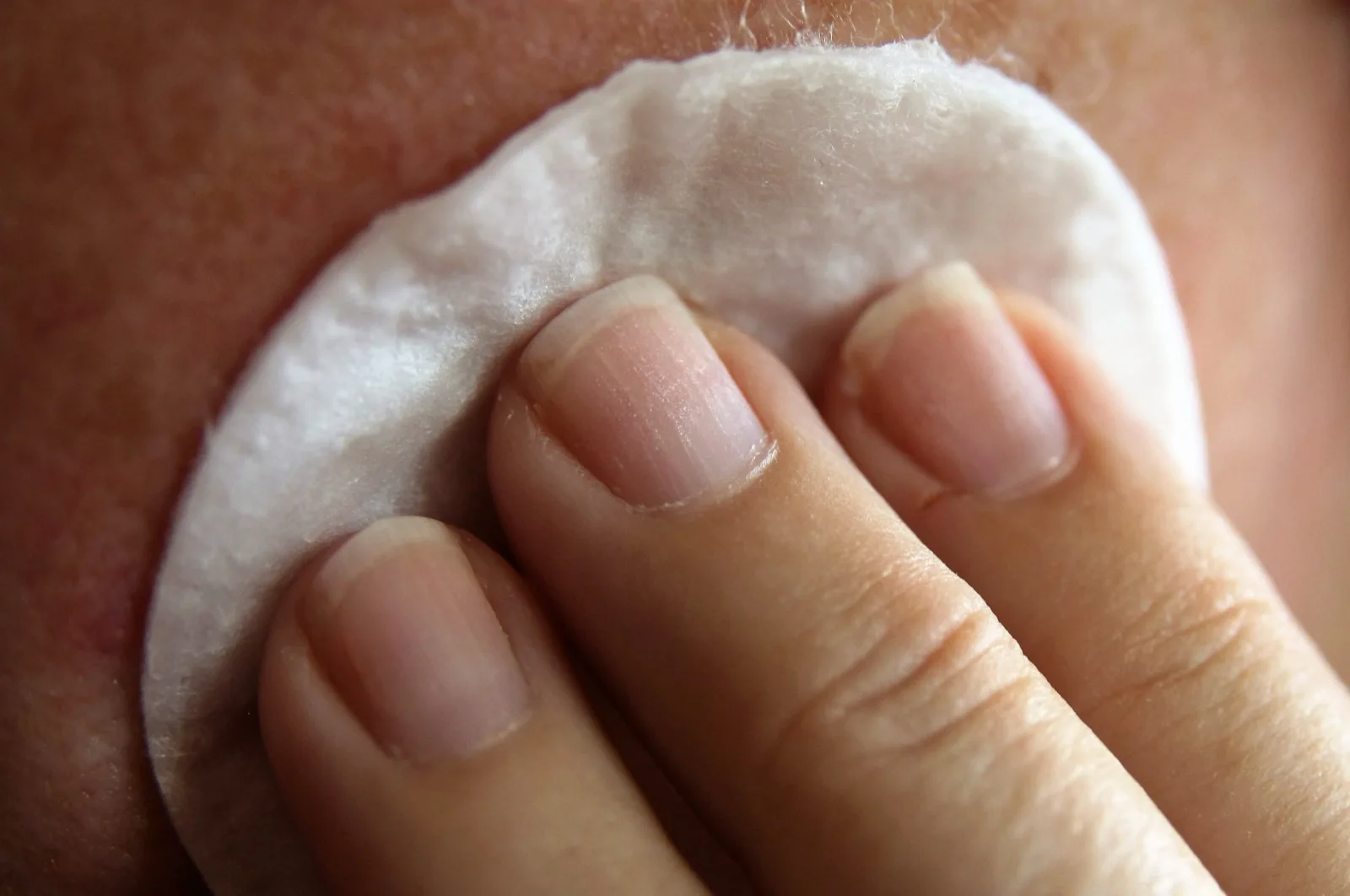
Avoid Aggressive Scrubbing: When washing away evening skincare or makeup, harsh friction easily traumatizes skin. Dermatologists advise using a gentle, non-abrasive cleanser that does not contain alcohol to protect skin health.[1] It is recommended practice to wet your face with lukewarm water and use your fingertips to apply cleanser without friction.[1]
Gentle Cleansing Discipline: Skin experts advise that individuals resist the temptation to scrub your skin because scrubbing irritates the skin.[1] In addition, when cleansing the face, dermatologists remind us: while washing, resist the temptation to scrub your skin, even to remove makeup.[2] Physical abrasion is counterproductive because scrubbing irritates your skin, which can make it look worse.[2]
Lukewarm Rinsing: After washing, always rinse with lukewarm water and pat dry with a soft towel to prevent irritation.[1] Board-certified dermatologists recommend that people limit washing to twice a day and after sweating.[1]
Mandatory Daily Sunscreen: Ultraviolet exposure causes sebum oxidation, turning benign surface lipids into pore-clogging squalene peroxides. Board-certified dermatologists advise consumers: choose a sunscreen that has an SPF of 30 or higher, is water resistant, and provides broad-spectrum (UVA and UVB rays) coverage.[3] Dermatologists emphasize that to remain protected when outdoors, reapply sunscreen every two hours, and immediately after swimming or sweating.[3]
A consistent, soothing Japanese routine supports long-term skin barrier balance and lasting comfort.
Signs to Stop and When to See a Doctor
Conclusion: Consult a board-certified dermatologist for cystic nodules or signs of hormonal disorders, as topical cosmetics cannot replace medical therapies.
Topical skincare products support barrier comfort and prevent environmental roughness, but cosmetics cannot regulate underlying endocrine hormones. Schedule an evaluation with a board-certified dermatologist or healthcare provider if you experience:
Deep, painful nodules or cysts under the skin that do not come to a surface head.
Breakouts that worsen progressively alongside menstrual irregularities, sudden hirsutism, or rapid weight fluctuations (potential signs of polycystic ovary syndrome or endocrine imbalance).
Widespread allergic contact reactions, severe swelling, weeping sores, or intense peeling from topical products.
Deep scarring (ice-pick, boxcar, or keloid marks) developing after blemishes resolve.
Prescription systemic therapies, such as oral spironolactone, low-dose retinoids, or prescription topical medications, require medical supervision and cannot be replaced by over-the-counter cosmetics.
FAQ
Q1. Why does my adult acne get worse right before my menstrual cycle?
Q1. Why does my adult acne get worse right before my menstrual cycle?(Details)
During the luteal phase (the week prior to menstruation), estrogen levels plunge while progesterone and relative androgen activity peak. This hormonal shift stimulates sebaceous gland activity and thickens pore lining keratin, making pores especially prone to sudden blockages along the jawline.
Q2. Should I skip moisturizer if I have oily hormonal breakouts?
Q2. Should I skip moisturizer if I have oily hormonal breakouts?(Details)
No. Skipping moisturizer dehydrates the stratum corneum, causing surface cells to harden into tight plugs and prompting sebaceous glands to produce compensatory oil. Instead of skipping hydration, switch to a lightweight, oil-free gel or non-comedogenic milky emulsion.
Q3. Can Japanese skincare resolve hormonal adult acne on its own?
Q3. Can Japanese skincare resolve hormonal adult acne on its own?(Details)
No cosmetic or quasi-drug product can replace medical care for internal hormonal conditions. Japanese skincare helps stabilize the skin environment, calm surface redness, and keep pore openings soft and hydrated, reducing external triggers while you manage internal health with your doctor.
Q4. Are Japanese sunscreen formulas safe for acne-prone skin?
Q4. Are Japanese sunscreen formulas safe for acne-prone skin?(Details)
Yes. Japanese sunscreens are globally renowned for their ultra-light watery textures (*aqua gel* and *watery essence*) that absorb without greasy residue. Look for non-comedogenic tested labels and formulas free from heavy mineral waxes to avoid clogging pores.
Q5. How do I prevent dark marks after a blemish clears?
Q5. How do I prevent dark marks after a blemish clears?(Details)
Post-inflammatory hyperpigmentation (PIH) occurs when UV light hits recovering tissue. Protect blemishes daily with broad-spectrum SPF 50+ sunscreen, incorporate soothing quasi-drug tranexamic acid to calm melanocyte signaling, and never squeeze or pick at active papules.
Summary
Adult Acne Is Unique: Adult hormonal breakouts (otona nikibi) concentrate along the U-zone and jawline, fueled by endocrine fluctuations and dry barrier dysfunction.
Avoid Over-Drying: Harsh astringents dehydrate the surface barrier, causing dead skin to harden over pores. Gentle hydration prevents keratin clogging.
Soothing Quasi-Drugs: Incorporate gentle Japanese actives like dipotassium glycyrrhizate and tranexamic acid to calm localized redness and irritation.
Lightweight Hydration: Rely on multi-layer watery lotions and non-comedogenic milky emulsions to sustain deep cellular moisture without oiliness.
Seek Medical Care: Topical skincare cannot regulate internal hormones. Consult a dermatologist or doctor for persistent, cystic, or painful breakouts.
Disclaimer: This article is for general information and education about Japanese cosmetics and their labels. It is not a substitute for professional medical advice, diagnosis, or treatment. Skincare results vary from person to person. Product formulas, availability, prices, and regulations change, and products sold in Japan can differ from versions sold elsewhere, so always check the current label. Do a patch test before introducing a new product, and consult a doctor or dermatologist if you have a skin condition or specific concerns.