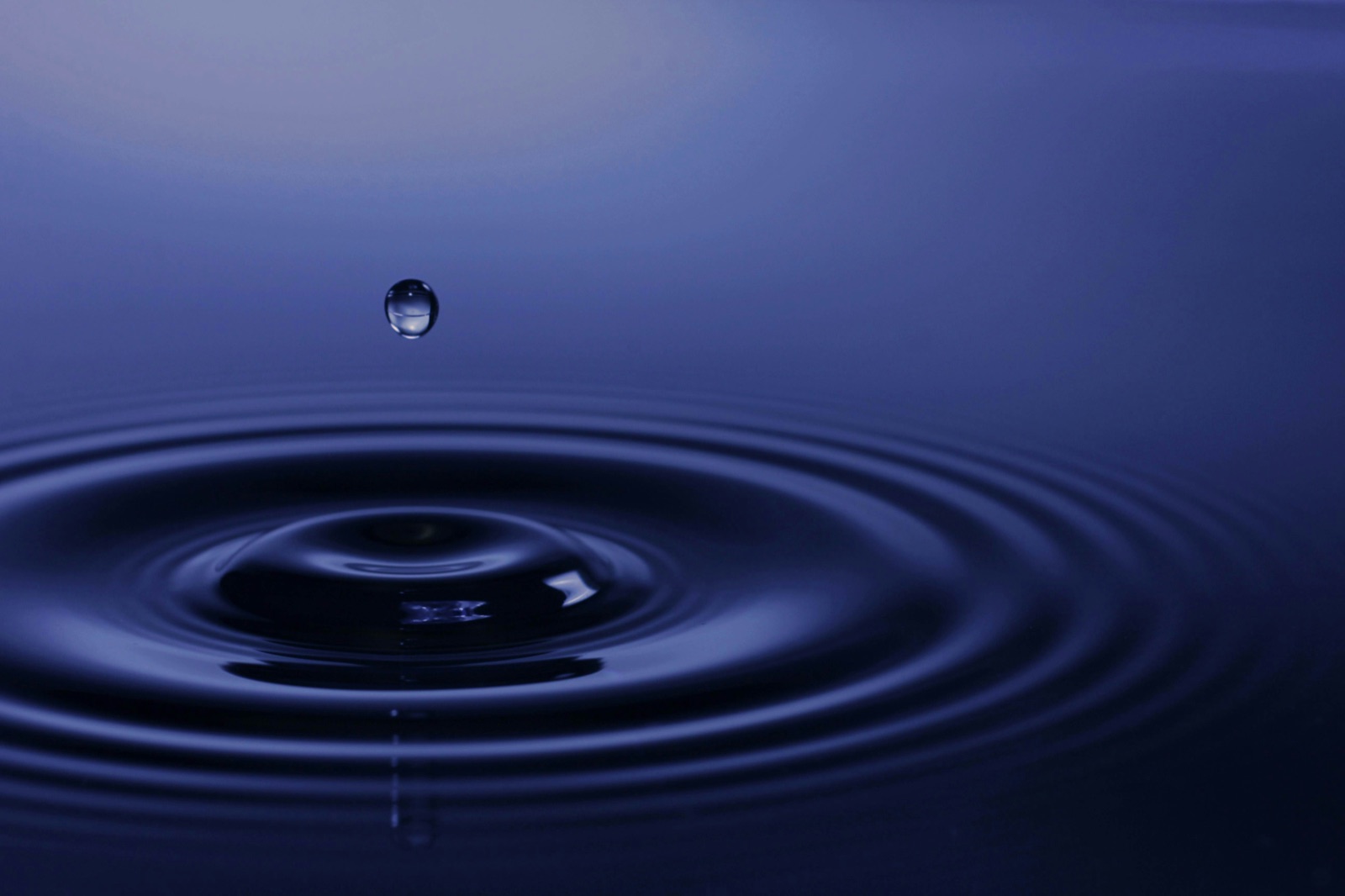
title: Low-Irritation Skincare for Compromised Skin Barriers slug: low-irritation-skincare-for-compromised-skin-barriers category: concerns meta_description: Learn how Japanese low-irritation skincare aids compromised skin barriers. Discover sting-free formulations, physiological pH, and minimalist routines. date: 2026-11-19 author: Editorial Team hero_image: /images/stock/skin-barrier-hydration-water-droplet.jpg hero_alt: Water droplet resting gently on a protective moisture barrier surface
Low-Irritation Skincare for Compromised Skin Barriers
When your skin barrier is compromised, standard moisturizers often trigger intense stinging and redness. Japanese low-irritation skincare (*teishigeki sekkei*) addresses this vulnerability by formulating at physiological pH (around 5.5), matching natural osmotic pressure, and stripping out known sensitizers such as alcohol, artificial fragrances, and harsh surfactants. By delivering bio-compatible ceramides and soothing quasi-drug agents like dipotassium glycyrrhizate, these minimalist formulas replenish depleted moisture buffers without overwhelming hyper-reactive nerve endings.
Anyone who has experienced a sudden barrier breakdown knows the frustrating cycle: the skin feels parched and tight, yet applying even basic hydrating lotions triggers sharp burning sensations. In Japanese dermatological culture, this transient state is referred to as yuragi-hada (fluctuating or unsteady skin)—a condition where seasonal shifts, pollen, dry air, or over-exfoliation temporarily strip the surface barrier.
When skin becomes sensitized the barrier breaks down within the stratum corneum, the outermost layer of the epidermis[1]. In response, Japanese cosmetic science has developed a dedicated category of low-irritation care (teishigeki) formulated under strict hospital-grade standards to soothe reactive skin back into balance.
1. Why Compromised Skin Stings: The Biology of Barrier Depletion
To understand why mindful formulation design matters, consider what happens physically beneath a depleted barrier:
Micro-Fissures in the Intercellular Lipid Matrix
Healthy corneocytes are surrounded by an organized lamellar structure composed of ceramides, cholesterol, and free fatty acids. When environmental aggressors or strong active ingredients strip these lipids, microscopic gaps emerge between surface cells. Japanese barrier formulations replenish intercellular gaps using ceramides, an essential family of waxy lipid molecules[2], restoring physical cohesion to prevent moisture loss.
Exposed Sensory Nerve Fibers
Underneath a weakened stratum corneum, sensory C-fibers extend closer to the surface. When a lotion containing high alcohol, concentrated fragrance, or mismatched preservatives enters these micro-gaps, it directly stimulates exposed nerve receptors, producing immediate stinging and localized heat.

Neurogenic Inflammation
The activation of nerve endings triggers the release of substance P and calcitonin gene-related peptides, dilating surface capillaries and causing persistent facial flushing. To calm irritated nerve endings formulas incorporate allantoin, a chemical compound with formula C4H6N4O3[3], which supports comfortable cellular turnover without harsh chemical peeling.
2. The Core Pillars of Japanese Low-Irritation Design (Teishigeki Sekkei)
Japanese low-irritation products are not simply standard formulas with fragrance removed. They are constructed from the ground up using specialized pharmaceutical guidelines:
1. Isotonic Osmotic Pressure Balance
Sting-free lotions maintain balanced osmotic pressure, the minimum pressure which needs to be applied to a solution[4] to prevent fluid movement across a semipermeable membrane. If a skincare lotion has an osmotic pressure drastically higher or lower than human cellular fluids, water rushes rapidly across exposed cell membranes, provoking immediate nerve stinging. Japanese chemists adjust electrolyte ratios to ensure formulations match physiological fluid pressure.
2. Physiological Weakly Acidic pH (pH 5.0 to 5.5)
The skin's natural acid mantle supports beneficial microflora while discouraging pathogenic bacterial overgrowth. Low-irritation Japanese cleansers and lotions maintain a stable weakly acidic pH to prevent swelling the keratin matrix during washing.
3. Rigorous Allergy and Stinging Testing
In Japan, claims of "low irritation" require concrete clinical verification:
- Patch testing: 24- to 48-hour occlusive patch tests on human subjects.
- Stinging testing: Applied specifically to individuals with self-reported sensitive skin to evaluate immediate sensory discomfort (burning, prickling).
- Testing not to clog pores: Verifying formulas do not induce micro-comedones.
Sensitive skincare protects the epidermis is the outermost of the three major layers that constitute the skin[5], creating a gentle shield that lets natural renewal proceed uninterrupted.
3. Comparing Standard Skincare vs. Japanese Low-Irritation Formulations
To understand the difference in daily practice, compare how conventional products contrast with low-irritation Japanese alternatives:
Scroll horizontally to view full table
| Formulation Factor | Standard Commercial Skincare | Japanese Low-Irritation Care (*Teishigeki*) |
|---|---|---|
| Target Skin State | Normal, resilient, non-reactive skin | Compromised, reactive, stinging, or peeling skin |
| Solvent Selection | Standard glycols, possible ethanol for slip | High-purity 1,3-butylene glycol, zero ethanol |
| Surfactant System | Sulfates or high-foaming amphoterics | Weakly acidic amino acid-based surfactants |
| Fragrance & Dyes | Synthetic perfumes, essential oils, colorants | 100% fragrance-free, dye-free, essential-oil-free |
| Soothing Actives | Variable plant extracts, low percentages | Quasi-drug approved glycyrrhizate or allantoin |
| Texture Experience | Complex slip, fragrance payoff, cooling finish | Cushioned, non-sticky, completely neutral feel |