title: "Skin Purging vs Breakout: Japanese Skincare Guide"
h1: "Skin Purging vs Breakout: Japanese Skincare Guide"
meta_description: "Learn how to distinguish skin purging from adverse breakouts in Japanese skincare, evaluate skin barrier health, and identify key ingredient reactions."
category: "concerns"
date: "2026-11-19"
author: "Seibun Lab Editorial Team"
layout: "article"
hero_image: "/images/stock/cream-on-back-of-hand-patch-test.jpg"
images:
hero: "/images/stock/cream-on-back-of-hand-patch-test.jpg"
image_1: "/images/stock/amber-dropper-serum-bottle-white-background.jpg"
image_2: "/images/stock/cream-tube-and-smooth-texture.jpg"
image_3: "/images/stock/dermatologist-vs-chemist-mirror-reflection-care.jpg"
Introducing a new skincare formula should bring balance and comfort, yet unexpected bumps or redness can leave you wondering whether your skin is adjusting or reacting poorly. In online beauty discussions, initial flare-ups are frequently dismissed as skin purging, with advice encouraging users to endure irritation. However, in Japanese skincare regulatory standards and dermatological practice, unverified claims of positive flare-ups are viewed with significant caution.
Understanding the precise physiological line between genuine cellular turnover acceleration and adverse skin barrier disruption is essential to preventing chronic sensitivity. This guide examines how dermatologists and Japanese formulation standards distinguish between true purging and reactive breakouts, helping you make informed decisions when adjusting your daily skincare routine.
Quick answer
True skin purging occurs exclusively when cell-turnover accelerating ingredients (such as retinoids, AHAs, or BHAs) bring pre-existing microcomedones to the surface in areas where you typically experience congestion. Hydrating toners, basic moisturizers, and sheet masks cannot cause purging. In Japan, regulatory guidelines strictly prohibit marketing adverse cosmetic reactions as beneficial adjustment phases. If a product causes burning, itching, or breakouts in new facial zones, discontinue use to protect your moisture barrier.
What Is Skin Purging vs an Adverse Breakout?
To determine whether your skin is undergoing a temporary adjustment or suffering from product intolerance, it is helpful to understand the underlying cellular mechanics.
The Mechanics of True Skin Purging
Skin purging refers to a temporary response triggered by active cosmetic or quasi-drug ingredients that accelerate epidermal turnover. In dermatology, The retinoids are a class of chemical compounds consisting of vitamin A and related derivatives[1] widely recognized for modulating cellular proliferation.
When you apply formulations containing active retinoids, salicylic acid, or glycolic acid, this natural renewal timeline accelerates. A blemish begins when a pore is a clogged hair follicle[3] where sebum and desquamated cells accumulate. Pre-existing microscopic clogs (microcomedones) that were already forming under the surface are pushed upward rapidly, manifesting as small papules or surface bumps. Because these blemishes were already developing beneath the surface, purging simply compresses their emergence into a shorter window.
The Anatomy of an Adverse Reactive Breakout
In contrast, a reactive breakout is an undesirable response caused by pore congestion, barrier impairment, or contact dermatitis. In clinical science, contact dermatitis results from either exposure to allergens[2] or direct irritation. Unlike purging, a reactive flare-up is not driven by accelerated cellular turnover.
Reactive breakouts can stem from:
Pore Occlusion: Heavy emollients, comedogenic waxes, or rich esters trapping dead cells and sebum inside follicles.
Irritant Contact Reaction: Fragrance components, denatured alcohols, or concentrated essential oils triggering surface erythema and micro-swelling.
Barrier Breakdown: Overuse of potent actives or stripping surfactants eroding intercellular lipids, leading to dehydration and follicular sensitivity.
The Japanese Stance: Debunking the Koten Hanno Claim
In certain alternative beauty forums, early skin irritation is sometimes rationalized as a necessary adjustment or koten hanno (an alleged turn-for-the-better response).
Japanese dermatological standards and cosmetic regulations take an uncompromising stance against this idea:
Strict Advertising Prohibitions: Under the Pharmaceutical and Medical Devices Act (PMD Act) and Japan Cosmetic Industry Association (JCIA) guidelines, manufacturers and brands are strictly prohibited from claiming that initial skin irritation, stinging, or redness represents a positive reaction.
Cosmetic Safety Standards: Japanese regulatory authorities mandate that standard cosmetics and quasi-drugs must respect skin physiological tolerance. Any product that induces painful bumps, intense peeling, or persistent redness is classified as an adverse reaction, not a sign of successful efficacy.
Barrier-First Philosophy: Japanese beauty (J-beauty) centers on moisture preservation, stratum corneum protection, and long-term equilibrium. The stratum corneum functions as the outermost layer of the epidermis[4] responsible for environmental defense. Enduring prolonged irritation contradicts the core principle of maintaining a supple, resilient epidermal barrier.
Comparing Purging and Breakouts at a Glance
Recognizing the symptoms early prevents prolonged skin distress. The following comparison outlines the critical differences:
Scroll horizontally to view full table
Characteristic
True Skin Purging
Adverse Reactive Breakout
Causative Ingredients
Cell-turnover accelerators only (retinoids, AHA, BHA, pure vitamin C)
Any formula (hydrating lotions, oils, rich creams, sunscreens)
Location on Face
Customary zones where you normally experience blemishes
Random or new areas where you rarely or never break out
Typical Duration
Resolves within 4 to 6 weeks (one turnover cycle)
Persists or worsens as long as the product is applied
Blemish Type
Small papules or microcomedones that resolve quickly
Deep, tender red bumps, itchy pustules, or dry rash
Barrier Sensation
Normal skin feel, minimal stinging between breakouts
Burning, itching, tight dehydration, or surface peeling
How to Identify Your Skin Reaction: 4 Deciding Factors
When an unexpected reaction appears, evaluate your symptoms using four practical diagnostic criteria.
1. The Active Ingredient Check
The most decisive factor is whether the newly introduced product contains ingredients capable of altering cell turnover rates.
Ingredients Capable of Purging: Pure retinol, retinyl esters, salicylic acid, lactic acid, glycolic acid, and high concentrations of L-ascorbic acid.
Ingredients That Cannot Cause Purging: Hyaluronic acid, squalane, ceramides, amino acid toners, glycerin, mineral UV filters, and traditional floral waters.
If you develop clusters of bumps after starting a purely hydrating Japanese lotion (keshosui) or a nourishing ceramide cream, it is physiologically impossible for the skin to be purging. The formula is either clogging your pores or triggering contact irritation.
2. Location of the Blemishes
Purging only accelerates blemishes that were already destined to reach the surface. Consequently, true purging occurs almost exclusively in your personal problem zones, such as the chin, nose, or forehead.
If you suddenly develop red bumps on your upper cheeks, temples, or neck—areas where your skin is typically smooth and clear—the product is causing an adverse reaction.
3. Timeline and Blemish Lifecycle
True purging blemishes follow a rapid life cycle. Individual bumps usually surface, mature, and subside within several days, significantly faster than typical hormonal blemishes. The entire purging phase rarely exceeds 4 to 6 weeks.
Conversely, reactive breakouts linger. They often form deep, uncomfortable nodes that show no sign of subsiding after weeks of continuous product application, indicating underlying barrier compromise.
4. Sensations of Irritation and Itching
Pay close attention to physical sensations between breakouts. Purging should not be accompanied by persistent facial itching, stinging upon applying gentle moisturizer, or widespread blotchy redness.
If your face feels hot, stings when splashed with water, or develops an itchy, sandpapery texture, you are experiencing irritant contact dermatitis or moisture barrier damage.
Japanese Skincare Protocol When a Flare-Up Occurs
If your skin exhibits signs of distress, Japanese beauty advisors recommend a structured reset protocol to restore barrier equilibrium.
Step 1: Cease the Suspect Formula Immediately
Do not attempt to push through discomfort. Discontinue the newly introduced product immediately. If the product was an active turnover agent, allow your skin at least two full weeks of recovery before considering a slower, buffered reintroduction.
Step 2: Implement a Barrier Reset Routine
Simplify your daily routine to basic barrier preservation for 7 to 10 days:
Gentle Cleansing: Use lukewarm water in the morning and a mild, fragrance-free foaming cleanser or milk at night.
Calming Hydration: Apply simple, alcohol-free Japanese toners containing soothing quasi-drug agents like dipotassium glycyrrhizate or centella extract.
Barrier Reinforcement: Seal moisture with lightweight ceramide emulsions or pure squalane oil to prevent transepidermal water loss.
Physical Sun Protection: Shield vulnerable skin using broad-spectrum mineral sunscreens formulated with zinc oxide or titanium dioxide.
Step 3: Perform a Proper 48-Hour Patch Test
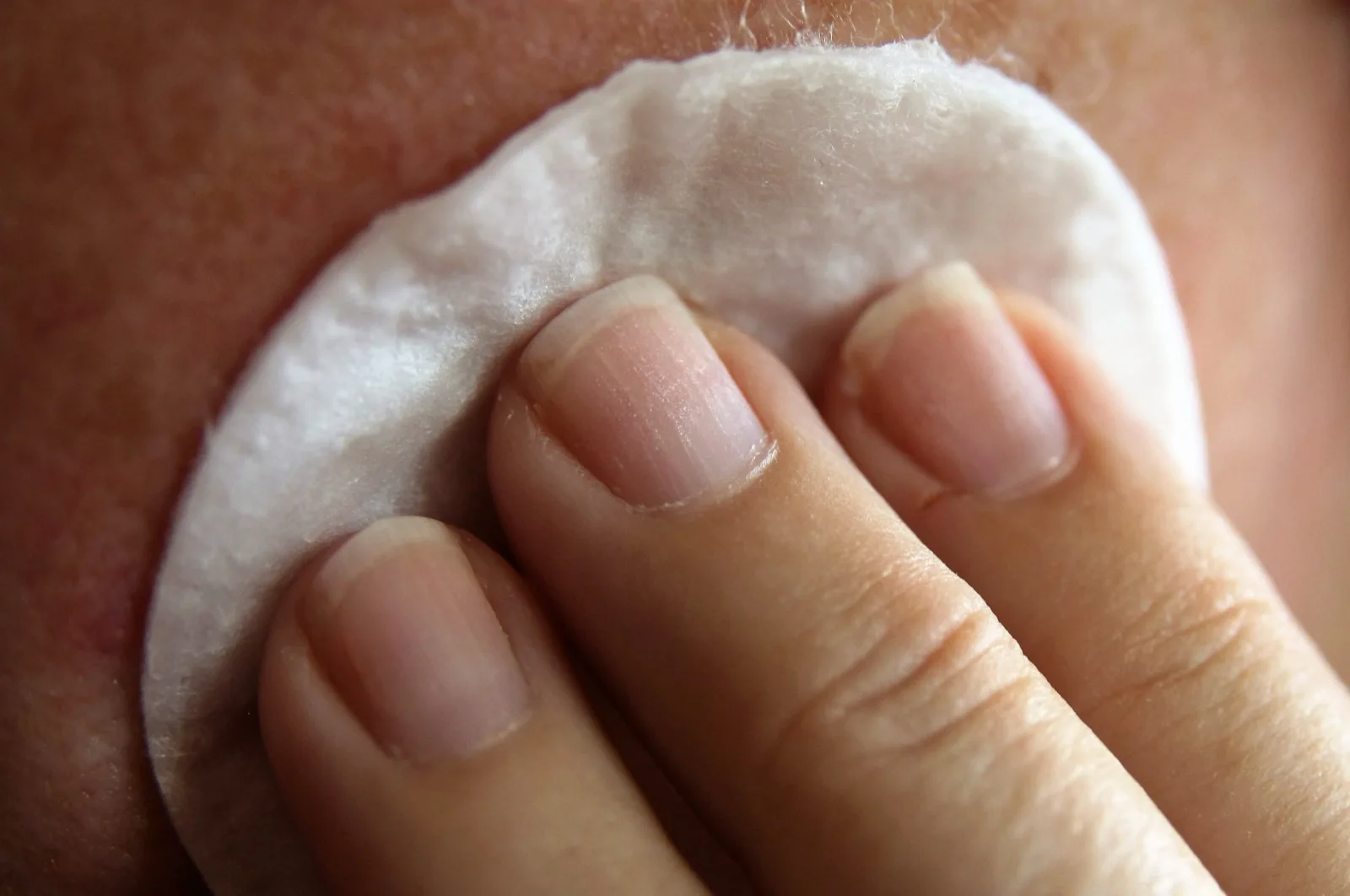
In clinical practice, a patch test is a diagnostic method used to determine which specific substances cause allergic inflammation[5] on the skin. Before re-attempting any product that triggered suspicion, conduct a patch test:
Apply a coin-sized amount of product to the clean inner forearm or behind the earlobe.
Keep the area dry and undisturbed for 24 to 48 hours.
Check for signs of localized erythema, swelling, itching, or tiny vesicles. If any reaction occurs, the product is unsuitable for your skin profile.
Signs to Stop and When to See a Doctor
While mild sensitivity often calms once an incompatible formula is removed, certain symptoms indicate significant barrier injury or severe contact hypersensitivity that requires medical intervention.
Stop using all active products and seek clinical evaluation from a certified dermatologist if you notice any of the following warning signs:
Intense Facial Swelling: Puffiness around the eyes, lips, or cheeks following application.
Severe Stinging or Burning: Sensation that does not abate within minutes and persists even when applying plain water or gentle ointments.
Weeping Blisters or Hives: Raised welts or fluid-filled vesicles that indicate an acute allergic response rather than standard acne.
Rapidly Spreading Erythema: Deep redness that expands beyond the initial application zone.
Lack of Improvement: Symptoms that fail to stabilize after 72 hours of complete product withdrawal.
FAQ
Q1. How long does typical skin purging last?
A. A standard purging phase lasts between four and six weeks. (Details)
Because purging depends on the epidermal turnover cycle, which averages 28 to 42 days in adults, the process generally concludes within one month to six weeks. If blemishes continue to emerge past the six-week mark, or if the intensity does not diminish, the response is an adverse breakout rather than temporary purging.
Q2. Can a hydrating Japanese lotion or sheet mask cause purging?
A. No, hydrating lotions and masks cannot cause true skin purging. (Details)
Hydrating lotions, emulsions, and sheet masks contain humectants and emollients designed to attract and lock in water. They do not accelerate skin cell renewal. Any bumps, whiteheads, or redness following their use stem from pore occlusion, ingredient sensitivity, or preservative intolerance.
Q3. What is the difference between skin purging and contact dermatitis?
A. Purging presents as fast-clearing follicular blemishes, while contact dermatitis causes surface itching and diffuse redness. (Details)
Purging affects hair follicles and pores, manifesting as blackheads or small white papules in standard blemish zones without intense itchiness. Contact dermatitis is an inflammatory surface response characterized by widespread redness, swelling, burning, intense itching, and localized flaking that requires immediate product withdrawal.
Q4. Why does Japanese cosmetic regulation reject the concept of positive initial irritation?
A. Japanese regulations require cosmetics to be non-harmful and prohibit excusing skin damage as an adjustment phase. (Details)
Under the PMD Act and JCIA advertising rules, cosmetics and quasi-drugs must maintain stratum corneum health. Dismissing irritation or rash as a beneficial adjustment reaction (historically called koten hanno in non-scientific circles) is considered misleading and potentially hazardous to consumer skin health.
Q5. When should you see a dermatologist for an adverse skin reaction?
A. Seek professional evaluation if swelling, severe discomfort, blistering, or spreading rashes develop. (Details)
While mild sensitivity often subsides once the offending formula is removed, you should consult a licensed dermatologist if you experience intense facial swelling, hives, open weeping lesions, extreme discomfort, or discoloration that does not improve after 48 to 72 hours of cessation.
Summary
Distinguishing between skin purging and an adverse breakout is vital to preserving long-term barrier vitality. True purging is limited to turnover-accelerating ingredients like retinoids and exfoliating acids, manifests in customary problem areas, and subsides within 4 to 6 weeks. Any reaction provoked by hydrating or barrier products, or accompanied by burning and itching, represents an adverse response requiring immediate product discontinuation.
By honoring your skin's physiological feedback and following Japanese barrier-first principles, you can navigate new skincare additions safely without sacrificing barrier comfort.
Disclaimer: This article is for general information and education about Japanese cosmetics and their labels. It is not a substitute for professional medical advice, diagnosis, or treatment. Skincare results vary from person to person. Product formulas, availability, prices, and regulations change, and products sold in Japan can differ from versions sold elsewhere, so always check the current label. Do a patch test before introducing a new product, and consult a doctor or dermatologist if you have a skin condition or specific concerns.