title: Japanese Scalp Exfoliation: Scrubs, Methods & Frequency meta_description: Japanese scalp exfoliation guide: learn clay, oil, and carbonated alternatives to harsh physical scrubs that clear follicles without barrier damage. affiliate: false
Japanese Scalp Exfoliation: Scrubs, Methods & Frequency
As scalp care takes center stage in global wellness, coarse physical scalp scrubs packed with sea salt crystals and sugar granules have surged in popularity. Promising to deeply purify roots and sweep away stubborn flakes, these gritty pastes have become standard bathroom fixtures for those seeking squeaky-clean hair.
In Japan, however, the approach to scalp exfoliation looks fundamentally different. Japanese cosmetic dermatologists and salon aestheticians view the scalp not as a tough surface to be sandpapered, but as a continuation of delicate facial skin. Coarse physical scrubbing is actively discouraged because abrasive crystals scrape hair cuticles and cause micro-tears in the epidermal moisture barrier.
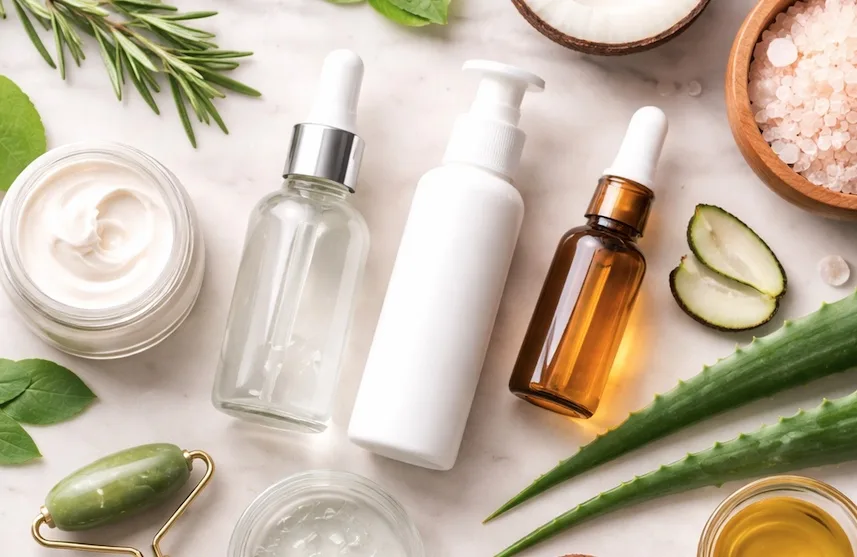
Instead, Japanese beauty (J-Beauty) achieves deep follicular purification through gentle, biomimetic alternatives: mineral marine clays that adsorb sebum, botanical pre-cleansing oils, and carbonated micro-bubbles.
Understanding how Japanese scalp exfoliation works and finding your ideal weekly cadence allows you to maintain clean, balanced roots without compromising skin health.

Quick answer: The Japanese approach to scalp exfoliation replaces coarse physical scrubs with gentle, non-abrasive mechanisms: mineral marine clays (kucha) that bind oxidized sebum through ionic charge, plant-derived oils (tsubaki) that dissolve waxy plugs, and carbonated foam (tansan) that lifts dead cells without friction. Japanese scalp exfoliation is practiced once a week or bi-weekly, strictly avoiding abrasive salt rubbing to preserve delicate stratum corneum lipids and hair cuticles.
The Scalp Exfoliation Dilemma: Abrasive Scrubs vs. Friction-Free Care
To understand why Japanese hair care avoids gritty physical scrubs, one must consider the delicate biology of the scalp.
When hair is wet in the shower, moisture causes the hair shaft to swell and the outer protective cuticle scales to lift. Raking coarse sea salt or crushed seed particles across wet roots creates high shear stress. This abrasive friction chips away fragile cuticle layers, leading to split ends, hair shaft thinning, and frizz.
Furthermore, the scalp's epidermal barrier—the stratum corneum—is remarkably thin beneath dense hair growth. Aggressive physical friction strips away intercellular ceramides, triggering transepidermal water loss and compensatory rebound oiliness. The American Academy of Dermatology Association (AAD) warns against harsh physical scrubbing: "Resist the temptation to scrub your skin because scrubbing irritates the skin."[3]
Japanese haircare follows the core philosophy of masatsu-less (friction-free) hygiene. Rather than forcing dead cells away with physical abrasion, Japanese formulations harness surface chemistry and gentle adsorption to purify follicular openings. To see how friction-free care integrates into a weekly ritual, explore our guide on the at-home Japanese head spa routine.

3 Gentle Japanese Alternatives to Coarse Physical Scrubs
Japanese cosmetic laboratories prioritize three gentle, biomimetic mechanisms to achieve clear follicles without mechanical abrasion:
1. Marine Silts and Volcanic Clays (Ionic Adsorption)
Japanese scalp masks frequently utilize indigenous mineral clays, such as Okinawa marine silt (kucha) and Fukushima tanagura clay. Unlike coarse sea salt crystals that measure hundreds of micrometers across, clay particles are microscopic (under 10 micrometers) and completely spherical.
- Negative Ionic Charge: These fine clays carry a natural negative electrical charge, which attracts and binds positively charged impurities—such as oxidized squalene, environmental pollutants, and excess sebum.
- Pore Purification Without Rubbing: You simply apply the creamy clay emulsion to damp parted roots, allow it to sit for 3 to 5 minutes, and rinse thoroughly. Impurities wash away without abrasive friction.
2. Botanical Oil Emulsification (Dissolving Keratin Plugs)
Hardened sebum plugs (kakusen) lodged inside follicular funnels consist of roughly 70% oxidized lipids and 30% keratinized protein. Aqueous shampoos alone cannot reach and dissolve these dense lipid plugs.
- The "Like Dissolves Like" Principle: Japanese head spa routines apply lightweight botanical carrier oils—such as Japanese camellia seed oil (tsubaki) or squalane—onto dry scalp roots prior to washing.
- Gentle Softening: Warm plant oils liquefy and loosen waxy sebum plugs over several minutes, enabling gentle amino-acid surfactants to flush them out effortlessly during shampooing.

3. Carbonated Micro-Bubbles (Tansan Foam)
In both Japanese salons and consumer home products, carbonated scalp foams (tansan) have become the gold standard for weekly clarification.
- Micro-Cavitation: Carbon dioxide gas dissolved in water creates micro-bubbles that reach tiny crevices around hair follicles.
- Lower Surface Tension: Carbonated water has lower surface tension than regular tap water, allowing it to slip beneath microscopic dead corneocytes and lift them away from the skin surface with zero mechanical scrubbing.

Comparison: Coarse Physical Scrubs vs. Japanese Biomimetic Methods
Review the functional differences between abrasive Western scrubs and Japanese scalp purification methods:
Scroll horizontally to view full table
| Factor | Coarse Physical Scrubs (Salt/Sugar) | Japanese Biomimetic Exfoliation (Clay/Oil/Tansan) |
|---|---|---|
| Primary Mechanism | Abrasive physical friction (crystal grinding) | Ionic adsorption, lipid dissolution, and micro-bubble lift |
| Scalp Barrier Impact | High risk of micro-scratches and moisture loss | Preserves stratum corneum lipids and natural acid mantle |
| Hair Cuticle Safety | Can chip and fray raised wet cuticle scales | Zero mechanical friction on hair fiber shafts |
| Sensory Experience | Gritty, sharp tingling, potential stinging | Smooth, cushiony, soothing, and relaxing |
| Dermatological Recommendation | Often discouraged for sensitive or flaking scalps | Suitable for delicate, sensitive, and thinning hair |
| Ideal Candidates | Very resilient, thick hair with zero sensitivity | Those seeking gentle, sustainable follicular cleanliness |